
Asian
J.
Arts
Cult.
2026;
26(3):
140
Exploring Visitor Reviews of Islamic Museums in ASEAN: A Netnography of TripAdvisor Content
Azhar Alam1,3,*, Fariha Azmi Sakinah1, Siti Salwa Md Sawari2, Nadhirah Nordin3
1Department of Islamic Economic Laws, Universitas Muhammadiyah Surakarta, Jawa Tengah 57169, Indonesia
2Kulliyyah of Sustainable Tourism and Contemporary Languages, International Islamic University Malaysia, Kuala Lumpur 50728, Malaysia
3Faculty of Islamic Contemporary Studies, Universiti Sultan Zainal Abidin, Terengganu 21300, Malaysia
(*Corresponding author’s e-mail: aa123@ums.ac.id)
Received: 17 August 2025, Revised: 6 January 2026, Accepted: 10 January 2026, Published: 12 January 2026
Abstract
This study addresses the limited empirical research on visitor experiences in Islamic art museums by applying a netnographic analysis of TripAdvisor reviews from three sites in Indonesia, Malaysia, and Brunei Darussalam. The primary objective is to examine how these museums contribute to halal tourism through visitors’ educational, cultural, and spiritual experiences, and to identify operational challenges that shape satisfaction and dissatisfaction. A total of 221 reviews were collected using a time-based sampling strategy, covering March 2017–June 2019 for the Indonesian Islamic Art Museum and the three months preceding data collection in early 2024 for the Jame’ Asr Hassanil Bolkiah Mosque and the Islamic Arts Museum Malaysia. The reviews were manually screened according to predefined inclusion criteria and analyzed using qualitative content analysis, resulting in 263 coded annotations categorized into positive and negative themes. The findings show that positive annotations (n = 194) primarily emphasise architectural beauty, rich and diverse collections, and the use of modern technologies, such as augmented reality. In contrast, negative annotations (n = 69) are associated with cleanliness issues, restrictive access, limited interpretive information, and ticket pricing. This study offers a focused, cross-site comparison that highlights how local museum contexts influence halal tourism experiences in these three countries. Theoretically, the research extends netnographic work on religious and cultural tourism by foregrounding Islamic art museums as underexplored halal tourism nodes, and, practically, it provides museum managers with concrete, visitor-derived insights to improve service quality, interpretive strategies, and technology integration.
Keywords: Islamic art museums, Netnography, TripAdvisor reviews, Halal tourism, Visitor experience
Introduction
Halal tourism has become a rapidly growing segment of the global tourism industry, attracting both Muslim and non-Muslim visitors to destinations that integrate cultural, educational, and spiritual values. Muslim travel spending is projected to increase from 133 billion USD in 2022 to 174 billion USD by 2027, with a compound annual growth rate of 5.5% (DinarStandard, 2024). Within this development, Indonesia, Malaysia, and Brunei Darussalam have emerged as important players in halal tourism in Southeast Asia, supported by policy initiatives, infrastructure, and strong Islamic identities (Nafis et al., 2024; Ramadhani & Mochklas, 2019; Sulaiman & Hashim, 2023; Susilawati, 2023). Malaysia has consistently ranked at the top of the Global Muslim Travel Index (GMTI), while Indonesia ranked second in 2022, reflecting the strategic role of these countries in the Muslim-friendly travel market (Pranika et al., 2023).
Within this broader context, Islamic art museums are increasingly recognized as key halal tourism attractions that offer cultural and spiritual experiences for diverse visitor groups. Museums more generally have been identified as popular tourism destinations with strong educational and recreational appeal (Agustin et al., 2020; Faiz et al., 2020; Jawi & Supriyono, 2017), and Islamic museums, in particular, hold potential to become flagship halal tourism destinations in Muslim-majority settings (Pranika et al., 2023). These institutions function as repositories of artefacts and centres for the education and appreciation of Islamic cultural heritage (Kamada, 2012), enhance cross-cultural understanding and interfaith dialogue (Mahmudulhassan, 2024), and contribute to identity formation and community cohesion, including in non-Muslim countries (Jafari & Scott, 2014).
Despite this importance, empirical research systematically examining visitor experiences in Islamic art museums remains limited, especially compared with the broader literature on halal tourism and cultural destinations. Prior studies have tended to focus on institutional roles, architectural and interior design, and heritage functions rather than on how visitors themselves narrate and evaluate their museum experiences (Anas, 2020; Jafari & Scott, 2014; Kamada, 2012; Lopes & Hasnan, 2022; Osman, 2011). At the same time, tourism research has increasingly turned to online user-generated content as a rich source for understanding consumer experience, with netnography established as a rigorous approach for interpreting reviews on platforms such as TripAdvisor (Hosany et al., 2022; Preko et al., 2020; Sthapit, 2018; Sthapit & Björk, 2020). However, the application of netnography to Islamic art museums, particularly those in Indonesia, Malaysia, and Brunei Darussalam, remains underexplored.
Responding to this gap, the present study focuses specifically on three Islamic art museums in Southeast Asia: the Indonesian Islamic Art Museum in Lamongan, the Jame’ Asr Hassanil Bolkiah Mosque in Brunei Darussalam, and the Islamic Arts Museum Malaysia. Rather than making claims about the entire ASEAN region, the research adopts a deliberately bounded scope that concentrates on these three sites as illustrative cases within Indonesia, Malaysia, and Brunei Darussalam. The primary objective is to understand how visitors describe their experiences at these museums through TripAdvisor reviews, and to identify the main positive and negative themes related to architecture, collections, services, and the broader halal tourism context. Accordingly, the study asks how online reviewers narrate their visits to these Islamic museums and what aspects they highlight as drivers of satisfaction or dissatisfaction.
This work contributes to the literature in several ways. First, it extends netnography-based tourism research into the relatively understudied context of Islamic art museums, demonstrating how TripAdvisor reviews can reveal the educational, cultural, and spiritual dimensions of museum-based halal tourism in Indonesia, Malaysia, and Brunei Darussalam. Second, it foregrounds the role of digital and interactive technologies, such as augmented reality, within visitors’ evaluations of Islamic museums, thereby linking museum experience research with ongoing discussions about digital transformation in cultural institutions (Lu et al., 2023; Zhou & Li, 2023). Third, by comparing three sites across three countries, the study offers a focused cross-site perspective on how local institutional and cultural contexts shape visitor perceptions, without generalizing beyond the specific cases examined (Noor & Wahab, 2018; Vargas-Sanchez et al., 2020; Vargas-Sánchez & Moral-Moral, 2020).
The remainder of the article is structured as follows. The next section reviews the literature on halal tourism, Islamic art museums, and netnography, situating the study within current debates. The Methods section then describes the netnographic design, data collection from TripAdvisor, and content and thematic analysis procedures. This is followed by the Results, which present the main themes that emerged from the reviews for each museum. The Discussion section integrates these findings with relevant museum experience frameworks and halal tourism scholarship, and the final section outlines theoretical implications, managerial recommendations, limitations, and directions for future research.
Literature review
Recent scholarship emphasizes halal tourism as a growing segment that combines economic opportunity with cultural and religious values, particularly in Muslim-majority countries such as Indonesia and Malaysia (Alam et al., 2024; Alam et al., 2024; Rofiqo et al., 2022). Within this field, Islamic art museums are increasingly recognised as key attractions that contribute to heritage preservation and to positioning halal tourism through collections and interpretive functions (Kamada, 2012; Osman, 2011; Pranika et al., 2023). These institutions act as repositories of artefacts and as educational centres that promote appreciation of Islamic art and architecture in Southeast Asia (Kamada, 2012, 2014). Islamic art museums in Indonesia, Malaysia, and Brunei Darussalam occupy strategic roles within halal tourism systems, linking cultural heritage with Muslim-friendly destinations (Noor & Wahab, 2018; Vargas-Sanchez et al., 2020). Limited studies explore how visitors themselves, across multiple sites in different countries, perceive the relationship between museum visits and their broader halal tourism experiences. This relationship remains insufficiently addressed, primarily through comparative and visitor-centred data.
Studies on Islamic museums highlight their potential to foster cross-cultural understanding, interfaith dialogue, and identity formation. Heath (2016) showed how Islamic art exhibitions can facilitate cross-cultural encounters, while Jafari and Scott (2014) discuss how Islamic tourism sites contribute to Muslim identity and community cohesion in diverse contexts. At the institutional level, the Islamic Arts Museum Malaysia, the Indonesian Islamic Art Museum, and theJame’ Asr Hassanil Bolkiah Mosque exemplify how cultural, educational, and heritage functions intersect with tourism (Anas, 2020; Kamada, 2012; Lopes & Hasnan, 2022; Osman, 2011). Visitor experiences in Islamic heritage settings involve not only aesthetic appreciation but also learning, emotional, and sometimes interfaith dimensions (Heath, 2016; Noor & Wahab, 2018). There is limited empirical work that synthesises visitors’ narratives across multiple Islamic museums in different countries, and few studies explicitly connect these experiences to structured visitor-experience frameworks, such as the Contextual Model of Learning (Falk & Dierking, 2016).
Digital transformation has reshaped museum experiences through tools such as augmented reality and interactive installations. Li et al. (2023) and Lu et al. (2023) show that immersive technologies increase engagement, support participatory learning, and influence affective responses in museum settings. In Southeast Asian Islamic museums, prior work notes the use of modern design and technology in exhibition spaces, including interactive interior design at the Indonesian Islamic Art Museum and interpretive media at IAMM (Anas, 2020; Kamada, 2012). Digital technology can enrich cultural learning and visitor satisfaction by providing layered, interactive, and narrative experiences in museums. Limited studies explore how visitors to Islamic art museums in Indonesia, Malaysia, and Brunei Darussalam explicitly describe and evaluate these digital features in their own words.
Netnography has become a widely recognized qualitative method for analyzing user-generated content in tourism, hospitality, and halal tourism research (Alam et al., 2023a; Alam et al., 2024; Hosany et al., 2022; Sthapit, 2018; Sthapit & Björk, 2020). Kozinets (2015) defined netnography as an ethnographic adaptation to online environments, enabling the in-depth examination of consumer experiences expressed on platforms such as TripAdvisor, one of the world’s largest travel-review sites (Filieri et al., 2020). Netnography has been combined with content and thematic analysis to enhance systematic coding and thematic interpretation in large textual datasets (Bengtsson, 2016; Braun & Clarke, 2006; Caliandro, 2018; Heinonen & Medberg, 2018). Netnography is well-suited to capturing spontaneous visitor narratives and emotions in tourism and hospitality contexts, including halal-related travel. Multi-site netnographic studies focusing specifically on Islamic art museums are scarce, and there is little comparative work across Indonesia, Malaysia, and Brunei Darussalam that connects online reviews with theoretical models of learning, engagement, and halal tourism.
Across these four themes, several precise gaps emerge. First, there is a lack of multi-site netnographic research on Islamic art museums that systematically compares visitor experiences across different national contexts, particularly between Indonesia, Malaysia, and Brunei Darussalam. Second, comparative perspectives on how visitors in these three case countries perceive Islamic museums’ roles in halal tourism and in cultural or interfaith learning remain underdeveloped. Third, few studies integrate digital visitor narratives with established visitor-experience and learning frameworks in Islamic settings, especially when digital technologies such as augmented reality are involved (Falk & Dierking, 2016; Li et al., 2023; Lu et al., 2023). Fourth, the links between museum-based experiences and broader halal tourism outcomes are often implied rather than analysed using visitors’ own accounts.
Accordingly, this study applies a netnographic approach to TripAdvisor reviews to explore visitor experiences at three Islamic art museums in Indonesia, Malaysia, and Brunei Darussalam, focusing on how visitors describe learning, engagement, and digital features in relation to halal tourism. The study aims to address these gaps by offering a multi-site, comparative perspective grounded in user-generated content and by providing practical recommendations for museum managers and for communication on review platforms, rather than claiming to develop or manage the TripAdvisor application itself.
Methods
This study addresses a gap in the literature by applying netnography to analyze online reviews from visitors to Islamic art museums in the ASEAN region, specifically in Indonesia, Malaysia, and Brunei Darussalam. While netnography has recently gained recognition as a rigorous qualitative approach in tourism research for interpreting consumer experiences from platforms such as TripAdvisor, its use in the context of Islamic art museums remains limited and underexplored. In addition, this study highlights the integration of modern technology, such as augmented reality, as a significant factor shaping the museum visitor experience, offering a new vantage point from which to understand how technological tools enhance cultural and educational engagement. By focusing on the distinct local contexts of Islamic art museums within ASEAN countries, this research provides a deeper regional perspective. It offers insights into how these contexts shape the visitor experience. Overall, this work advances the conversation by combining a novel research context, updated digital methodologies, and an emphasis on technological engagement; however, it does not claim to be the first study of its kind.
This research adopts netnography as a recognised qualitative approach to systematically investigate consumer experiences in tourism, using online review platforms such as TripAdvisor, which are widely used in scholarly research to capture traveller perspectives and behaviours (Hosany et al., 2022; Sthapit, 2018; Sthapit & Björk, 2020). Kozinets (2015) explained that netnography combines the internet and ethnography, enabling information from online communities to provide in-depth insights into tourism experiences, including those related to Islamic Art Museums in ASEAN countries. The museum attracts an impressive flow of tourists, with many visitors each year, and many also participate as active online users who share their experiences and perceptions of Islamic museums on online platforms.
The study analyzed content originally designed by Kozinets to examine consumer behaviour based on user-generated online content (Kozinets, 1998). Major travel platforms, such as TripAdvisor, are among the world’s largest travel review platforms, enabling researchers to understand consumer interactions and online views (Filieri et al., 2020). This netnography method uses social media monitoring tools to collect data from discussions and activities in online media (Andryani et al., 2019). Major travel platforms, such as TripAdvisor, are among the world’s largest providers of travel reviews, enabling researchers to understand consumer interactions and online views. This study also uses social media monitoring tools to collect data from discussions and activities in online media.
Although netnography is not new, its application in the context of Islamic museum tourism makes a distinctive contribution by revealing how digital interactions reflect the socio-cultural and spiritual dimensions of the visitor experience. Netnography enables researchers to explore user-generated content, emotions, and interpretations that are often inaccessible through conventional methods such as surveys or interviews (Kozinets, 2015). This approach is particularly valuable for understanding Islamic museum visitors, as online reviews function as digital ethnographies that capture both religious sentiment and cultural appreciation (Heinonen & Medberg, 2018). In comparison with prior netnographic studies in hospitality and halal tourism (Alam et al., 2023; Alam et al., 2024; Alam et al., 2024; Nelson & Otnes, 2005), applying the method within Islamic museum contexts introduces an interpretive lens that combines cultural heritage, religiosity, and digital behavior. Moreover, this study extends Kozinets’ conceptual framework to faith-oriented tourism by emphasising how visitors’ online expressions in Muslim and non-Muslim countries construct narratives of spiritual engagement and inclusivity. Thus, the contribution of this research lies in contextual innovation—netnography is adapted to explore the intersection of technology, religion, and cultural tourism, providing an interpretive model applicable to other halal tourism destinations.
This research employs netnography as the primary qualitative methodology, complemented by content and thematic analysis to ensure a structured, systematic interpretation of online review data. Netnography, as introduced by Kozinets (2015), is an ethnographic adaptation for the digital environment that facilitates the examination of consumers’ experiences in online communities. While netnography focuses on the contextual and cultural interpretation of user interactions, content analysis and thematic analysis enhance the rigor of the study by supporting systematic categorization and thematic refinement (Bengtsson, 2016; Braun & Clarke, 2006). Accordingly, after data acquisition from TripAdvisor, the reviews were screened for relevance, and duplicates were removed. The collected reviews were coded and categorized as positive or negative using content analysis procedures to establish descriptive patterns, followed by a thematic analysis to identify deeper, interpretative themes regarding visitor perceptions and emotions. This approach aligns with recent research demonstrating that netnography can be effectively combined with content and thematic analysis to enhance validity and interpretive depth when analysing large volumes of textual data (Caliandro, 2018; Heinonen & Medberg, 2018). Reliability was ensured through intercoder agreement during the categorisation and theme validation. The integration of these methods enabled both quantitative classification and qualitative meaning-making, harmonizing digital ethnographic immersion with analytical precision to derive a holistic understanding of Islamic museum visitor experiences.
The research results can provide new insights into visitors’ experience of Islamic museums, especially in Indonesia, Malaysia, and Brunei Darussalam. This research can contribute to the scientific understanding of how consumers respond and interact by providing reviews of the museum. A passive approach is employed in netnography to understand the deep-seated dynamics within society. The researchers in the study will be able to selectively select the digital communities they are already considering as members without spending additional time exploring new communities. Travel social media refers to online platforms, such as TripAdvisor, where people come together based on shared interests (Miguéns et al., 2008). The research in this ethnographic study used TripAdvisor app reviews to categorise them into positive and negative groups based on user comments about the app’s services.
It further analyses behaviour and responses to inform the development of applications. The purpose of the halal tourism research object in the TripAdvisor application is to review visitors’ experiences with Islamic museum art, focusing on their positive and negative contributions to their visit. Reviews of experiences that have already visited the museum through TripAdvisor comments, where visitors share their experiences and provide feedback.
Based on TripAdvisor data, as shown in Table 1, a total of 221 visitor reviews were analysed from three Islamic art museums in Indonesia, Malaysia, and Brunei Darussalam. At the Indonesian Islamic Art Museum, 31 reviews were collected from March 2017 to June 2019, representing the most recent contributions available on the platform. The Jame’Asr Hassanil Bolkiah Mosque in Brunei received 83 reviews from January to March 2024, while the Islamic Arts Museum Malaysia garnered 107 reviews from February to April 2024.
The primary criterion for data inclusion was that reviews must have been written within the three months preceding the study period. The differences in review periods across the museums stemmed from distinct timelines and activity levels on each museum’s TripAdvisor page. For example, the Indonesian Islamic Art Museum has not received any new reviews since 2019, whereas both the Brunei and Malaysian museums continued to receive regular visitor feedback up to May 2024. These variations reflect differences in visitor frequency, online engagement, and digital presence rather than inconsistencies in the data collection process.
|
Step One: Observe the Data Availability in the TripAdvisor App |
|
|
|
The first step was to conduct an initial observation of the TripAdvisor platform to identify and evaluate the availability of data on Islamic art museums in ASEAN countries. This process included examining the listed museums’ profiles, focusing on key parameters such as visitor ratings, the number of reviews, and the consistency of user engagement over time. From this preliminary mapping, several museums were identified across the region, but only three institutions possessed sufficient and accessible review data to be considered viable for analysis. |
|
|
|
|
Step Two: Data Selection Procedure |
|
|
This study examines three case studies in three countries, namely the Indonesian Islamic Art Museum (Indonesia), the Jame’ Asr Hassanil Bolkiah Mosque (Brunei Darussalam), and the Islamic Arts Museum Malaysia (Malaysia). In the case of the Jame’ Asr Hassanil Bolkiah Mosque, the site is treated as an Islamic heritage setting with museum-like qualities, as its architectural design, curated interiors, and displayed religious–historical elements serve as a repository of Brunei’s Islamic history. Visitors experience them in ways comparable to a museum. The selection of these three cases was determined by the completeness and relevance of available review content, ensuring that the datasets provide meaningful reflections of visitor experiences in comparable Southeast Asian Islamic heritage contexts. |
|
|
|
|
Step Three: Data Collection and Reduction |
|
|
The data collection process was conducted during May 2024. For the Islamic Arts Museum Malaysia and Jame’Asr Hassanil Bolkiah Mosque, we collected reviews published within the three months preceding the study (February-April 2024) to ensure data timeliness. However, for the Indonesian Islamic Art Museum, due to the absence of recent reviews, we analyzed the most recent available dataset (March 2017-June 2019), acknowledging this temporal limitation in our comparative analysis. |
|
|
|
|
Step Four: Analyzing and Interpreting Data |
|
|
The fourth stage involved analysing and interpreting the dataset derived from TripAdvisor reviews using a systematic qualitative content analysis. A total of 221 reviews from the three museums were examined, resulting in 854 coded annotations that captured the essential meanings expressed by visitors. The higher number of annotations than reviews occurred because some reviews contained multiple themes or sentiments, with specific entries including both positive and negative evaluations within the same comment. |
|
|
|
|
Step Five: Present the Results |
|
|
This study presents the results of interpreting the review data into themes, highlighting both positive and negative reviews, and provides an overview of the frequency distribution. |
|
|





Figure 1 Steps for data analysis with the Netnography method adopted and modified model from
Source: Cassandre (2022)
Table 1 Sources of data
Museum name |
Total analyzed reviews |
Period |
Ratings |
31 |
March 2017 - June 2019 |
4.4 |
|
Jame’Asr Hassanil Bolkiah Mosque |
83 |
January 2024 - March 2024 |
4.5 |
Islamic Arts Museum Malaysia |
107 |
February 2024 to April 2024 |
|
Total |
221 |
|
|
Table 2 Annotations of reviews
Museum Name |
Positive |
Negative |
Total |
Indonesian Islamic Art Museum |
124 |
2 |
126 |
Jame’Asr Hassanil Bolkiah Mosque |
194 |
18 |
212 |
Islamic Arts Museum Malaysia |
395 |
121 |
516 |
Total |
713 |
141 |
854 |
After completing the annotation process of the 221 original TripAdvisor reviews, a total of 854 codes were generated, as summarized in Table 2. The analysis revealed that visitor sentiments toward the three Islamic art museums varied in both frequency and tone. The Indonesian Islamic Art Museum received 124 positive and 2 negative annotations, indicating an overall favourable impression but limited review activity. The Jame’Asr Hassanil Bolkiah Mosque yielded 194 positive and 18 negative annotations, reflecting a strong appreciation for its architectural beauty and the availability of its facilities. However, several visitors mentioned restrictive policies concerning access and photography. The Islamic Arts Museum Malaysia generated 395 positive and 121 negative annotations, indicating more diverse visitor responses due to its larger number of reviews and varied visitor interactions. Overall, the dataset contained 194 positive annotations and 18 negative annotations. This pattern suggests that while the majority of comments expressed satisfaction, visitors often incorporated both positive and negative elements within a single review, demonstrating the complex and multidimensional nature of museum experiences in the ASEAN context.
This study adhered to the general principles of qualitative research by ensuring the protection of participant privacy, carefully excluding any personally identifiable information from direct or indirect reporting, and anonymizing all source material prior to analysis.
Results
In this study, we coded visitors’ reviews of the Islamic Museum Art Indonesia, Islamic Museum Art Malaysia, and Jame’Asr Hassanil Bolkiah Mosque, focusing on the highest and lowest ratings. In this way, we could group the three museums that were the objects of our netnography research.
Analysis of the review of visitors to the Indonesian Islamic art museum
The Indonesian Islamic Art Museum houses a diverse collection of artefacts and cultural items to preserve the art and history of the ancestors’ heritage. This art museum serves as a bridge, increasing knowledge and educating visitors about the history of Islam worldwide. Thus, this museum can deeply inspire visitors to understand and learn about Indonesia’s rich Islamic heritage.
Figure 2 Museum exterior view Source: Museumislamindonesia.com |
Figure 3 Museum artifact collection Source: Museumislamindonesia.com |
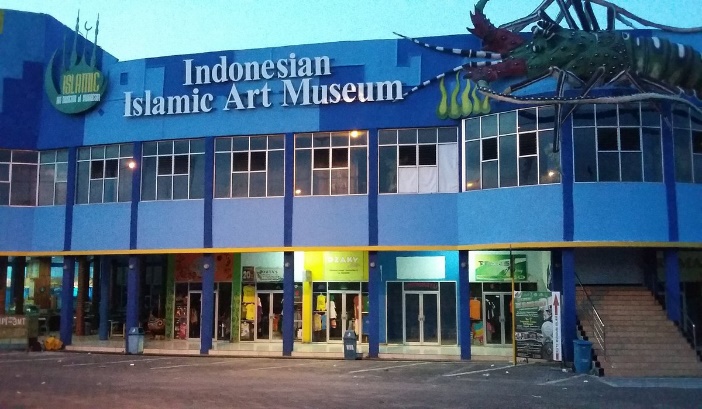
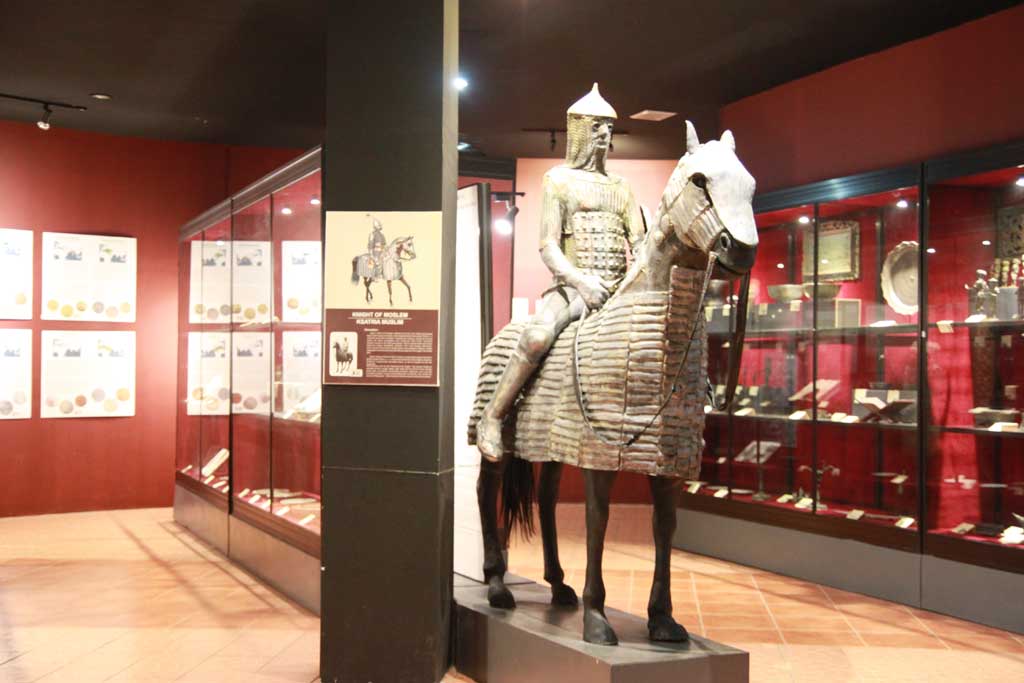
Table 3 Positive reviews in Indonesian Islamic art museum
Positive review |
Annotated reviews |
Percentage |
Fantastic, excellent, good (the collection is modern, the collection is complete) |
70 |
56.45% |
Educational (Islamic history can add knowledge) |
51 |
41.13% |
Satisfied and not bored |
3 |
|
Overall Total |
124 |
100% |
Source: Processed by the author
According to the Indonesian Islamic Museum Art, Table 3 shows that 31 reviews can be divided into 124 annotated positive and 2 negative categories. Positive reviews from 2017, 2018, and 2019 have commented that this museum is a great place and can impress visitors. The museum’s collection is comprehensive and engaging, featuring historical objects that chronicle the evolution of Islam throughout time. Additionally, the museum has adopted modern technology, using AR applications to scan the images within. The complete collection shows the highest percentage of 56.45%. In addition, this museum helps provide education to deepen understanding and increase knowledge of Islamic history, particularly the glory of Ottoman and Mughal India, with a percentage of 41.13%. However, only 2.42% of the positive reviews mention that visitors feel satisfied and not bored while visiting the Indonesian Islamic Museum of Art. The visitors leave positive comments, for example:
“The best museum in Lamongan. It features collections from the Ottoman Turkish Empire, the Mughal Empire, Islamic China, and Islamic kingdoms in the archipelago. Inside is a replica of a soldier from war, accompanied by horses and weapons. In addition, there is also a diorama depicting the arrival of Admiral Cheng Ho in Indonesia. There is an AR application that brings up images inside the museum in 3d.”
Table 4 Negative reviews in Indonesian Islamic art museum
Negative reviews |
Annotated reviews |
Percentage |
Much garbage |
1 |
50% |
Expensive |
1 |
50% |
Overall Total |
2 |
100% |
Source: Processed by the author
The negative reviews highlight two main problems: cleanliness and ticket prices. As many as 50% of negative reviews complained about the large amount of garbage in the museum area, which indicates a lack of hygiene maintenance. In addition, expensive ticket prices also receive the same level of complaints, 50%, because visitors feel the cost is not proportional to the quality of the experience. The example of negative reviews is as follows:
“The location is in the Sunan Drajat tomb complex area, but unfortunately, the location has a lot of garbage. Lack of awareness of garbage among visitors, plus lack of garbage cans.”
Although the Indonesian Islamic Art Museum has received much praise for its rich collection and Augmented Reality (AR) technology, hygiene issues and ticket prices are important concerns that must be addressed to improve the overall visitor experience.
Analysis of the review of visitors to the Jame’Asr Hassanil Bolkiah Mosque
The Jame’Asr Hassanil Bolkiah Mosque symbolizes majesty and piety, characterized by stunning, magnificent architecture, featuring a golden dome and a golden minaret that reflect luxury and a love of beauty in Islamic architecture. The architectural beauty of this mosque makes it an extraordinary representation of Islamic art and culture.
Figure 4 Exterior view of the mosque Source: www.tripadvisor.com |
Figure 5 Mosque plaque Source: www.tripadvisor.com |
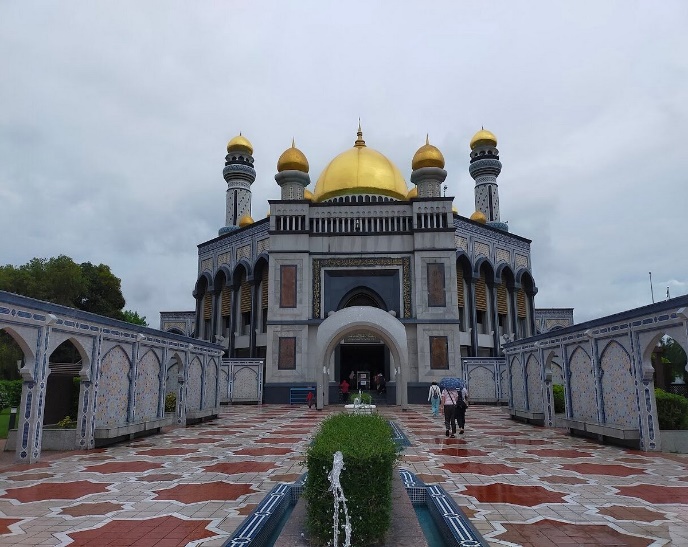
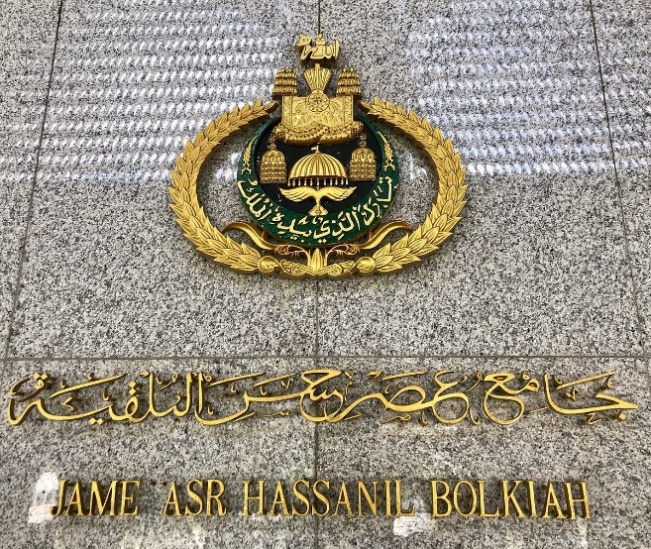
Table 5 Positive reviews in Jame’Asr Hassanil Bolkiah Mosque
Positive review |
Annotated reviews |
Percentage |
Stunning/beautiful (magnificent, architectural, modern) |
150 |
77.32% |
Complete facilities (prayer room for men and women, separate, spacious parking, robes provided, library, lockers) |
17 |
8.76% |
Fantastic experience (friendly staff, there are recital activities) |
10 |
5.15% |
Easily accessible |
9 |
4.64% |
The place is comfortable (cool, quiet, peaceful, clean, fragrant) |
8 |
4.12% |
Overall Total |
194 |
100% |
Source: Processed by the author
From Jame’Asr Hassanil Bolkiah Mosque, Table 5 shows that 83 reviews are classified into 194 annotated positive and 18 negative categories. Positive reviews dominate, accounting for 77.32% of comments, with many visitors praising this mosque for its stunning beauty in terms of architecture, both inside and out. This mosque features 29 golden domes and 4 minarets, reaching a height of 58 meters, and a modern interior spanning two levels, contributing to its contemporary appearance and a high percentage of 77.32%. In addition, the mosque also has complete facilities, including separate prayer rooms for men and women, spacious parking, locker storage, and robes provided. The library inside the mosque is also available at 8.76%. Many admire the beauty of this mosque for the excellent experience, both from the friendly staff and the warm welcome for visitors (5.15%). In addition, this mosque also offers a comfortable, cool, quiet, peaceful, cosy, clean, and fragrant place (4.64%). The place is beautiful, attractive, and easily accessible, making it strategically appealing to people (4.12%). The visitors leave positive reviews, for example:
“A magnificent mosque. The largest mosque in Brunei. Beautiful at night and during the day. The prayer room is huge, with a large dome. There is a separate prayer room for women. Very spacious car park. Five minutes’ drive from the city centre.”
Table 6 Negative reviews in Jame’Asr Hassanil Bolkiah Mosque
Negative reviews |
Annotated reviews |
Percentage |
Strict visiting hours (no entry allowed) |
9 |
50.00% |
No Photos |
4 |
22.22% |
Far |
1 |
5.56% |
Not Friendly |
1 |
5.56% |
Slippery floor |
1 |
5.56% |
Dull |
1 |
5.56% |
Uncomfortable |
1 |
5.56% |
Overall Total |
18 |
50.00% |
Source: Processed by the author
From the negative reviews, several significant complaints have been noted. First, some visitors complained that it was far from the city centre, with 5.56% of visitors reporting this. Second, many feel they are not allowed to take photos inside the mosque, with 22.22% reporting this. Third, visitors often feel unwelcome by the surrounding community, with 5.56% reporting this experience while they are there. Fourth, the floor is also slippery because it is made of marble, which becomes slippery when wet, with a coefficient of friction of 5.56%. In addition, visitors feel bored because there is not much to see, with a 6% percentage. Some visitors also felt uncomfortable due to the heat, with 6% reporting discomfort. Lastly, non-Muslims are not allowed to enter the mosque due to strict visiting hours. Therefore, visitors must check first before visiting, with the highest percentage being 50%. One example from negative reviews is as follows:
“Well, there is no point in visiting it. When we visited, we were walking around the mosque when a man clearly told us we were not allowed to get too close. We could not go inside because the visiting hours were too strict, and I do not think it would look any different from most mosques.”
Although Jame’Asr Hassanil Bolkiah Mosque is praised for its architectural beauty and modern facilities, certain operational aspects, such as photography policies and access restrictions, should be further refined to enhance the visitor experience.
Analysis of the review of visitors to the Islamic Arts Museum Malaysia
The Islamic Arts Museum Malaysia features beautiful architecture combined with sophisticated modern design. Visitors can see firsthand works from the traditions of the Islamic world, ranging from stunning calligraphy to diverse collections. The museum holds a rich history and culture, providing insight into the outstanding contribution to world heritage. This museum also features artefacts that reflect the richness of Islamic culture and the development of intellectual thought throughout Islamic civilisation.
Figure 6 Museum exterior Source: www.tripadvisor.com |
Figure 7 Artifact collection at the museum Source: www.tripadvisor.com |
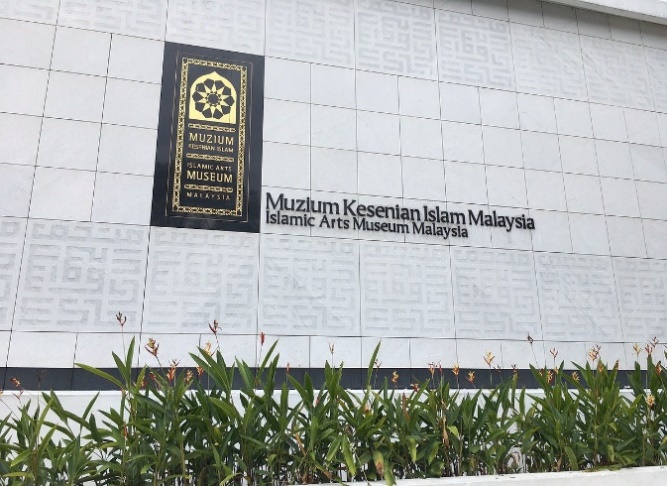
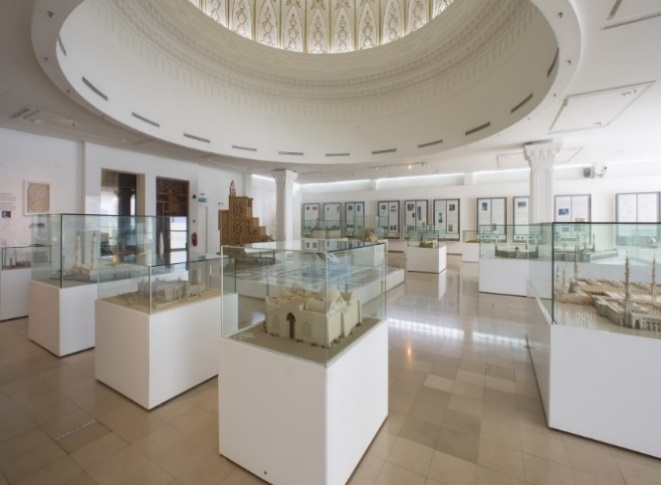
Table 7 Positive reviews in Islamic Arts Museum Malaysia
Positive review |
Annotated reviews |
Percentage |
Beautiful, stunning museum |
106 |
26.84% |
Excellent and complete artefacts or art, complete collection (ceramics, metal crafts, jewellery, manuscripts, quality souvenirs) |
81 |
20.51% |
Fascinating museums (architecture, artefacts, excellent exhibits, modern) |
66 |
16.71% |
Fun experience, recommendations |
32 |
8.10% |
Informative (friendly staff, whole language) |
28 |
7.09% |
Educational (learning Islamic history, learning culture) |
25 |
6.33% |
Complete facilities (toilets, library, restaurants, strategic) |
24 |
6.08% |
Fair price (discount) |
12 |
3.04% |
Fun Cafe |
12 |
3.04% |
Close location, strategic |
8 |
2.03% |
Clean |
1 |
0.25% |
Overall Total |
395 |
100% |
Source: Processed by the author
The Islamic Arts Museum Malaysia, as shown in Table 7, has 516 annotated reviews, divided into two categories: 395 positive and 121 negative reviews. The data show that 20.51% of the comments admire the beautiful artefacts and art, featuring a diversity of Islamic art from Malay, Indian, and Chinese cultures, with themes such as architecture, the Qur’an and manuscripts, jewellery, textiles, weapons and armour, ceramics, metal crafts, coins, and wood. In addition, the museum staff is considered friendly and informative in explaining the exhibition, providing information in various languages, including English and Malay, with a 7.09% share. This condition makes visitors feel amazed and admire the artefacts and the architecture. The museum attracts visitors through its architecture, artefacts, and exhibits, with a 16.71% share, thanks to reasonable ticket prices and student discounts. In this museum, visitors can learn about Islamic history, ranging from miniature mosques to calligraphy and art, with a 6.33% share. The Islamic Museum of Art is a modern building equipped with comprehensive facilities, including clean restrooms. This library can be accessed upon prior written request to the museum management, and it is situated in a strategic location. With all these advantages, the Islamic Arts Museum Malaysia is the primary recommendation for visitors. Visitors leave positive reviews, for example:
“An extraordinarily detailed and spacious museum. It features a diverse collection of amazing paintings and artefacts from all over the Islamic world, and the descriptions are informative and thorough. The architectural exhibition is my favourite, featuring some of the best architectural models I have ever seen, along with detailed explanations of mosques and mausoleums from different geographical regions of the Islamic world. I was also impressed by the museum’s architecture, which features several unique domes intricately painted and decorated. The souvenir shop is also full of interesting books and high-quality souvenirs.”
Table 8 Negative reviews in Islamic Arts Museum Malaysia
Negative reviews |
Annotated reviews |
Percentage |
Disappointed (less informative, not detailed, confusing, no Islamic history, futile travel) |
66 |
54.55% |
The place is ordinary (not attractive, dull, not updated/ not modern, distracting light) |
35 |
28.93% |
Far |
4 |
3.31% |
Regular restaurant (expensive, bad food) |
4 |
3.31% |
The staff were unpleasant, unhelpful, and bad |
4 |
3.31% |
No audio guide |
3 |
2.48% |
Hot |
1 |
0.83% |
Crowded |
1 |
0.83% |
No cards accepted |
1 |
0.83% |
Ugly museum |
1 |
0.83% |
Expensive |
1 |
0.83% |
Overall Total |
121 |
100% |
Source: Processed by the author
From the negative reviews, some visitors complained that to reach this museum, they had to walk a long way from the subway stop (3%), and that the hot weather was uncomfortable. Additionally, the museum disappoints visitors because it lacks sufficient information. The descriptions provided are inappropriate and confusing to visitors, and they lack detail in displaying history, with the highest percentage being 54.55%. This situation makes the museum less exciting and dull due to its usual location. As a result, there is not much to see, with a 28.93% percentage. In addition, no audio guide is available. Food in museum restaurants is also rated as unpalatable and expensive, with a 3.31% rating.
Meanwhile, staff and management are considered flawed, unfriendly, and rude, with a similar percentage of 3.31%. All these factors render the visitor’s experience futile, as they are unable to enjoy it. The visitors leave negative reviews, for example:
“But I do not know anything about the subject at all. I was disappointed. The historical data does not appear to be tidy. I will not go again. However, I am not impressed overall.”
Overall, although the Islamic Arts Museum Malaysia is praised for its diverse collection of Islamic art and friendly staff, the lack of information presentation and interactivity in the exhibits is an area that needs improvement to enhance the visitor experience.
Discussion
The Indonesian Museum of Islamic Art in Lamongan boasts an impressive collection of historical artefacts from Islamic civilisations worldwide. One of the foremost collections is of artefacts from various Islamic kingdoms in Indonesia, such as Samudra Pasai, Aceh, and Islamic Mataram, as well as foreign sultanates, including the Ottomans, Mughals, and China. The collection includes 16th-century Ottoman armament, armour, head protection, and other weaponry (Anas, 2020).
In addition, the museum features a diorama zone that displays three-dimensional miniatures, including mosques, Cheng-Ho ships, and the Great Mosque of Banten. This diorama features sounds that make visitors feel as if they are in an actual situation (Tunnicliffe & Scheersoi, 2015). Augmented Reality (AR) technology is also utilized in this museum, enabling visitors to view two-dimensional or three-dimensional virtual objects projected into their natural environment. AR is used in museums to enrich exhibits by adding digital content to physical artefacts, providing visitors with an interactive and educational experience (Ghouaiel et al., 2017). The museum also offers a variety of academic and creative activities, including playing puzzles, making batik, assembling puppets, and practising calligraphy. This activity is designed to provide visitors with a fun and inspiring learning experience (Gata et al., 2023).
The Indonesian Islamic Museum in Lamongan is among the first Islamic museums in Indonesia to incorporate the concept of edu-art-tainment, which combines education, art, and digital media. The idea combines educational and entertainment elements to increase visitor engagement (Moustafa, 2020). The museum displays a collection of Islamic art and valuable artefacts from within and outside the country, depicting the journey of Islam’s spread to the archipelago. (Lamongan Tourism, 2020). One of the goals of establishing this museum is to collect, preserve, and care for Islamic art artefacts, in recognition of the growing interest in Islamic art (Heath, 2016). The museum serves as an interactive and participatory educational resource, where visitors are invited to engage in discussions about the existing collection (Egorova, 2020)
The Indonesian Museum of Islamic Art in Lamongan offers visitors a range of enriching experiences through an interactive, contemporary approach to interior design. This approach has enhanced the visitor experience by creating an educational and entertaining environment (Meirissa et al., 2021). In addition, the museum offers a variety of exciting facilities and activities, including a collection gallery and a diorama zone that displays three-dimensional miniatures of various Islamic artefacts (Enti et al., 2010; Halil et al., 2018). Creative activities such as batik-making and puppet assembly are also available, entertaining and educating visitors about Islamic art and culture (Ahmad et al., 2015).
Overall, the Indonesian Museum of Islamic Art in Lamongan provides a rich and diverse experience, combining education, interaction, and aesthetics in one place, making it an attractive destination for visitors from all walks of life and can also influence the visitor’s experience emotionally and cognitively (Annechini et al., 2020; Sunghee Choi, 2013).
The Indonesian Islamic Art Museum in Lamongan has received negative reviews due to garbage found within it. One of the leading causes of these negative reviews is the inadequate hygiene maintenance in the museum area. Suboptimal museum cleanliness can impact the visitor experience, as an unmaintained environment can distract from exhibitions and make visitors feel uncomfortable. (Jeong & Lee, 2006). In some cases, museum visitors are reported to litter, a problem that museum management cannot adequately address (Ardoin et al., 2016). The lack of adequate trash can facilities and the absence of janitors who regularly clean the museum area can alleviate this situation (Wondimu, 2020). Additionally, visitors’ low awareness of the museum’s cleanliness also contributes to this problem (Zhang et al., 2018).
The negative review of the Indonesian Islamic Museum concerns garbage: people often do not want to bother throwing it out because they do not wish to open smelly, dirty lids. The available garbage cans are designated by type, but some people still dispose of or leave garbage that is not in accordance with the designated type (Hasan, 2004). The existence of waste is closely related to human or societal habits, namely the lack of order or discipline in society (Pasaribu et al., 2020). This waste problem is usually influenced by people’s habits, attitudes, or behaviours as waste producers or generators in various places. In addition, the lack of regulations on waste and environmental issues results in a lack of awareness among humans about proper garbage disposal (Rahman, 2021), as well as lower community involvement, which contributes to a lack of awareness about environmental cleanliness (Yudistira, 2019).
The Indonesian Museum of Islamic Art in Lamongan received negative reviews of its entrance ticket price, which some visitors found expensive. This perception may be due to several factors. First, visitors may feel that the ticket price is not commensurate with the museum’s facilities and experiences (Packer, 2008). If the facilities provided do not meet visitors’ expectations, especially given the price paid, this can lead to complaints about high prices (Sahroni & Alkemega, 2024). Second, visitors may compare the price of tickets for this museum with those of other museums or tourist destinations that offer a similar experience at a more affordable price (Herman et al., 2024). If other museums offer greater value at lower prices, this can affect visitors’ perceptions of prices at the Indonesian Islamic Art Museum (Vaz & Crespo, 2018). Third, if the museum fails to communicate the educational value and unique experiences offered, visitors may not see a justification for higher ticket prices. Ineffective communication of the benefits and uniqueness of museums can lead visitors to feel they are not getting value for their money (Li, 2024; Pei & Wan, 2020). The factors above are among the possibilities that can affect visitors’ perceptions of museum ticket prices.
Visitors to the Jame’Asr Hassanil Bolkiah Mosque in Brunei Darussalam experience a range of positive aspects, primarily the beauty of the architecture and a profound spiritual experience. The mosque is renowned for its magnificent, intricate architecture, which blends traditional Malay elements with broader Islamic architectural styles (Mood & Ramli, 2022). The superb dome and tower are the main attractions that impress visitors (Tarrad, 2019). In addition, this mosque also serves as a symbol of Brunei’s cultural identity, reflecting the values of the Malay Islamic Monarchy (MIB). Its architecture integrates Malay, Islamic, and monarchical cultures, giving visitors a sense of pride and connection to their cultural heritage (Hamasy et al., 2024). A deep spiritual experience is also felt by visitors, thanks to the calm, peaceful atmosphere created by the mosque’s location and design, which fosters a sense of peace and solemnity during worship (Habibabad, 2020; Sureshkumar, 2024).
The Jame’Asr Hassanil Bolkiah Mosque is also equipped with modern facilities that support religious and social activities, including a space for reciting the Quran and an area for religious events (Ismail et al., 2018). This facility makes the role of the mosque a centre of spiritual and social activities for the local community, which is not only a place of worship but also a centre of education and social involvement in the Islamic community, strengthening the educational, social, and spiritual dimensions of the community (Karimullah, 2023). Ultimately, by combining traditional and modern architectural elements, this mosque exemplifies how tradition can be preserved while adapting to contemporary times. It gives visitors insight into how architecture can express local culture (Lopes & Hasnan, 2022). The Jame’Asr Hassanil Bolkiah Mosque features magnificent architecture, with 29 golden domes and four towers that reach 58 meters in height. This beautiful architecture attracts many people, and tourists are eager to visit the mosque. The architecture’s beauty makes the Jame’Asr Hassanil Bolkiah Mosque an icon of religious tourism in Brunei (Tripadvisor, 2024). This mosque has a capacity of around 5,000 worshippers, making it one of the largest in the country. This large capacity attracts visitors who want to worship in a comfortable, spacious environment (David, 2024).
Visitors to the Jame’Asr Hassanil Bolkiah Mosque in Brunei Darussalam described their experience of seeing this mosque as awe-inspiring and magnificent. The mosque is renowned for its distinctive architecture, which seamlessly blends traditional Malay elements with a broader Islamic architectural style (Shuaib & Enoch, 2014). The use of large golden domes and towering towers creates a breathtaking view and is a major attraction for visitors (Zaman, 2018). Its intricate interior design, featuring details of Islamic ornaments and calligraphy, enhances the visual beauty that visitors perceive (Nirmala et al., 2019). The visual beauty of the mosque is further enhanced by the use of high-quality materials, such as marble and granite, as well as decorative elements like majestic chandeliers and geometric patterns that adorn the walls and ceiling (Shuaib & Enoch, 2014). All of these elements contribute to a splendid, sacred atmosphere that makes visitors feel impressed and inspired by the beauty and splendour of the mosque (Hasbi & Musdinar, 2020).
Review the strict visiting hours for tourists and non-Muslims at the Jame’Asr Hassanil Bolkiah Mosque in Brunei Darussalam. The mosque is one of the essential symbols of Brunei’s cultural and religious identity, which may be why the management visit is strictly carried out to maintain the sacredness and safety of the place. Additionally, due to the limited prayer time, if visitors arrive during prayer time, the facility will be temporarily closed and reopened after prayer time. In addition, the large number of visitors to the Jame’Asr Hassanil Bolkiah Mosque is due to its luxurious, magnificent setting, which attracts many people who pass by (Tripadvisor, 2024). Strict arrangements for visiting hours at significant places of worship such as the Jame’Asr Hassanil Bolkiah Mosque are usually intended to ensure that worship activities can take place solemnly and not be disturbed by tourist activities where the management of visits to places of worship is often designed to balance between the spiritual needs and interests of tourists, ensuring that worship remains a top priority amid its popularity as a tourist destination (Woodward, 2004). Additionally, this arrangement can facilitate the maintenance and management of mosque facilities, while also ensuring the safety of visitors and worshippers (Council on American-Islamic Relations, 2024).
Visitors to the Jame’Asr Hassanil Bolkiah Mosque in Brunei Darussalam are not allowed to take photos inside the mosque, a standard policy in many places of worship aimed at maintaining sacredness and privacy. Some visitors may feel disappointed that they cannot capture the beauty of the mosque’s highly decorated, magnificent interior. This ban aims to maintain a calm, solemn atmosphere for those who worship in the mosque (The World Travel Guy, 2018). In addition, the ban on photography inside the mosque can also be intended to protect the copyright of the interior design and prevent unauthorized images from being taken. This policy also helps reduce distractions from photography activities, allowing all visitors to enjoy an uninterrupted spiritual experience (TripAdvisor, 2019). However, the Jame’Asr Hassanil Bolkiah Mosque does not permit visitors to photograph its interior. As a result, visitors may feel limited and less inclined to visit museums.
Visitors to the Islamic Arts Museum Malaysia experienced various positive aspects during their visit (Kamada, 2012). IAMM has a diverse and extensive collection covering multiple aspects of Islamic art worldwide, including Southeast Asia and China. This diversity enables visitors to appreciate the richness of Islamic art that may not receive much attention elsewhere. Islamic art objects from different periods and regions, including galleries dedicated to the Malay and Chinese worlds, are often overlooked in the West (Malaysia, 2009, pp. 58-63). The museum’s modern building, with architectural designs inspired by traditional Islamic elements, such as the Iranian Safavid-inspired dome and floral tile mosaics at the entrance, provides an engaging visual experience for visitors. The modern white building, designed by Italian architect Roberto Monsani, stands in the green area of the Lake Garden in Kuala Lumpur, featuring a dome on the roof inspired by the Iranian Safavid style (Malaysia, 2002, pp. 22-49).
The Islamic Arts Museum Malaysia also features educational and research facilities. The library, founded in 2004, boasts over 10,000 books and manuscripts related to Islamic art, making it a valuable resource for researchers and visitors seeking to learn more. The library is an excellent resource for researchers, and the conservation centre, established in 2004, is the only institution in Malaysia dedicated to the restoration and preservation of artworks (Malaysia, 2009, pp. 21, 34-57). The museum features 12 permanent galleries, each with a distinct theme, including architecture, Qur’an manuscripts, and art from various regions such as India, China, and the Malay world. It allows visitors to explore Islamic art from different historical and geographical perspectives. The objects in each gallery are displayed according to their period and region, providing visitors with a survey of Islamic architecture and helping them understand the variations and transitions in architectural styles from a comparative perspective (Malaysia, 2002, pp. 103–121).
The Islamic Arts Museum Malaysia regularly organizes special exhibitions featuring Islamic art objects from international institutions and publishes an in-depth catalogue of Islamic art, especially those rarely discussed elsewhere. These publications offer additional insights and enhance visitors’ understanding of Islamic art. The catalogue “The Message and the Monsoon: Islamic Art of Southeast Asia” introduces Islamic art objects, including manuscripts, textiles, weapons, wood, jewellery, seals, and coins from Southeast Asia, to provide a detailed depiction of the history and culture of the Malay world (Malaysia, 2005). Overall, IAMM is a museum and a research and education centre that enriches visitors’ understanding of Islamic art and culture. The important Malay world gallery displays art such as textiles, manuscripts, and metalwork made for Muslims in the Malay world, which includes the Malay Peninsula and islands, the Indonesian archipelago, Patani (Southern Thailand), Borneo, and the southern Philippines (Zakaria and Latif, 2008, p. 10).
The visitor experience at the Malaysian Museum of Islamic Art may be influenced by several factors that cause the museum to feel less informative, confusing, or lacking in detail. Some factors can contribute to this: One of the main factors is the limited information presented. The information about artefacts and exhibits may not be in-depth or comprehensive enough. As a result, visitors feel they lack adequate knowledge about the cultural and historical context of the collections on display. The design and presentation of unclear information can cause confusion among visitors (Kotler et al., 2008).
Additionally, the lack of interactivity in exhibitions can also be a contributing factor. Museums that do not offer interactive experiences or engaging narratives may struggle to meet modern visitors’ expectations, leading in dissatisfaction. Programs such as curator-led tours or Q&A sessions can improve visitor interaction and understanding. However, during the question-and-answer session, the curator cannot answer visitors’ questions, which can make visitors feel they are not receiving sufficient information. This condition can occur if museums fail to utilize their collections to create informative and engaging exhibitions (Mencarelli et al., 2010). Another influencing factor is resource limitations. Museums often face limitations in terms of staff, including curators, which can limit their ability to interact directly with visitors. These limitations can reduce visitors’ opportunities to receive a direct or in-depth explanation of the collection on display. This condition can result in a less detailed and informative experience for visitors, as museums may lack the resources to update exhibits or offer diverse programs (Rentschler & Geursen, 2004). These factors highlight the challenges museums face in providing an informative and satisfying experience for visitors (Pop & Borza, 2016).
The Contextual Model of Learning, as described by Falk and Dierking (2016), positions museum visits as a multifaceted process shaped by the interaction of personal factors, socio-cultural environment, and the physical setting. Results in this research highlight that artefact diversity, interpretive communication, architectural design, and digital engagement all operate within and are influenced by these overlapping contexts, aligning with the core propositions of this framework. Additionally, the elements of entertainment, education, escapism, and esthetics identified by Pine and Gilmore (1999) in their 4Es model are evident in visitor perceptions. These themes are reflected in narratives that express appreciation for immersive technologies and interactive exhibits, as well as emotional responses to the museum’s atmosphere. Museum interpretation research further emphasizes participatory and narrative-based experiences (Kotler et al., 2008; Mencarelli et al., 2010). Examples in this study include praise for augmented reality, guided tours, and the use of dioramas, suggesting that such interpretive strategies help facilitate deeper learning and visitor engagement. By mapping the review data to these frameworks, the study clarifies how a combination of educational content, multi-sensory environments, and participatory opportunities mediates Islamic museum visits in the ASEAN region. This approach increases both the theoretical and practical value of the research by linking empirical findings with established models of museum visitor experience.
Conclusion
The study concludes that Islamic art museums in the ASEAN region play a crucial role in promoting halal tourism and offering a rich educational experience for visitors. The study employs netnography methods to analyse online reviews from platforms such as TripAdvisor, helping to understand visitors’ perceptions of these museums. The analysis shows that the three studied museums generally received both positive and negative reviews. Specifically, the Indonesian Islamic Art Museum in Lamongan offers a diverse collection of historical artefacts and uses augmented reality technology, but faces complaints about cleanliness and ticket prices. Meanwhile, Brunei’s Jame’Asr Hassanil Bolkiah Mosque is known for its magnificent architecture. However, access restrictions for non-Muslims and a ban on photography inside the mosque are an adverse concern.
Furthermore, the Islamic Arts Museum Malaysia showcases the diversity of Islamic art from different regions. However, the lack of detailed information and interactivity in the exhibitions is a shortcoming for visitors. This study contributes as the first research to pioneer a survey related to Islamic art museums in the region. It is expected to encourage the development of halal tourism and the management of Islamic art museums in ASEAN, thereby enhancing cultural sustainability and fostering cross-cultural understanding.
Declaration of generative AI in scientific writing
This manuscript was developed using generative artificial intelligence tools in a limited and responsible manner. All conceptual development, data collection, coding, interpretation, and final intellectual decisions were carried out by the authors, who take full responsibility for the content and integrity of the work.
CRediT author statement
Azhar Alam: Conceptualization, Methodology, Data curation, Formal analysis, Writing–Original draft preparation, Supervision; Fariha Azmi Sakinah: Data curation, Investigation, Formal analysis, Visualization, Writing–Original draft preparation; Siti Salwa Md Sawari: Methodology, Resources, Validation, Writing–Review and Editing; Nadhirah Nordin: Methodology, Resources, Validation, Writing-Review and Editing.
References
Agustin, D., Mutia, F., & Susanti, W. D. (2020). Tradisi Lisan sebagai Salah Satu Sumber Eksplorasi Desain Arsitektur Nusantara (Studi Kasus Museum Purna Bhakti Pertiwi, Tugu Monas dan Gedung DPR/MPR RI). Sinektika: Jurnal Arsitektur, 17(2), 139-144.
Ahmad, S., Abbas, M. Y., Yusof, W. Z. M., & Mohd.Taib, M. Z. (2015). Adapting Museum Visitors as Participants Benefits their Learning Experience? Procedia - Social and Behavioral Sciences, 168(January), 156-170.
Alam, A., Mellinia, R., Ratnasari, R. T., & Mawardi, I. (2024). Analysis of Halal Ecotourism Digital Campaigns in a Mosque by an Online Environmental Community. International Journal of Sustainable Development and Planning, 19(7), 2651-2659.
Alam, A., Ratnasari, R. T., Al Hakim, M. H., Mutmainah, S., & Mufidah, A. (2024). Comparative netnographic analysis of sharia hotel visitor reviews between tripadvisor and google review. Multidisciplinary Reviews, 7(7), 2024151.
Alam, A., Ratnasari, R. T., Prasetyo, A., Hapnitasari, I., & Rahmawati, E. (2024). Systematic Literature Review on Halal Label Studies of Halal Tourism. TEM Journal, 13(1), 635-645.
Alam, A., Ratnasari, R. T., Ryandono, M. N. H., Prasetyo, A., Syahidah, Y., & Bafana, F. A. (2024). A comparative systematic literature review between Indonesia and Malaysia Halal tourism studies (2010-2022). Multidisciplinary Reviews, 7(3), 2024061.
Alam, A., Sukmana, R., Ratnasari, R. T., Arfiatin, I., & Mellinia, R. (2023). Exploring the spiritual and experiential dimensions of Sharia-compliant hotels in Indonesian halal tourism: A netnographic analysis of TripAdvisor reviews. International Journal of Advanced and Applied Sciences, 10(10), 121-131.
Anas, M. (2020). Interior Design of “Indonesian Islamic Art Museum” in Lamongan, Interactive and Contemporary Visual Concept. Surabaya, Indonesia: Institut Teknologi Sepuluh November.
Andryani, R., Negara, E. S., & Triadi, D. (2019). Social Media Analytics: Data Utilization of Social Media for Research. Journal of Information Systems and Informatics, 1(2), 193-205.
Annechini, C., Menardo, E., Hall, R., & Pasini, M. (2020). Aesthetic Attributes of Museum Environmental Experience: A Pilot Study With Children as Visitors. Frontiers in Psychology, 11(October), 1-16.
Ardoin, N. M., Schuh, J. S., & Khalil, K. A. (2016). Environmental Behavior of Visitors to a Science Museum. Visitor Studies, 19(1), 77-95.
Bengtsson, M. (2016). How to plan and perform a qualitative study using content analysis. NursingPlus Open, 2, 8-14.
Braun, V., & Clarke, V. (2006). Qualitative Research in Psychology Using thematic analysis in psychology Using thematic analysis in psychology. Qualitative Research in Psychology, 3(2), 77-101.
Caliandro, A. (2018). Digital Methods for Ethnography: Analytical Concepts for Ethnographers Exploring Social Media Environments. In Journal of Contemporary Ethnography, 47(5), 551-578.
Cassandre, M. P. (2022). Netnography for the production and analysis of contradictions in a banking activity. November. Cad. EBAPE.BR, 20(5), 593-607.
Council on American-Islamic Relations. (2024). Best practices for mosque and community safety. New Jersey, United States of America: Council on American-Islamic Relations (CAIR).
David, I. (2024). Jame’Asr Hassanil Bolkiah Mosque In Brunei. The World Travel Guy. Retrieved from https://theworldtravelguy.com/jame-asr-hassanil-bolkiah-mosque-in-brunei/
DinarStandard. (2024). State of the Global Islamic Economy Report 2023-2024. Retrieved from https://salaamgateway.com/specialcoverage/SGIE23
Egorova, E. N. (2020). School Museum as an educational space. 447(Pelseg), 162-166.
Enti, M., Brako-Hiapa, G., Adu-Agyem, J., Osei-Poku, P., & Steiner, R. (2010). Diorama Art – A Potential Medium For Museum Educationm. Journal of Science and Technology (Ghana), 30(2), 76-85.
Faiz, A., Chojimah, N., & Khasanah, I. (2020). the Ideology of Donald Trump on His Speech At the Israel Museum: Fairclough’S Three Models of Cda. Jurnal Penelitian Humaniora, 21(2), 108-119.
Falk, J. H., & Dierking, L. D. (2016). The museum experience revisited (1st ed.). New York, USA: Routledge.
Filieri, R., Acikgoz, F., Ndou, V., & Dwivedi, Y. (2020). Is TripAdvisor still relevant? The influence of review credibility, review usefulness, and ease of use on consumers’ continuance intention. International Journal of Contemporary Hospitality Management, 33(1), 199-223.
Gata, D., Valakos, E., & Georgiou, M. (2023). Engaging and assessing students via a museum educational program. Eurasia Journal of Mathematics, Science and Technology Education, 19(10), 13574.
Ghouaiel, N., Garbaya, S., Cieutat, J.-M., & Jessel, J.-P. (2017). Mobile Augmented Reality in Museums : Towards Enhancing Visitor’s Learning Experience. International Journal of Virtual Reality, 17(1), 21-31.
Habibabad, A. S. (2020). Explaining and measuring the factors affecting the “ Sense of Spirituality “ in the mosques based on improving the architectural quality using cognitive explaining and measuring the factors affecting the “ Sense of Spirituality “ in the mosques based on I. Retrieved from https://doi.org/10.13140/RG.2.2.15645.74725/1
Halil, N. A. B., Mohammad, H. M., ROsli, N. E. H. B., & John, A. A. (2018). The Exhibition Structure and Its Impact Towards Visitors’ Understanding at a Museum. Idealogy, 3(3), 41-53.
Hamasy, A., Qosam, A., Mahee, M. A., Arif, M., & Ratnasari, D. (2024). Reconstructing the Values of Islamic Religious Education based on Melayu Islam Beraja in Brunei Darussalam. 27(2), 154-163.
Hasan, S. E. (2004). Public Awareness Is Key to Successful Waste Management. Journal of Environmental Science and Health - Part A Toxic/Hazardous Substances and Environmental Engineering, 39(2), 483-492.
Hasbi, R. M., & Musdinar, I. (2020). Pengaruh Desain Pada Kesakralan Masjid. Arsir, 4(2), 51.
Heath, I. P. (2016). Islamic Art and the Museum. Approaches to Art and Archaeology of the Muslim World in the Twenty-First Century. Material Religion, 12(2), 246-247.
Heinonen, K., & Medberg, G. (2018). Netnography as a tool for understanding customers: implications for service research and practice. Journal of Services Marketing, 32(6), 657-679.
Herman, G. V., Tătar, C. F., Stașac, M. S., & Cosman, V. L. (2024). Exploring the Relationship between Tourist Perception and Motivation at a Museum Attraction. Sustainability (Switzerland), 16(1), 370.
Hosany, S., Sthapit, E., & Björk, P. (2022). Memorable tourism experience: A review and research agenda. Psychology and Marketing, 39(8), 1467-1486.
Ismail, B. binti. (2018). Facilities in Mosque: an Overview of the Society’s Need. National Academic Symposium of Social Science 2019, 1, 1-9.
Jafari, J., & Scott, N. (2014). Muslim world and its tourisms. Annals of Tourism Research, 44(1), 1-19.
Jawi, I. G. B., & Supriyono, H. (2017). Pemindaian QR Code untuk Aplikasi Penampil Informasi Data Koleksi di Museum Sangiran Sragen berbasis Android. Emitor: Jurnal Teknik Elektro, 17(1), 6-8.
Jeong, J.-H., & Lee, K.-H. (2006). The physical environment in museums and its effects on visitors’ satisfaction. Building and Environment, 41(7), 963-969.
Kamada, Y. (2012). Islamic Art in Southeast Asia: The Significance of the Islamic Arts Museum Malaysia. Waseda Institute for Advanced Study Research Bulletin, 4(3), 85-88.
Kamada, Y. (2014). Exhibiting Islamic Art Objects in Museums in Jakarta, Indonesia. Waseda Institute for Advanced Study Research Bulletin, 7(1), 71-77.
Karimullah, S. S. (2023). The Role Mosque As Centers For Education And Social Engagement In Islamic Communities. Jurnal Bina Ummat Stidnatsir, 6(2), 5-10.
Kotler, N. G., Kotler, P., & Kotler, W. I. (2008). Museum Marketing & Strategy. Jossey-Bass.
Kozinets, R. V. (1998). On netnography: Initial reflections on consumer research investigations of cyberculture. 25(September), 366-371.
Kozinets, R. V. (2015). Netnography : Redefined: Vol. II (2nd eds.). London, United Kingdom: SAGE Publications.
Lamongan Tourism. (2020). Indonesia Islamic Art Museum. Retrieved from https://lamongantourism.com/indonesia-islamic-art-museum/
Li, J., Wider, W., Ochiai, Y., & Fauzi, M. A. (2023). A bibliometric analysis of immersive technology in museum exhibitions: exploring user experience. Frontiers in Virtual Reality, 4(September), 1-16.
Li, P. (2024). Cultural communication in museums: A perspective of the visitors experience. PLoS ONE, 19(5 May), 1-29.
Lopes, R. O., & Hasnan, N. B. M. (2022). The Expression of Cultural Identity in Mosque Architecture in Brunei Darussalam. TRaNS: Trans-Regional and -National Studies of Southeast Asia, 10(1), 39-58.
Lu, S. E., Moyle, B., Reid, S., Yang, E., & Liu, B. (2023). Technology and museum visitor experiences: a four stage model of evolution. Information Technology and Tourism, 25(2), 151-174.
Mahmudulhassan, M. (2024). Exploring the Essence, Importance, and Distinctive Attributes of Islamic Culture: An In-depth Cultural Analysis. Bulletin of Islamic Research, 2(2), 311-326.
Malaysia. (2002). The Islamic Arts Museum Malaysia Vol.1. Kuala Lumpur, Malaysia: Islamic Arts Museum Malaysia.
Malaysia. (2005). The Message and the Monsoon: Islamic Art of Southeast Asia. Kuala Lumpur, Malaysia: Islamic Arts Museum Malaysia.
Malaysia. (2009). Islamic Arts Museum Malaysia Vol.2 Kuala Lumpur, Malaysia: Islamic Arts Museum Malaysia.
Meirissa, A. S., Sarihati, T., & Haristianti, V. (2021). Implementation of Experience Design on Museum Interiors. Case Study: East Java Cultural Museum. Journal of Architectural Design and Urbanism, 4(1), 1-11.
Mencarelli, R., Marteaux, S., Pulh, M., & Mencarelli, R., Marteaux, S., & Pulh, M. (2010). Museums, consumers, and on-site experiences. Marketing Intelligence & Planning, 28(3), 330-348.
Miguéns, J., Baggio, R., & Costa, C. (2008). Social media and Tourism Destinations: TripAdvisor Case Study. Advances in Tourism Research, 26(28), 26-28.
Mood, N. A. C., & Ramli, R. R. (2022). Adaptation of malay traditional architecture on newly built mosques in kelantan (pp. 1-7). In Proceedings of the IOP Conference Series: Earth and Environmental Science. IOP Publishing.
Moustafa, R. H. E. (2020). The Role Of Edutainment In Museums, Learn Through Play. International Journal of Multidisciplinary Studies in Heritage Research, 3(1), 15-19.
Nafis, A. A., Slamet Sukardi, A., & Muhammedi, S. (2024). An analysis of The Halal Certification Movement for MSME (Micro, Small, and Medium Enterprises) Actors: A Case Study on Halal Tourism in Kudus Regency. Journal of Islamic Economic Laws, 7(1), 1-17.
Nelson, M. R., & Otnes, C. C. (2005). Exploring cross-cultural ambivalence: A netnography of intercultural wedding message boards. Journal of Business Research, 58(1 SPEC.ISS), 89-95.
Nirmala, A. P. H., Violaningtyas, O. A., & Damayanti, R. A. (2019). Ornamen Islam Pada Bangunan Arsitektur Masjid Dian Al Mahri Kubah Emas Depok. Jurnal Dimensi Seni Rupa Dan Desain, 16(1), 29-42.
Noor, A. Y. M., & Wahab, N. A. A. (2018). Disclosing Islamic Values and Cultures via Museums in Tourism Industry. International Journal of Islamic Thought, 13(1), 23-32.
Osman, S. (2011). Expressing Islam: A Study of the Bayt Al- Qur’an & Museum Istiqlal Indonesia and the Islamic Arts Museum Malaysia. Lower Kent Ridge Road, Singapore: National University of Singapore.
Packer, J. (2008). Beyond Learning: Exploring Visitors’ Perceptions of the Value and Benefits of Museum Experiences. Curator: The Museum Journal, 51(1), 33-54.
Pasaribu, Y. A., Buchari, A., Perangin-angin, R. W. E. P., & Saragih, J. (2020). Factors That Influence People Behaviors in Waste Management in the Village of Tong Marimbun Pematang Siantar in 2018. International Journal of Science and Healthcare Research, 5(1), 143-149.
Pei, S., & Wan, Y. (2020). Study on the Educational Function and Cultural Communication of Contemporary Museums. 110(Emle), 1046-1049.
Pine, B. J., & Gilmore, J. H. (1999). The experience economy: Work is theatre and every business a stage. Massachusetts, United States of America: Harvard Business School Press.
Pop, I. L., & Borza, A. (2016). Factors influencing museum sustainability and indicators for museum sustainability measurement. Sustainability (Switzerland), 8(1), 1-22. h
Pranika, R., Ghofur, R. A., Madnasir, M., Zaelani, A. Q., & Fasa, M. I. (2023). Analysis of the Global Muslim Travel Index (Gmti) Muslim-Friendly Tourism in Improving Community Economy Reviewed From an Islamic Economic Perspective. Jurnal Ilmiah Manajemen, Ekonomi, & Akuntansi (MEA), 7(3), 1267-1284.
Preko, A., Gyepi-Garbrah, T. F., Arkorful, H., Akolaa, A. A., & Quansah, F. (2020). Museum experience and satisfaction: moderating role of visiting frequency. International Hospitality Review, 34(2), 203-220.
Rahman, M. (2021). Faktor Penyebab Dan Dampak Serta Kebijakannya Terhadap Permasalahan Pencemaran Sampah. Jurnal Program Studi Pendidikan IPS Fakultas Keguruan Dan Ilmu Pendidikan Universitas Lambung Mangkurat 2021, 1-5.
Ramadhani, S. A., & Mochklas, M. (2019). Effect Of Destination Image And Subjective Norm On The Intention To Visit Lombok Island Indonesia As The Best World Halal Tourism Destionation. Muhammadiyah International Journal of Economics and Business, 2(2), 161-169.
Rentschler, R., & Geursen, G. (2004). Entrepreneurship, Marketing and Leadership in Non‐Profit Performing Arts Organisations. Journal of Research in Marketing and Entrepreneurship, 6(1), 44-51.
Rofiqo, A., Mahfud Sholihin, S. M. H., & Maulana, A. I. (2022). Halal Tourism: A Systematic Literature Review. Journal of Islamic Economics, Finance, and Banking, 5(1), 21-36.
Sahroni, D., & Alkemega, S. (2024). The Influence Of Service Quality , Facilities , And Prices On Tourist Satisfaction A Case Study At The Tourism Object Of Bukit Aslan , Bandar Lampung City. 42(2), 507-516.
Shuaib, A. A., & Enoch, O. F. (2014). Integrating the Malay Traditional Design Elements into Contemporary Design: An Approach towards Sustainable Innovation. Procedia - Social and Behavioral Sciences, 129(May 2014), 59-67.
Sthapit, E. (2018). A netnographic examination of tourists’ memorable hotel experiences. Anatolia, 29(1), 108-128.
Sthapit, E., & Björk, P. (2020). Towards a better understanding of interactive value formation: Three value outcomes perspective. Current Issues in Tourism, 23(6), 693-706.
Sulaiman, N. S., & Hashim, N. (2023). Prospects of Halal Green Tourism in Brunei Darussalam. KnE Social Sciences, 2023, 999-1012.
Sunghee Choi. (2013). Relational Aesthetics in Art Museum Education: Engendering Visitors’ Narratives Through Participatory Acts for Interpretive Experience. Studies in Art Education, 55(1), 51-63.
Sureshkumar, K. (2024). Spirituality in Architecture: Implications of the Built Environment in Individuals’ Spiritual Experience. Retrieved from https://doi.org/10.13140/RG.2.2.14790.69442
Susilawati, C. (2023). Identification and Efectiveness of Halal Tourism Laws in Indonesia. Journal of Islamic Economic Laws, 6(2), 110-132.
Tarrad, M. (2019). The Dome In Islamic Architecture And The Contemporary Orientations To The Design Of Mosques’ Domes Urban Planning View project Architecture View project. Retrieved from https://www.researchgate.net/publication/332158613
Tripadvisor. (2024). Jame’Asr Hassanil Bolkiah Mosque. Retrieved from https://www.tripadvisor.com/ShowUserReviews-g293938-d455628-r597663881-Jame_Asr_Hassanil_Bolkiah_Mosque-Bandar_Seri_Begawan_Brunei_Muara_District.html
Tunnicliffe, S. D., & Scheersoi, A. (2015). Natural history dioramas: History, construction and educational role. (pp. 1-289). In History of Dioramas. Dordrecht, Germany: Springer.
Vargas-Sanchez, A., Hariani, D., & Wijayanti, A. (2020). Perceptions of halal tourism in Indonesia: Mental constructs and level of support. International Journal of Religious Tourism and Pilgrimage, 8(4), 37–49.
Vargas-Sánchez, A., & Moral-Moral, M. (2020). Halal tourism: literature review and experts’ view. Journal of Islamic Marketing, 11(3), 549-569. h
Vaz, B., & Crespo, S. (2018). Pay As You Wish as a Museum Pricing Mechanism [Nova School of Business & Economics (NSBE)]. Retrieved from http://hdl.handle.net/10362/69207
Wondimu, H. (2020). the Impact of Poor Waste Management Practice on the Campus Students: the Case of Gondar University of “Tewodros” Campus, Ethiopia. International Journal of New Economics and Social Sciences, 12(2), 45-58.
Woodward, S. C. (2004). Faith and tourism: Planning tourism in relation to places of worship. Tourism and Hospitality, Planning and Development, 1(2), 173-186.
Yudistira, H. (2019). Pola Perilaku Membuang Sampah Masyarakat Kampung Sangir Kelurahan Titiwungen Selatan Di Daerah Aliran Sungai Sario. Journal of Chemical Information and Modeling, 53(9), 1689-1699.
Zakaria and Latif. (2008). Malay Manuscripts: An Introduction. Kuala Lumpur, Malaysia: Islamic Arts Museum Malaysia.
Zaman, S. (2018). Pemaknaan Ruang Pada Masjid Kubah Emas: Kajian Semiotik Ruang. Paradigma, Jurnal Kajian Budaya, 7(2), 171.
Zhang, H., Chang, P. C., & Tsai, M. F. (2018). How physical environment impacts visitors’ behavior in learning-based tourism-the example of technology museum. Sustainability 2018, 10(11), 3880.
Zhou, R., & Li, S. (2023). A Study on the Persuasive Function of Metadiscourse in Hotel Responses to Negative Reviews on TripAdvisor. English Language Teaching, 16(6), 55.