
Asian
J.
Arts
Cult.
2026;
26(3):
33
From Techniques to Markets: A Field Theory Model of Capital Transformation in Guancao Weaving
Li Lin Lin* and Puvasa Ruangchewin
Faculty of Fine and Applied Arts, Burapha University, Chon Buri 20131, Thailand
(*Corresponding author’s e-mail: puvasa@gmail.com)
Received: 21 October 2025, Revised: 10 December 2025, Accepted: 5 January 2026, Published: 16 January 2026
Abstract
Guancao weaving, a craft with over two millennia of history in Guangdong, embodies ecological knowledge and the cultural identity of Lingnan communities. Despite its significance, the practice faces marginalization, a sharp decline in inheritors, and competition from industrial substitutes. While previous studies have examined policy frameworks and community engagement, no research has systematically analyzed Guancao weaving through an integrated framework that connects techniques, patterns, and colors, nor has it explored these dimensions through Bourdieu’s field theory.
To address this gap, this study investigates how weaving techniques, patterns, and color strategies function as cultural, symbolic, and economic capital, and how these dimensions interact to support the adaptive transformation of Guancao weaving. A qualitative multi-method design was adopted, combining ethnographic fieldwork, five in-depth interviews, a supplementary survey of 100 respondents, semiotic analysis, and practice-led design. Data were thematically coded in NVivo, supported by triangulation, reflexive notes, and participant validation to ensure analytical rigor.
Findings reveal a three-dimensional framework in which techniques operate as cultural capital through embodied skills; patterns preserve symbolic meanings that enable cultural reinterpretation; and colors link traditional aesthetics with contemporary markets. The study contributes a contextualized field-theory model explaining how Guancao weaving transforms forms of capital across social and economic fields, offering practical strategies for the sustainable safeguarding of intangible cultural heritage.
Keywords: Guancao weaving, Intangible cultural heritage, Cultural capital, Field theory, Creative industries, Sustainable design
Introduction
Heritage background
Guancao weaving, practiced for over two millennia in Dongguan, Guangdong, represents both ecological ingenuity and cultural identity within Lingnan communities. Historically valued as imperial tribute during the Han dynasty and widely traded in the Qing period, the craft served as an important cultural and economic resource. Today, however, Guancao weaving is endangered. Although it is recognized as provincial-level intangible cultural heritage (ICH), ethnographic fieldwork conducted by the researcher between 2022 and 2023 indicates that fewer than twenty active inheritors remain, with most concentrated in several villages around Daojiao. This decline signifies not only the loss of specialized craftsmanship but also the erosion of embedded cultural knowledge, raising questions about pathways for revitalization under contemporary market conditions.
Research gap
Safeguarding ICH requires more than policy support; it depends fundamentally on community participation and everyday practice. Previous studies highlight the value of collaborative networks, such as those among artisans, universities, and governments in revitalizing bamboo weaving (Li, Li, & Kou, 2021), and the symbolic and market effects of UNESCO recognition on washi paper when grounded in local practice (Nosaka, 2016). Digital mediation has also expanded accessibility to traditional crafts, enabling new modes of participation and visibility (Oliveira & Menezes, 2022). However, despite these contributions, existing research seldom examines Guancao weaving through an integrated framework that connects its cultural, symbolic, and economic dimensions. Furthermore, no study has analyzed Guancao weaving specifically through the three interrelated dimensions of techniques, patterns, and colors, even though these constitute the core semiotic and material structure of the craft. This absence represents a contextual gap in current scholarship.
In addition, the application of Bourdieu’s field theory to Guancao weaving remains underdeveloped, particularly regarding how weaving practices reconfigure cultural, symbolic, and economic capital in response to changing social and market conditions.This study therefore addresses both the theoretical and contextual gaps by proposing a three-dimensional analytical model centered on techniques, patterns, and colors, explaining how Guancao weaving adapts to contemporary cultural and market environments and how its forms of capital are transformed across fields.
Emerging challenges
Globalization and digital transformation have intensified the challenges identified in the research gap, particularly the fragmentation among cultural, symbolic, and economic dimensions that shape the safeguarding of ICH. While earlier scholarship focused on legal protection and community participation, more recent studies reveal how digital environments are reshaping the conditions under which craft knowledge is transmitted. Lian (2024) notes that tools such as VR/AR exhibitions and online archives can expand visibility, whereas Shen (2021) cautions that digitization may weaken embodied learning and disrupt apprenticeship-based transmission.
These dynamics are clearly visible in the case of Guancao weaving. Field observations indicate that the decline in inheritors has led cultural centers and workshops in Dongguan to rely increasingly on short-term classes, online demonstrations, and e-commerce platforms. Although these channels have widened outreach, artisans report that they often privilege visual appeal over technical precision, raising concerns about the dilution of weaving techniques and color strategies. Such pressures illustrate how Guancao weaving must negotiate authenticity, market adaptation, and technological mediation simultaneously.
These emerging challenges reinforce the need for the integrated analytical framework proposed in this study—one that examines techniques, patterns, and colors as interacting dimensions that shape how Guancao weaving adapts within shifting cultural and technological environments
Heritage, creative industries, and sustainability
The relationship between heritage and creative industries further complicates these debates. Ratalewska (2024) shows that craft-based makers increasingly adopt circular economy principles, reducing waste and promoting sustainable production. This suggests that traditional crafts can contribute simultaneously to cultural continuity and ecological responsibility. At the same time, Liu and Xu (2024) developed a measurement scale for assessing public perceptions of ICH, demonstrating that audience image plays a decisive role in cultural sustainability, both in policy discourse and in market acceptance. For Guancao weaving, these insights imply that safeguarding requires more than technical preservation; it must engage with creative design strategies, sustainable production models, and cultural branding within the broader context of globalization.
Aim and contribution
To address these gaps, this study applies Bourdieu’s field theory, which explains how cultural, symbolic, and economic capital circulate and transform across social fields (Bourdieu, 1986; Swartz, 1997). Building on this perspective, the research proposes a three-dimensional analytical framework centered on techniques, patterns, and colors. Techniques embody cultural capital through embodied skills; patterns express symbolic identity and serve as carriers of collective memory; and colors enable economic transformation through design innovation and branding. This framework captures the contextual relevance of Guancao weaving by showing how its visual and material forms mediate relationships between tradition, community value, and contemporary markets.
By asking how cross-field capital conversion can sustain cultural preservation and promote sustainable development, the study contributes theoretically by extending field theory into ICH scholarship, empirically by documenting authentic practitioner perspectives through fieldwork and interviews, and practically by offering strategies for design innovation and heritage safeguarding. Ultimately, the survival of Guancao weaving depends on analytical frameworks that both respect traditional knowledge and create pathways for renewal within evolving cultural and economic environments.
Literature review
The study of intangible cultural heritage (ICH) has increasingly emphasized the interaction between traditional craft practices and contemporary socio-economic contexts. Scholars have examined ICH not merely as a static cultural repository but as a dynamic system shaped by community agency, symbolic meanings, and market adaptation (Smith, 2006). Within this discourse, Pierre Bourdieu’s field theory provides an analytical framework for understanding how cultural, symbolic, and economic capital circulate and transform across social fields and how these forms of capital are negotiated in craft practices facing modernization pressures (Bourdieu, 1986; Swartz, 1997). Field theory is particularly relevant to ICH because it highlights how artisans operate simultaneously within community, governmental, and market fields, each with different rules of legitimacy.
Intangible cultural heritage and policy frameworks
The recognition of cultural heritage at the international level has been closely tied to UNESCO’s initiatives. The 1972 Convention Concerning the Protection of the World Cultural and Natural Heritage established the foundation for global heritage governance (UNESCO, 1972). Later, the 2003 Convention for the Safeguarding of the Intangible Cultural Heritage further highlighted community participation as a core principle (UNESCO, 2003). In the Chinese context, legislative frameworks such as the Cultural Relics Protection Law (Standing Committee of the National People’s Congress, 1982) have institutionalized the safeguarding of crafts. Scholars have noted that while these policies provide legal protection, they often face challenges in balancing conservation with commercialization (Li & Yu, 2005) This tension is evident in many traditional crafts, including Guancao weaving, where policy support exists but is insufficient to counteract declining practitioner numbers and industrial substitution.
Community participation and heritage transmission
Community engagement is central to the sustainability of ICH. Smith (2006) argues that heritage is not only a cultural resource but also a social process embedded in local practices. Studies on bamboo weaving in Shengzhou demonstrate how collaborative networks among universities, local governments, and artisans facilitate the revitalization of craft traditions through community empowerment (Li, Li, and Kou, 2021). Such findings echo broader debates on heritage management, where the agency of practitioners is increasingly recognized as essential for safeguarding practices and ensuring cultural continuity.
Craft techniques, symbolism, and innovation
Research on East Asian craft traditions reveals how material techniques and symbolic aesthetics function as both cultural and economic capital. For example, Cai, Huo, Zhang, and Wang (2024) examined Anji bamboo weaving and emphasized the integration of ecological materials with modern design aesthetics to enhance sustainability. Similarly, studies have highlighted how traditional patterns embody symbolic meanings that foster collective memory and identity (Wu, 2019). These symbolic dimensions not only strengthen social cohesion but also increase the cultural value of crafts in creative industries. At the same time, innovations in color strategies and material applications have been shown to enhance the market potential of traditional crafts (Zhang & Sun, 2020). In the case of Guancao weaving, however, existing scholarship notes a weakening of traditional apprenticeship systems, raising concerns about the erosion of embodied knowledge and the difficulty of sustaining long-term craft training.
Sustainable design and creative industries
The intersection of sustainability and creative design has become a crucial area in contemporary craft studies. Papanek (1971) emphasized that design should reduce environmental impact and align with social responsibility, while McDonough and Braungart (2002) advanced the “cradle-to-cradle” approach that foregrounds circular economies. Within the cultural and creative industries, Fuad-Luke (2009) demonstrated how design activism can transform traditional practices into sustainable products with international market relevance. These perspectives suggest that ICH crafts such as Guancao weaving must adapt by incorporating sustainable materials, eco-friendly dyeing processes, and design-driven innovation strategies. Recent field observations indicate that some Guancao artisans have begun experimenting with new color techniques, product forms, and branding approaches, although challenges remain in balancing innovation with the preservation of traditional skills.
Research gap
Although Guancao weaving has been documented through heritage registration and policy reports, existing research has not provided an integrated analytical framework that connects its technical, symbolic, and aesthetic dimensions. Prior studies tend to treat cultural documentation, design innovation, and economic revitalization as separate domains, leaving insufficient explanation of how these dimensions interact within broader social fields shaped by cultural, symbolic, and economic capital. This fragmentation indicates a conceptual gap that limits understanding of how traditional crafts negotiate continuity and transformation under contemporary pressures.
Field observations further reveal that despite the establishment of community studios, training programs, and cultural workshops in Dongguan, the transmission of Guancao weaving remains constrained by the declining number of skilled inheritors and the shift toward short-term or visually oriented instructional formats. Yet no prior research has systematically examined how artisans strategically mobilize techniques, patterns, and colors to sustain cultural value, generate symbolic meaning, or construct brand identity in modern creative markets. The lack of such analysis presents a contextual gap in understanding how Guancao weaving adapts to shifting cultural expectations, market demands, and technological mediation.
Taken together, these limitations highlight the need for a multidimensional framework that captures how techniques, patterns, and colors interact to shape cross-field capital conversion. Addressing this gap is crucial for explaining how Guancao weaving negotiates its cultural legitimacy, economic viability, and symbolic relevance within the evolving landscape of intangible cultural heritage.
Research methodology
This study adopts a qualitative, multi-method approach that integrates ethnographic fieldwork, in-depth interviews, case analysis, semiotic interpretation, and practice-led design research. Bourdieu’s field theory provided the analytical lens, enabling examination of Guancao weaving across cultural, symbolic, and economic fields (Bourdieu, 1986; Swartz, 1997) A purposive sampling strategy was used for both interviews and the supplementary survey to ensure that participants were directly relevant to the cultural and practical context of Guancao weaving.
Fieldwork and observation
Between 2023 and 2025, participant observation was conducted in weaving workshops and community studios in Dongguan. Drawing on ethnographic methods (Hammersley & Atkinson, 2007), detailed notes documented weaving techniques, material use, and workshop interactions. These observations provided contextual grounding for how cultural meaning is embedded in everyday production.
In-depth interviews
Semi-structured interviews were conducted with five participants, including former factory directors, one ICH inheritor, and experts in design and performance (Table 1). The interviews explored key issues related to transmission, design innovation, and community participation. Following Creswell and Poth (2018), this approach allowed for flexibility while maintaining comparability across cases.
To ensure that the data reflected diverse and essential perspectives within the craft–heritage–design ecosystem, participants were selected through purposive sampling. The sample comprised:
(1) a provincial-level ICH inheritor representing traditional technical knowledge;
(2) a young artisan illustrating contemporary adaptation and creative reinterpretation;
(3) a cultural center officer providing insights into policy implementation and community-based initiatives;
(4) a product designer contributing expertise on branding, pattern development, and color innovation; and
(5) a cultural scholar offering historical and symbolic interpretation.
This composition ensured comprehensive coverage of techniques, patterns, colors, transmission practices, and the interplay of cultural, symbolic, and economic capital essential for field-theoretical analysis. Ethical approval was obtained from the author’s university, and written informed consent was secured from all participants. Anonymized codes (A1–A5) are used throughout this article for consistency.
Supplementary survey
In addition to qualitative fieldwork and interviews, a supplementary online questionnaire survey was conducted in 2025 to capture broader public perceptions of Guancao weaving. A total of 100 valid responses were collected, covering demographic characteristics (gender, age, region) and familiarity with the craft. This survey was not used for statistical generalization but served to contextualize the in-depth qualitative findings and to triangulate cultural perceptions across different social groups. as shown in Table 2.
A purposive sampling strategy was employed to ensure that respondents possessed at least basic familiarity with local crafts or cultural products in Guangdong. The medium-sized sample of 100 participants was selected to reflect a diverse range of public viewpoints and to identify perceptual trends relevant to the qualitative analysis. The survey aimed to contextualize findings on techniques, patterns, and colors, and to examine public attitudes toward design potential, cultural value, and market relevance of Guancao weaving. Responses were collected across Guangdong and neighboring regions to capture locally grounded yet varied perspectives.
Case studies and semiotic analysis
Representative weaving products were selected to illustrate the transformation of techniques, patterns, and colors. These samples were examined using a semiotic approach informed by Barthes’s theory of myth (Barthes, 1967), treating visual elements such as motifs, color schemes, and material structures as signifiers that generate second-order “mythical” meanings. The analysis focused on how these signs construct narratives of ecological wisdom, Lingnan identity, and contemporary market positioning, moving beyond their literal functions to reveal embedded cultural and ideological values. This semiotic lens was further applied to specific motifs, such as the hui (回) pattern and traditional water-wave designs, to demonstrate how recurring symbolic forms carry collective memory and cultural identity into contemporary contexts.
Practice-led design research
Design experiments included AI-assisted modeling, sustainable dyeing, and prototype development. This practice-led approach aligns with Saldaña (2016) and Candy & Edmonds (2018), emphasizing iterative cycles of analysis and creative practice. These experiments further connected traditional techniques with contemporary sustainability debates.
Data analysis and coding strategy
All interview transcripts, field notes, and visual documentation were imported into NVivo 14 for systematic analysis. Following Braun and Clarke’s (2006) thematic approach, open coding was first applied to identify recurring categories across the dataset. Codes were then clustered into higher-level themes that aligned with the study’s analytical lens.
The coding strategy proceeded along three interconnected dimensions:
1. Techniques — Plain weave, diagonal weave, twining, and free weaving were coded as forms of embodied cultural capital, emphasizing tacit knowledge and skill transmission.
2. Patterns — Motifs such as the hui (回) and water-wave designs were coded for their symbolic meanings, reflecting identity, continuity, and cultural memory.
3. Colors — Traditional dyeing practices and contemporary palettes were examined for their role in mediating the transformation of symbolic into economic capital.
This integrated coding strategy ensured that both technical and symbolic aspects of Guancao weaving were systematically interpreted, while maintaining coherence with Bourdieu’s field theory.
Key adjustments for rigor
To ensure trustworthiness, this study applied triangulation of sources, reflexive field notes, and participant validation. Lincoln and Guba’s (1985) framework for credibility and Tracy’s (2010) “big-tent” criteria provided guiding principles for assessing qualitative rigor. In addition, systematic coding in NVivo and the use of multiple data types (interviews, survey, case documentation, and design experiments) enhanced the depth and reliability of the findings.
Table 1 Participants in In-depth Interviews
ID |
Position |
Main Topics |
A1 |
Former Director, Grass Weaving Factory |
Production model, archival preservation |
A2 |
Former Director, Commune Craft Factory |
Planned economy, basketry development |
A3 |
ICH Inheritor |
Craft process reconstruction, cultural-creative transformation |
A4 |
Product Design Expert |
Cultural symbol translation, material modernization, design ethics |
A5 |
ICH Performance Expert |
Digitization, design pathways |
Note: A1–A5 are anonymized codes assigned to participants.
Table 2 Survey respondent demographics (N = 100).
Category |
Percentage (%) |
Gender |
|
Male |
42 |
Female |
58 |
Age |
|
18–25 |
36 |
26–35 |
28 |
36–45 |
20 |
46+ |
16 |
Region |
|
Guangdong |
45 |
Other regions |
55 |
Familiarity with Guancao weaving |
|
Very familiar |
18 |
Somewhat familiar |
42 |
Unfamiliar |
40 |
Note: Percentages are rounded to the nearest whole number. Survey conducted in 2025.
Participants
A total of five interview participants (Table1) formed the primary source of qualitative evidence. They included two former factory directors, one intangible cultural heritage (ICH) inheritor, one product design expert, and one performing arts specialist. Their insights into production models, heritage transmission, and design innovation provided the core empirical foundation for analyzing Guancao weaving across the dimensions of techniques, patterns, and colors.
To supplement and contextualize these qualitative insights, a questionnaire survey was conducted with 100 respondents in 2025 (Table 2). The survey captured demographic characteristics (gender, age, region) and levels of familiarity with Guancao weaving. While the interviews provided the main analytical depth, the survey data offered a broader understanding of public perceptions. These results were not designed for statistical generalization but functioned as background material, strengthening triangulation and interpretive validity.
Ethical considerations
All participants were fully informed of the research objectives and procedures. Ethical approval was obtained from the author’s institution, and written informed consent was collected prior to participation. Anonymized codes (A1–A5)are used for interviewees to ensure confidentiality, while survey responses remain aggregated without individual identifiers. The study adhered to international standards for qualitative and survey research ethics, ensuring respect, transparency, and protection of participant rights.
Findings
Building on the analytical framework outlined above, this section presents the empirical findings of the study. The results are organized around three dimensions—techniques, patterns, and colors—which emerged as the central pillars of Guancao weaving in both traditional and contemporary contexts. Each dimension illustrates not only the practical and aesthetic values of the craft but also its role in the transformation of cultural capital into symbolic and economic capital. Short excerpts from interviews are included to strengthen the interpretation and ensure that the voices of practitioners and experts are represented.
Weaving techniques as cultural capital
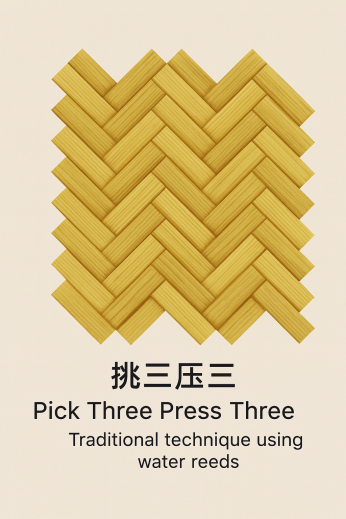
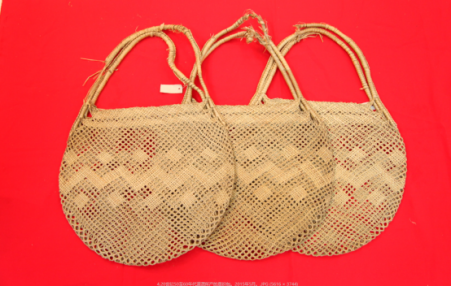
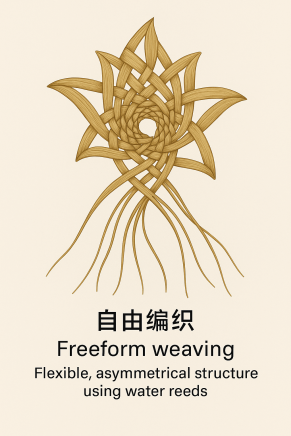
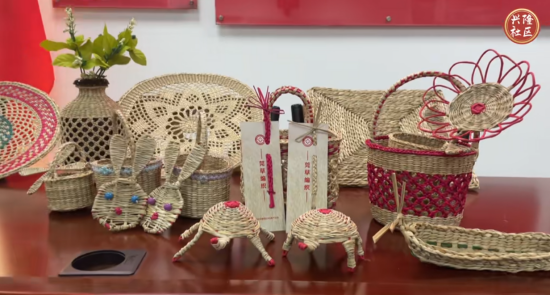
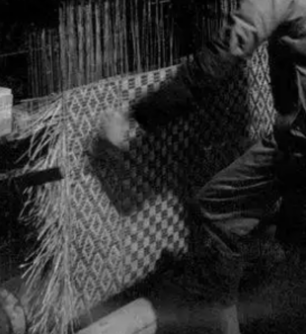
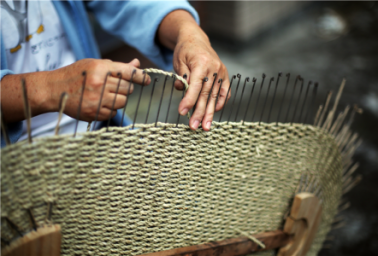
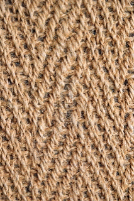
The coding process identified several core weaving techniques, including plain weave, diagonal weave, twining, and free weaving. These techniques were consistently linked to embodied cultural capital in the form of tacit knowledge and technical mastery. Senior inheritors emphasized that certain techniques, particularly diagonal weaving, require years of apprenticeship and cannot be easily transmitted through manuals or short-term training. This underscores how embodied capital is deeply embedded in practice.
Table 3 summarizes the coding results, showing how each technique was associated with distinct forms of cultural capital and how these practices contribute to sustaining the craft’s heritage value
This Table highlights the dynamic process by which weaving techniques serve as cultural capital, gain symbolic recognition, and achieve economic circulation. It demonstrates the adaptability of Guancao weaving in shifting cultural and economic contexts, validating Bourdieu’s theory of capital transformation.
Patterns and symbolic continuity
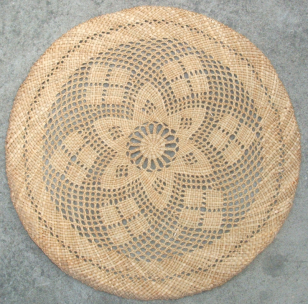
Beyond techniques, analysis highlighted the symbolic weight of recurring motifs, most notably the hui (回) pattern. This motif was frequently interpreted as a representation of continuity, harmony, and collective memory. Designers collaborating with artisans often reinterpreted these motifs for contemporary audiences, raising questions about cultural adaptation and symbolic transformation. as shown in Table 4.
Table 4 presents the main patterns identified in the coding process and their corresponding symbolic interpretations. It illustrates how traditional motifs function as carriers of symbolic capital, mediating between heritage values and modern design innovation.
Table 3 Classification of Guancao weaving techniques and pathways of capital transformation
Technique Category |
Structural Features |
Weaving Examples |
Functional and Aesthetic Value |
Capital Transformation Pathways |
Plain |
|
|
Durable, easy to maintain; modest aesthetics |
Cultural capital (technical foundation) → Economic capital (daily-use market) |
Diagonal |
|
|
Breathable, balanced geometric rhythm |
Cultural capital → Symbolic capital (identity of traditional craftsmanship) → Economic capital (cultural and creative products) |
Pick Weaving |
|
|
Layered effects, ornamental appeal |
Cultural capital (technical innovation) → Symbolic capital (artistic value) → Economic capital (high-end consumption) |
Freeform |
|
|
Uniqueness, expressive aesthetics |
Cultural capital → Symbolic capital (innovation) → Economic capital (exhibition and design market) |
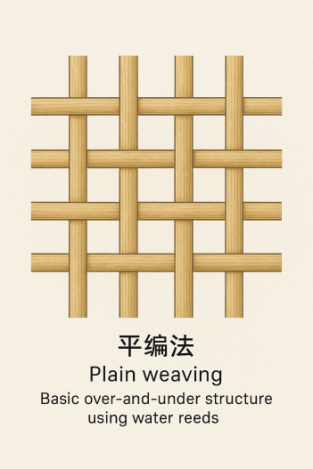
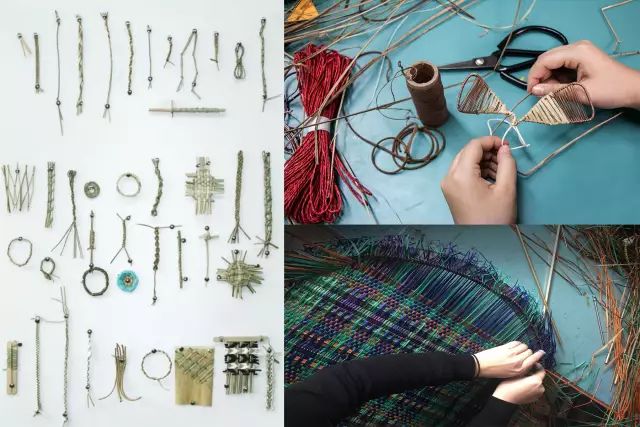
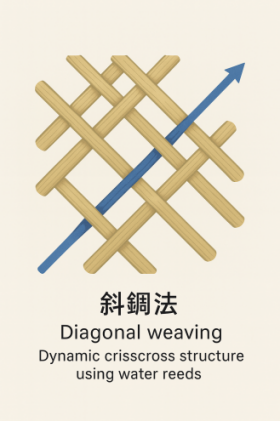
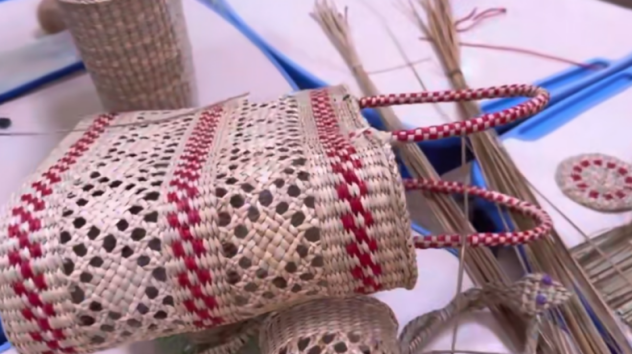
Note: Techniques were identified through interviews and field observations; capital transformation categories follow Bourdieu’s framework.
Weaving patterns as symbolic capital
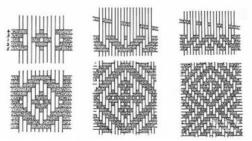
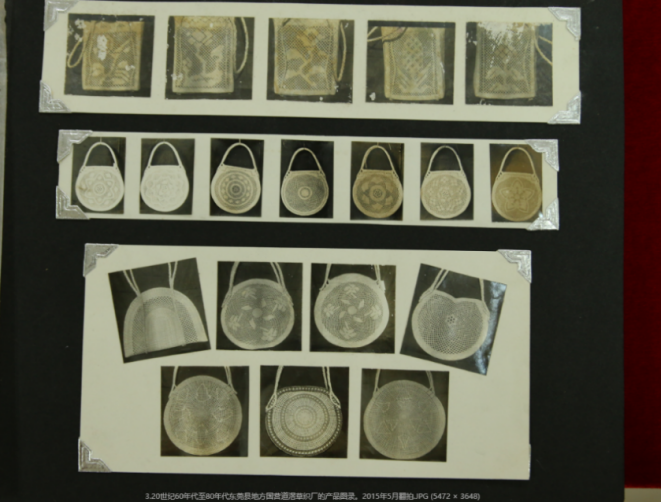
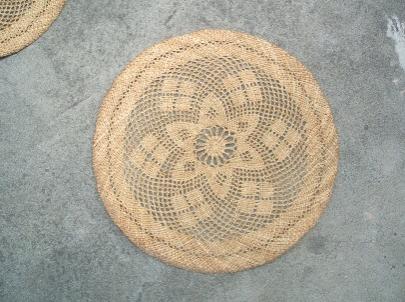
Guancao weaving features a rich variety of patterns, including geometric motifs (such as checkered and meander designs) that symbolize order and rationality, natural motifs (such as wave, tortoise-shell, and sun patterns) that convey vitality and blessings, as well as floral motifs representing auspiciousness and prosperity. These patterns function as key symbols of community memory, reinforcing collective identity in traditional society. In contemporary contexts, they have been reinterpreted through digital reproduction and design adaptation, entering the cultural and creative industries as a visual language with cross-cultural communicative power. Consequently, the symbolic capital embodied in these patterns is continuously reconstructed and acquires new value within market-oriented settings,as shown in Table 5.
Table 5 presents the main categories of Guancao weaving patterns and their symbolic meanings. Geometric motifs, such as meander and checkered designs, embody order and rationality, reinforcing cultural capital rooted in technical norms. Natural motifs, including wave and sun patterns, reflect ecological symbolism and community beliefs, thereby strengthening symbolic capital with cultural resonance. Floral motifs emphasize auspicious meanings derived from aesthetic traditions, while functional motifs, such as mesh and ventilation designs, highlight the practical wisdom accumulated from daily life.
These motifs illustrate how symbolic capital in Guancao weaving is continuously reconstructed across different cultural and social fields. When integrated into contemporary design and digital reproduction, the patterns are recontextualized to create economic value in home décor, cultural tourism, festive products, and consumer markets. This process demonstrates the fluid transformation of symbolic capital into economic capital, further evidencing the resilience and vitality of Guancao weaving under globalization.
Table 4 Extraction of patterns from Guancao weaving products
Pattern Name |
Motif |
Product |
hui motif (回) |
|
|
water-wave pattern |
|
|
spiral geometric pattern |
|
|



Note: Patterns were documented from product samples and analyzed through semiotic coding.
Product color and market transformation
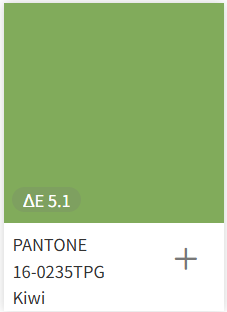
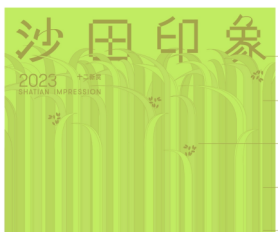
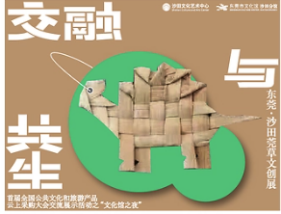
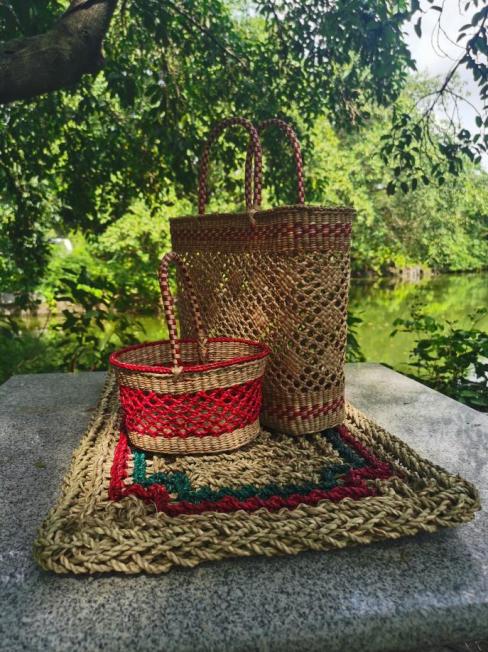
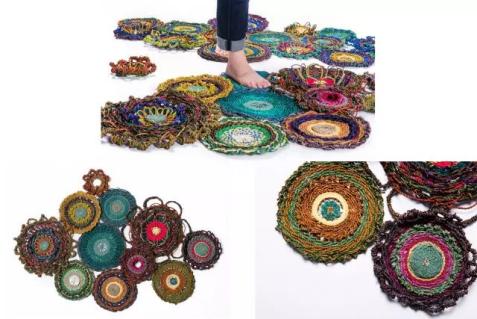
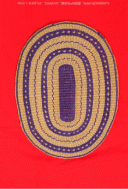
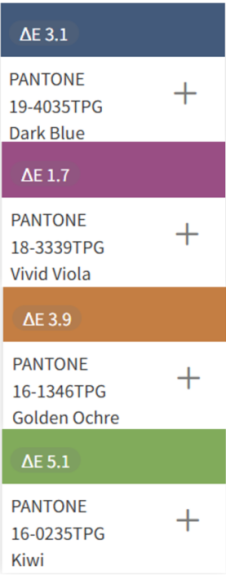
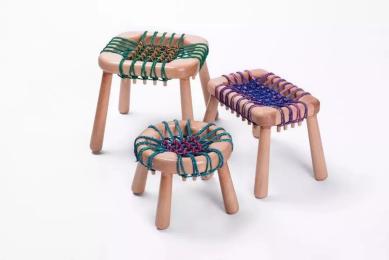
The color expression of Guancao weaving follows a multi-layered pathway of “natural–traditional–innovative.” Natural grass tones (green, light yellow, and brown) reflect ecological wisdom and material authenticity; plant-based dyes (such as cinnabar red, imperial yellow, and indigo) embody auspiciousness, authority, and spiritual symbolism; while contemporary design introduces gradients, bright hues, and metallic finishes to expand visual expressiveness and align with modern consumer aesthetics. Within the framework of field theory, color functions not only as an aesthetic device but also as a medium through which cultural capital adapts to the logic of the economic field, thereby enhancing the market value of Guancao weaving products,as shown in Table 6.
Table 6 illustrates the color strategies adopted in Guancao weaving and their corresponding pathways of capital transformation. The findings indicate that natural grass tones, such as cyan-green, spinach green, and terracotta brown, embody material authenticity and ecological wisdom, forming cultural capital that is transformed into economic capital in traditional consumer markets. Plant-based dyes, including cinnabar red, imperial yellow, and indigo, reflect ritual symbolism, auspicious meanings, and identity representation, thus strengthening symbolic capital before entering festival and cultural tourism markets. Contemporary innovative colors, achieved through gradients, bright hues, metallic finishes, and eco-dyeing techniques, expand the visual vocabulary of Guancao weaving. These strategies not only align with sustainable design principles but also generate new symbolic capital associated with green values, which is further converted into economic capital in sustainable and creative product markets.
Table 6 highlights how color functions as both an aesthetic element and a medium for cross-field capital transformation. By integrating traditional material authenticity with modern eco-conscious innovation, Guancao weaving demonstrates a dynamic adaptation mechanism that bridges cultural heritage preservation and contemporary market demand.
Table 5 Pattern categories and symbolic meanings in Guancao weaving
Pattern Category |
Representative Motifs |
Cultural Connotations |
Applied Products |
Design Illustration |
Capital Transformation Value |
Hui motif (回) |
Meander, checkered |
Order, rationality, continuity |
Mats, baskets |
|
Cultural capital (technical norms) → Symbolic capital (order and rationality) → Economic capital (home and craft markets) |
Natural Patterns |
Wave, sun, tortoise-shell |
Vitality, ecological belief |
Decorative Products |
|
Cultural capital (natural symbols) → Symbolic capital (ecology and belief) → Economic capital (cultural tourism market) |
Floral Patterns |
Petal, floral motifs |
Auspiciousness, prosperity |
Woven grass bags, decorative crafts |
|
Cultural capital (aesthetic traditions) → Symbolic capital (auspicious meanings) → Economic capital (festival and gift markets) |
Functional Patterns |
Mesh, ventilation designs |
Practical wisdom, labor knowledge |
Tools, utilitarian goods |
|
Cultural capital (life experience) → Symbolic capital (wisdom of labor) → Economic capital (daily consumer market) |
Note: Symbolic meanings were interpreted from interview data and cross-referenced with literature.
Table 6 Color strategies and capital transformation in Guancao Weaving
Color Category |
Source / Dyeing Method |
Reference |
Symbolic Meaning and Application |
Representative Applications |
Capital Transformation Value |
Natural Grass Tones |
Cyan-Green (Fresh Grass) Natural Grass Hue |
|
Ecological Wisdom; Logo and Graphic Design |
|
Cultural capital (material authenticity) → Symbolic capital (ecological wisdom) → Economic capital (traditional consumer markets) |
Spinach Green (Mature Grass) – Natural Hue |
|
Simplicity and Naturalness; Logo and Graphic Design |
|
||
Terracotta Brown (Dried Grass) |
|
Symbol of Diligence; Graphic Design and Various Guancao Products |
|
||
Plant-Based Dyes |
Cinnabar Red |
|
Auspiciousness and Purity; Guancao Cultural-Creative Products |
|
Cultural capital (traditional craftsmanship) → Symbolic capital (ritual and identity representation) → Economic capital (festival and cultural tourism markets) |
Imperial Yellow (Plant-Based Dye) |
|
Symbol of Authority; Guancao Cultural-Creative Products |
|
||
Indigo (Plant-Based Dye) |
|
Faith and Spirituality; Traditional Guancao Products |
|
||
Contemporary Innovative and Sustainable Colors |
Multicolor Combinations with Eco-Dyes and Chromatic Contrasts
|
|
Diversity, Sustainability, and Social Responsibility; Eco-Friendly Cultural-Creative and Green Brand Products |
|
Cultural capital (eco-conscious design) → Symbolic capital (green value recognition) → Economic capital (sustainable consumption markets) |






Note: Color categories were derived from product samples and validated through expert interviews.
Mechanisms of cross-field capital transformation
Through a comprehensive analysis of techniques, patterns, and colors, the study reveals the dynamic adaptive mechanisms of Guancao weaving across cultural, social, and economic fields. Techniques, as the core of cultural capital, embody the accumulation of traditional knowledge and craftsmanship, ensuring both the continuity of intangible heritage practices and the preservation of cultural foundations. Patterns, representing the constructive function of symbolic capital, not only embody collective memory within the community but also acquire renewed cultural identity and symbolic value in contemporary contexts.
Color functions as a crucial driver of economic capital transformation, where marketization and branding reframe traditional aesthetics into contemporary consumer value. Together with techniques and patterns, it forms an interdependent framework: techniques embody the cultural foundation, patterns consolidate symbolic identity, and colors enable pathways of market expansion and global communication. Rather than being eroded by modernization, Guancao weaving has regenerated vitality through the circulation and reconfiguration of capital across fields. This confirms the analytical strength of Bourdieu’s field theory and extends its application to intangible cultural heritage, offering insights for sustaining living traditions under globalization and sustainable development.
As illustrated in Figure 1, the arrows emphasize that capital flows are not linear but cyclical and mutually reinforcing. Cultural capital provides legitimacy for symbolic expression, symbolic capital facilitates economic conversion, and economic capital when reinvested returns to support cultural continuity. This feedback loop highlights how Guancao weaving negotiates the tension between tradition and innovation, demonstrating adaptive resilience in contemporary social and market environments.
Findings summary
This chapter analyzed Guancao weaving through three interrelated dimensions—techniques, patterns, and colors—to reveal how traditional practices adapt within contemporary contexts. Techniques embody accumulated knowledge and craftsmanship, forming the foundation of cultural capital that ensures heritage continuity. Patterns function as symbolic systems that preserve collective memory and social identity, while also gaining renewed relevance through cross-cultural communication and design innovation. Colors demonstrate how traditional aesthetics can be reconfigured as economic strategies, aligning heritage value with consumer preferences and cultural-creative industries. Collectively, these dimensions form a mutually reinforcing value network: techniques provide the cultural base, patterns consolidate symbolic identity, and colors drive adaptation to market and international platforms. This interaction illustrates that Guancao weaving has not been diminished by modernization but revitalized through cross-field circulation and the reproduction of cultural, symbolic, and economic capital.
Building on Bourdieu’s field theory, the analysis shows more explicitly how each dimension corresponds to a specific form of capital: techniques operate as cultural capital that is embodied and transmitted through skilled practice; patterns function as symbolic capital that gains authority and recognition through cultural narratives; and colors serve as a key site of economic capital, enabling market positioning, branding, and consumer-oriented innovation.
The findings further reveal that Guancao weaving adapts through ongoing “capital conversion,” wherein traditional techniques are transformed into market value via design innovation, symbolic motifs acquire new legitimacy in cultural industries, and color strategies translate aesthetic heritage into commercially viable products. These cross-field dynamics underscore the relevance of field theory for explaining how ICH practices navigate the boundaries between cultural preservation and economic adaptation.
These findings reaffirm the utility of Bourdieu’s field theory in explaining the adaptive mechanisms of intangible cultural heritage, while also advancing a novel three-dimensional framework of “techniques–patterns–colors” that uncovers the mechanisms of capital transformation across fields. The study contributes to ICH scholarship by addressing gaps in linking design innovation with market conversion and by offering insights into sustaining living traditions amid globalization, cultural creativity, and sustainability agendas. Yet the analysis also reveals tensions: the interplay of marketization, digital transformation, and cultural preservation generates opportunities as well as risks. These dynamics call for critical engagement, which the following Discussion develops by situating the findings within broader debates on field theory and sustainable development.
Discussion
This study demonstrates how Guancao weaving exemplifies the circulation and transformation of cultural, symbolic, and economic capital. By analyzing techniques, patterns, and colors, the findings reveal how a traditional craft simultaneously embodies embodied knowledge, collective identity, and adaptive strategies for market engagement. Yet the sustainability of this heritage depends not only on technical transmission but also on its ability to negotiate tensions between continuity and innovation.
Linking findings to wider scholarship
The decline in the number of inheritors underscores the fragility of embodied skills, echoing broader ICH challenges where intergenerational transmission is increasingly threatened (Wu, 2019). At the same time, the symbolic power of motifs such as the hui pattern illustrates how designs function as cultural capital that conveys continuity and belonging. This resonates with Zhang and Sun’s (2020) analysis of how color strategies reframe ritual meaning in contemporary markets. However, Guancao weaving moves beyond symbolic value by showing how technical expertise and aesthetic identity can be strategically combined to sustain relevance.
Heritage is increasingly recognized as dynamic, negotiated among communities, markets, and institutions (Smith, 2006; Cai, Huo, Zhang, & Wang, 2024). In the Guancao case, sustainable dyeing practices and AI-assisted modeling illustrate how traditional crafts engage with global debates on design ethics and innovation. Liu and Xu (2023) argue that digital revitalization can support ICH, provided it remains embedded in local practice. This aligns with Guancao weaving, where digital tools enhance visibility and reinterpretation but cannot replace artisanal skills.
Recent research adds nuance to these findings. Lian (2024) highlights immersive VR/AR exhibitions and standardized databases as tools for digital cultural heritage, while Shen (2021) cautions that over-digitization risks detaching crafts from embodied contexts. Guancao weaving reflects this tension: technology supports pattern reinterpretation and market adaptation, but continuity ultimately depends on embodied practice and local agency.
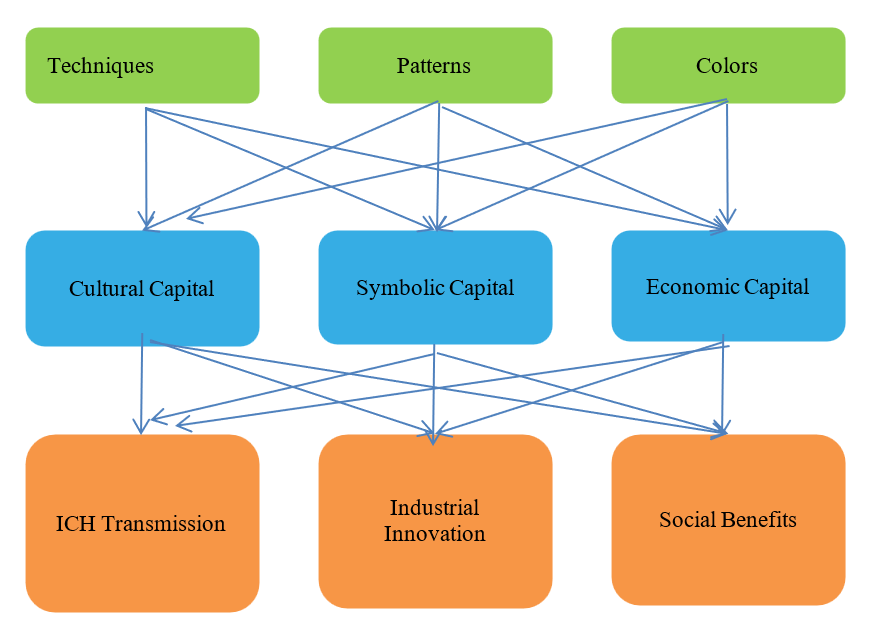
Figure 1 Model of capital transformation in Guancao Weaving.
Source: Author (2023–2025 fieldwork)
Cultural value and creative industries
Guancao weaving also illustrates the intersection of craft economies with creative industries. Comunian and England (2020) argue that sustainability requires balancing cultural value and market pressures. This duality is visible in Dongguan: design collaborations and cultural branding have enhanced symbolic and economic capital, but motifs risk commodification if detached from community contexts. The findings emphasize that cultural capital is not automatically convertible into economic value; rather, mediation through ethical design and community engagement is essential.
Sustainability further shapes these dynamics. Ratalewska (2024) shows how craft-based makers adopt circular economy principles to align heritage with ecological responsibility. In Guancao weaving, adapting traditional palettes for eco-friendly branding reflects this trend while also exposing tensions between environmental appeal and symbolic integrity. Likewise, Liu and Xu (2024)demonstrate that public perception plays a decisive role in ICH sustainability. The survey conducted here confirms this point: familiarity with Guancao weaving strongly influences its reception in contemporary design markets. Together, these findings highlight that Guancao weaving’s revitalization does not simply replicate global trends but negotiates a distinct balance between creative economy strategies, ecological design, and community identity.
Challenges and tensions
The findings underscore persistent tensions between modernization and heritage safeguarding. On the one hand, digital mediation and creative industry integration create opportunities for visibility and adaptation; on the other, they risk detaching craft knowledge from its embodied roots or diluting its symbolic meaning. This duality reflects the broader paradox of ICH in a globalized context: innovation is essential, but uncritical adoption of external logics can erode authenticity.
While recent scholarship has highlighted the potential of digital technologies and creative industries for safeguarding ICH, these perspectives often remain overly optimistic. Studies such as Lian (2024) emphasize the promise of VR/AR and virtual exhibitions but pay insufficient attention to how such platforms risk privileging visual spectacle over embodied skill. Similarly, discussions of creative industries (Comunian & England, 2020; Ratalewska, 2024) frequently assume that integration into market logics guarantees cultural sustainability. The evidence from Guancao weaving challenges these assumptions: digital mediation without artisanal participation accelerates decontextualization, while market adaptation without community agency leads to superficial branding and symbolic dilution. By foregrounding the interdependence of techniques, patterns, and colors, this study demonstrates that heritage revitalization requires more than technological adoption or market integration it depends on maintaining cultural depth and community-led innovation.
Theoretical implications
Applying Bourdieu’s field theory provides insight into how different forms of capital are transformed across fields. Techniques embody embodied cultural capital; patterns function as symbolic capital; and colors mediate economic capital through design and branding. Collectively, these dimensions reveal how craft practices participate in cross-field capital conversion, extending Bourdieu’s framework to ICH studies.
This research thus contributes to a growing body of scholarship that positions heritage not only as cultural symbolism but also as an active site of economic and social negotiation (Comunian & England, 2020; Liu & Xu, 2023). By articulating a three-dimensional framework, the study demonstrates how embodied skills, symbolic motifs, and market strategies are interdependent rather than isolated, offering a more integrated model for analyzing ICH transformation.
Policy and practice
The findings suggest that safeguarding strategies should move beyond preservationist policies or symbolic recognition. Instead, sustainable safeguarding requires environments where artisans, designers, and institutions collaborate to co-create pathways for innovation and continuity. Policy support should include financial incentives, craft–design incubators, and digital platforms that expand visibility while respecting cultural integrity.
In this sense, Guancao weaving provides a model for how intangible cultural heritage can remain relevant under globalization: by reinforcing traditional values through embodied practice, translating symbolic identity into cultural branding, and integrating sustainable design principles into market engagement. These strategies not only sustain the craft but also position it within broader debates on cultural sustainability and creative economy development.
Suggestions
In light of the findings, this study puts forward several suggestions for advancing the safeguarding and sustainable development of Guancao weaving:
Policy and institutional support
It is essential to further integrate Guancao weaving into heritage conservation frameworks and rural revitalization initiatives. Targeted funding and long-term institutional mechanisms can create a stable foundation for its transmission.
Community engagement and education
Strengthening the role of communities is key. Training programs, workshops, and school-based activities should be expanded to engage younger generations, enhance cultural identity, and consolidate social capital.
Design innovation and market development
Collaboration between artisans, designers, and enterprises should focus on translating traditional techniques into contemporary creative products. Exploring eco-friendly materials, fashion applications, and lifestyle-oriented markets will help expand the craft’s economic potential.
Digital empowerment
Digital technologies—such as AI-assisted design, 3D modeling, and online dissemination—should be utilized to document, reinterpret, and communicate Guancao weaving. These tools can extend its cultural reach and strengthen its position within global creative industries.
Sustainability orientation
Future development should embed sustainability principles, balancing ecological responsibility with cultural resilience. Through the adoption of green materials and circular design, Guancao weaving can achieve both cultural continuity and innovative vitality.
Global relevance and sustainable development goals
The findings of this study also carry broader implications when situated within the framework of the United Nations Sustainable Development Goals (SDGs). The revitalization of Guancao weaving contributes directly to SDG 11 (Sustainable Cities and Communities) by reinforcing local identity, strengthening community participation, and preserving cultural diversity in urbanizing contexts. At the same time, the adoption of eco-materials, plant-based dyes, and sustainable color strategies aligns with SDG 12 (Responsible Consumption and Production), demonstrating that intangible cultural heritage can play an active role in advancing environmentally responsible practices (see Figure 2). These outcomes show that ICH safeguarding is not limited to cultural preservation, but can also serve as a driver of sustainable innovation and ethical production.
Furthermore, the collaborative networks identified in this research—linking local artisans, designers, communities, and policy actors highlight the importance of partnerships. This resonates with SDG 17 (Partnerships for the Goals), which underscores the necessity of cross-sector and transnational cooperation for achieving sustainability. By positioning Guancao weaving within this global framework, the study bridges local craft practices with international agendas, reinforcing the role of ICH as both cultural resource and catalyst for sustainable development.
Figure 2 United Nations Sustainable Development Goal 11: Sustainable Cities and Communities
Source: United Nations, Sustainable Development Goals (2025)
Conclusion
This study systematically examined Guancao weaving as a representative case of intangible cultural heritage (ICH) through the integrated dimensions of techniques, patterns, and colors. Drawing upon Bourdie’s field theory, it analyzed the cross-field transformation of cultural, symbolic, and economic capital. The findings demonstrate that weaving techniques embody the cultural capital sustaining heritage continuity, patterns function as symbolic capital consolidating collective identity, and colors serve as pathways of economic capital through adaptation to contemporary consumer markets. Together, these three dimensions form a complementary value network that revitalizes Guancao weaving in the broader contexts of cultural preservation, community participation, and creative industry development.
The research advances the field in three significant ways. First, it contributes theoretical innovation by extending Bourdieu’s field theory into ICH studies, offering a three-dimensional analytical framework of “techniques–patterns–colors” that addresses the interaction between traditional practices and modern transformations. Second, it provides empirical depth by incorporating fieldwork and expert interviews, which capture authentic voices of practitioners, designers, and cultural inheritors, thereby grounding the findings in lived cultural realities. Third, it adds practical relevance by proposing a replicable pathway for ICH revitalization that integrates sustainable material innovation, AI-assisted design, and symbolic renewal, linking heritage safeguarding with rural revitalization and the creative economy.
Beyond the local context, the findings carry broader significance in relation to the United Nations Sustainable Development Goals (SDGs). Guancao weaving contributes to SDG 11 (Sustainable Cities and Communities) by reinforcing local identity and community participation, and to SDG 12 (Responsible Consumption and Production) through eco-materials, plant-based dyes, and sustainable color strategies. At the same time, it opens new opportunities for cross-cultural collaboration and knowledge-sharing in line with SDG 17 (Partnerships for the Goals).
Looking ahead, future research should extend this study through cross-regional comparisons, such as examining the Guangdong–Hong Kong–Macao region alongside Southeast Asia, employ quantitative methods to analyze consumer behavior and market adaptation, and explore the role of AI-driven platforms in enhancing symbolic renewal and global communication of ICH.
By situating Guancao weaving within both local traditions and global frameworks, this study contributes theoretical perspectives and practical pathways for the sustainable development and living transmission of traditional crafts in the era of globalization.
Acknowledgements
I would like to express my sincere gratitude to Assistant Professor Dr. Puvasa Ruangchewin, my supervisor, for her rigorous academic guidance and patient support throughout every stage of this study. Her encouragement has continuously motivated me to make progress in my academic journey.
I am also deeply grateful to the team members and intangible cultural heritage practitioners who supported me during the fieldwork on Guancao weaving. Their tireless efforts and generous sharing enabled this research to be firmly rooted in an authentic cultural context and to achieve more comprehensive and solid results.
Finally, I wish to extend my heartfelt thanks to my colleagues and friends who accompanied and encouraged me throughout this academic journey. Their support and care gave me the strength to persevere through difficulties and ultimately complete this research.
Declaration of generative AI in scientific writing
The authors used generative AI tools (e.g., ChatGPT) solely for proofreading and checking grammar. All content was carefully reviewed and approved by the authors, who take full responsibility for the accuracy and integrity of the manuscript.
CRediT author statement
Li Lin Lin: Conceptualization, Methodology, Investigation, Data curation, Formal analysis, Writing – original draft. Puvasa Ruangchewin: Supervision, Validation, Writing – review & editing.
References
Bourdieu, P. (1986). The forms of capital (pp. 241-258). In Richardson, J. (Ed.). Handbook of theory and research for the sociology of education. New York, NY: Greenwood.
Braun, V., & Clarke, V. (2006). Using thematic analysis in psychology. Qualitative Research in Psychology, 3(2), 77-101.
Cai, Y., Huo, J., Zhang, H., & Wang, L. (2024). Integration of bamboo weaving techniques and design aesthetics: Cultural capital transformation in Anji. Journal of Arts and Design Studies, 18(2), 55-68. [in Chinese]
Candy, L., & Edmonds, E. (2018). Practice-based research in the creative arts: Foundations and futures. Leonardo, 51(1), 63-69.
Comunian, R., & England, L. (2020). Creative and cultural work without filters: Covid-19 and exposed precarity in the creative economy. Cultural Trends, 29(2), 112-128.
Creswell, J. W., & Poth, C. N. (2018). Qualitative inquiry & research design: Choosing among five approaches (4th eds.). Thousand Oaks, CA: Sage.
Fuad-Luke, A. (2009). Design activism: Beautiful strangeness for a sustainable world. London, UK: Earthscan.
Hammersley, M., & Atkinson, P. (2007). Ethnography: Principles in practice (3rd eds.). London, UK: Routledge.
Li, W., Li, Z., & Kou, H. (2021). Social actor networks and the revitalization of Shengzhou bamboo weaving. Journal of Zhejiang Arts and Crafts, 14(3), 42-51. [in Chinese]
Li, W., & Yu, K. (2005). Cultural heritage protection in China: Legal frameworks and challenges. Heritage Studies, 9(2), 31-47. [in Chinese]
Lian, Y. (2024). Digital cultural heritage and immersive mediation: Emerging trends in VR/AR exhibitions. International Journal of Heritage Studies, 30(1), 77-94. https://doi.org/10.1080/13527258.2023.2269187
Lincoln, Y. S., & Guba, E. G. (1985). Naturalistic inquiry. Beverly Hills, CA: Sage.
Liu, Y., & Xu, H. (2023). Digital empowerment and sustainable safeguarding of intangible cultural heritage: Rethinking community participation. International Journal of Cultural Policy. Advance online publication.
Liu, Y., & Xu, H. (2024). Public perception and sustainable safeguarding of intangible cultural heritage: Development of a measurement scale. Sustainability, 16(5), 2147.
McDonough, W., & Braungart, M. (2002). Cradle to cradle: Remaking the way we make things. New York, NY: North Point Press.
Nosaka, T. (2016). Washi as intangible cultural heritage: Local practice and global recognition. International Journal of Intangible Heritage, 11, 36-49.
Papanek, V. (1971). Design for the real world: Human ecology and social change. New York, NY: Pantheon.
Ratalewska, M. (2024). Circular economy in craft-based creative industries: Opportunities and challenges. Journal of Cultural Economics, 48(2), 213-232.
Saldaña, J. (2016). The coding manual for qualitative researchers (3rd eds.). London, UK: Sage.
Shen, H. (2021). Information technology and the paradox of craft safeguarding in China. Asian Studies Review, 45(4), 599-617.
Smith, L. (2006). Uses of heritage. London, UK: Routledge.
Standing Committee of the National People’s Congress. (1982). Law of the People’s Republic of China on the Protection of Cultural Relics. Beijing, China: People’s Publishing House. [in Chinese]
Swartz, D. L. (1997). Culture and power: The sociology of Pierre Bourdieu. Chicago, IL: University of Chicago Press.
Tracy, S. J. (2010). Qualitative quality: Eight “big-tent” criteria for excellent qualitative research. Qualitative Inquiry, 16(10), 837-851.
UNESCO. (1972). Convention concerning the protection of the world cultural and natural heritage. Paris, France: UNESCO.
UNESCO. (2003). Convention for the safeguarding of the intangible cultural heritage. Paris, France: UNESCO.
Wu, X. (2019). Symbolic capital and collective memory: Pattern traditions in Chinese bamboo weaving. Journal of Chinese Folk Art Studies, 12(4), 77-95. [in Chinese]
Zhang, L., & Sun, J. (2020). Color strategies in traditional craft design: From ritual symbolism to market adaptation. Design Journal, 23(5), 701-720.
Zhang, Y. (2020). Digital empowerment and identity crisis in Huishan clay figurines. Folk Arts Review, 6(2), 41-53. [in Chinese]