
Asian
J.
Arts
Cult.
2026;
26(3):
100
Indigenous Culture and Sustainable Reinterpretation: Bidayuh Art and Symbolism in Contemporary Design Innovation as a Heritage Preservation Practice
Marzie Hatef Jalil* and Jane Eleen Alison
Faculty of Applied and Creative Arts, University Malaysia Sarawak, Sarawak 94300, Malaysia
(*Corresponding author’s e-mail: hjmarzie@unimas.my)
Received: 4 October 2025, Revised: 17 December 2025, Accepted: 18 December 2025, Published: 19 December 2025
Abstract
This study examines the cultural symbolism, material heritage, and contemporary relevance of Bidayuh traditional attire from Sarawak, Malaysia, with a focus on its potential adaptation into sustainable modern fashion. Although the findings are based on feedback from 146 respondents, primarily from Generation Z, this demographic focus offers insights into a key emerging consumer group but limits generalizability beyond this cohort. The research employs a mixed-methods approach involving field observations, semi-structured interviews with Bidayuh artisans and community leaders, and a structured survey. Sustainability within the design process was guided by criteria such as digital prototyping to minimise production waste, preference for low-impact materials, and prioritising cultural longevity through ethical co-creation with indigenous artisans. The study documents the symbolic and aesthetic characteristics of Bidayuh textiles and motifs, highlighting representations of nature, spirituality, and communal identity through beadwork and woven patterns. Building on these findings, six Bidayuh-inspired contemporary outfits were developed and evaluated for their cultural authenticity, aesthetic appeal, and wearability. Results indicate strong acceptance among Gen Z respondents for designs that balance heritage with modernity. While the limited sample range remains a constraint, the study contributes to discussions on indigenous fashion innovation, cultural preservation, and sustainable design practices. It positions Bidayuh cultural elements as a valuable yet underexplored resource for Malaysia’s creative economy. It identifies directions for future research, including broader demographic sampling and the evaluation of environmental impacts using measurable sustainability frameworks.
Keywords: Indigenous fashion, Cultural preservation, Sustainable design, Heritage-based innovation
Introduction and related research
Indigenous fashion has increasingly gained academic and commercial attention worldwide, as seen in the revival of Hanfu in China and contemporary Maya-inspired textiles in Latin America. These movements highlight how traditional attire can be adapted to reinforce identity, support artisanship, and contribute to sustainable fashion ecosystems. Yet, despite these global developments, the Bidayuh community of Sarawak remains comparatively underrepresented in scholarly discussions on indigenous design innovation. Traditional Bidayuh attire, often worn during festivals, harvest rituals, and communal ceremonies, embodies symbolic meanings related to protection, nature, spirituality, and social belonging (Campbell & Mikeng, 2019; Magiman & Salleh, 2017). However, rapid modernization, limited documentation, and reduced daily use of traditional dress have placed aspects of Bidayuh material culture at risk of being overlooked, misunderstood, or underutilized in contemporary fashion contexts. While studies have addressed Bidayuh history and craftsmanship, there is a notable research gap regarding how these cultural elements can be sustainably reinterpreted within modern fashion design without compromising artistic integrity. Bidayuh traditional attire holds significant cultural value yet has received little systematic exploration in contemporary design research, particularly regarding sustainable fashion adaptation, cultural authenticity, and youth consumer perceptions. To address this gap, the study pursues three objectives: to document the symbolic meanings and aesthetic characteristics of Bidayuh traditional attire through field research and expert interviews, to develop contemporary fashion designs inspired by Bidayuh cultural elements using sustainability-oriented design criteria and finally to evaluate the perceptions of young consumers regarding the authenticity, wearability, and appeal of Bidayuh-inspired modern outfits, and to compare these findings with insights from global indigenous fashion movements. This research contributes by documenting Bidayuh symbolism, materials, and design elements through interviews and field observations; applying sustainable design principles to develop six contemporary clothing designs; evaluating youth perceptions of authenticity, wearability, and aesthetic appeal; and comparing findings to global indigenous fashion trends to contextualize Bidayuh fashion within broader theoretical discussions. Through this approach, the study bridges cultural analysis, sustainable design, and contemporary fashion innovation for an understudied indigenous community.
By examining the mentioned objectives, the research provides a foundation for understanding how Bidayuh cultural heritage can inform sustainable fashion innovation. It also contributes to the broader discourse on cultural preservation through design, highlighting opportunities for indigenous collaboration, the development of the creative economy, and respectful reinterpretation in the era of modern fashion. This review identifies several key gaps, such as a lack of scholarly engagement with Bidayuh fashion innovation compared to the extensive literature on other indigenous attire, as well as, insufficient contemporary analysis of symbolism, materials, and craft techniques limit their translation into modern fashion, and the absence of sustainability-oriented frameworks in existing Bidayuh cultural studies, despite the growing global emphasis on eco-fashion. Addressing this gap is crucial for several reasons, and without contemporary reinterpretation, Bidayuh attire risks diminished visibility among younger generations. Moreover, sustainable, culturally respectful adaptation promotes artisan livelihoods and prevents cultural appropriation as follows.
Studies on ethnic/indigenous attire in design
Traditional costumes and folklore are essential parts of cultural heritage. They express the values, beliefs, and skills passed down through generations (Le et al., 2024). These costumes are more than just clothes; they are cultural artifacts that represent a community’s unique identity and showcase its craftsmanship (Gu et al., 2021). However, as Gu et al. (2021) point out, simply adding traditional clothing patterns and shapes to modern designs does not guarantee appealing results. While staying true to tradition is critical for preserving cultural heritage, attracting a broader market is also essential to keep traditional practices relevant today (Le et al., 2024). This challenge requires modern designers to strike a balance, respecting and preserving historical elements while also incorporating new ideas that resonate with today’s consumers (Jalil et al., 2024b). To tackle this issue, many designers have devised inventive strategies that involve breaking down, reshaping, and combining key aspects of traditional garments with modern materials, updated manufacturing techniques, and current fashion trends. This approach generates new interpretations that respect traditional craftsmanship while catering to modern tastes (Le et al., 2024; Jalil et al., 2024b). Recent studies have shown that traditional culture is not merely a backdrop; it is a significant source of inspiration for modern textile and fashion design (Hwui & Jalil, 2025; Chen & Suwanthada, 2024; Yao et al., 2024). These innovative pieces demonstrate how designers reinterpret cultural symbols, clothing styles, and beliefs to create new wearable identities that blend tradition with modernity. As Lu (2016) noted, this reimagining yields exciting and original expressions that respect the legacy of traditional craftsmanship while catering to today’s tastes and values.
Gao and Yezhova (2023) proposed three ways to blend tradition with modern fashion. The first method involves refreshing classic styles by presenting old clothing designs from a new perspective. This means focusing on traditional shapes, structures, and patterns and adapting them to fit today’s fashion. The second method breathes new life into cultural heritage. It focuses on understanding what makes traditional garments special and mixing that with modern styles to create clothing suitable for current lifestyles. The third method utilizes digital technology to create engaging and informative experiences. This helps younger audiences connect with traditional clothing styles and customs, making them more relevant in today’s world. Hartono et al. (2025) investigated the impact of local landmarks and natural resources on the design of Lampung tapis cloth, achieving simplification and color enhancement while preserving tradition. Technological advancements have improved traditional crafting methods (Gao & Yezhova, 2023). For instance, Jalil et al. (2024a) examined how laser cutting can incorporate the Orang Ulu motif into modern ethnic garments produced by small businesses in Sarawak. Their research demonstrated that traditional designs can be effectively integrated into contemporary fashion, while also helping to preserve culture and appeal to the market. Le et al. (2024) examined the influence of the Nhat Binh robe on sustainable fashion in Vietnam. Their work emphasizes that co-design, which involves collaboration among designers, artisans, and consumers, is vital for combining cultural elements with modern needs. Specific details, such as dried wildflowers (Le et al., 2024) or the dragon motif from Slavic mythology (Yakymchuk et al., 2017), can inspire the creation of new collections. It is crucial to collaborate with artisans and cultural experts to ensure sensitivity and authenticity (Jalil et al., 2024b). Through collaboration, designers can honor and accurately represent cultural symbols and traditions, creating a meaningful link between the past and the present.
Recent research by Yao et al. (2024) highlights that traditional Hanfu clothing is characterized by its distinctive textiles, vibrant symbols, and intricate motifs, which are now being reimagined in contemporary designs. The study reveals that as designers update these historical garments, they strive to preserve the essence of Hanfu while incorporating modern elements. In another study, Gao et al. (2023) found that well-known designers, both prominent Chinese fashion houses and international brands, are increasingly integrating traditional Chinese symbols and motifs into their contemporary lines. Additionally, Ma and Bian (2020) explored contemporary Chinese-themed fashion design and introduced the interesting idea of aesthetic distance. They stressed the importance of intangible cultural resources, including spiritual values, ancient philosophies, and symbolic meanings. Their research investigated several key design concepts: design form, which seeks to balance modernity with traditional respect; design confirmation, which aims for a coherent unity of form and spirit; and design motivation, which draws on ancient Yin-Yang philosophy and the five elements. This comprehensive approach often yields minimalist, abstract designs that reflect cultural balance, as noted in Chen and Suwanthada’s (2024) findings.
Research by Kong et al. (2024) reveals a notable trend of blending Li ethnic clothing with modern fashion techniques. This adaptation features customized design elements that respect and preserve Li cultural traits. This research has led to innovative applications of Li brocade designs and materials, ensuring that new interpretations accurately reflect the rich cultural heritage of the Li community. Furthermore, Chen and Suwanthada (2024) focus on how Qiang clothing elements are adapted into modern items, such as dinnerware and keychains, especially in the culturally rich Maoxian region. Their design approach emphasizes collaborating with the Qiang community, honoring their cultural heritage while effectively updating historical elements to suit contemporary audiences. Additionally, a study by Khodary et al. (2025) examines the lasting influence of ancient Maya and Aztec civilizations on modern textile printing and fashion (Khodary et al., 2025). This highlights the ongoing significance of historical cultural elements as essential sources of stylistic and symbolic inspiration. Overall, these examples clearly demonstrate how traditional craftsmanship and artistic elements are increasingly woven into modern designs worldwide. Successfully balancing respect for historical context with contemporary styles and practical requirements often requires collaboration, cultural sensitivity, and innovative design choices. Designers must thoughtfully consider usability, production costs, and the risk of cultural appropriation to ensure a respectful and sustainable integration. The aim remains to create products that resonate with today’s consumers while preserving and honoring cultural importance.
Hartono et al. (2025) highlighted how the motifs of Lampung’s tapis cloth have been modified through simplification and the incorporation of elements inspired by local landmarks and natural resources, such as pepper, coffee, and banana plants. Their research suggests that incorporating such motifs preserves traditional aesthetics and enriches cultural products with vibrant colors and a contemporary appeal. Similarly, Jalil et al. (2024b) studied the adaptation of Orang Ulu motifs in Sarawak, Malaysia. They demonstrate how small and medium-sized enterprises (SMEs) skillfully integrate traditional designs into modern ethnic clothing. This approach serves a dual purpose: preserving heritage and ensuring economic viability in today’s markets. Other studies emphasize the importance of traditional materials and practices for maintaining cultural heritage. Utomo et al. (2024) investigate the significance of barkcloth traditions in a globalized world, focusing on the creation of ready-to-use barkcloth to maintain the relevance of cultural practices. Together, these studies illustrate that indigenous and traditional cultures offer a rich source of inspiration for innovation in today’s fashion industry. They outline various approaches, from reinterpreting motifs to adapting materials and conceptual frameworks, to help maintain cultural identity within modern design. While significant attention has been given to cultures like those of the Lampung, Orang Ulu, Vietnamese, Chinese, Maya, and Aztecs, research on the Bidayuh community in Sarawak remains limited. This gap presents an opportunity to examine how Bidayuh clothing, renowned for its distinctive motifs, intricate beadwork, and traditional weaving techniques, can be creatively integrated into contemporary fashion, thereby supporting both cultural preservation and discussions about sustainable, identity-driven design. These global movements provide essential frameworks for understanding how indigenous identity, youth engagement, and sustainability intersect. However, unlike studies of Hanfu or Maya, which are supported by extensive literature, research on Bidayuh fashion innovation remains limited, fragmented, and insufficiently theorized.
Bidayuh traditional style and craft
Handicrafts and ethnic goods are examples of cultural items deeply ingrained in communities’ generational customs (Kumphai, 2000). Due to their unique characteristics, which serve as cultural symbols, these products have considerable potential (Wherry, 2004). Both domestic and foreign tourists interested in historical significance, cultural depth, and aesthetic experiences are drawn to them. Weaving is a traditional craft that creates intricate designs by combining materials such as bamboo, rattan, and other natural fibers. As the primary material used to create a vast array of woven objects with distinct functions, rattan is essential to the daily existence and cultural customs of the Bidayuh community. The kasah (mat) and juwah (baskets) are two examples of woven items necessary for farming, harvesting, storing rice, gathering produce, and ceremonial occasions, especially during gawai celebrations (Teo et al., 2024). These crafts are a legacy passed down through generations and a symbol of the community’s pride in its culture. Although there has been a global increase in interest in indigenous clothing and its incorporation into modern fashion, little research has examined Bidayuh clothing as a source of inspiration for contemporary design. Instead of exploring how these customs influence design innovation, current research on Sarawak’s indigenous communities often focuses on cultural documentation, rituals, or handicrafts. As a result, there is a significant gap in scholarly work analyzing how Bidayuh motifs, weaving methods, and symbolic clothing can be adapted into contemporary fashion items. Filling this gap is crucial not only for enhancing design scholarship but also for emphasizing the Bidayuh community’s cultural heritage within broader discussions of sustainable and culturally informed fashion.
Existing studies on Bidayuh culture primarily focus on anthropology and folklore rather than design research. Scholars have documented beadwork, bamboo weaving, and ceremonial attire (Campbell & Mikeng, 2019; Magiman & Salleh, 2017), noting motifs associated with protection, fertility, nature, and spiritual guardianship. Yet, these works do not explain how such elements can be translated into modern apparel, nor do they provide frameworks for evaluating cultural authenticity or sustainability in fashion design. Furthermore, earlier sources, while foundational, are outdated and insufficient to inform contemporary fashion discourse, which now prioritizes ethical production, circularity, and culturally respectful design practices (Jalil, 2022). To address the fragmented nature of Bidayuh-related literature, this review synthesizes insights through three key themes frequently discussed in global indigenous fashion scholarship:
Symbolism and Cultural Meaning. Researchers emphasize that indigenous garments communicate identity, community values, and cosmological beliefs (Jalil et al., 2024a). While symbolism in Hanfu or Maya textiles is well documented, as discussed earlier, Bidayuh motifs such as frogs, rhombi, and geometric bands lack contemporary interpretive analysis. This gap limits designers’ ability to make culturally grounded decisions when reinterpreting heritage motifs.
Materials, Craftsmanship, and Sustainability. Global case studies highlight the importance of ethically sourced materials, artisan collaboration, and preservation of traditional craft skills. Orang Ulu weaving, for instance, has been successfully revitalized through community–designer partnerships that support sustainable livelihoods (Jalil et al., 2024b). In contrast, Bidayuh materials such as rattan, bamboo, and beadwork remain underexplored in sustainable design research despite their ecological relevance.
Fashion Adaptation Strategies. Studies on Hanfu and Maya-inspired fashion propose frameworks such as motif abstraction, silhouette hybridization, color reinterpretation, and co-creation with artisans (Yao et al. 2024). However, these adaptation tactics have not been systematically applied to Bidayuh attire. As a result, there is limited guidance for transforming traditional elements into modern, culturally respectful, and commercially viable designs.
Methodology
To examine the potential incorporation of Bidayuh traditional clothing into contemporary fashion design, this study employed a mixed-method design that combined qualitative and quantitative techniques. While the quantitative component assessed consumer attitudes and acceptance of fashion items influenced by Bidayuh culture, the qualitative component sought to record traditional practices and cultural insights. The combination of these methodologies enabled a thorough investigation of the cultural significance and commercial feasibility of these designs. The study involved five main participant groups: (1) Bidayuh artisans are skilled in traditional weaving, beadwork, and garment construction, (2) cultural experts and elders who contributed knowledge of historical context and symbolism, (3) local community members who shared perspectives on cultural identity and everyday customs, (4) fashion designers responsible for translating cultural elements into contemporary design; and (5) potential consumers who engage with culturally influenced fashion. For the qualitative phase, six key informants were selected using purposive sampling. These included two master Bidayuh weavers with extensive experience in traditional textile and garment production, one community elder recognized for their knowledge of cultural symbolism and ceremonial dress, and three culture-based clothing designers involved in adapting indigenous motifs into contemporary fashion. Selection criteria included a minimum of five years of professional or cultural experience and direct involvement with Bidayuh traditional clothing, cultural heritage, or indigenous-inspired fashion design. This sampling strategy ensured informed, diverse, and culturally grounded insights despite the small sample size.
Data collection
Four main techniques were used to collect data.
(1) Field Observations: Fieldwork was carried out in six Bidayuh villages in Bau, Sarawak, Malaysia, from January to April 2025. Observations focused on clothing construction processes, traditional motifs, dyeing methods, and ceremonial practices. Sketches and photographic documentation supported these observations.
(2) Semi-Structured Interviews: Interviews were conducted with six selected artisans and designers to document stories related to motif creation, cultural symbolism, materials, and adaptation strategies. This method enabled the researcher to gain in-depth cultural and design insights that complemented the observational data.
(3) Design Process Integration: The research incorporated practice-based design exploration to experiment with adapting Bidayuh motifs into contemporary prototypes. This iterative design process helped evaluate opportunities and constraints relating to sustainability, aesthetics, and cultural authenticity.
(4) A consumer survey was administered to 215 individuals in June 2025, but it just considered 146 Generation Z respondents. Respondents were selected through simple random sampling from a student mailing list using a random-number generator, ensuring equal chances of selection. The survey employed a 5-point Likert scale to measure three key constructs: (i) aesthetic appeal, assessing participants’ perception of design attractiveness; (ii) perceived cultural authenticity, evaluating whether designs reflected Bidayuh colours and motifs accurately; and (iii) wearability intent, gauging the likelihood of respondents wearing or purchasing the fashion items. This approach provided quantitative insights into consumer attitudes and acceptance of culturally influenced fashion. The survey comprised three sections. The first section screened participants by age to ensure relevance to the target demographic. The second section assessed general impressions of the collection, focusing on appreciation of traditional Bidayuh color palettes and perceptions of cultural authenticity within modern design. The final section evaluated specific outfits, asking respondents to identify the most fashionable design, the most practical option for daily streetwear, and the outfit that best balanced traditional heritage with contemporary cuts. This instrument enabled a focused assessment of cultural representation, aesthetic appeal, and wearability from a youth consumer perspective.
Should not that, to address potential confirmation bias, particularly in the interpretation of survey responses and design evaluations, several mitigation strategies were applied. Firstly, initial sketches were assessed by an independent cultural expert who was not involved in the development process. His feedback reduced the likelihood of researcher-led interpretation bias. In addition, the consumer survey, involving 146 Generation Z participants, was administered anonymously and online, which meant there was no need to retain email addresses, ensuring respondents felt no pressure to provide favourable or expected answers. This approach helped maintain authenticity and neutrality in their evaluation of the designs. Findings from the quantitative survey were cross-checked with qualitative insights from artisan interviews, expert consultations, and field observations. This triangulation ensured that interpretations were supported by multiple independent data sources rather than a single viewpoint. And finally, the researchers maintained a reflective log throughout the study, documenting assumptions, emerging biases, and decisions made during analysis. This practice improved transparency and minimized unintentional influence on data interpretation.
Data analysis
Qualitative data from observations and interviews were analysed using thematic analysis, which enabled the identification of recurring themes such as symbolism, materials, sustainability practices, and adaptation strategies. These themes guided the interpretation of cultural meaning and informed decisions made in prototype development. Quantitative data from the questionnaire were analysed using descriptive statistics alongside additional techniques to strengthen the depth of analysis. These included cross-tabulation to examine relationships, ranking analysis of preferred motifs and design elements, and thematic interpretation of open-ended responses. Together, these methods provided a robust framework for understanding both cultural foundations and consumer perspectives in the development of Bidayuh-inspired contemporary fashion.
Results
Characteristics of Bidayuh attire through the interview
Clothing items for men and women
All six interviewees noted that garments made by the Bidayuh community are commonly crafted from a soft, medium-quality, and easy-to-sew fabric, as shown in Table 1. As I2 stated, “The traditional bojuh boyuh (male clothing), which was historically made from the bark of the boyuh tree, has become increasingly rare due to the limited availability of the tree. In the past, the bark was pounded into a thin sheet to create simple garments. Still, as fabric became more accessible, it gradually replaced bark as the primary material for Bidayuh attire. Pangieh (beaded necklaces) and sombon (three-layer glass bead necklaces) are essential traditional accessories for Bidayuh women, consistently emphasized by I1 and I4. The significance of silver belts, known as porik, was noted by I1, who stated that they are expensive and thus seldom worn in modern times. Bracelets made from Jaka’ (a yellow vine from wild orchids) and sitotoh (rattan) are traditional and appealing, as underscored by I3. Jumuo, particularly jumuo simongi, is used in gawai rituals to carry the spirit of the paddy, as referenced by I1. Gronung (brass bells) and coins are included as decorative accessories, usually worn on the legs or under clothing, as explained by I2. I5 also discussed the subuoy (a rattan item used to hold spirit offerings) and the pimulang (a male cross-body accessory) used in rituals. Additionally, they mentioned bracelets worn on men’s wrists or ankles, which women do not wear. Additionally, I1 pointed out that only women are permitted to wear bear claws, which symbolize coolness, whereas wild boar tusks are avoided because of their aggressive (“hot”) symbolism. The traditional costume for Bidayuh women includes a jipo (shirt) that can be short-sleeved or sleeveless, paired with a jomuh (skirt), often adorned with accessories such as a selapai (shawl), pangiah (beaded necklace), porik (copper/metal belt), and sipiah (headgear).
Table 1 Uniqueness of the Bidayuh costume and its profile (source: researchers’ observation during the visits)
Female Costume |
||||
Bojuh Borih |
Jomuh |
Selampai |
Sipiah |
|
|
|
|
|
|
Male Costume |
||||
Bojuh Boyuh |
Bulang |
|||
|
|
|||
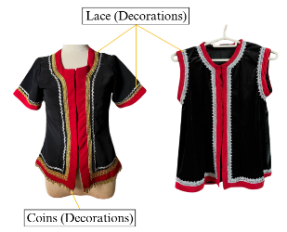
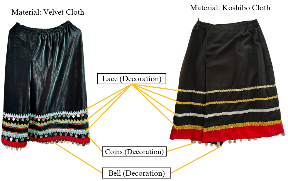

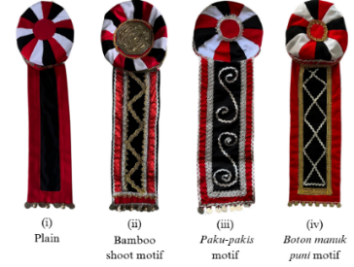
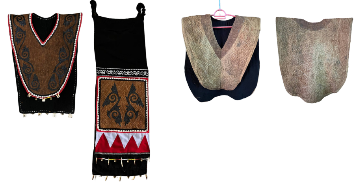
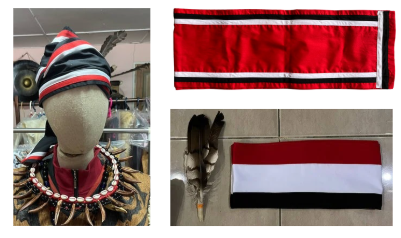
The sipiah is crafted in three colors, black, red, and white, and decorated with beads, sequins, and silver coins. The skirt is usually made from black satin and features a red sash, while waist adornments may include a silver belt. The male attire consists of a jipo boyuh (sleeveless vest) made from tree bark, a necklace of bear teeth, and sigah (headgear), a square piece of fabric folded into various shapes depending on the wearer’s region. Specific attire is designated for warriors, and during the kitua gawai, it highlights their unique roles within the community. Interview respondents agreed that ready-to-wear clothing inspired by Bidayuh art and culture, encompassing colors, motifs, patterns, and styles referred to as Bidayuh Modern Attire (BMA), is a crucial aspect of their cultural and historical heritage. These garments must serve various purposes, including protection, identification, symbolism, historical documentation, and aesthetic value.
Colours, motifs, and their symbolic meanings
All interviewees stated that there are four primary colors recognized in Bidayuh culture: black, red, white, and yellow. All respondents concurred that white embodies purity, cleanliness, or spiritual sacredness within Bidayuh traditions; red is linked to bravery and courage, often symbolizing strength and boldness in overcoming challenges; black is perceived as a representation of strength and mysticism, playing a crucial role in Bidayuh identity; yellow is utilized to enhance and brighten garments. However, I1 pointed out that yellow also signifies the color of ripe paddy grains harvested during the harvest season. I3 contributed a historical perspective, noting that the prevalence of black and red fabrics arose from trade with Chinese merchants and from practical factors such as resistance to stains, which influenced color selection. I5 elaborated that modern variations, such as orange and brown, have evolved by blending traditional colors, signifying a progression in cultural expression while retaining their symbolic foundations.
As shown in Table 2, the boton manuk puni (pigeon eye motif) is acknowledged by all interviewees as a distinct Bidayuh design typically found in women’s clothing, woven artifacts, and baskets. The pucuk rebung or umung (bamboo shoot motif) is frequently referenced and is a deeply ingrained pattern within Bidayuh identity, mentioned by the same six interviewees, often appearing on garments and accessories. The paku-pakis (fern motif) is also widely recognized by I4 as symbolizing the Bidayuh’s connection to nature and is used in clothing and headgear, such as the sipiah rojak dien, which resembles bamboo shoots (tall, sharp, and narrow), and is referenced by Vincent as traditional designs used explicitly in bracelets. The bamboo leaf pattern, highlighted by I3 and I2, is another nature-themed motif found on items such as the sirubuok (coin holder) and on public features such as the Kuching Waterfront mosaics, with I5 underscoring its importance in representing Bidayuh identity. Floral and fish motifs, introduced by Larry, exemplify the traditional lifestyle and environment of the Bidayuh, with flowers symbolizing beauty and fish denoting a primary source of food. Geometric and minimalist designs, as emphasized by I2 and I5, are also incorporated into the Bidayuh design aesthetic, often prioritizing simplicity and color over intricate carving. Distinctive cultural motifs, such as inyok babu (rat’s footprints), found on kasah (mats) and the silhouette of the baruk, are described by I3 as significant and versatile symbols of Bidayuh heritage. I4 further emphasizes how external influences from Iban, Malay, and Chinese cultures have shaped Bidayuh aesthetics through trade, particularly in the use of fabric and beads.
An experimental procedure was conducted based on the chosen fabric design to investigate and assess various Bidayuh art techniques for motif creation. This phase of the research aimed to examine the practical uses of design methods that could best capture the desired aesthetic while ensuring the final product’s durability and quality. The sustainable methods were explored, including appliqué, patchwork, cut-out technique, beading, hand embroidery, machine embroidery, and block stamp printing, as detailed in Table 2. To strengthen the assessment of cultural suitability in the design outcomes, a Cultural Appropriateness Evaluation Framework (Walker et al., 2023) was incorporated into the study. This framework draws on three established principles. First, authenticity principles, which are adapted from indigenous design ethics, ensure that cultural motifs are represented accurately and that symbolic meanings are not distorted. Design intentions align with traditional contexts shared by Bidayuh artisans and elders. This principal guides decisions on which motifs can be adapted and which should remain restricted for ceremonial use. Following that is the respectful adaptation model, which is based on culturally sensitive design guidelines. This model evaluates how traditional elements are modified in modern fashion. It assesses whether adaptations maintain cultural significance, whether the design avoids over-simplification or misrepresentation, and the level of involvement and approval from cultural knowledge holders. The third one is cultural–aesthetic balance criteria, which examines the relationship between cultural meaning and contemporary fashion aesthetics. Each prototype is evaluated in terms of balance between traditional symbolism and modern silhouette, integration of colours, materials, and patterns that reflect cultural roots, and consumer appeal without compromising cultural respect (Walker et al., 2023). This framework provided a structured and rigorous approach to assessing cultural appropriateness and ensuring that the final prototypes aligned with both community values and contemporary fashion expectations.
Design application
A comprehensive examination of the decorative aspects and color schemes of Bidayuh attire was performed (Chen & Suwanthada, 2024). In the preliminary phase of the design process, Bidayuh colors, motifs, wearing styles, and pattern elements were categorized and analyzed, as investigated in the last section. The acquired information was subsequently refined, implemented, and reimagined using contemporary and sustainable design methods. In the initial design stages, the first version of sketches was produced, condensed, and organized. These designs were combined with Bidayuh motifs and colors to ensure a strong connection to Bidayuh heritage. A range of design solutions was generated to attract consumers by emphasizing their aesthetic appeal, functionality, and authentic value. The design process for Bidayuh clothing follows a systematic, iterative pathway that combines cultural inspiration, creative exploration, and practical assessment. This structured approach ensures that the final products are not only visually appealing but also embody a strong sense of cultural identity and significance to the community. It all begins with Inspiration, where the Bidayuh community’s rich cultural background serves as the foundation. Traditional garments, motifs, traditional methods, and accessories associated with significant cultural occasions serve as identity markers from which design ideas are derived. This phase emphasizes the importance of cultural preservation, ensuring that the essence of Bidayuh heritage is present in modern interpretations of their traditional attire. Building on this inspiration, designers move to the concept design stage. Here, cultural elements are transformed into initial themes and visual concepts. For Bidayuh attire, this could involve incorporating symbolic colors and patterns derived from traditional beadwork and weaving techniques. This conceptual exploration aims to strike a balance between heritage values and modern practicality.
Table 2 Bidayuh motifs, traditional techniques, and traditional handicrafts from site visits



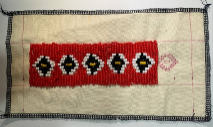

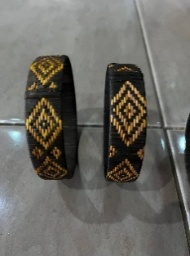



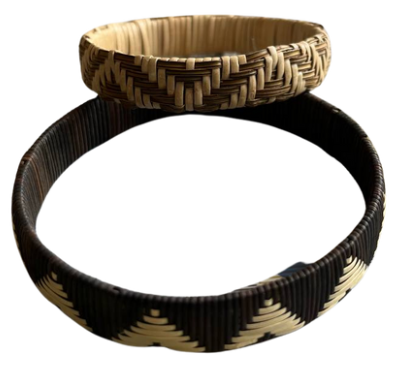







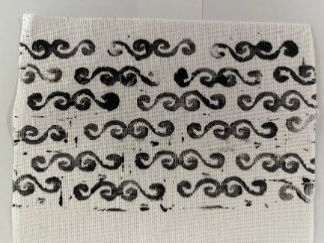






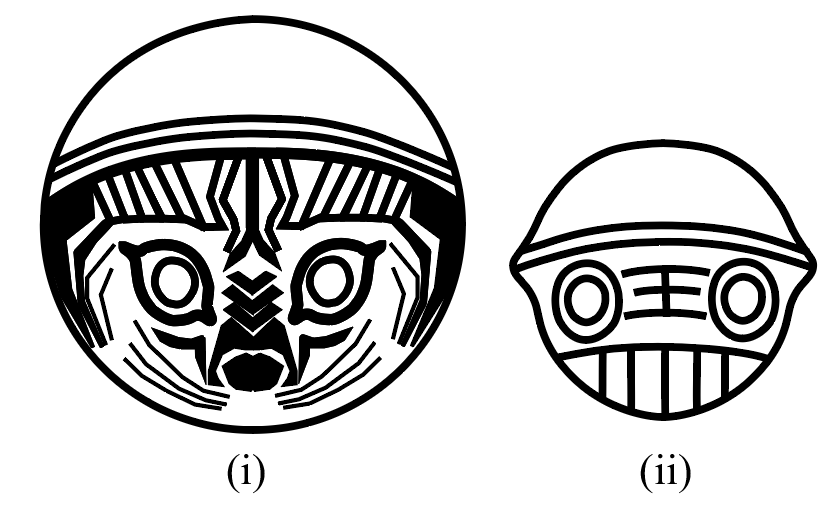
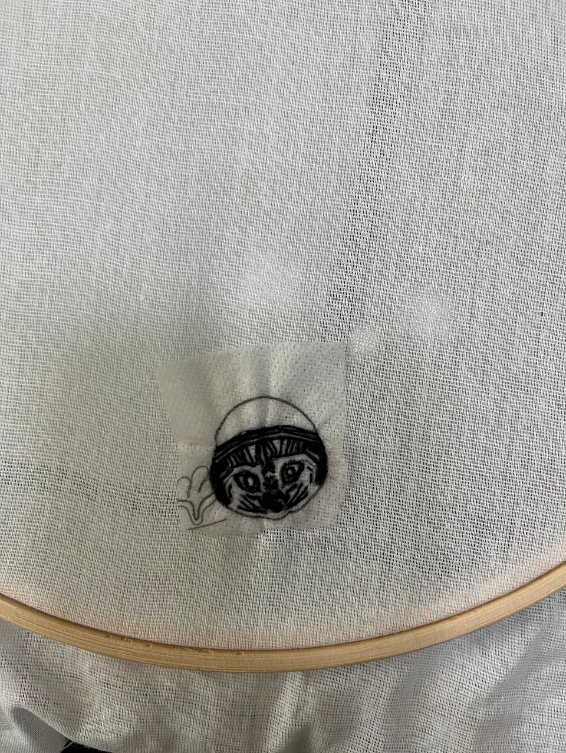
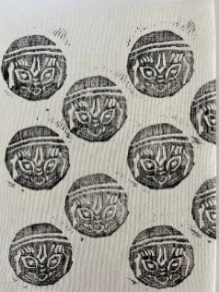





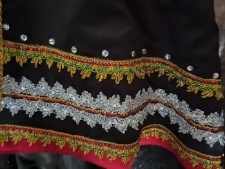

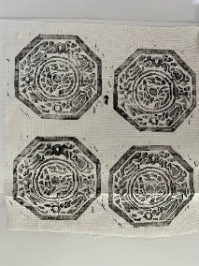
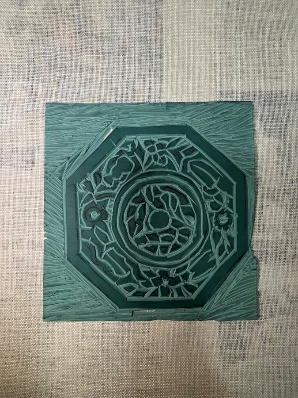


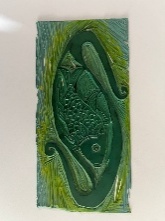
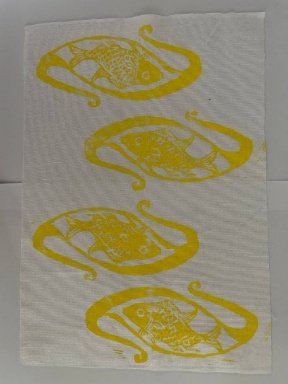
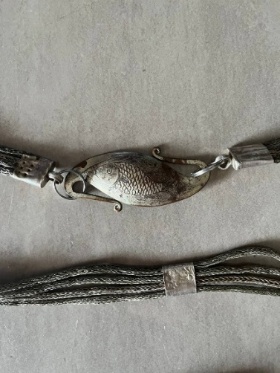
Next comes the idea sketch stage, as shown in Figure 1, during which abstract concepts are represented visually through sketches. Designers experiment with silhouettes, motifs, and garment structures that honor cultural roots while aligning with contemporary design trends. The following selection of idea sketches narrows down the alternatives, focusing on those that best capture Bidayuh identity and show promise for further development. The selected sketches progress to the sketch design stage, where they are refined with more detailed elements before being moved to the actual production. In Figure 2, each outfit is clearly labeled to show how traditional Bidayuh cultural elements, such as red-yellow-black geometric stripes, supplementary-weft motifs, and panel-based skirt constructions, inspire contemporary silhouettes. The final illustration then undergoes a market test before the prototyping phase begins. This process assesses consumer response, cultural appropriateness, and commercial potential. Insights gained from this stage inform modifications in both design and production. This reflective phase ensures that future iterations can improve upon the balance between cultural authenticity, modern appeal, and market acceptance. In essence, this design process for Bidayuh clothing illustrates how traditional identity can be carefully transformed into contemporary design through systematic stages of inspiration, conceptualization, refinement, and evaluation. It emphasizes the significance of cultural sustainability while making heritage accessible and relevant for broader audiences. The details of each look are explained below (Left to Right).
Outfit 1- The guardian coat, a long zip-up coat with a high neckline, rendered in white and boldly accented with red and muted gold. The horizontal patchwork lines reference the traditional Bidayuh paddy motif, symbolizing resilience and continuity on the hem. The back features hand- and machine-embroidered tiger-head imagery, signifying strength and identity, thus conceptually supporting the wearer from behind. This piece merges athleisure aesthetics with cultural heritage, creating a comfortable yet symbolically powerful garment.
Outfit 2 - The asymmetric legacy, this ensemble features a sleeveless asymmetric top with diagonal patchwork panels of red and white, paired with wide-leg black trousers. The geometric stripe design draws from Bidayuh costume traditions, while the asymmetrical cut modernizes the look. Block-printed (block stamp printing) floral motifs enrich the surface, and embroidered side details with the durian thorn motif further emphasize resilience. This combination embodies a youthful reinterpretation of cultural attire.
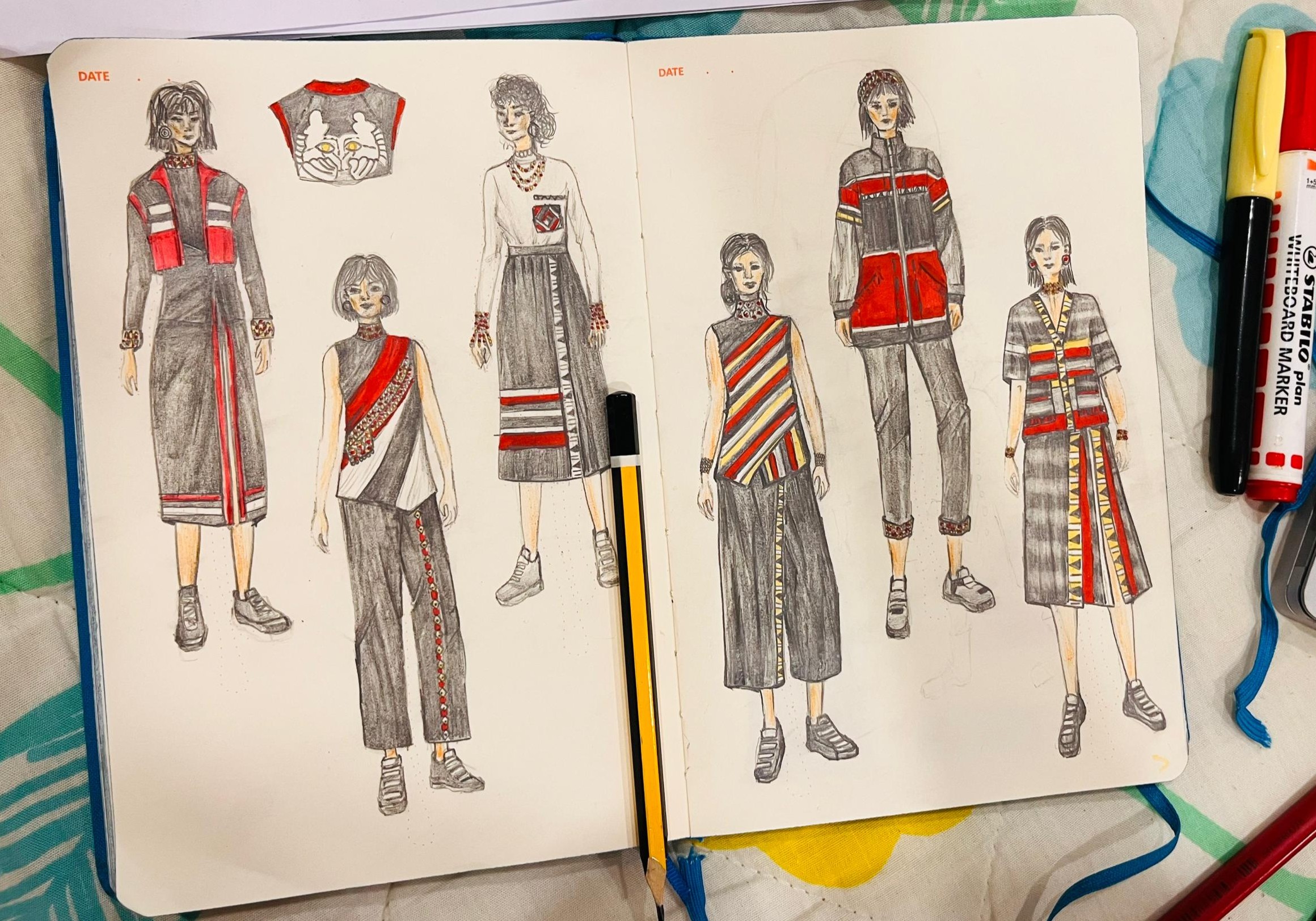
Outfit 1- long jacket integrating Bidayuh colours stripe arrangements
|
Outfit 2 - asymmetric draped top inspired by the traditional tangko sash with red, black, and white colors reinterpretation. |
Outfit 3 - modern blouse with embroidered Bidayuh bamboo motif placed on the skirt and pigeon eye at the pocket. |
Outfit 4 -contemporary diagonal Bidayuh-coloured stripe top, echoing weaving patterns. |
Outfit 5 - sport-inspired jacket, adapting Bidayuh colour hierarchy with simplified motif blocks. |
Outfit 6 - modern dress featuring a continuous stripe with bamboo shoot patterns along the placket. |
Figure 1 Modern reinterpretations of Bidayuh traditional textiles and motifs (designed by the primary author)
Outfit 3 - The symbolic blouse, a contemporary reinterpretation of heritage wear, comprising a long-sleeved cream blouse with an embroidered Boton manuk puni (pigeon’s eye) pocket motif, symbolizing beauty and protection. Paired with culottes featuring woven cut-out accents, the garment employs the Bidayuh palette of red, white, and black stripes to bridge sophistication with casual style. Bamboo shoot cut-outs at the skirt side reference moral teachings about avoiding negative traits, while layered necklaces situate the design within semi-formal contexts.
Outfit 4 – The striped vitality, this design features a sleeveless striped top paired with culottes, characterized by bold horizontal and diagonal stripes of red, yellow, and black, which are central to Bidayuh textile identity. Cut-out techniques introduce depth, while embroidered sipiah rojak dien (durian motif) and paku-pakis (fern) motifs symbolize growth and renewal. Tailored for younger wearers, the garment conveys cultural pride while embracing minimalist yet vibrant design language.
Outfit 5 - The river spirit jacket, a hooded jacket accented with red and paired with slim trousers, is drawn on sportswear foundations while embedding cultural references. The cuffs feature woven-inspired accents decorated with bamboo shoot motifs and reglan cut decorated with inyok babu motif. This fusion of Bidayuh textile elements with contemporary streetwear resonates strongly with Generation Z preferences for casual yet meaningful apparel.
Outfit 6 - The heritage dress, a knee-length casual dress with structured sleeves and bold vertical panels in red, yellow, black, and white, referencing traditional woven designs. The neckline is framed with a woven-style trim, enriched with beadwork and geometrical motifs (pucuk rebung) on the lapel, reinforcing Bidayuh artistry. By combining conventional patterns with a modern silhouette, this piece offers an elegant balance between cultural authenticity and contemporary everyday wear.
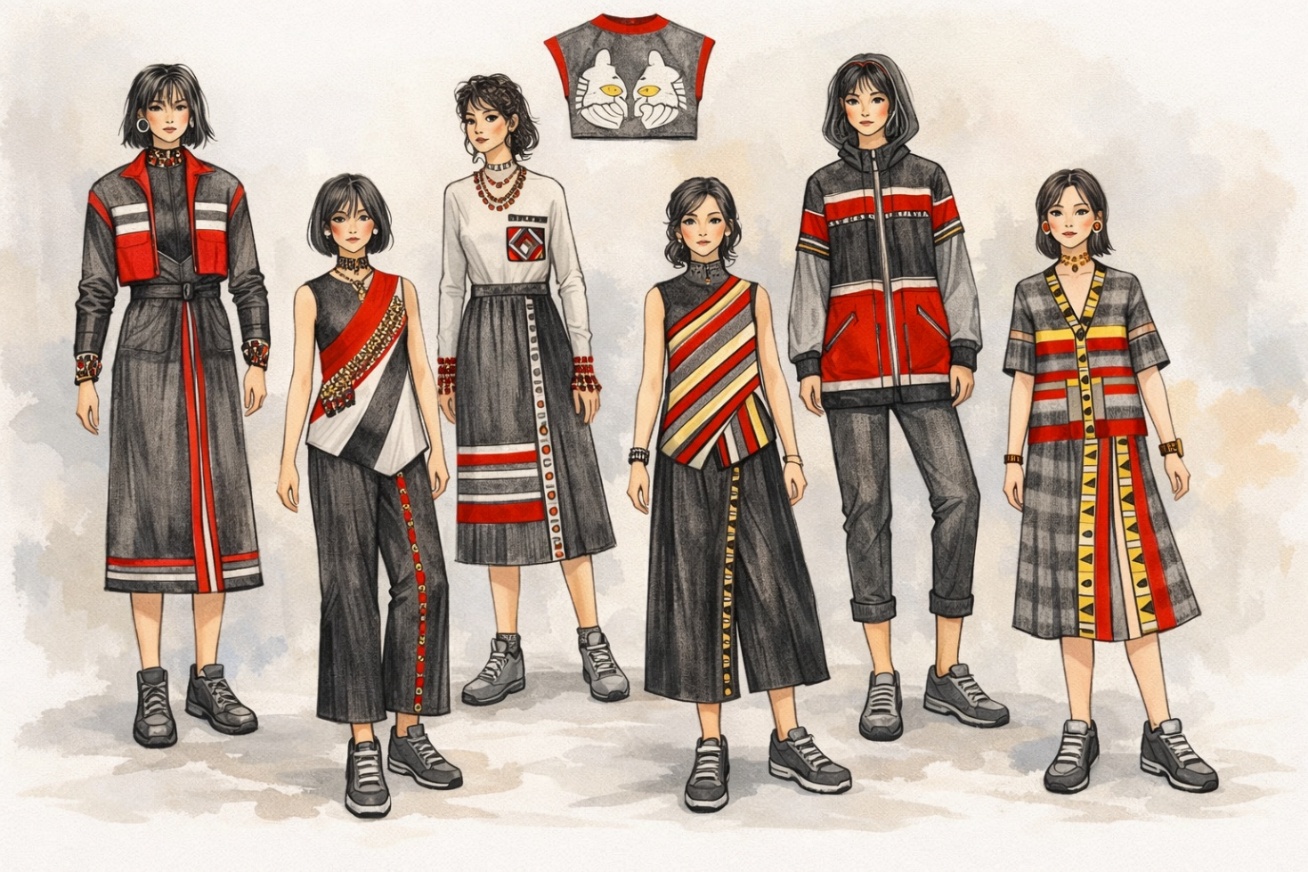
Figure 2 Bidayuh Modern Attire (BMA) collection (AI-generated illustration based on the final sketches)
A total of 146 Malaysian Generation Z respondents (aged 18-27) participated in the digital evaluation of the six-outfit Bidayuh-inspired contemporary fashion collection (Figure 2). The results are presented in two parts: general cultural-aesthetic reception of the BMA collection, and outfit-specific preferences related to popularity, practicality, and cultural balance. The findings reflect the perspectives of Gen Z respondents within the Malaysian context and should not be interpreted as representative of older age groups or international markets. It should be mentioned that findings cannot be assumed to reflect older generations, global consumers, or broader demographic groups. The study, therefore, provides insight into youth market tendencies rather than universal consumer behaviour. The findings indicate a strong positive reception toward the integration of Bidayuh cultural elements into modern fashion. 82.2% (n = 120) of respondents appreciated the bold use of traditional Bidayuh color palettes, red, black, white, and yellow, describing them as visually striking and culturally rich. This suggests that conventional color symbolism remains appealing to younger consumers in contemporary design contexts. Similarly, 71.9% (n = 105) of respondents agreed that the collection successfully modernized traditional heritage without compromising cultural authenticity, reflecting a generally favorable perception of heritage adaptation. Outfit-specific evaluations further revealed nuanced consumer preferences (Figure 3). In terms of overall popularity, Outfit 6 emerged as the most favored design, receiving 37.7% of the total votes (n = 55). Respondents described this outfit as fashionable, visually balanced, and highly suitable for social media representation, aligning with Generation Z’s emphasis on casual aesthetics and digital visibility. Outfit 3 and Outfit 5 followed, indicating a preference for relaxed silhouettes and geometric interpretations of traditional motifs. Regarding practicality for daily wear, Outfit 5 ranked highest, selected by 43.8% of respondents (n = 64). Its streetwear-inspired structure, layering potential, and functional appeal resonated strongly with Gen Z lifestyle preferences. This finding highlights the importance of wearability and comfort in determining acceptance of culturally inspired fashion among younger consumers.
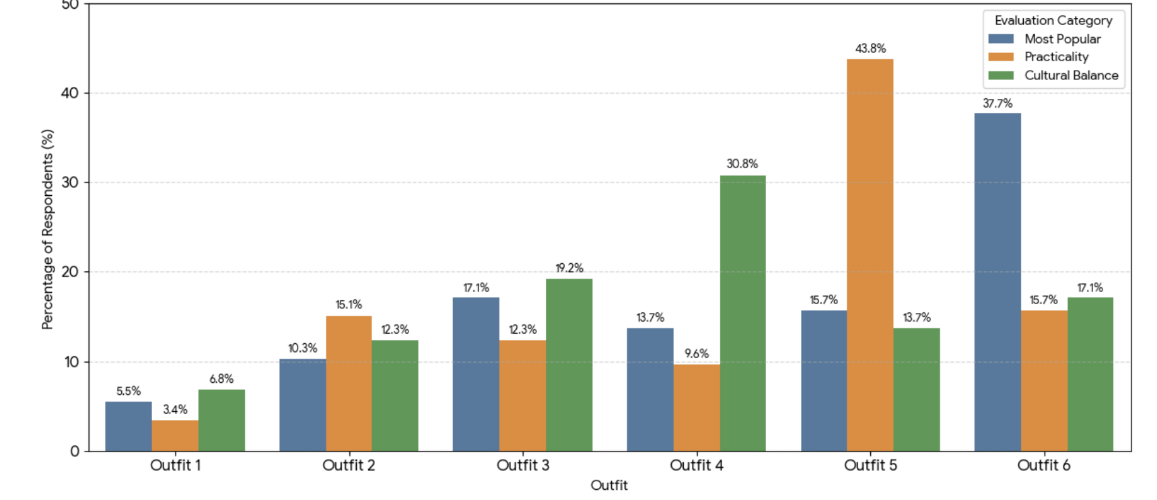
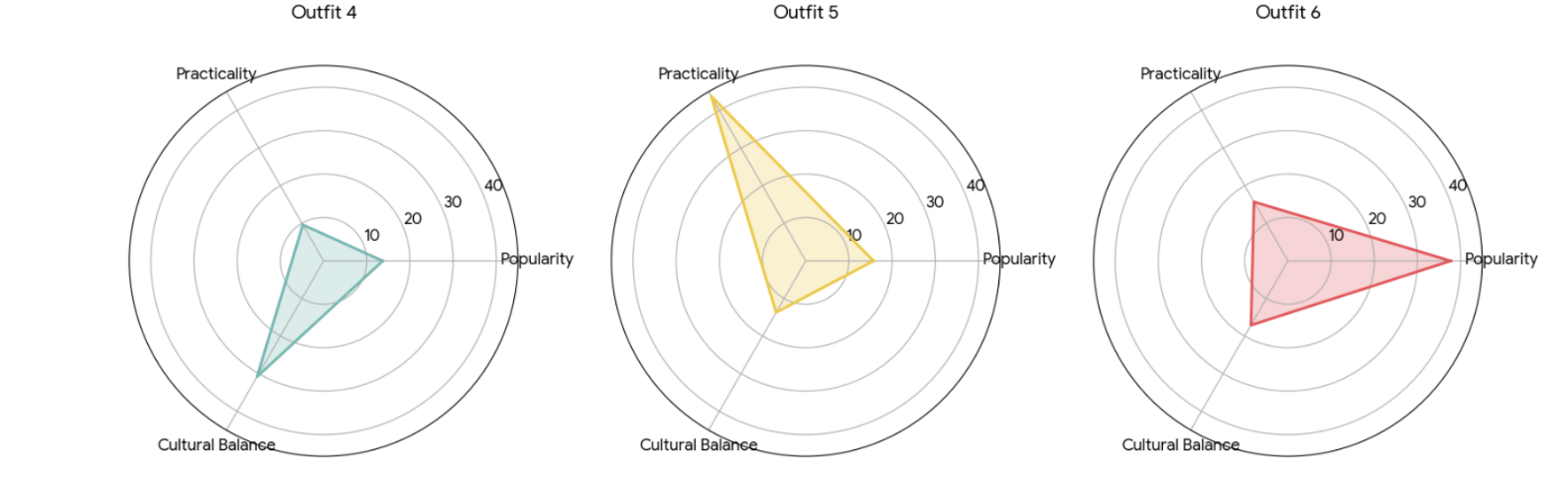
Figure 3 Outfit Performance Profile: Conceptual comparison (trade-offs between popularity, practicality, and culture
In terms of cultural balance, Outfit 4 was most strongly associated with successful heritage-modern harmony, receiving 30.8% of responses (n = 45). Participants perceived this outfit as effectively integrating traditional embroidery with contemporary cuts, suggesting that moderate use of heritage motifs rather than excessive ornamentation enhances cultural legibility while maintaining modern appeal. Collectively, these results demonstrate that Generation Z consumers value fashion designs that connect them to cultural identity while remaining practical, wearable, and aligned with contemporary aesthetics. The data confirms that Bidayuh motifs and design principles can be meaningfully translated into modern fashion without being perceived as ceremonial or costume-like, particularly when adapted through simplified forms and casual silhouettes. Overall, the evaluation suggested that Generation Z places substantial value on fashion that connects them to their cultural roots while allowing for modern, casual expression. The six outfits successfully highlight how Bidayuh art and culture can be reimagined into contemporary fashion that resonates with young consumers.
As illustrated in Figure 4, 82.2% (n = 120) of participants expressed appreciation for the bold use of traditional Bidayuh colors, demonstrating that high-contrast palettes remain visually appealing to younger consumers when applied within contemporary silhouettes. In comparison, 71.9% (n = 105) agreed that the collection successfully modernized traditional heritage without compromising authenticity. The 10.3% difference between these two measures suggests that while visual elements are readily embraced, perceptions of successful cultural adaptation require more careful design negotiation. Notably, 17.8% of respondents did not favor the traditional color palette, and 28.1% expressed reservations about modernization, indicating that a minority of Gen Z consumers may prefer more subdued or globally neutral aesthetics. This variation highlights that cultural fashion acceptance among youth is not uniform but exists along a spectrum of visual tolerance and cultural familiarity.
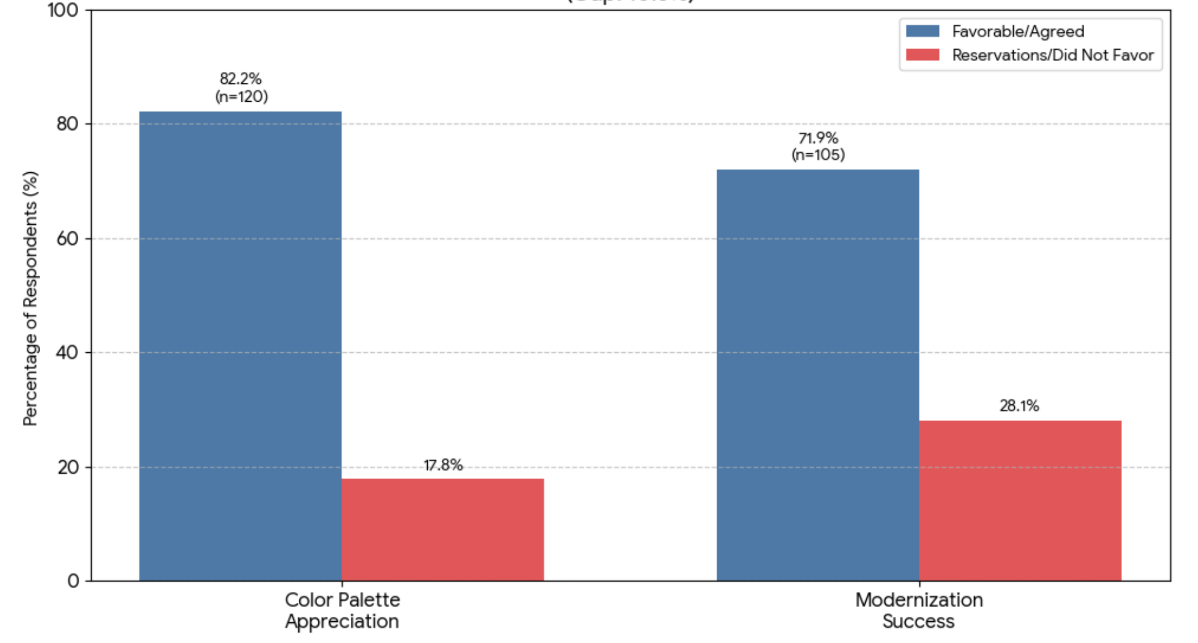
Figure 4 Participant perceptions: Bidayuh colors vs. Modernization
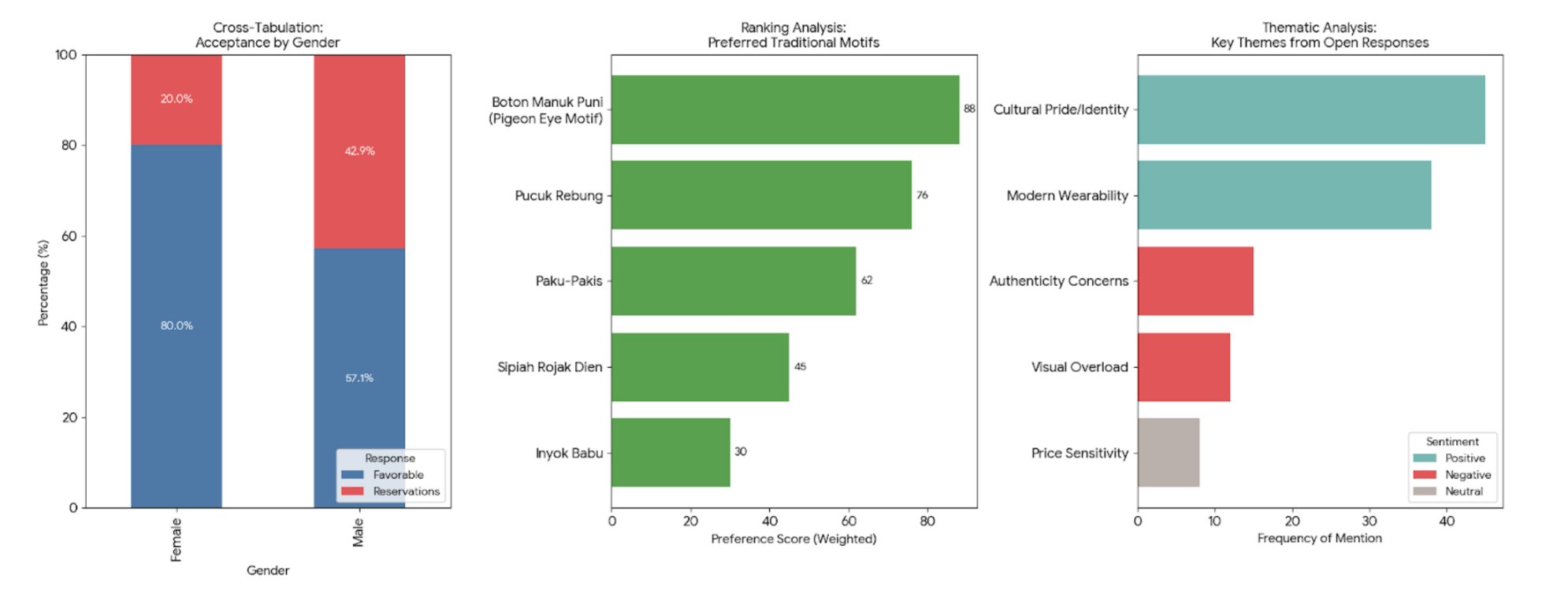
Figure 5 Participant perceptions: cross-tabulation, ranking, and thematic interpretation
As shown in Figure 5, while female respondents showed near-universal acceptance (80%), male respondents were more polarized, with 42.9% expressing reservations. Another interesting point is that simplified motifs (top) often outperform full traditional patterns (bottom). This is a strong finding for modernization. Participants showed a distinct preference for the boton manuk puni (pigeon eye) and pucuk rebung motifs. These patterns, likely due to their strong geometric symmetry, were favoured for modern adaptation. In contrast, complex or less familiar motifs, such as inyok babu, received lower preference scores, suggesting that visual familiarity plays a key role in how younger consumers accept traditional heritage in contemporary fashion. Finally, in the chart above, cultural pride is the tallest bar (most discussed) and is colored Blue (Positive). Authenticity concerns” is shorter, but Red (negative), which visualizes the minority reservation mentioned in your text.
All in all, appreciation of color palettes exceeded perceptions of successful modernization by more than 10%, indicating stronger immediate visual acceptance than conceptual acceptance of heritage adaptation. While Outfit 6 dominated overall popularity, Outfit 5 clearly surpassed others in practicality, indicating differentiated consumer priorities depending on the use context. Nearly one-fifth of respondents expressed reservations about bold traditional colors, suggesting that color intensity may polarize consumer response. Outfits scoring highly in cultural balance did not necessarily rank highest in practicality, indicating trade-offs between heritage expression and functional design. Designs with simplified motifs consistently outperformed highly detailed interpretations across all evaluation categories. Hence, the next step will involve creating a real BMA collection prototype, which was outside the scope of this study.
Discussion
This study demonstrates that Bidayuh identity elements can be successfully adapted into contemporary fashion when symbolic meaning is preserved, and design complexity is moderated to align with Gen Z preferences. In repositioning these cultural elements within contemporary fashion, the challenge extends beyond visual adaptation. It requires navigating cultural sensitivity, sustainability considerations, and modern consumer behaviour. The findings of this research demonstrate that Gen Z respondents responded positively to simplified geometric motifs, familiar colour palettes, and contemporary silhouettes. However, the broader significance of these findings lies in understanding why these adaptations resonate and how they fit within broader debates on Indigenous fashion innovation. Across global Indigenous fashion movements, the patterns observed in this study align with these trends. Respondents favoured designs that maintained a clear cultural signature yet avoided overly intricate or ceremonial expressions. This indicates that cultural motifs gain contemporary relevance when they integrate seamlessly into everyday fashion rather than appearing as costume-like replicas. The comparison with Qiang costume reinterpretations (Chen & Suwanthada, 2024) reveals distinct trajectories. While Qiang textiles have been channelled primarily into souvenir industries and tourism branding, the Bidayuh adaptations in this study lean toward streetwear and casual fashion, a strategic shift that positions heritage not as a static cultural symbol but as a living, wearable form. This distinction reflects broader cultural sustainability frameworks, suggesting that heritage survives most effectively when embedded in daily life rather than isolated in festivals or museum contexts.
A crucial dimension of Indigenous fashion revival is avoiding cultural appropriation. Unlike global cases where motifs are commercialized without community engagement, this study incorporated cultural knowledge from Bidayuh artisans and community elders. This collaborative approach helps protect intangible cultural heritage and aligns with ethical design frameworks such as the respectful adaptation model. Ensuring transparency, attribution, and community consent reinforces the artistic integrity of the prototypes developed. Although the study centered on visual adaptation, its implications also extend to sustainable fashion discourse. Respondents valued designs perceived as “authentic” and “meaningful,” suggesting that cultural embeddedness may enhance sustainable consumption by shifting focus away from disposable trends. However, the prototypes were digital, and the study did not yet measure environmental impacts. Without clear sustainability metrics, such as fibre origin, production processes, or lifecycle assessments, claims related to eco-fashion must be made cautiously. Future phases of this research should evaluate material sourcing from Bidayuh weaving traditions and integrate Life Cycle Analysis (LCA) to determine environmental performance. While the results showed Outfit 6 and Outfit 5 were highly preferred, the critical value lies not in their popularity but in the underlying reasons driving these preferences. Gen Z respondents aligned their choices with current silhouette trends (oversized, streetwear-oriented forms), colour psychology (warm, bold tones associated with heritage aesthetics), and cultural familiarity (motifs that were recognisable yet not overly complex). For example, the durian and bamboo shoot motifs, which symbolize fertility and transformation in Bidayuh cosmology, were simplified into geometric forms on the sleeve and hemline of the digital prototypes. Gen Z respondents responded positively to this adaptation, noting that it was visually striking yet culturally meaningful, suggesting that the symbolic essence was preserved while achieving modern aesthetic appeal. Conversely, the inyok babu and tiger motif, representing life and connectivity, proved more challenging; overly intricate representations were less favored, indicating that complex ceremonial motifs require careful simplification to resonate with contemporary consumers. These insights highlight how cultural design acceptance is shaped by contemporary fashion norms, personal identity expression, and the desire for culturally embedded yet wearable garments. A central concern in Indigenous fashion revival is avoiding cultural appropriation. This study mitigated such risks by engaging Bidayuh artisans and community elders throughout the design process, obtaining their consent, and ensuring accurate representation of artistic identities such as colours and motifs. All design adaptations were co-created with these knowledge holders, and attribution was clearly documented, aligning with ethical design frameworks such as the respectful adaptation model, which was adapted from Walker et al. (2023). This collaborative approach ensures that the final designs are culturally grounded, respectful, and reflective of community values, distinguishing them from commercially appropriated motifs seen in global fast-fashion contexts.
Several limitations must be acknowledged. First, the sample consisted exclusively of Gen Z respondents, limiting generalizability. Older demographic groups or international consumers may demonstrate different aesthetic preferences or cultural sensitivities. Second, only six designers and artisans were interviewed, which restricts the diversity of professional viewpoints. Third, the prototypes were digital, not physical garments; real fabric drape, texture, and craftsmanship may influence consumer perception differently. Fourth, the designs were created by the researchers, which poses a risk of confirmation bias despite mitigation efforts such as anonymous surveys, triangulation, and independent expert review. To deepen contributions, future research should expand to multi-age consumer testing, including Generation X, baby boomers, and international audiences, as well as physical prototyping and wear-testing to evaluate comfort, durability, and real-world market potential. The findings illustrate that Bidayuh-inspired designs hold meaningful potential for cultural preservation and youth engagement in heritage-based fashion. While this study does not claim nationwide or international market impact, it provides foundational evidence that culturally grounded, ethically developed, and aesthetically relevant designs can resonate strongly with younger Malaysian consumers. With broader testing and sustainability evaluation, Bidayuh-inspired fashion may contribute modestly but significantly to Malaysia’s growing interest in culturally responsive design practices.
Conclusion
The outcomes of this study emphasize that cultural preservation and innovation need not be opposing forces. Instead, design innovation can serve as a powerful tool to safeguard intangible heritage, ensuring its relevance in modern society. The six Bidayuh-inspired outfits demonstrated how traditional motifs, when thoughtfully reinterpreted, can be translated into practical and stylish clothing suitable for everyday wear. This aligns with broader discourses on cultural sustainability, whereby heritage is not frozen in time but evolves in tandem with contemporary practices. By incorporating artistic elements into their fashion items, designers enable younger generations to reconnect with their heritage in meaningful, accessible, and expressive ways that reflect their identity. This approach demonstrates the principle that cultural products are most effectively preserved when they are lived, worn, and shared, rather than confined to museums or ceremonial contexts. As a concrete next step, future research could include a pilot study to assess market acceptance of physical Bidayuh-inspired garments across consumer segments, including Gen Z and older demographics. This could be complemented by a cost analysis of sustainable production methods, examining materials, labor, and ethical sourcing considerations. Additionally, developing a revenue-sharing framework with the Bidayuh community would ensure that economic benefits are equitably distributed, empowering artisans and supporting local cultural entrepreneurship. Together, these initiatives would translate the current design insights into practical, sustainable, and community-centered fashion interventions. Moreover, future research should engage Bidayuh artisans, weavers, and community leaders in the design process and create a unique Bidayuh collection, such as a capsule wardrobe. Collaborative creation guarantees cultural authenticity, empowers local communities, and reduces the risk of cultural appropriation. Such partnerships can also stimulate economic development within the community by opening new pathways for cultural entrepreneurship. Incorporating Bidayuh-inspired fashion into tourism and cultural branding efforts offers considerable potential. Fashion events, souvenir creations, and heritage-driven marketing campaigns can elevate Sarawak’s cultural significance while promoting sustainable tourism. Nevertheless, these initiatives should emphasize authenticity, ensuring that the products are made with or by the Bidayuh community. This approach enhances the perceived cultural value of these items and fosters a deeper connection between visitors and Sarawak’s cultural heritage.
Acknowledgement
The Prof. WR Geddes Bequest Research Grant, under Universiti Malaysia Sarawak, supported this paper, UNI/F03/GEDDES/86325/2024.
Declaration of competing interests
The authors declare that they have no known competing financial interests or personal relationships that could have influenced the work reported in this paper.
Declaration of generative AI in scientific writing
During the preparation of this work, the author used ChatGPT as a language assistant to rephrase and refine the text. After using this tool, the author reviewed and edited the content as necessary, taking full responsibility for the publication’s accuracy.
CRediT author statement
Jalil, M. H.: Conceptualization, Methodology, Data curation, Validation, Resources, Visualization, Formal analysis, Writing – original draft, Writing – review & editing. Alison, J. E.: Conceptualization, Investigation, Resources.
References
Campbell, Y. M., & Mikeng, D. (2019). Dayung Borih, the conduits of the Bidayuh and the spiritual world. Borneo Research Journal, 13(1), 98-114.
Chang, P. F. (2004). History of the Serian Bidayuh in the Samarahan division, Sarawak. Kuching, Malaysia: Sarawak Press.
Chen, G., & Suwanthada, P. (2024). Qiang Costumes in Maoxian, Sichuan Province. Journal of Ethnic and Cultural Studies, 11(2), 1-24.
Gao, X., & Yezhova, O. (2023). Chinese traditional patterns and totem culture in modern clothing design. Art and Design, 2(1), 20-30.
Gu, X., & Lu, M. (2021). Re-negotiating national identity through Chinese fashion. Fashion Theory, 25(7), 901-915.
Hartono, L., Guntur, R., & Setiyono, B. (2025). Tapis Cloth Motif Design Innovations Based on Natural Potential and Local Wisdom of the Lampung Region, Indonesia. Journal of the International Society for the Study of Vernacular Settlements, 12(1), 29-41.
Hwui, K. C. Q., & Jalil, M. H. (2025). Reimagining Indigenous Material Culture: Exploring and Utilizing Bamboo as a Sustainable Approach in Contemporary Costume Design – A Case Study on Marik Empang Beadwork. Asian Journal of Arts and Culture, 25(3), e287056-e287056.
Jalil, M. H. (2022). Eco-fashion design: A review. International Journal of Sustainable Design, 4(3-4), 205-233.
Jalil, M. H. (2025a). Weaving a Greener Tomorrow: A Mini Review of Bamboo Fiber, Textiles, and Hand-woven Techniques for Sustainable Innovation. Pertanika Journal of Science & Technology, 33(3), 1661-1682.
Jalil, M. H. (2025b). Augmented Reality in Fashion: Technological Advancements in Digital Preservation of Traditional Heritage. Digital Applications in Archaeology and Cultural Heritage, 37(3), e00408.
Jalil, M. H., Abdullah, Q. D. L., Wong, N. R., & Hoon, L. N. (2024b). Preserving Heritage in Threads: A Study of Orang Ulu Motif Adaptation in Contemporary Ethnic Wear Crafted by SMEs. New Design Ideas, 8(3), 546-566.
Jalil, M. H., Abdullah, Q. D.-L., Wong, N. R., Hoon, L. N., & Amaran, M. A. (2024a). Art inheritance: Revitalizing traditional material culture motifs through innovative graphic design and artistic expression. Journal of Graphic Engineering and Design, 15(4), 5-17.
Khodary, M. M. M., El-Okda, E. A. H., & Ali, M. M. M. (2025). The Maya and Aztec civilizations were sources of inspiration for textile printing and clothing design. International Design Journal, 15(1), 141-162.
Kong, X., Liao, Q., & Yang, C. (2024). Comprehensive Analysis of Li Ethnic Clothing Based on Five Major Dialects and Its Application in Modern Fashion Design. Fibres & Textiles in Eastern Europe, 32(2), 17-32.
Le, T. H., Dang, P., & Bui, T. (2024). Towards sustainable products and services: The influences of traditional costumes in promoting sustainable fashion. Sustainability (Switzerland), 16(22), 1-22.
Magiman, M., Salleh, N., Seni, F., & Warisan, D. (2017). Identity Bidayuh Sarawak dalam tarian Langgie Pingadap (Bidayuh Sarawak’s identity in Langgie Pingadap dance). Borneo Research Journal, 11. 46-59.
Rosanti, M. D., Fretisari, I., & Muniir, A. (2020). Makna simbol busana tari Sigal dalam upacara Gawia Sowa’k di kecamatan Jagoi Babang Kabupaten Bengkayang Provinsi kalimantan Barat. Jurnal Pendidikan Dan Pembelajaran Khatulistiwa (JPPK), 9(3). 1-12.
Teo, W., Dewanggamanik, G., McHattie, L. S. & McAra, M. (2024). SERUMPUN crafts across borders. Kuching, Malaysia: B. Crafts Atelier.
Yakymchuk, D., Yakymchuk, O., Chepeliuk, O., Myrhorodska, N., Koshevko, J., Orlenko, O., & Nosova, I. (2017). Study of cutting presses in the design of women’s costumes for the hospitality industry. Eastern-European Journal of Enterprise Technologies, 5(89), 26-36.
Yao, R., & Inchan, N. (2024). Design and Development of Traditional Han Chinese Ethnic Clothing for Contemporary Apparel. International Journal of Sociologies and Anthropologies Science Reviews, 4(6), 639-650.
Walker, M. E., Olivera‐Aguilar, M., Lehman, B., Laitusis, C., Guzman‐Orth, D., & Gholson, M. (2023). Culturally responsive assessment: Provisional principles. ETS Research Report Series, 2023(1), 1-24.