Asian J. Arts Cult. 2026; 26(4): 56
Semiotics of Continuity: Cultural Resilience and Hybrid Identity in Urban Iban Tattooing in Sarawak
Rebecca Constance Binti Richard and Ringah Anak Kanyan*
Faculty of Applied and Creative Arts, University Malaysia Sarawak, Sarawak 94300, Malaysia
(*Corresponding author’s e-mail: kringah@unimas.my)
Received: 10 November 2025, Revised: 28 January 2026, Accepted: 30 January 2026, Published: 3 February 2026
Abstract
This study explores the semiotic and cultural significance of contemporary Iban tattoo motifs within urban communities in Sarawak, Malaysia. Historically, Iban tattoos serve as ritualistic markers of achievement, spiritual protection, and social identity. However, urbanisation and globalisation have transformed these practices, leading to the reinterpretation of motifs within modern identity frameworks. Using qualitative methods, including semi-structured interviews and visual observation, this study analyses prevalent motifs, such as, Bunga Terung, Ukir Rekung, found in urban Iban tattooing in Kuching. Semiotic analysis was conducted through Charles Sanders Peirce’s Triadic model and Roland Barthes’s myth theory, enabling interpretation of tattoos as layered signs that extend beyond aesthetics. Findings reveal that contemporary Iban tattoos function as hybrid expressions of heritage and modernity, simultaneously preserving ancestral symbolism while generating new cultural myths of identity, resilience, and cosmopolitan belonging. The study concludes that tattoos remain dynamic forms of cultural expression, serving both personal and collective functions in negotiating tradition and modern urban life.
Keywords: Iban tattoos, Semiotic analysis, Cultural identity, Urbanisation, Contemporary tattoo
Introduction and related literature
The Iban people, an indigenous ethnic group of Sarawak, Malaysia, are deeply rooted in cultural traditions that are inseparable from their natural environment, spirituality, and communal life. Historically renowned as agriculturalists and warriors, the Iban possess a cultural heritage that is both rich and complex, encompassing oral literature, rituals, and symbolic art forms that reflect their worldview and social organization (Saging & Baco, 2022). Among the most striking of these cultural expressions are tattoos, known as pantang in the Iban language. Instead of just functioning as mere body ornamentation, tattoos traditionally operated as embodied texts that communicated identity, achievement, and moral standing (Jędrzej, 2011; Krutak, 2021). These tattoos also acted as talismans, linking the human body to the spiritual realm and embodying a deep-seated animistic belief system that perceives all life as interconnected (Jelani & Muhammad, 2018). Distinctive motifs, such as the bunga terung (eggplant flower), ukir rekung (throat tattoo), and other nature-inspired forms, may symbolise as spiritual protection, endurance, and transformation (Jędrzej, 2011). Traditionally, tattooing was embedded within ritual cycles and communal validation. Jumpo and Bebit (2020) mentioned that tattoos were earned through specific life achievements, such as the Bunga Terung motif was done as a rite of passage for Iban men, and a symbol of maturity, and readiness to go on a journey, which was called as the bejalai journey. Tattooing was mediated by skilled practitioners who possessed ritual knowledge and technical expertise, reinforcing the sacred nature of the practice and its integration within animistic belief systems that emphasised the interdependence of human, spiritual, and natural realms (Jelani & Muhammad, 2018).
However, the migration of the Iban from rural to urban areas represents one of the most significant cultural shifts affecting tattooing traditions. Seeking education and employment, many Ibans relocated to urban centres such as Kuching and Miri, where they encountered new social norms, occupational expectations, and global cultural influences (Ryoji, 2003). Urbanisation has introduced complex negotiations between preserving traditional identity and adapting to modern lifestyles as urban Iban individuals sought to adapt traditional motifs to reflect both personal and communal identities within a modern context (Hun & Khairani, 2024). Studies reveal that younger Ibans often experience tensions between cultural heritage and societal acceptance, especially as visible tattoos may conflict with workplace regulations and perceptions of professionalism (Hay, 2017). These pressures have led to the decline or modification of traditional tattooing practices, as urban Ibans often conceal, minimise, or reinterpret tattoos to align with dominant social expectations. The persistent perception of tattoos as symbols of primitiveness or backwardness further discourages their open display in professional and public settings. As a result, the erosion of traditional tattooing practices has contributed to cultural disconnection among younger generations, weakening links to ancestral knowledge, ritual meaning, and collective identity (Sieber, 2021).
However, this period of marginalisation and decline did not result solely in cultural loss. For many urban Iban individuals, the pressures of modernisation, social stigma, and institutional constraints became catalysts for a countermovement of cultural reclamation. Rather than abandoning tattooing altogether, tattoos began to be re-appropriated as deliberate expressions of identity, resistance, and cultural continuity. This shift marks a transformation from tattooing as a traditionally inherited ritual practice grounded in animistic belief to a consciously chosen act of cultural assertion within contemporary urban life.
In recent years, a resurgence of interest in Iban tattoos has marked a broader cultural reawakening. Many urban Ibans are now re-engaging with tattooing as a means to reclaim identity and honour ancestral heritage (Osman et al., 2024). This revival is driven by both local enthusiasm and international recognition, as Iban tattooists and their motifs gain global attention through festivals, exhibitions, and collaborations (Krutak, 2018). Contemporary Iban tattooing reflects an active negotiation between tradition and modernity where the motifs remain recognisably Iban but are reimagined through minimalist or abstract forms that align with current aesthetics (Osman et al., 2024). Moreover, urban constraints such as workplace policies have encouraged more discreet tattoo placements. While the traditional full-body tattoos once marked rites of passage, today’s tattoos may be smaller and privately placed, balancing cultural expression with professionalism. Importantly, the symbolism of these tattoos has also evolved. Whereas traditional meanings revolved around protection and status, contemporary tattoos signify cultural pride, resilience, and personal transformation (Pluto, 2022).
This study situates itself within this evolving landscape by examining how contemporary Iban tattoo motifs are designed, practiced, and interpreted in urban contexts. Despite growing knowledge on Iban tattoo traditions, existing studies tend to privilege historical description, stylistic documentation, or revival narratives, with limited analytic attention to how urban Ibans reinterpret tattoo motifs through lived experience and semiotic processes. There remains a gap in research that integrates narratives with systematic semiotic theory to explain how traditional motifs generate new meanings under conditions of urbanisation and global cultural circulation. This study addresses this gap by combining qualitative interview data with Peircean and Barthes’ semiotic analysis to demonstrate how tattoos function as evolving signs of identity negotiation, cultural continuity, and modern belonging. In doing so, the research contributes to broader discussions on indigenous cultural resilience, urban identity formation, and the adaptability of traditional visual languages in modern contexts.
Research methodology
This study adopts a qualitative research design integrating semi-structures interviews, visual observation, and semiotic analysis to investigate contemporary Iban tattoo practices in urban Sarawak. A total of ten participants, comprising four tattoo artists, one cultural enthusiast, and five tattoo bearers who wished to remain anonymous. The interview session lasts approximately 30 – 40 minutes with questions themed on Iban tattoo elements, and cultural and personal significance on motifs. Interview sessions were conducted in Iban language as the participants felt more comfortable in using so, then the interview data were collected in Iban and subsequently translated into English for analysis and presentation. To minimise the loss of semiotic nuance, the translation followed a multi-stage process. First, the primary researcher, who is a speaker of both Iban and English, will create a preliminary translation while paying close attention to culturally embedded metaphors, honorifics, and context cues (e.g., honorifics, emphasis, or emotional stance). Secondly, a second bilingual Iban speaker examined a selection of quotations to ensure cultural resonance and semantic accuracy. A meaning-based translation, instead of word-for-word translation was used when direct equivalent terms were not available, and explanatory glosses were added in brackets where necessary. Finally, the English translations were cross checked against the original Iban texts during analysis to ensure that key features, such as symbolism, indexical references, and culturally specific expressions, were preserved in interpretation. Participants were selected using the convenience sampling due to the study’s focus on urban tattoo spaces and the practical accessibility of knowledgeable informants within these settings. While this sampling strategy limits generalisability, it is appropriate for an exploratory, culturally situated study that prioritise dept of interpretation over statistical representation.
Data were collected two events in Sarawak, the Kuching Tattoo Festival 2024 (KTF2024) and the Miri International Tattoo Festival 2024 (MITF2024). These events provide a concentrated environment where contemporary Iban tattoo practices, artists, and bearers could be observed and engaged. Visual data consisted of photographic documentation of tattoos, enables the analysis of motif, styles, and placement. In ethical consideration, visual data were collected with participants’ consent and supplemented by publicly available sources. A total of 125 tattoo motifs were documented and subsequently categorised according to motif type.
The research design follows an integrated qualitative approach that combines thematic analysis, content analysis and semiotic analysis to examine contemporary Iban tattoo practices in an urban setting. Interview data were analysed using thematic analysis. Transcribed interviews were first subjected to open coding to identify recurring ideas related to motivation, identity, heritage, and adaptation. These codes were then grouped into broader thematic categories, namely cultural identity, historical continuity, and personal significance. Visual content analysis was conducted in parallel to identify motif prevalence through a systematic method to analyse visual data, allowing the researcher to categorise and quantify recurring tattoo symbols and motifs within the urban Iban community. The findings from both analyses were then subsequently examined through a semiotic framework.
For the semiotic component, the study used Charles Sanders Peirce’s Triadic Model and Roland Barthes’s Myth Model to interpret how meaning is created and transformed through tattoos. As the first order of sign (denotation), which means literal interpretation. And Peirce conceptualise the sign as a process consisting of three components, which is the representamen (visible form), the object (what the sign refers to), and the interpretant (the meaning made by the observer) as seen in figure 1. Peirce’s theory of triadic model allows multiple layers of significant to coexist in a sign. Importantly, Peirce further allows sign to function simultaneously as icons, indexes, and symbols. In this research, tattoo motifs are analysed as icons through visual resemblance, indexes through historical practices or lived experiences, and symbols through culturally learned conventions shared within the Iban society. This triadic approach enables the study to identify multiple, coexisting layers of meaning within each tattoo motif before examining their transformation at the second order of signification.
To analyse the transformation of meaning in contemporary Iban tattoos, this study applies Roland Barthes’s model of myth as second order of signification. In Barthes’s framework, myth does not erase the original meaning of sign but reuses it as a form through which broader cultural and ideological meanings are communicated. In other words, the sign produced at the first order of signification becomes the signifier at the second order. In this study, the first order of signification corresponds to the denotative level of tattoo motifs which was done through Peircean triadic model. The second order of signification was examined by analysing how the first order signs are mobilised within contemporary urban contexts to produce new culturally situated meanings. This involved interpreting interview data to identify how participants articulate meanings that extend beyond traditional symbolism. The process focused on how participants normalise these meanings, presenting tattoos as obvious or intuitive markers of identity which will then be observed as the signified. Taken together, these frameworks provide an integrated approach to understanding Iban tattoos as multilayered semiotic systems embedded within lived social experience.
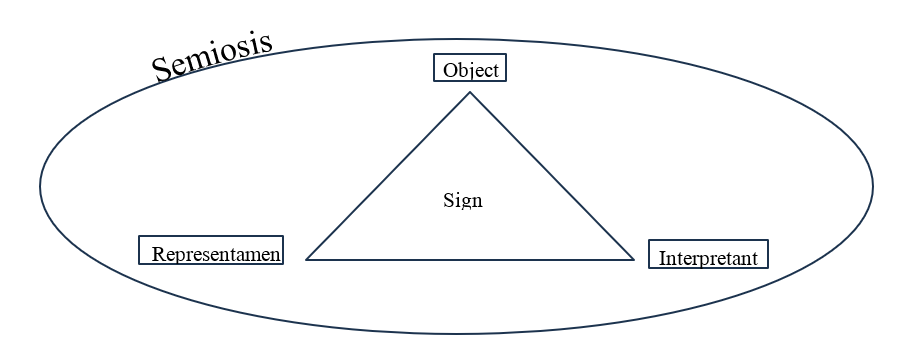
Figure 1 Charles Sanders Peirce’s Triadic model

Figure 2 Roland Barthes’s Semiotic Myth model
By integrating Peirce’s triadic model and Barthes’s myth model, this research adopts a semiotic framework well suited to analysing contemporary Iban tattoos as both visual and cultural expressions. Peirce’s model is appropriate as a first order of signification because it enables a systematic examination of how meaning emerges from the relationship between tattoo form, cultural reference, and interpretation, capturing the coexistence of visual resemblance, lived experience, and culturally learned symbolism. Barthes’s myth model is then employed to account for the broader meanings that arise when these established signs are situated within urban and globalised contexts. This second order of signification reveals how traditional motifs are re-signified to articulate narratives of cultural resilience, identity affirmation, and modern indigenous expression. Used together, these frameworks allow the study to move beyond descriptive analysis, providing a coherent method for tracing how Iban tattoo motifs retain cultural continuity while generating new meanings in contemporary settings.
Findings
Analysis of the visual data revealed the prominence of several Iban tattoo motifs within urban settings, of the most prevalent tattoo motif, which are the Bunga Terung, Ukir Rekung, and Kara Nyangkam. While these designs remain recognisably rooted in tradition, they were often seen with stylistic adaptations aligned with modern aesthetics. Of the 125 motifs recorded, Bunga Terung accounted for 19%, followed by Ukir Reking, and Kara Nyangkam at 9% each. Other Iban motifs too were found during observation, although not as common which includes the Tree of Life motif where it originally was used only as a mural or carvings but due to urbanisation, the artists managed to stylise the motif into tattoo aesthetics. The Iban culture is famous for their full back tattoo which includes the Ketam Itit, Engkabang Labuh, Pala Gajah, and Buah Andu motifs, also observed that these tattoos can be worn separately to suit their preferences. Meanwhile the Engkabang Labuh, and Ketam Lengan are typically found on the arms of the wearers, though it is not common due to the placement of the tattoo. Also observed are the tattoo motifs of Rengguang, Hornbill (Enggang), Antu Gergasi, and Nabau, which are not commonly found but deserved to be noted as they were also the chosen tattoos the urban Iban dwellers choose to wear on their body. A more detailed glance at the motif distribution is warranted as Bunga Terung is frequently described as widely recognised and socially adaptable motif in Iban ethnographic literature, which may account for the higher frequency of Bunga Terung (19%) compared to motifs like Antu Gergasi (2%). On the other hand, motifs like Antu Gergasi seem to be more context-specific, which could explain why their representation is more constrained. Although these motifs remain recognisably rooted in Iban tradition, many appeared in stylistically modified forms, including refined line work, increased symmetry, and integration with contemporary or hybrid design elements.
Table 1 Frequency of the prevalence of Iban contemporary tattoo in urban settings
Tattoo Motif Category |
Frequency (n) |
Percentage |
Bunga Terung |
24 |
19 % |
Ukir Rekung |
11 |
9 % |
Kara Nyangkam |
11 |
9 % |
Tree of Life (Pohon Kehidupan) |
6 |
5 % |
Ketam Itit |
9 |
7 % |
Engkabang Labuh |
9 |
7 % |
Ketam Lengan |
9 |
7 % |
Hornbill (Enggang) |
6 |
5 % |
Scorpion (Kala) |
9 |
7 % |
Pala Gajah |
8 |
6 % |
Buah Engkabang |
7 |
6 % |
Buah Andu |
9 |
7 % |
Antu Gergasi |
2 |
2 % |
Rengguang |
3 |
2 % |
Nabau |
2 |
2 % |
Prevalent tattoo motifs
The Bunga Terung motif was observed in multiple visual variations. While traditionally, the Bunga Terung design feature symmetrical petals, usually eight, surrounding a central element called tali nyawa (rope of life) where the placement of this tattoo motif usually on the shoulders of the wearer (Jumpo & Bebit, 2020). This motif was used as an Iban men’s rite of passage, a symbol of maturity, which can be indexed as such for Peirce’s model due to the historical narrative surrounding the tattoo motif. Culturally learned, it is also a symbol of maturity (Jumpo & Bebit, 2011). Furthermore, the contemporary versions of the Bunga Terung shows a range of stylistic variations. As seen in figure 3, versions of the motif may also integrate other symbols, including patterns, or motifs from other indigenous tattoos. The contemporariness of the Bunga Terung motif thus illustrated how cultural symbols can adapt to the evolving societies, and globalisation. Although the placement traditionally was placed on the shoulders,
The Ukir Rekung motif is a throat tattoo which typically has the elements of nature and animals, traditionally was exclusive for Iban men and was regarded as a symbol of an individual’s social status with a higher honour, such as the village chiefs (Tuai Rumah), war chiefs (Temenggung Panglima), and a warrior who had been involved in hunting activities (Saging & Baco, 2022). This motif too serves as a protection, particularly as a protection against beheaded by the enemy. This cultural narrative can be used as the index for the Peirce’s triadic theory, for semiosis process. The patterns on this tattoo motif usually vary by their regions, position in social class, and their rank as an individual in a society (Saging & Baco, 2022). In contemporary practice, the Ukir Rekung may be more elaborate or stylised, distinctly symmetrical, but still echoing the natural forms such as the tendrils, which also utilising digital tools, such as high-resolution photography for visual capture, vector based design software for motif refinement, digital archiving platforms for systematic documentation, and tattoo machines to allow greater intricacy, shading, and variation in forms. The placement for this motif as the name suggests, is placed on the throat, and despite the urbanisation of Iban society, the placement does not change as to preserve the authenticity of the motif.
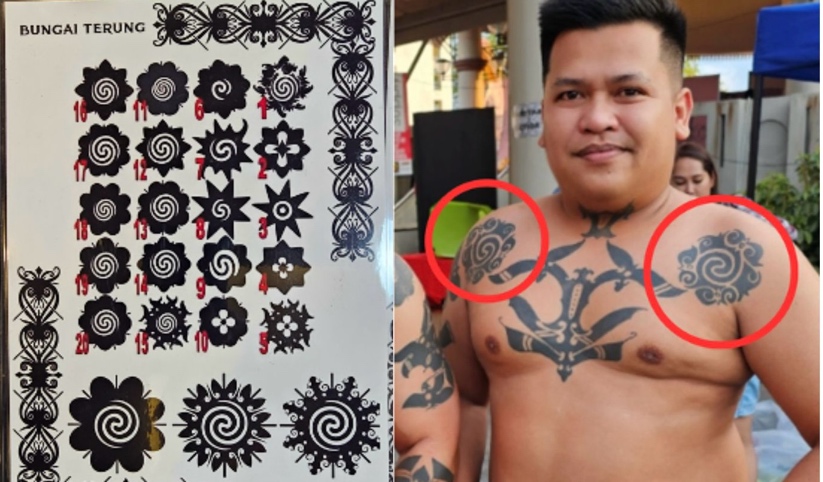
Figure 3 Variations of Bunga Terung tattoo motifs (Left), Hybridised Bunga Terung with patterns (right)
Source: Ringah Kanyan at KTF2024 and MITF2024
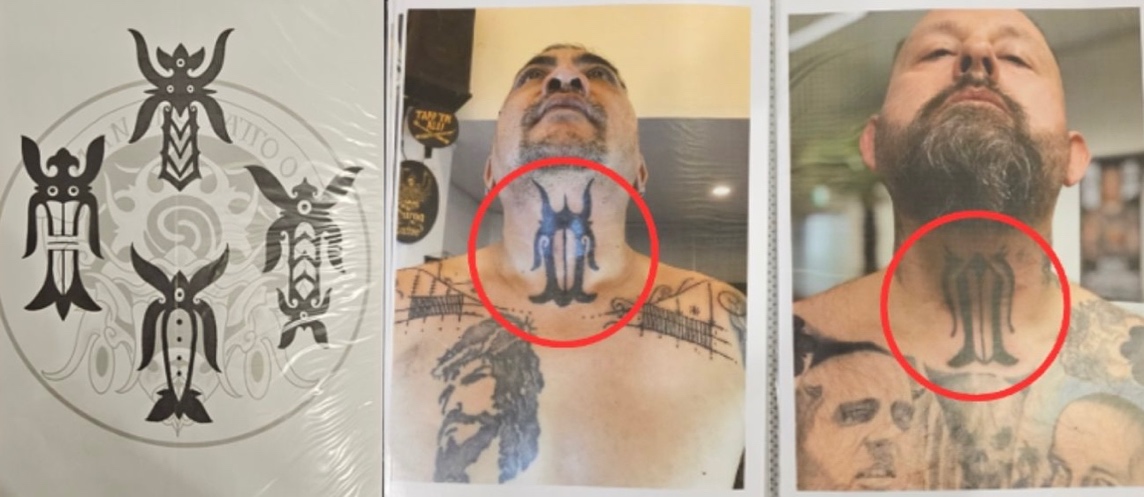
Figure 4 Variations of Ukir Rekung tattoo motifs
Source: Ringah Kanyan at MITF 2024
The Kara Nyangkam tattoo motif in Iban culture is believed to resemble the fig tree (pohon ara) that is joined together with its intertwining branches (Saging & Baco, 2022). In Iban language, the term ‘Kara’ is in references to the fig tree, and ‘Nyangkam’ implies to clasp. Traditionally, the placement of this tattoo is not only placed on the legs, but also on the arms where visual of the motifs usually depicts natural elements that are intertwining and gripping branches symbolises vitality and resilience (Saging & Baco, 2022). And occasionally on the back, where it is also believed to offer protection. This motif traditionally symbolises the interconnections of life, and spiritual protections. In its contemporary adaptations, tattoo artists often reinterpret the motif with refined lines, shading, and elaborate visual techniques. During data collection, the placement of this tattoo motif is often observed to be on the back of an individual, usually accompanied by other Iban motif that covers the entire back with various Iban tattoo motifs.
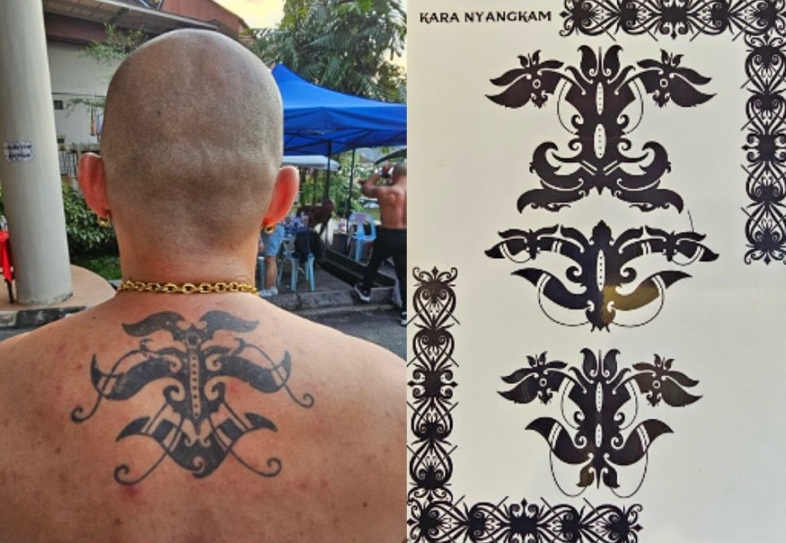
Figure 5 Variations of Kara Nyangkam tattoo motifs
Source: Ringah Kanyan at KTF2024 and MITF2024
Cultural Identity, Historical Continuity, and Personal Significance
Interview data revealed three recurring themes informing tattoo choice and meaning, which are cultural identity, historical continuity, and personal significance. Participants frequently described tattoos as act of cultural pride and identity reclamation, particularly with urban life. As interview with participant 1, a tattoo bearer who wished to remain anonymous, they explained that they choose to have the Bunga Terung tattoo as cultural pride. Which they quoted “I would say that this is symbol or pride as Iban living in the city, and that I have already matured… And it also a symbol of bravery for me”. Such statements highlight how tattooing functions as a means of maintaining cultural visibility in environments where indigenous identity is often marginalised. Contemporary Iban tattooing reflects a conscious effort to preserve cultural motifs within contemporary settings, as tattoo artist Lim Tanggai, who migrated to Johor, expressed a commitment to preserving the Iban elements in their tattoo designs saying, “if my work is similar to Māori, I’ll mix it with Iban flowers and combine them a little… that is something I wouldn’t leave behind”. This statement accentuates the cultural resilience of the Bunga Terung motif and the ethnic pride that comes along with it.
As for historical continuity, tattoo artist Robert Mayau noted that one of his clients with the intention of getting a tattoo approached him with an old photograph saying, “I liked my grandfather’s tattoos, this is how I want it to look”. Which imply that they wish to carry forward the tattoos of their grandfathers, to continue the heritage despite not having the same societal environment as their ancestors did in the past. Along with another tattoo bearer, participant 2, mentioned that they choose to have the simplified version of Ukir Rekung tattoo because their grandfathers had them and they find pride in the motif and decided to continue the legacy. This participant stated that “Although I did not go through what my ancestors did in the past, I would like to express my culture through this tattoo”. Shows how they were eager to express their culture by recalling the traditional motifs despite not having the same living situation as the past,
Most of the traditional tattoo chosen today is for personal significance that rooted in them based on the traditional meanings. As participant 3, who is a tattoo bearer for Bunga Terung and Kara Nyangkam which holds as a cultural identity and personal significance. As they specifically mentioned that the Kara Nyangkam motif on their thigh is a symbol that gives them strength in their journey and work, despite knowing that their ancestors have them for spiritual protections. As they stated that, “personally I changed the meaning because I already have a faith that I believe in, but I still want the tattoo as it looks pleasing”. This statement highlight that they have their own personal significance on the tattoo of their choosing as they do not have the same beliefs as their ancestors but still want to retain the heritage of their grandfathers by having a meaning of their own. Participant 3’s experience demonstrates a continuous process of identity negotiation in which cultural heritage and current religious affiliation do not entirely coincide. Although the tattoo is no longer tied to the participant’s current faith practice, its retention reflects what researchers of religions such as Koch et al., 2025, and cultural hybridity describe as the separation of embodied heritage from doctrinal belief. The matter highlights how, in contemporary religious-cultural identity formation, traditional tattoos can serve as enduring markers of ancestry and belonging. Another participant, who is participant 4, who also bears the Kara Nyangkam tattoo motif expressed that they designed the motif on digital tools and had it tattooed on them. They stated that, “personally, it gives me pride in my Iban identity, and I want to express my artistry and my version of the traditional tattoo as a modern aesthetic”. This statement highlighted that they desire to express their artistry as modern aesthetic while keeping pride in their cultural identity.
These findings illustrate that contemporary Iban tattooing operates as a living cultural practice, balancing continuity and change. Traditional motifs tend to embody ancestral heritage yet acquire new layers of meaning in urban settings, where tattoos serve as expressions of personal identity, cultural pride, and global engagement. Hybridisation of both design and technique allows the practice to evolve without severing its symbolic roots, ensuring its sustainability as both an Iban tradition and a contemporary art form.
Semiotic interpretation
Interpreted through Peirce’s triadic model, contemporary Iban tattoo functions as signs that operate simultaneously on icon, index, and symbolic levels. Iconically, motifs of Bunga Terung, Ukir Rekung, and Kara Nyangkam maintain visual resemblance to traditional forms documented in Iban tattoo heritage. To structure the analysis, each motif is considered at two analytical levels. The first order meaning refers to the literal or surface-level interpretation of the motif, capturing its concrete form and immediate narrative function. The second order meaning addresses the motif’s mythic resilience, tracing its symbolic significance, cultural endurance, and role in sustaining collective memory over time. This two-tiered approach ensures that the discussion differentiates between observable content and enduring cultural symbolism. Indexically, they point to historical practices, and ancestral narratives associated with Iban identity. Symbolically, their meanings are sustained through culturally learned conventions shared within the Iban community. At the second order of signification, Barthes’s myth model interpret how these established signs are re-signified within urban contexts. This transformation does not erase its traditional meaning by naturalises a new narrative in which heritage is asserted through personal embodiment.
For Bunga Terung, iconically it resembles the eggplant flower, often stylised with petals around a central spiral. Indexically, it traces rites of passage, which is called the bejalai journey, and symbolically, it represents growth, maturity, and readiness. Interpreted through mythic lens, it becomes a signifier for cultural resilience, and ethnic pride. Which resignification transform the tattoo into a mythic symbol that communicates ethnic pride amidst urbanisation and shifting of sociocultural context.
Similarly, Ukir Rekung undergoes mythic transformation. Iconically, it resembles stylised animals with organic shapes that is placed on the throat, indexically, it is a symbol of honour, and protection. Symbolically, it is as a protection against beheading by the enemy. Undergoing urbanisation, this motif transcends its protective denotations as it is recontextualised as cultural expression. This motif mythologised as a modern symbol of connection to ancestral heritage and a modern symbol of cultural expression.
The Kara Nyangkam, iconically, this motif resembles the fig tree with its intertwining branches. As index, it is a symbol of protection as the clasping gesture means to protect, and the branches means connections. Symbolically, it is the interconnection of life, and a spiritual protection. Then the motif is signified as aesthetic expression, and cultural identity. In urban and globalised settings, this resignification transforms the motif functions as a mythic symbol of cultural affirmation and creative expression.
Discussion
This study demonstrates that contemporary Iban tattooing in urban context operates as a dynamic semiotic system in which traditional motifs are preserved, adapted, and re-signified. Through visual and interview analysis, the findings indicate that motifs such as the Bunga Terung Ukir Rekung, and Kara Nyangkam remain culturally prominent while acquiring new meanings aligned with urban lifestyle, personal identity, and modern aesthetics. The visual prominence of these motifs, especially the Bunga Terung motif, imply a strong continuity with Iban tattoo traditions. However, stylistic adaptations, such as refined symmetry, digital design processes, and hybridised elements reflects the influence of contemporary artistic practices. Rather than indicating cultural erosion, these adaptations illustrate how traditional symbols remain viable by responding to changing social contexts. Interview data further reveal tattooing as an intentional act of cultural affirmation among urban Iban individuals. Where participants consistently framed their tattoos as expressions of pride, maturity, and ethnic identity, particularly within the city settings where indigenous visibility is limited. In this context, tattoos function as embodied markers of cultural presence, aligning with Barthes’s concept of myth, whereby traditional signs are transformed into broader narratives of resilience and identity reclamation. Historical continuity also emerged as a key theme. References to grandfathers’ tattoos and archival photographs indicate that tattooing serves as medium for intergenerational connection. Although contemporary bearers no longer share the same social environments as their ancestors, the act of reproducing or adapting these motifs enables the continuation of cultural memory. The Ukir Rekung motif exemplifies this process where it shifted from its original protective function to a symbol of ancestral linkage and cultural expression in modern settings.
These findings extend earlier documentation by Jumpo and Bebit (2021), who primarily frames Iban tattooing as a system closely tied to ritual progression, spiritual protection, and traditional social status. While Jumpo and Bebit (2021) emphasises continuity through adherence to established symbolic functions, the present study shows that continuity is increasingly maintained through reinterpretation rather than ritual obligation, particularly among urban Iban individuals. Similarly, Saging and Baco (2022)’s work situates Iban tattoo motifs within a framework of collective cultural heritage and ancestral inheritance, often emphasising their fixed symbolic meanings within customary contexts. In contrast, the current findings reveal that while ancestral references remain important, participants actively reframe these motifs through personal narratives, aesthetic preferences, and contemporary urban experiences. This suggests a shift from collectively regulated symbolism toward negotiated and personalised semiotic meanings, without severing ties to cultural origins.
At the same time, personal meaning and aesthetic influences play a significant role in contemporary tattoo choices. Participants frequently reinterpret traditional motifs to align with individual beliefs, artistic expression, or creative identity. This reflects a broader sift from collective ritual meaning toward personalised symbolism, without severing ties to cultural heritage. Semiotically, these findings support the applicability of Peirce’s triadic model in acting as the first order of signs that understanding contemporary Iban tattoos as signs that operate simultaneously as representamen, object, and interpretant. Visual resemblance historical reference and culturally learned meaning coexist within a single motif. Whereas Barthes’s model of myth further explains how these first order meanings are recontextualised in urban influences, where tattoos functions as second order signs that communicate narratives of heritage preservation, cultural resilience, and modern identity expressions. Why this matter culturally, is that contemporary Iban tattooing emerges as a living cultural practice shaped by both continuity and transformation. Through hybrid design, personal interpretation, and semiotic resignification, traditional Iban tattoo motifs remain culturally meaningful while adapting to urban and globalised contexts. This ongoing negotiation ensures the sustainability of Iban tattooing as both a form of cultural expression and contemporary visual art.
Conclusion
This study demonstrates that contemporary Iban tattooing in urban Sarawak constitutes a dynamic semiotic practice through with heritage, identity, and modernity are continually negotiated. Iban tattoos function as a living visual language, one that adapts its motifs and meanings while preserving deep cultural impression. Designs found is this study was once a scared markers of bravery, protection, and spiritual readiness, have shifted beyond their ritual and traditional origin to operate as a symbol of cultural resilience, identity reclamation, and aesthetic appreciation in modern urban settings. This study also identifies hybridity as part of the evolution of Iban tattooing. The integration of traditional motifs with other culture, and modern tattoo aesthetics such as the Māori, and geometrical patterns does not dilute the authenticity but renews it. The hybridisation demonstrates cultural agency, transforming tension between tradition and modernity into dialogue. Tattoos thus mediate between the longhouse and the city, the sacred and the secular, and the local and the global, affirming that cultural continuity depends on reinvention instead of static preservation. By foregrounding how tattoos accumulate meaning through placement, cultural, and lived experience, this study advances existing studies on indigenous art, identity work, and urban cultural adaptation. Instead of reiterating heritage as a fixed essence, the findings highlight how cultural identity is actively produced and negotiated through embodied practices in contemporary settings. In this sense, Iban tattooing persists as a living tradition, where it is the one that continues to inscribe identity, commemoration, and meaning onto the body within an ever-changing societal context.
While this study provides in-depth insights into contemporary Iban tattoo practices in urban Sarawak, several limitations should be acknowledged. First, the use of convenience sampling and a relatively small number of participants limits the generalisability of the findings beyond the specific urban contexts and individuals involved. The data were collected primarily at tattoo festivals, which may privilege perspectives of individuals who are already visibly engaged with tattoo culture, potentially underrepresenting urban Ibans who practice cultural identity more discreetly or who choose not to be tattooed. As such, future research would benefit from a comparative study between urban Iban communities in Sarawak and those residing in West Malaysia, where experiences of migration, minority positioning, and cultural negotiation may differ significantly. Second, although visual documentation and interviews allowed for rich qualitative analysis, the interpretation of meaning is necessarily shaped by participants’ self-reported narratives and the researcher’s semiotic reading, which may not capture the full diversity of interpretations within the wider Iban community. Comparisons between urban and rural Iban communities, as well as intergenerational or gender-based analyses, would further illuminate how meanings associated with specific motifs evolve over time. Longitudinal studies may also provide insight into how meanings associated with specific motifs continue to evolve over time. Additionally, incorporating ethnographic methods or participatory approaches could further deepen understanding of tattooing as an embodied and communal practice. These directions would strengthen the study of Iban tattooing as a dynamic cultural system and contribute to broader discussion on indigenous identity, urbanisation, and visual semiotic.
Acknowledgement
This work was supported by the Ministry of Higher Education (MHE), Malaysia and the University Malaysia Sarawak (UNIMAS) for funding Project with the Project No: FRGS/1/2023/SSI06/UNIMAS/02/2, and Faculty of Applied and Creative Arts, UNIMAS.
Declaration of competing interests
The Authors declare that they have no known competing financial interests or personal relationships that could have appeared to influence the work reported in this paper.
Declaration of generative AI in scientific writing
During the preparation of this work, the author used ChatGPT as a language assistance tool to rephrase and refine the text. After using this tool, the author reviewed and edited the content as necessary and takes full responsibility for the accuracy and integrity of the content of this publication.
CRediT author statement
Rebecca Constance Richard: Writing – Original Draft, Writing – Review & Editing, Conceptualisation, Methodology, Investigation, Data Curation, Visualisation, Resources. Ringah Anak Kanyan: Conceptualisation, Supervision, Investigation, Provision, Validation.
References
Barthes, R. (1972). Mythologies (A. Lavers, Ed). New York, United States of America: Hill and Wang.
Hay, M. (2017, April 14). Using ink to channel heritage. Explore Parts Unknown. Retrieved from https://explorepartsunknown.com
Hun, Y. M., & Khairani, M. Z. B. (2024). The Appreciation of Tattoo Art among Malaysian. International Journal of Social Science and Human Research, 7(09).
Jędrzej. (2011, June 7). Iban Tattoos. Retrieved from https://jedrzejmajewski.wordpress.com/sarawak/iban-tatoos/
Jelani, J. P., & Muhammad, S. J. N. (2018). The influence of Animism on the customs and culture of the Iban community. International Journal of Academic Research in Business and Social Sciences, 8(8).
Jumpo, S. A., & Bebit, M. P. (2020). A Deconstruction of the Traditional Bunga Terung Tattoo and the Sequence of Its Application Among Iban Men from Julau, Sarawak, Sungai Utik And Sungai Sadap Putussibau Indonesia. Journal of Borneo Social Transformation Studies, 6(1), 77-86.
Jumpo, S. A., & Bebit, M. P. (2021). The Significance of Bunga Terung Tattoo For The Iban Men in Julau, Sarawak and Putussibau Indonesia. International E-Journal of Advances in Social Sciences, VII(20), 522-527.
Koch, J. R., Dougherty, K. D., & Maloney, P. A. (2025). Religion, tattoos, and Religious Tattoos: the body as sacred subculture. Journal for the Scientific Study of Religion, 64(4), 433-441.
Krutak, L. (2018). Marked for Life: An Indigenous Tattoo Awakening. Retrieved from https://larskrutak.com/marked-for-life-an-indigenous-tattoo-reawakening/
Krutak, L. (2021). Borneo’s tattooed women ‘Warriors’ – Weavers of the Skrang Iban | Lars Krutak. Retrieved from https://larskrutak.com/borneos-tattooed-women-warriors-weavers-of-the-skrang-iban/
Osman, M. S. A., Asri, A., & Tugang, N. (2024). Analisis Kepentingan dan Motif Tatu dalam Budaya Masyarakat Iban melalui Falsafah “Alam Takambang Jadi Guru.” Melayu Jurnal Antarabangsa Dunia Melayu, 17(2), 221-236.
Pluto. (2022, August 31). Borneo tribal tattoos - Asian Itinerary. Retrieved from https://asianitinerary.com/borneo-tribal-tattoos/
Soda, R. (2003). Development Policy and Human Mobility in a Developing Country: Voting Strategy of the Iban in Sarawak, Malaysia. South East Asian Studies, 40(4), 459-483.
Saging, S., & Baco, Z. (2022). Simbolik motif-motif tatu tradisional masyarakat kaum iban di lubok antu, Sri Aman, Sarawak. Jurnal Borneo Arkhailogia (Heritage Archaeology and History), 7(1), 130-144.
Sieber, C. (2021). Borneo – Orang Asli – Sarawak’s disappearing culture. Retrieved from https://claudiosieberphotography.com/countries/malaysia/borneo-sarawak-bumiputras/#:~:text=forgotten%20the%20symbolism%20behind%20the%20designs