
Asian J. Arts Cult. 2026; 26(4): 121
Adaptation and Preservation: The Evolution of Cantonese Wedding Rituals in Contemporary Ho Chi Minh City, Vietnam
Huy Trieu Ha
Faculty of Interdisciplinary Studies, University of Social Sciences and Humanities, Vietnam National University,
Ho Chi Minh City, 700000, Vietnam
(Corresponding author’s e-mail: hatrieuhuy@hcmussh.edu.vn)
Received: 29 December 2025, Revised: 3 March 2026, Accepted: 11 March 2026, Published: 18 March 2026
Abstract
This study examines how Cantonese communities in Ho Chi Minh City preserve traditional wedding customs—a vital life-cycle event—while adapting to contemporary influences. Having resided in Ho Chi Minh City for nearly three centuries, the Cantonese have undergone significant social and cultural transformations driven by shifting historical contexts and rapid urbanization. Drawing on a mixed-methods approach, this study combines qualitative data from in-depth interviews and participant observation with a quantitative survey of 115 respondents analyzed via SPSS. The findings demonstrate that Cantonese weddings retain most core ritual components, including “gate-crashing” games, the exchange of betrothal gifts, the tea ceremony, the bridal procession, the wedding banquet, and the bride’s return visit to her family. However, notable shifts triggered by rising individualism, evolving gender equality, and the “Vietnamization” of urban culture are increasingly evident. These changes include the diminished role of the matchmaker, the declining frequency of the hair-combing ritual, and the near-disappearance of the traditional “Three Letters.” Based on these findings, the study offers recommendations for preserving Cantonese wedding traditions and suggests directions for future research on the transformation of ethnic rituals in urban settings.
Keywords: Cantonese, Chinese, Wedding rituals, Ho Chi Minh City, Vietnam, Southeast Asia
Introduction
The emergence of Chinese communities in Southeast Asia is a defining chapter in regional history, largely catalyzed by the political upheavals in mainland China in the 17th century. The roots of the Chinese presence in Southern Vietnam trace back specifically to the fall of the Ming Dynasty (1644) (Nhat, 2017). Loyalists fleeing the Manchu (Qing) 满族 conquest sought refuge in the Mekong Delta. The Nguyễn Lords permitted them to settle, leading to the establishment of明香 “Minh Hương” (in Vietnamese) villages. The name, meaning “Ming Incense,” poignantly symbolized the settlers’ commitment to preserving their ancestral lineage and loyalty to the fallen dynasty. The major trade hub of the Chinese diaspora was Cù Lao Phố (in modern-day Biên Hòa). In 1776, the Tây Sơn1 army (enemies of the Nguyễn Lords) attacked Cù Lao Phố2, massacring many ethnic Chinese merchants who supported the Nguyễn regime (Li, 1998, p. 99). Following the destruction of Cù Lao Phố, survivors relocated to the high ground (Tai-Ngon) to establish a new market. Because it was larger than the nearby Tân Kiểng market, the locals called it Chợ Lớn3 (The Big Market). The Cantonese played a pivotal role in rebuilding this area into a thriving commercial center.
Upon the French conquest of Saigon in 1859, the colonial administration quickly recognized the immense economic influence of the Chinese community. To maintain order and streamline revenue, they formalized the administration of Chợ Lớn, which remained an independent city from Saigon, and their merger into the Saigon-Cholon in 1931 (Lua, 2016, p. 89). Over the colonial years, the French colonial administration managed Chinese communities through the “Bang” (congregations) system 4. The Bang collected taxes for the French, settled internal disputes, built schools, and managed temples (like the famous Thien Hau Pagoda, built by the Cantonese in 1760). After France officially lost Vietnam in 1954, the Republic of Vietnam, under the presidency of Ngô Đình Diệm, sought to integrate the Chinese through mandatory assimilation. Under various decrees (such as Decree 52 and 53), ethnic Chinese born in Vietnam were required to adopt Vietnamese citizenship and surnames. (Profile D7-174, 1954). Despite these political pressures, the Cantonese maintained a near-monopoly on vital sectors of the South’s economy: textiles, steel, chemicals, and food processing. Chợ Lớn was the “financial heart” of Saigon. However, the conclusion of the Vietnam War in 1975 brought a radical shift in policy (specifically Campaigns X1 and X2) to transform the capitalist economy, targeting wealthy merchants and industrialists in Chợ Lớn, who were labeled as “bourgeoisie.” Assets were seized, and businesses were nationalized. Fearing persecution and economic ruin, hundreds of thousands of ethnic Chinese (Hoa) fled Vietnam by sea, becoming a large portion of the “boat people” refugees (Duong, 1994). This period marked a significant demographic decline in Chợ Lớn as many traditional businesses shuttered and families resettled in the West.
After the 1986 Đổi Mới reforms, Vietnam transitioned toward a market-oriented economy, allowing the socialist government to provide greater leeway for private economic growth. Central to this revival are Cantonese assembly halls (Hội quán), such as Tuệ Thành (穗城) and Nghĩa An (義安), which have been meticulously restored and remain vibrant community hubs. The Chinese people in Ho Chi Minh City (HCMC) possess a diverse tapestry of origins, including Cantonese, Taishanese, Hokkien, Hainanese, and Hakka. Among these, Cantonese people are the dominant group, representing a primary anchor for the cultural continuity of the Chinese diaspora (Tran, 2005). Cantonese remains the prevailing language in Districts 5, 6, and 11. It functions as the lingua franca of business in the area, used even for non-Cantonese Chinese (such as Teochew and Hakka). Today, the Cantonese in Saigon identify firmly as Vietnamese of Chinese origin (Người Việt gốc Hoa). While they are fully integrated into the nation’s political and social fabric, they remain fiercely protective of their distinct cultural heritage (dim sum, Lion Dance, and the Lantern Festival).
Over decades of settlement in HCMC, the Cantonese community has undergone significant transformations in its cultural practices, collective identities, and ritual life. These shifts are the results of profound historical upheavals, prolonged cohabitation with Vietnamese society, and evolving state cultural and political policies (Armstrong, 2001). Examining the evolution of Cantonese wedding customs in HCMC is particularly illuminating; these ceremonies serve as a revealing microcosm through which the broader social and historical trajectory of Saigon can be understood. Ultimately, a wedding is far more a celebratory event; it is a site where the economy, identity, and history intersect and interact (Beibei, 2025).
Documenting ceremonial gatherings and traditional attire is the first step in examining the evolution of Cantonese wedding customs. This study explores how a diaspora maintains its “cultural soul” while navigating the influences of a host society, such as the Vietnamese culture. Albeit a significant body of academic literature addresses Cantonese transition rituals in general or compares the practices in Chợ Lớn to those in Guangzhou, China, there is a notable absence of research centered on the internal organization and transformation of wedding customs and how they have changed their traditional customs within the community of HCMC. Having resided in this city for centuries, the Cantonese have preserved their rituals, such as the hair-combing ceremony (上頭), alongside Vietnamese customs. This dual practice reveals what they consider “non-negotiable” ancestral heritage versus what they are willing to align with broader Vietnamese society. In addition, this study tracks procedural changes that both revive traditional practices and recalibrate them for modern expectations, resulting in a hybrid ceremony that blends core ritual elements with contemporary forms. Consequently, it is essential to analyze the extent to which these customs have undergone “Vietnamization” through a process of reciprocal acculturation. This analysis also sheds light on the influence of the market economy and shifting generational perspectives on the transformation of Cantonese cultural life.
Research objectives
This paper aims to
Analyze the main rituals of traditional wedding customs of the Cantonese people in HCMC, Vietnam.
Highlight the main transformations of those wedding customs in the contemporary setting of HCMC, Vietnam.
Provide an in-depth discussion of such changes and give explanations.
Propose suggestions for adaptation and preservation of the wedding customs of the Cantonese people in HCMC, Vietnam.
Literature review
Early research by Nhat (2017), which focused on the Hakka community in the 19th-century Cochinchina, underscores the vital intersection of economic activity and kinship ties. However, Nhat (2017) also examines the rigorous role of Bang in maintaining “cultural purity”. This institutional oversight was a decisive factor in preserving their traditional customs; within this framework, weddings were treated not as private unions between individuals, but as formal contracts between clans.
General literature on the Chinese in southern Vietnam also examines the religious or ritualistic dimensions of individual practice, alongside shifting cultural behaviors. In The Chinese in Southern Vietnam, An (2005) approaches the community as a historically rooted and socially integrated group rather than a transient immigrant population. An argues that the Chinese have been an integral part of the formation and development of Southern Vietnamese society since the 17th century, deeply intertwined with the region’s settlement, economic expansion, and urbanization. Central to this integration are the family and lineage systems, which served as the primary institutions for maintaining cultural continuity. Within this framework, practices such as marriage, ancestor worship, and kinship transcend private or domestic functions; they play a strategic role in preserving ethnic identity and social cohesion within the Vietnamese-Chinese community. Marriage, in particular, is viewed as a social mechanism that bridges families, reinforces moral values, and mediates the tension between ancient tradition and modern changes.
Similarly, Lien’s (2007) study, The Culture of the Chinese in Ho Chi Minh City, emphasizes the resilience of cultural continuity through a process of transformation. Lien argues that Chinese cultural practices in HCMC, including festivals, religious worship, linguistic patterns, and daily customs, are not static relics of the past. Instead, they have been selectively preserved and adapted to align with the evolving social, political, and economic landscapes of contemporary Vietnam. In this view, ethnic identity is maintained not through isolation, but through flexible negotiations with the surrounding multicultural environment. Lien identifies religious and ritual life as the central domain of this cultural preservation in the following section. Temples, clan halls, and communal rituals function as more than spiritual sanctuaries; they are vital social institutions that reinforce collective memory, moral values, and solidarity. These religious practices illustrate how traditional beliefs are sustained by incorporating local Vietnamese elements and proactively responding to the pressure of rapid urbanization.
In a broader sociopolitical context, Thuc-Doan and Belk (2012) argue that wedding ceremonies in Vietnam serve as a reflection of the nation’s profound transition from a centralized socialist economy to a market-oriented one. Weddings are far more than private celebrations; they are sophisticated cultural expressions shaped by prevailing economic and social forces. Furthermore, these rituals play a significant role in shaping and negotiating national identity. Some participants felt that hybrid wedding forms blurred traditional meanings and weakened uniquely Vietnamese cultural identity, showing the complexity of balancing modernization with heritage. This phenomenon is similar to that of other East Asian diasporas (such as those in Singapore or Taiwan), who have also navigated a significant shift toward modernity while redefining the concepts of marriage and kinship.
Phuong (2012) offers a deep symbolic analysis of Cantonese wedding rituals in HCMC, arguing that these ceremonies function as a dense system of cultural symbols, expressing the foundational pillars of Chinese family ideology, including harmony, fertility, filial piety, lineage continuity, and social order. The author emphasizes that marriage among the Cantonese is not merely a private bond between two individuals; it is a profound social institution linking two distinct families and lineages. Wedding rituals symbolically reinforce kinship ties, social hierarchies, and long-term family obligations. Through the lens of Victor Turner’s framework of ritual symbolism, this study contributes to the understanding of how ethnic Chinese communities preserve their cultural identity while adapting to modern urban contexts in Singapore. Although contemporary urban life has led to the simplification of many procedural elements, Phuong argues that the symbolic resonance of these rituals remains remarkably potent. The core values— particularly, filial piety, fertility, harmony, and lineage continuity—continue to shape Cantonese weddings in HCMC today. These findings provide strong support for the hypothesis that the Cantonese maintain their most essential traditional wedding customs even as they embrace new values influenced by the Vietnamese or Western modernism.
The evolution of the Cantonese community is further evidenced in Ha’s (2025) study on shifting marital and familial perspectives. Ha observes a definitive move from traditional, socially or economically motivated arrangements toward values that emphasize genuine love, mutual understanding, and personal autonomy in family formation. There is a strong trend toward gender equality, with women in the Cantonese community participating more equally in family income, decision-making, and child-rearing. Traditional gender roles in household labor are becoming less rigid. While some traditional divisions of labor persist, modern Cantonese couples are increasingly negotiating roles based on mutual agreement and practical needs, reflecting the family unit in response to urban modernization. This study demonstrates that the Cantonese communities in HCMC are successfully recalibrating their family values. While traditional expectations of lineage and filial piety persist to some extent, they are now viewed through the lens of contemporary concerns: love, equality, and personal choice. These factors have become the primary drivers in marital decision-making, illustrating a community that is “modern yet rooted”.
Moreover, Trang (2015) expands on these themes by examining how Chinese-Vietnamese women specifically construct and negotiate their identities, particularly through linguistic choices and evolving family roles in HCMC’s Chinatown. This study discusses how marital and familial interactions serve as the primary site for identity preservation across generations. While not exclusively focused on the wedding ceremony itself, Trang’s work provides essential insights into gender roles and intra-family cultural negotiation. These elements are critical for understanding how marital perspectives intersect with identity maintenance in Chinese families in Vietnam. Gender is the central analytical lens of this article, highlighting its vital role in both preserving traditional customs and adopting new traits of modern weddings. Trang argues that ethnic identity is not a static inheritance but is actively shaped and negotiated by women within the context of a modern, multiethnic society.
The existing literature on the Cantonese community in HCMC provides a robust framework for understanding the evolution of their wedding customs, revealing the dynamic interplay between cultural preservation and adaptive modernization. Foundational studies by An (2005) and Lien (2007) establish a vital historical baseline, positioning the Chinese as not transient immigrants but as a deeply rooted, socially integrated group. This structural view is further reinforced by Phuong (2012), who utilizes Turner’s symbolic framework to demonstrate that, despite external simplifications, core values of filial piety, fertility, and lineage remain resilient markers of Cantonese identities. The literature also highlights significant shifts driven by economic and social factors. Thuc-Doan and Belk (2012) frame these changes within Vietnam’s transition from a subsidized to a market-oriented economy, noting how weddings have evolved into sites of “conspicuous consumption” and hybrid identities. This modernization extends into the domestic spheres, as observed by Ha (2025) and Trang (2015). Their work documents a clear departure from patriarchal, clan-based arrangements toward nuclear families prioritizing romantic love, gender equality, and individual agency.
While current scholarship successfully maps the historical functions of these rituals and the sociological shift toward modern values, a significant gap remains in understanding the specific procedural steps of traditional Cantonese wedding ceremonies and the extent to which they have been modified by practitioners within HCMC’s contemporary cultural setting. Most existing studies focus on the community at a micro level or prioritize broad structural changes, often overlooking the nuances and micro-level transformations of ethnic customs. This study aims to fill this gap in the literature by providing an empirical analysis of how Cantonese wedding traditions are being actively redefined.
Research methodology
Research design
This study employs a concurrent mixed-methods design, integrating quantitative and qualitative data to provide a comprehensive analysis of the changes in Cantonese wedding customs. By combining a broad attitudinal survey with in-depth participant observation and interviews, this research seeks to triangulate findings —cross-referencing reported values (attitudinal data) against observed practices (behavioral data). The study specifically targets the ethnic Cantonese community residing in HCMC, with a primary focus on Chợ Lớn (Districts 5, 6, and 11), which hosts significant Cantonese concentrations.
Qualitative data collection and process
A qualitative survey was administered to measure the prevalence of traditional rituals and tracking shifting attitudes across different generations within the community. To complement this data, field observations were conducted during a Cantonese wedding ceremony in District 11 in November 2024. These observations focused on critical pre-wedding rituals, specifically the Groom’s Procession and Tea Ceremony, as well as the subsequent wedding banquet held in a traditional Chinese restaurant. Adopting an observer-as-participant method, I systematically documented the presence or absence of traditional symbols and modern influences. The focus of the visual and behavioral analysis included identifying traditional Kwa (裙褂) wedding attire and specific betrothal gift trays, and the prevalence of Western suits and contemporary elements. I also examine the extent to which the ceremony strictly adhered to the classical “Six Etiquettes” (三書六禮), identifying which stages were omitted or modified for modern convenience. Data were captured through detailed field notes and photographs of ritual configurations, such as ancestral alters and ceremonial gift arrangements. These visual data serve as primary evidence for analyzing the aesthetic and symbolic evolution of Cantonese customs.
To deepen the qualitative dimension of this study, I conducted semi-structured, in-depth interviews with a diverse group of Cantonese participants. These individuals included both guests from the observed ceremonies and key informants with whom I maintained contact through the conclusion of this research in 2026. By selecting participants from both elderly and younger cohorts, the study captures a comprehensive data set that highlights the shifting attitudes toward matrimonial traditions. For the elderly, I interviewed two experienced Cantonese women who possess a profound understanding of traditional customs. These participants served as “cultural narrators,” providing a comparative analysis of their own weddings—held decades ago—against the contemporary ceremonies of today's youth in HCMC. One of these narrators also provided a private collection of archival wedding photographs. These images were utilized as a primary source for visual ethnography, allowing for a direct comparison between historical ritual setups and modern adaptations. For the younger demographic, I interviewed the groom and bride from the 2024 ceremony to grasp their personal motivations and conceptualizations of marriage. I also interviewed three other young Cantonese individuals about their reflections on current wedding practices and their awareness of external influences, such as Western or Kinh Vietnamese customs intervening in Cantonese wedding traditions.
Quantitative data collection and processing
For the quantitative component of this study, I implemented a structured survey targeting the Cantonese community in HCMC, yielding a total of 115 valid responses (N=115). The survey was distributed via purposive sampling through social media community groups specifically catering to ethnic Chinese residents in the city. The data were collected using an online questionnaire hosted on Google Forms between July and September 2024. The survey consisted of three distinct sections: (1) demographic profiling (age, gender, and residential area) to identify potential correlations between social standing and ritual adherence; (2) a comprehensive checklist of specific rituals performed or planned (e.g., Hair Combing, Tea Ceremony, Roasted Pig offering); and (3) Likert-scale questions (ranging from “Strongly Disagree” to “Strongly Agree”) designed to measure participants; perceptions of the necessity of these customs in contemporary urban life.
Table 1 Descriptive statistics of survey participants
Survey information |
Content |
Quantity |
Percentage (%) |
Gender |
Male |
58 |
50.5 |
Female |
57 |
49.5 |
|
Age |
20-35 |
72 |
62.6 |
35-55 |
25 |
21.7 |
|
>55 |
18 |
15.7 |
|
Residence |
District 5 |
15 |
13.1 |
District 6 |
10 |
8.7 |
|
District 11 |
13 |
11.2 |
|
Other areas |
77 |
67 |
The quantitative results were processed and analyzed using SPSS software (Version 20.0). To ensure the internal consistency and reliability of the attitudinal measurement scales, a Cronbach’s Alpha test was performed. The analysis yielded a coefficient of 0.882, which is classified as “Good” to “Excellent” within the framework of social science research (George & Mallery, 2024). Given that a Cronbach’s Alpha exceeding 0.7 is generally considered the threshold for acceptable reliability, this result indicates that the survey instrument consistently measured the participants’ attitudes toward the evolution of wedding rituals with a high degree of precision.
Ethical consideration
To ensure the highest standards of research integrity, all participants were briefed on the study’s objectives and provided with a guarantee of anonymity and confidentiality. For the qualitative field sessions, verbal consent was obtained from the host families prior to conducting participant observations and recording field notes. To further protect the privacy of the participants, all sensitive family interactions and personal identifiers were anonymized in the final manuscript. This approach ensures that the “lived experiences” shared by the community are represented authentically without compromising the privacy of the individuals or families involved.
Results
Traditional wedding customs of the Cantonese in Ho Chi Minh City
The traditional wedding ceremony of the Cantonese community in Chợ Lớn was a rigorous social institution, functioning primarily as a strategic alliance between two lineages rather than a mere union of individuals. These ceremonies were traditionally governed by the “Three Letters5 and Six Etiquettes6“ (三书六礼), an ancient Confucian framework that emphasized clan purity and the maintenance of social hierarchy. Originating during the Western Zhou Dynasty, this formal system has exerted a profound influence on Chinese matrimonial customs across millennia, continuing to shape the marriage customs of the global diaspora into the modern era. (Xin, 2024, p. 1056).
Pre-wedding rituals
In the traditional Cantonese framework, the “Three Letters” serve as the formal written proof of the marital agreement. These documents transition the union from a private arrangement to a socially recognized contract between two lineages. The so-called “betrothal letter” (聘書) is the initial formal document presented by the groom’s family to the bride’s family, serving as a binding “contract” of the agreement. The gift letter (禮書) is also a document used during the betrothal ceremony. It meticulously lists the types and quantities of gifts provided, ensuring transparency and status recognition between the clans. The “welcoming letter” (迎書) is the final document presented during the Qin Ying (迎親) ceremony. This letter formally welcomes the bride into the groom’s household as she crosses the threshold of her new family (Wang, 2016, p. 149). Crucially, for the Cantonese people in HCMC, the three letters have evolved beyond simple ceremonial scripts. They often serve as genealogical archives, containing detailed records of the groom’s family lineage spanning several generations. This adaptation underscores the community's commitment to maintaining their “Ming Incense” or ancestral identity within the Vietnamese host culture, using the marital contract as a tool for genealogical preservation.
“In the past, partners often had little to no prior acquaintance; the exchange of formal letters served as a critical mechanism for mutual due diligence. In an era of arranged marriages, these documents were the primary means by which families investigated one another’s socio-economic backgrounds and ancestral health. A central concern in these investigations was the physical and genetic health of the lineage. If the letters—or the inquiries accompanying them—revealed that a family member suffered from a chronic or hereditary disease, the marriage negotiations could be abruptly terminated. This practice was rooted in the belief that such “impurities” would negatively impact the couple’s future prosperity and the vitality of future generations. (Mei, 2026)”
Six etiquettes or rites are critical to traditional Cantonese weddings. According to the Book of Rites, marriage is defined as the union of two individuals from different lineages and traditionally occurs at dusk. This union is not merely personal but a sacred obligation involving the ancestral temple and the vital duty of ensuring the family’s continuation through the male line. Given its profound importance, the process is governed by the “Six Rites’ (六禮). These foundational ceremonies comprise a formal proposal (betrothal), inquiry of names, divination of an auspicious date, presentation of betrothal gifts, formal setting of the wedding date, and finally, the wedding ceremony itself. (Xin, 2024, p. 1057).
According to Figure 1, a formal proposal or “betrothal” is a highly ritualistic process that diverges significantly from the standard Vietnamese “dạm ngõ”. While the latter is often an informal meeting between families, the Cantonese rites are strictly governed by astrological compatibility and the exchange of prescribed symbolic gifts. In the initial stages, a matchmaker or designated elder from the groom’s side acts as the primary facilitator. This representative visits the bride’s family to perform the “Inquiry of Names” (問名). The purpose is to collect the bride’s “Eight Characters” (birth year, month, day, and hour) to calculate the couple's astrological compatibility. If the results are auspicious, the process moves forward; if a conflict is found in their horoscopes, the union may be halted to prevent future misfortune. In this first step, the gift to the bride is usually geese, which symbolize the harmony of yin and yang between the newlyweds and the fidelity and monogamy of marriage.
Once compatibility is confirmed, the groom performs “Divination of an auspicious gift”. (納吉) at the ancestral temple. Upon receiving a positive sign, he sends a messenger to the bride's family to formally announce the favorable result, followed by the presentation of the primary betrothal gifts (納徵). The final preliminary step is “Setting the Date” (請期), where the family selects an auspicious day on the lunar calendar for the wedding ceremony, ensuring the heavens are in alignment with the earthly union.
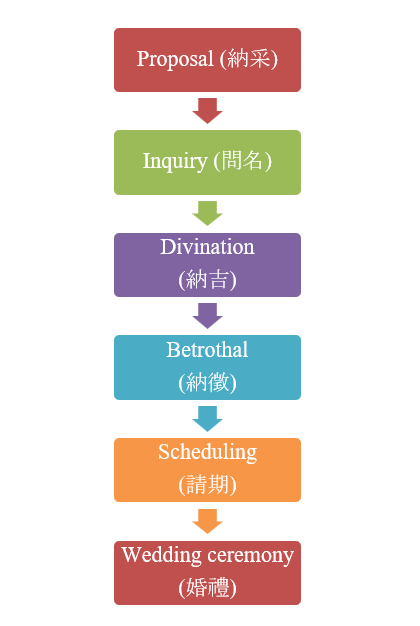
Figure 1 Steps of the traditional Cantonese pre-wedding ceremony.
Source: Author.
Historically, the “Three Letters and Six Rites” served as the foundational pillars of Cantonese wedding traditions. However, in the contemporary context of HCMC, these documents have transcended their original function as mere “paperwork.” Today, they serve as vital instruments for expressing a groom’s devotion and a family’s respect. These letters remain a primary source for both families to assess their mutual lineage and historical standing. They reinforce the traditional concept of “well-matched families”, ensuring that wealth, background, and social prestige are aligned. For example, while the Betrothal Letter acts as a formal commitment that honors the bride’s family and confirms wedding details, and lists the types and quantities of gifts, it now typically outlines the groom’s offerings alongside the bride’s dowry, representing the community’s best wishes and serving as a culturally significant way of formalizing the values of love and respect.
Following the ancestral veneration at his own home, the groom proceeds to the bride’s home to deliver the formal betrothal gifts. His family prepares a whole roasted pork and an assortment of traditional bridal Cantonese cakes (Figure 2). The number of cakes must be even, as it symbolizes happiness and completeness. Typically, six cakes are represented by three pairs (Figure 3) to ensure the couple is blessed with abundance and a balanced life. After the ceremony, the bride’s family returns the offerings in a display of mutual respect and reciprocal acculturation. This “Return of Gifts” typically includes fresh fruit, a pair of roosters or hens, wine, and specific portions of the roasted pig, such as the head, tail, and legs. This gesture is deeply symbolic, representing the idea that the “blessings” brought by the groom are acknowledged and shared. Specifically, returning the head and tail symbolizes a marriage that is “complete from beginning to end,” ensuring the groom's family receives their share of abundant luck and prosperity.
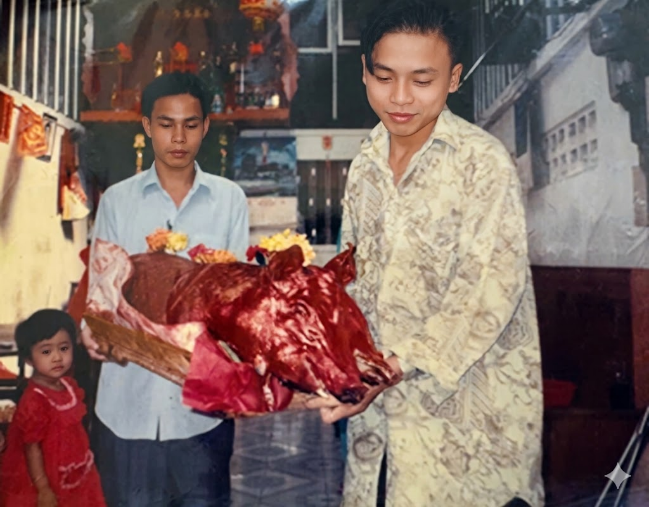
Figure 2 Cantonese groomsmen brought a roasted pig to a bride’s house.
Source: Mei (2026).
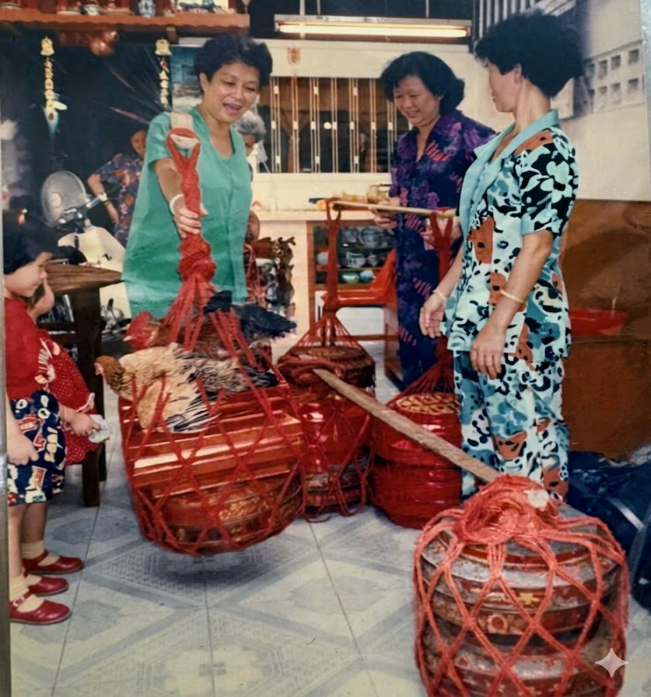
Figure 3 Traditional cakes given to the bride’s family.
Source: Mei (2026).
In addition, the hair-combing ceremony (上頭) remains one of the most resilient “non-negotiable” rituals in contemporary Cantonese weddings. This ritual is presided over by a “woman of good fortune” (a female relative with a living husband, children, and a happy life). As she combs the hair four times, she recites an incantation known as the Four Blessings, each representing a pillar of a successful marriage. The first comb stroke symbolizes a union that lasts until the couple reaches “white hair” together (bách niên giai lão). The second comb stroke represents enduring harmony and mutual respect. The third comb stroke is a prayer for a flourishing lineage, abundant with children and grandchildren. The fourth comb stroke invokes wealth, health, and a lifelong path of good fortune. These steps represent the transition from childhood to adulthood in their social lifecycle. This custom is notably preserved in contemporary Chợ Lớn weddings, often cited by practitioners as a core element of their “cultural soul” that distinguishes them from the broader urban society. (Mei, 2026).
Wedding ceremony
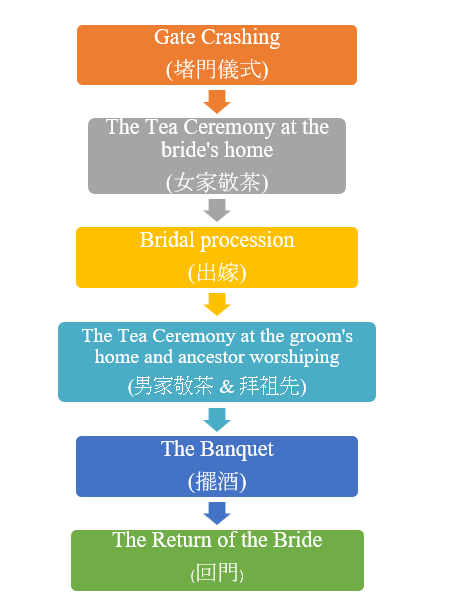
Figure 4 Steps of the traditional Cantonese wedding ceremony
Source: Author.
The wedding day in Chợ Lớn is characterized by a vibrant, sensory-rich atmosphere—colorful, boisterous, and deeply symbolic. As Figure 4 indicates, the first step is Gate Crashing (堵門儀式). Before executing this step, a representative of the bride’s family, usually a brother of the bride, welcomes the groom (Figure 5). The groom must give lucky money to the brother and drink a small cup of tea. Subsequently, the gate-crashing step commences.
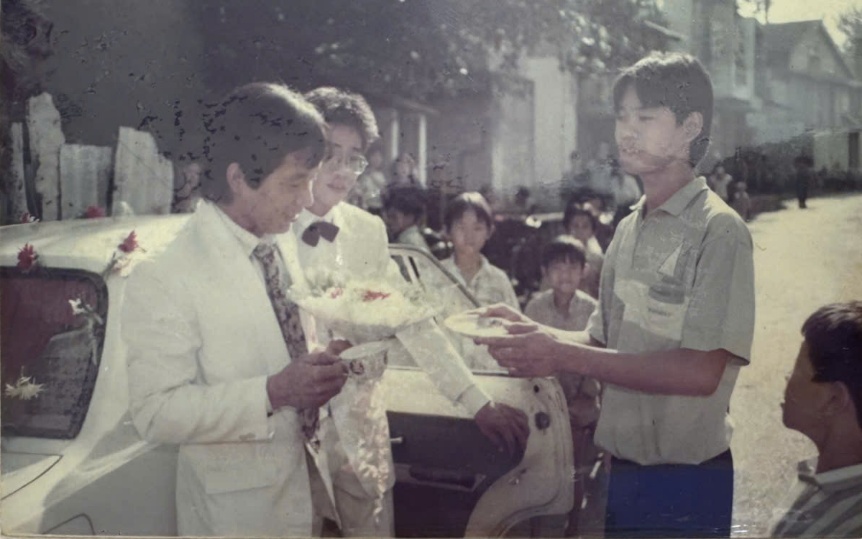
Figure 5: The groom arrives and is invited by a brother of the bride with tea
Source: Mei (2026).
The Gate-Crashing phase is perhaps the most vibrant and culturally distinct element of the Cantonese wedding in HCMC. While often popularized by Hong Kong cinema, this tradition remains a deeply rooted lived reality in Chợ Lớn. It serves as a public demonstration of the groom’s perseverance and his social worthiness to the bride’s kin. When the groom and his attendants reach the bride’s threshold, they are met by a “blockade” of bridesmaids and female relatives. To gain entry, the groom must navigate a series of ritualized challenges (eating spicy food, singing love songs, answering quizzes about the bride) and pay a “toll” in red envelopes (利是) to the bridesmaids. It symbolizes that the bride is a precious jewel of her family and is not easily given away. Once the challenge is complete, the groom marries the bride. The Cantonese are famous for the generosity and specificity of these offerings (Figure 6).
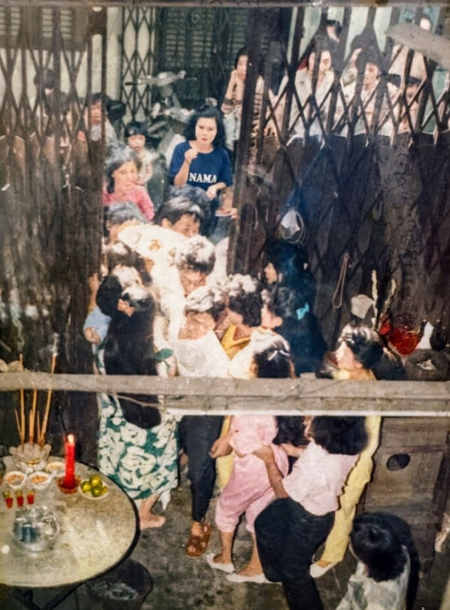
Figure 6 Gate crashing in a traditional Cantonese wedding in Ho Chi Minh City, Vietnam
Source: Mei (2026).
In Step 2, as the groom’s procession enters the bride’s home, the ceremony shifts from the boisterous energy of the gate-crashing games to the solemnity of the Bridal Reception. This ritual acts as the formal “transfer” of the bride, requiring permission from both the living and the dead. Before the groom enters the inner sanctum of the home, the bride undergoes a symbolic “veiling” by her brother or sister. As shown in Figure 7, the groom must present a red envelope (利是) to his parents-in-law upon arrival. Only then is he permitted to partially lift the bridal headdress—a gesture that marks his first official encounter with his bride as her husband (Figure 7). The Tea Ceremony (敬茶儀式) is widely regarded as the spiritual and social core of the Cantonese wedding, often holding more significance than the modern banquet. It is a formal enactment of filial piety and a public recognition of the new family structure. The couple kneels—a traditional sign of deep respect—and serves tea to their parents and elders (grandparents, uncles, and aunts) in a strict order of seniority. After sipping the tea, the elders return the gesture of respect with red envelopes or by adorning the bride with gold jewelry (often the iconic dragon and phoenix bangles). The bride must address each relative by their precise Cantonese title. This linguistic performance is a crucial test, proving she has internalized the complex family hierarchy and is ready to fulfill her role within the lineage (Figures 8 & 9).
The third stage, the Bridal Procession, marks the formal relocation of the bride. In this ritual, the groom, accompanied by a senior representative from his family, arrives at the bride's residence to escort her to her new home. As the bride exits her family home, a “woman of good fortune”—the same auspicious figure from the hair-combing ceremony—holds a red umbrella over the bride's head. The bride’s mother usually gives her daughter a wax candle and a sugarcane stalk, symbolizing a life that is “sweet from beginning to end.” The segmented nature of the sugarcane also represents gradual, steady growth and the resilience of the family bond. The bride remains under the umbrella’s protection until she is safely inside the vehicle. Upon arriving at the groom’s residence, the integration process continues with a second Tea Ceremony (Figure 10). By serving tea to the groom’s parents and extended family, the bride performs her first official act as a daughter-in-law, signaling her formal transition into the new clan and the beginning of her domestic responsibilities within his lineage.
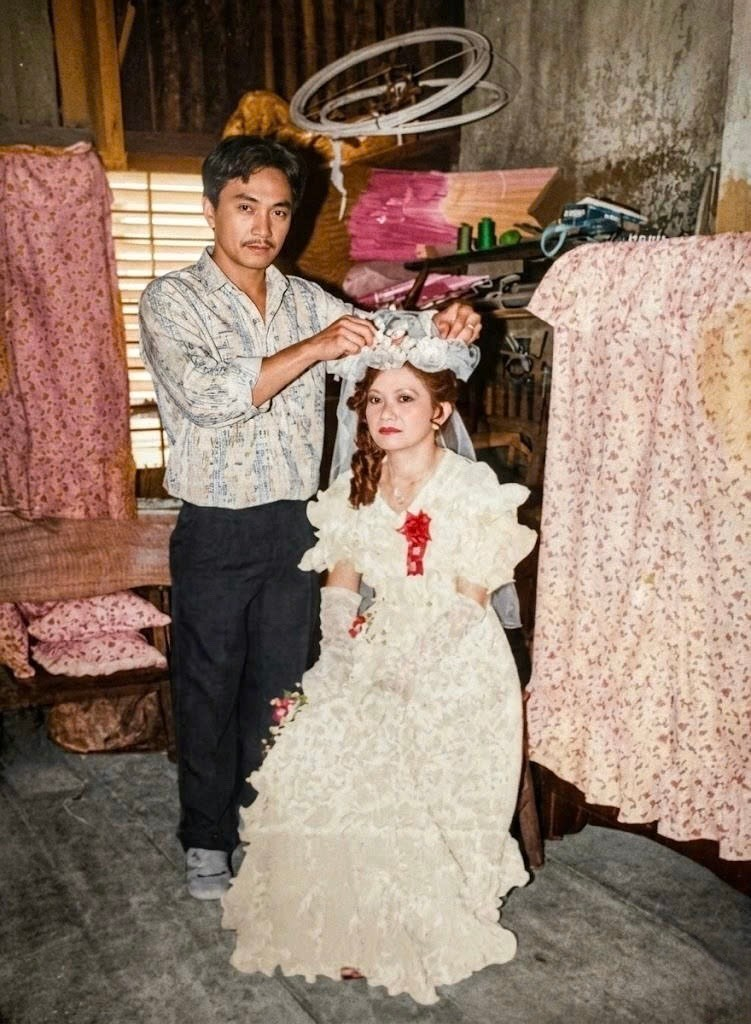
Figure 7 The brother of the bride veils her with a bridal headdress.
Source: Mei (2026).
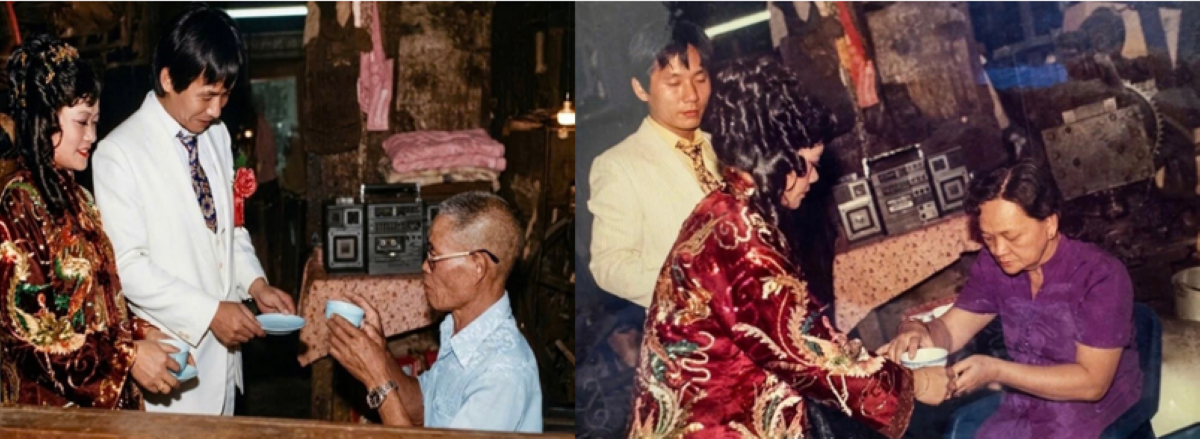
Figures 8 & 9: The bride and groom invite the bride’s parents for tea during the wedding reception.
Source: Mei (2026).
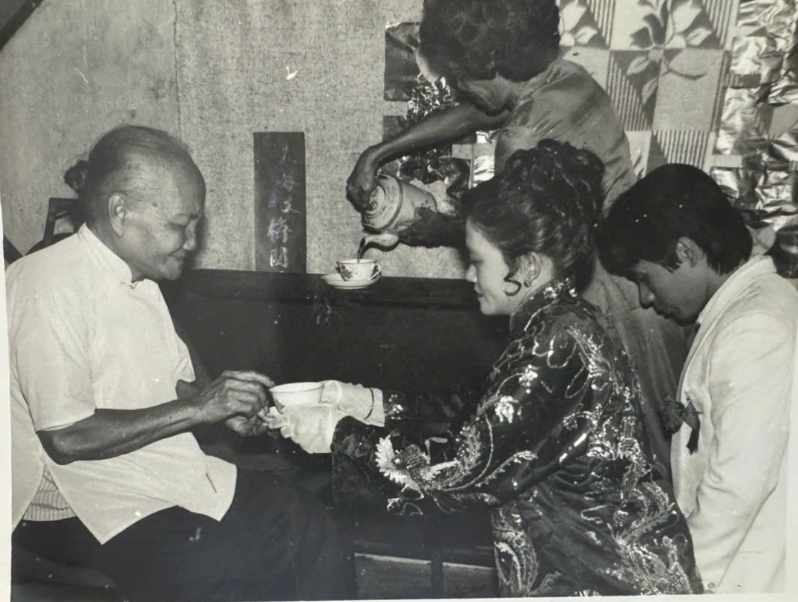
Figure 10 The bride and the groom invite the groom’s parents for tea
Source: Mei (2026)
The wedding banquet, step 4, can be organized by the groom’s family, serving as the public manifestation of the union. The ultimate step is the Return of the Bride (回門禮). The couple usually stays three days after the wedding (or sometimes immediately the next day). The groom brings a roasted pig to the bride’s family. Traditionally, the bride’s family keeps the middle section of the pig and returns the head and tail to the groom’s family. This symbolizes a beginning and an end (completeness), and that the groom is a generous provider. (Jun, Jian, Liu, & Wei, 2019).
In general, the traditional Cantonese wedding ceremony in HCMC is a deeply ritualistic and structured institution that prioritizes lineage continuity and social harmony over individual preference. By adhering to the ancient “Three Letters and Six Etiquettes”, the community maintains a sacred bond with ancestral traditions while emphasizing the formalization of love through rigid social protocols. The progression from complex pre-wedding rites, such as astrological divination and the symbolic hair-combing ceremony, to the vibrant public displays of the wedding day illustrates a transition from childhood to a status of communal responsibility. Key elements, such as the “Gate Crashing” games and the hierarchical Tea Ceremony, serve as both entertainment and essential social mechanisms that integrate the couple into the wider clan structure. Ultimately, these customs reflect the unique cultural identity of the Cantonese people in HCMC, acting as a resilient bridge between historical Chinese orthodoxy and the specific urban heritage of Chợ Lớn in the present day.
Adaptations and preservation
To investigate the major changes and transformations in traditional Cantonese weddings, I surveyed 115 Cantonese residents living in major districts of the Cantonese people in HCMC. I coded all questions as follows: (Q1=Hair Combing; Q2= Bridal Procession, Q3= Gate Crashing; Q4= Tea Ceremony; Q5= Banquet; Q6= Return of the Bride). I asked my informants whether these steps still exist in the current Cantonese wedding ceremonies in HCMC. The results were coded (0= disagreed; 1= agreed)
Table 2 reveals that the core procedural steps of traditional Cantonese wedding customs remain robustly preserved in contemporary HCMC, as mode=1 for all survey questions. In particular, the Bridal Procession-Q2 (93.3%) and Gate Crashing–Q3 (90.4%) are nearly universal in contemporary Cantonese weddings. It indicates that these components still play an important role in the intergenerational transmission of Cantonese culture. These rituals are characterized by their highly social and “visible” nature, actively engaging the younger generation (bridesmaids and groomsmen) in the performance of ethnic identity. Their persistence suggests that “joyous noise” and communal celebration remain essential to the modern Cantonese identity in HCMC. The Tea Ceremony – Q4 (83.5%) continues to be a highly preserved and central pillar of the wedding process. This reflects the enduring importance of “filial piety” and the formal social mechanism of connecting two lineages, as noted in foundational scholarship. In contemporary practice, this ceremony is typically bifurcated, being held at both the groom’s and the bride’s residences to honor both sets of ancestors and elders.
Table 2 Statistics on the preservation of traditional Cantonese wedding customs in the current day of Ho Chi Minh City
|
Q1 |
Q2 |
Q3 |
Q4 |
Q5 |
Q6 |
Valid |
115 |
115 |
115 |
115 |
115 |
115 |
Mean |
0.62 |
0.94 |
0.9 |
0.83 |
0.77 |
0.72 |
Median |
1.0 |
1.0 |
1.0 |
1.0 |
1.0 |
1.0 |
Mode |
1 |
1 |
1 |
1 |
1 |
1 |
Percentage (%) |
100 |
100 |
100 |
100 |
100 |
100 |
Agreed |
61.7 |
93.3 |
90.4 |
83.5 |
77.4 |
72.2 |
Disagreed |
38.3 |
6.1 |
9.6 |
16.5 |
22.6 |
27.8 |
“In our wedding ceremony, tea rituals are conducted at both the bride’s and groom’s homes. Upon the groom’s arrival at the bride’s house with the wedding gifts, a tea ceremony is held, during which tea is exchanged between the bride and groom and offered to the bride’s parents and grandparents, if present. As soon as the bride arrives at the groom’s house, a second tea ceremony takes place, allowing the bride to formally offer tea to her parents-in-law.” (Man, 2024).
In contrast to the nearly universal practice of gate-crashing, the Hair Combing-Q1 (61.7%) ritual recorded the lowest agreement rate, with 38.3% of respondents indicating that this ritual is no longer practiced in their specific contexts. The data suggests a significant cultural shift. As an intimate, home-based ritual rooted in ancient Chinese orthodoxy, its decline may be attributed to two primary factors: individualism and the loss of specialized elders (women of good fortune), who traditionally facilitated this rite. Besides, while Cantonese weddings were historically a strictly governed contract between clans, the lower agreement rates for the Return of the Bride (72.2%) and the Banquet (77.4%) suggest a subtle diminishing of rigid post-wedding obligations. Large-scale clan displays are being slightly recalibrated in favor of personal choice and pragmatic convenience.
Moreover, recent studies suggest a definitive move toward gender equality within the Cantonese community, with women increasingly participating as equal partners in domestic decision-making (Ha, 2025, p. 204). The exceptionally high agreement for gate crashing (90.4%)—a ritualized performance where the groom must “earn” entry— symbolizes the modern view of the bride as a “precious jewel”, aligning with increased female agency in marriage This symbolism aligns with the rise of female agency in marriage; rather than being a passive figure in a clan arrangement, the bride is positioned as a valued individual whose transition into a new family requires a demonstrable display of the groom's respect and commitment.
In contemporary Cantonese weddings in HCMC, the matchmaker’s role has evolved from a structural necessity to a symbolic and ceremonial one. Modern couples have largely moved away from traditional arranged marriages. They, however, prioritize affective individualism, emphasizing genuine love, mutual understanding, and personal autonomy. Traditionally, a matchmaker or senior members from the groom’s side were indispensable for bridging the two families and formalizing the marriage proposal. However, today’s Cantonese youth rely on their social networks and personal relationships to find a suitable partner. The matchmaker is no longer the “gatekeeper” of the relationship. Instead, this figure serves as a consultant to ensure that traditional protocols are followed during the festivities.
“Our relationship is built on mutual respect and understanding. Couples may come to know each other through friends or colleagues and enter a romantic relationship based on shared values and mutual affection. Once the decision to marry is made, they seek their parents’ consent to marry. In some cases, when a representative is required for ceremonial purposes, a respected elderly man from the extended family is invited to fulfil this role.” (Ming, 2024).
This perspective reveals a fundamental transition in the structural dynamics of Cantonese weddings in HCMC. Matrimony is now largely based on personal choice, emotional compatibility, and shared values, representing a decisive shift from parental arrangements. Modern couples typically encounter one another through social networks, such as professional circles or peer groups, indicating the emergence of a love-based marriage model. Although couples choose their partners independently, parental approval remains a critical milestone in the marital process. Seeking parental consent reflects the enduring influence of filial piety and family hierarchies in Cantonese culture. Traditional practices, such as having a respected elder represent the family during ceremonies, are still maintained, but their role has become more symbolic than decisive. This adaptation illustrates how the community effectively recalibrates ancestral rituals to align with the socio-economic realities of modern urban life, maintaining cultural continuity without sacrificing individual autonomy.
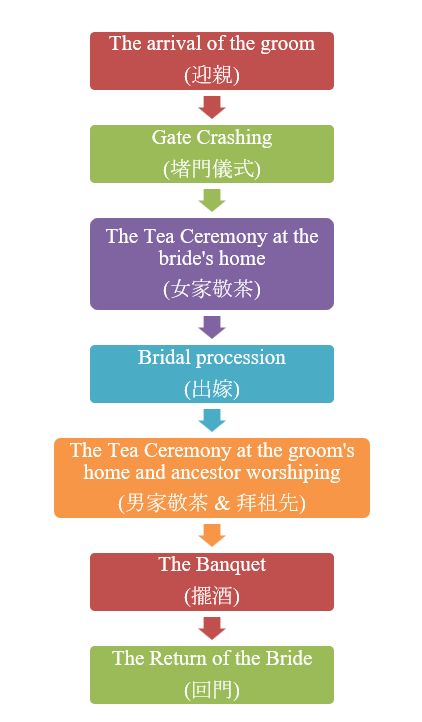
Figure 11 Steps of a modern Cantonese wedding ceremony in Ho Chi Minh City
Source: Author
Ancestor worship is also an integral part of Cantonese wedding ceremonies, reflecting the core Confucian values of filial piety, lineage continuity, and solidarity. Although the practice has been simplified in contemporary contexts, its cultural significance remains unchanged. This custom serves to legitimize marriages within the lineage. By reporting their marriage to their ancestors—often through incense offerings, bowing, or ritual prayers—the couple formally announces the continuation of the family line. In contemporary Cantonese weddings in HCMC, the practice of ancestor worship has undergone a ritual transformation rather than a complete disappearance. In dense urban settings or among younger generations, this practice is frequently streamlined due to practical constraints – such as limited space in modern apartments – or a broader trend toward secularization. Nevertheless, when retained, these rituals often carry a symbolic value rather than a strict religious meaning, signaling their continuity with the past, using ancestral veneration as a tool to affirm their ethnic distinctiveness within the broader Vietnamese social landscape.
“Ancestor worship is considered a compulsory ritual when a bride joins her groom’s family. It reflects her respect and loyalty to the groom’s family and their ancestors and symbolizes her formal incorporation into the groom’s family. However, during this ritual, the bride is not required to wear a veil. This is regarded as a distinctive practice that should be preserved in contemporary weddings.” (Yan, 2024).
A wedding banquet in a Chợ Lớn restaurant (often famous ones like Ái Huê, Đồng Khánh, or Windsor) has distinct features. A distinct feature of these banquets is the “ritualized lateness” of the guests; while invitations may specify a 6:00 PM start, the assembly typically does not reach its peak until 7:30 PM. The menu itself is governed by strict numerology, almost always consisting of eight or nine courses—numbers representing prosperity and longevity, respectively. Each dish served is a symbolic wish for the couple’s future, as noted in the culinary analysis by Zhou (2022): shark fin soup (or high-grade seafood soup) acts as a critical marker of the host family’s prestige and social standing; a whole fish is essential because the phonetic sound for “fish” (yú) is homophonous with the word for “surplus” (yú); chicken is served to symbolize the phoenix, creating a balance with the dragon imagery pervasive throughout the wedding; long noodles, served toward the end of the meal, represent a wish for a life together of great duration. The climax of the communal experience is the “Yam Seng” toast. This loud, rhythmic, and communal activity—where guests shout for as long as their breath allows—serves to unify the disparate tables into a single celebratory body. It is a public display of joyous noise that confirms the couple’s successful transition into married life.
Discussions
In modern Cantonese weddings in HCMC, certain rituals remain nearly universal, whereas others have gradually declined in popularity. The tea ceremony continues to be widely practiced as it expresses the bride and groom’s respect for their elders and ancestors and symbolizes their commitment to family values. This ritual is performed twice, once at the bride’s home and once at the groom’s home. This persistence indicates that younger generations of Cantonese people are strongly aware of the importance of preserving traditional practices. This is closely related to Max Weber’s concept of “substantive rationality”. While formal rationality stresses the convenience of ritual practices, substantive rationality focuses on ultimate values such as religious, ethical, or traditional values. This custom is not considered when making the wedding schedule, but it fulfils the value of filial piety. Skipping it would be “irrational” within the Cantonese value system because it would damage the couple’s spiritual and social status. (Kalberg, 1980).
In addition, the bridal procession and gate-crashing rituals have become prominent elements of the wedding ceremony. According to traditional Cantonese customs, when the groom’s procession arrives at the bride’s home, the bride’s sisters and friends close the doors and block the entrance of the house. The groom is then required to complete a series of playful challenges, such as lemon eating, singing, or push-ups, before being allowed to enter the house. Once inside, the bride and groom bow together before their ancestors and offer tea to their parents and relatives. Subsequently, the bride’s family bestows blessings upon the couple by presenting red envelopes or jewelry, in accordance with traditional Chinese wedding customs. Red envelopes symbolize good fortune and “smooth sailing” in all endeavors. These envelopes are often given by the bride and groom to their bridesmaids and groomsmen (Hall, 2021). These practices align with the arguments that ethnic identity is not a static relic of the past but also a continuous process of reinvention. The younger generation is actively repositioning tradition to ensure its relevance in a modern, urban landscape. This evolution demonstrates how Cantonese wedding rituals embody a negotiated modernity, in which tradition is not blindly followed; it is selectively preserved, creatively reinterpreted, and strategically embedded within contemporary social reality.
The transition of the match-makers has declined from authority to advisory. The modern shift is evident as Cantonese couples are moving away from marriages arranged by their parents for social or economic reasons. The matchmaker is no longer the “gatekeeper” of the relationship. However, this person still symbolizes a “good fortune” guide for the wedding. To have a representative with the groom for the bridal procession, the groom’s side may ask for help from an elderly person or a senior to be on behalf of the groom’s side to the bride’s home. This person also plays a part in giving advice to Cantonese families for wedding protocols, which must be followed during the ceremony itself. As such, matchmakers now help mediate between tradition and the modern desire for personal agency. This situation provides a clear empirical illustration of Max Weber’s theory of rationalization. In the past, marriage was governed by substantive traditional authority; however, in contemporary HCMC, it has been “disenchanted” and moved toward personal agency and formal efficiency. Furthermore, the persistent practice of the solemn tea ceremony, contrasted with the playful “gate-crashing” rituals, exemplifies Stuart Hall’s concept of identity as a “production.” By selectively preserving ancestor worship, gate crashing, or hair combing as key steps of a wedding ceremony, the Cantonese go far from resisting “Vietnamization” (as per Berry’s Acculturation), but are actively negotiating a hybrid space where ethnic markers (the Kwa, the language) coexist with the rational demands of a modern global city.
These descriptive observations indicate a dynamic interaction between tradition and modernity within Cantonese weddings in HCMC. The Cantonese do not exist in a vacuum. Residing with the Kinh Vietnamese instead, the Cantonese have undergone an accelerated rate of acculturation. This process represents the profound cultural and psychological shifts that occur when distinct cultures intersect. HCMC is the largest city of Vietnam, where a constant flux, drawing Kinh migrants, international expatriates, and Cantonese business groups from across Southeast Asia, arrives. As such, omitting some wedding steps in modern Cantonese weddings shows the growing concept of Cantonese selective simplification. While hair combing, gate crashing, or tea ceremonies are still priorities in their current value system, the choices of other values have succumbed to the growing individualism of the younger Cantonese. Many rituals associated with the pre-wedding phase have been simplified or removed due to the COVID-19 pandemic. A prominent example of this shift is the replacement of the traditional Three Letters with formal marriage certificates issued by local authorities. This transition reflects the increasing institutionalization and secularization of marriage, where the legal authority of the state supersedes the ritual contract of the clan. The strong trend toward gender equality is also apparent in couples’ motivations for marriage, which are now grounded in mutual understanding and respect rather than parental arrangements. Couples increasingly negotiate their marital roles and wedding details through mutual agreement rather than within the framework of a traditional matchmaker system (Bery, 1997).
Nevertheless, the pursuit of individual choice does not negate the enduring importance of filial piety in families. Following the conceptualization of identity as “becoming” rather than “being” (Hall, 1978), the evolution of Cantonese wedding customs in HCMC should not be framed as a linear decline of tradition. Instead, these changes represent the repositioning of Cantonese Vietnamese subjects. Seeking parental consent remains a vital practice, as both the bride and groom request their parents’ approval before initiating a wedding. During the ceremony, the tea ritual and ancestral veneration serve as the most prominent expressions of filial piety and intergenerational respect. The tea ceremony, in particular, functions as a formal social mechanism for linking two lineages and is more symbolically significant than the wedding banquet, as it marks the moment when the bride is formally incorporated into the groom’s clan. Although ancestor worship has been simplified in contemporary practice, this represents a process of ritual transformation rather than disappearance, underscoring its enduring symbolic value in constructing a cultural identity.
Moreover, despite the geographical dispersion of the Cantonese communities in HCMC, the survey results indicate a robust commitment to the preservation of traditional wedding rituals. With a mode of 1 across all respondents, there is a clear and collective effort to transmit these customs to the younger generation. Residing near the Kinh Vietnamese cultural zone, the Cantonese in HCMC share some similarities with the Kinh in their cultural practices. Ancestor worship remains a central ritual used to legitimize marriage within the lineage, a core value shared with Vietnamese culture. To adapt to modernity, the Cantonese have simplified their incense offerings so that they only happen briefly. They also do not strongly suffer from acculturation and “Vietnamization” in their wedding customs. During the wedding, Cantonese couples often wear a Kwa—a red jacket with dense gold embroidery. The dragon and phoenix symbolize the perfect balance of Yin and Yang and harmonious marriage. Most participants in the wedding ceremony speak Cantonese, the native language of the Cantonese, throughout the wedding ceremony steps, even though bilingual rituals may occur (Figure 12). This continues to highlight the importance of Hall’s perspectives on how cultural identities are shown as performance and cultural preservation, protecting boundaries, and reinforcing kinship ties.
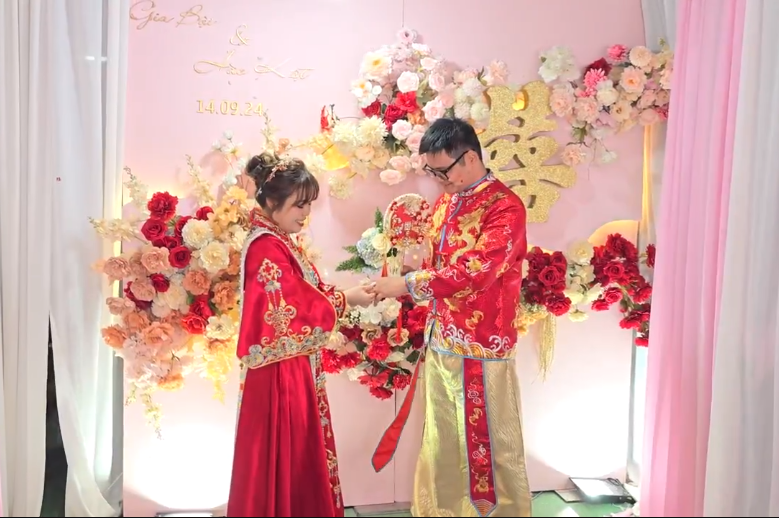
Figure 12 A Cantonese wedding ceremony in Ho Chi Minh City in September 2024
Source: Author
To strengthen the concept of the Cantonese in HCMC, who effectively sustain their native culture in a mixed cultural space, I asked three questions and coded them (Q7= the Cantonese should omit inappropriate wedding rituals in a modern setting; Q8= the Cantonese should all adapt to Vietnamese wedding rituals; Q9= the Cantonese should preserve their traditional wedding rituals). These questions were processed in the form of Likert scales using SPSS, and the results are shown below.
Table 3 Statistics on the Cantonese’ stances toward their wedding custom preservation in Ho Chi Minh City, Vietnam
|
Q7 |
Q8 |
Q9 |
Valid |
115 |
115 |
115 |
Mean |
2.39 |
1.56 |
3.39 |
Median |
2 |
1 |
4 |
Mode |
1 |
1 |
4 |
Hall et al.(1978) posit that while individuals prioritize the survival of their cultural identity in the first place, that identity is inevitably reshaped by differing living environments and historical influences. Table 3 shows that there is a profound consensus regarding the necessity of maintaining traditional wedding customs (Q9; x̄ = 3.39, mode = 4). The relatively high mean score indicates a strong consensus on the significance of maintaining traditional wedding customs, suggesting that weddings are perceived as a key site for expressing cultural continuity and ethnic resilience. This finding supports the view that ritual practices serve as genuine illustrations of cultural preservation throughout the life cycle. In contrast, the adoption of all elements of Vietnamese wedding customs received very low support (Q8; x̄ = 1.56, mode = 1). This means that while Cantonese individuals may incorporate certain elements of modern wedding customs, such as organizing their banquet in large restaurants to build business relationships within the guild community, or many families perform rituals, such as choosing auspicious times and lighting lamps for formality or to please elders, the Cantonese are still highly cognizant of ethnic awareness of traditional rituals affiliated with their lineage, ancestry, and group identity.
Thus, there is a clear correlation between Weber’s rationalization theory and Berry’s acculturation theory (Weber, 1978). In Berry’s model, successful cultural integration requires a delicate balance: maintaining one’s heritage while actively interacting with the dominant society. The Cantonese achieve this balance through a process of ritualistic simplification and their adaptation to Western-style wedding customs, such as champagne toasts and professionalized restaurant banquets, to align with global standards. To remain truly “integrated”, the Cantonese do not relegate their most sacred customs, such as hair-combing or the presentation of significant dowries. Alternatively, their efforts to shorten the incense offering and professionalize the services are to fit into a modern, busy life in HCMC. Rationalization, as mentioned, is the “filter” that allows the most vital Cantonese symbols to survive the pressures of the dominant culture by shedding the technical weight of less essential steps. There remains some internal controversy regarding whether Cantonese weddings should retain every traditional ritual or be simplified to accommodate modern contexts (Q7; x̄ = 2.39, mode = 1). Informants appear willing to simplify or shorten certain procedural aspects of weddings in response to contemporary constraints, such as time, cost, and urban contexts. Despite this debate, the majority of participants oppose replacing core wedding rituals such as gate crashing, the tea ceremony, and ancestor worship, indicating that these rituals are regarded as non-negotiable cultural markers rather than optional customs. The community avoids “Vietnamization” not by being rigid but by being rationally flexible. By streamlining the technical aspects of rituals (Formal Rationality), such as shortening incense offerings to fit urban schedules. Thus, Rationalization acts as a defensive mechanism that facilitates cultural persistence within a multi-ethnic urban landscape.
Conclusions
This study provides a comprehensive examination of the evolution of Cantonese wedding rituals within the contemporary urban landscape of HCMC. By employing a mixed-methods approach, this research maps the persistence of core traditional elements alongside significant adaptations driven by the dual forces of modernization and “Vietnamization”. The findings demonstrate that while the “Three Letters and Six Etiquettes” once formed the rigid backbone of Cantonese lineage-based marriages, contemporary practices have shifted toward more flexible and individual-centric celebrations of marriage. While core rituals such as the tea ceremony, gate-crashing, and betrothal gift exchange remain “non-negotiable” anchors of ethnic identity, other customs—most notably the formal “Three Letters”—have largely disappeared as marriages have transitioned from clan contracts to personal unions.
Several key drivers of these transformations have been identified in the literature. First, the socio-economic shifts in a metropolitan hub like HCMC have catalyzed a transition toward a market economy. This evolution has transformed weddings into sites of conspicuous consumption and hybrid identity, blending traditional Chinese symbolism with Western and modern Vietnamese wedding practices. This is best understood through the theoretical lenses of Max Weber’s Rationalization, John Berry’s Acculturation, and Stuart Hall’s conceptualization of cultural identities. Moreover, modern lifestyles have fostered a rise in gender equality and individualism, which have diminished the authoritative role of traditional matchmakers, moving the focus of matrimony toward romantic love and mutual decision-making. However, despite the “Vietnamization” of certain procedures, Cantonese practitioners selectively integrate local customs to fit the broader societal context, which is influenced by Kinh Vietnamese and global urban culture. They continue to navigate the delicate balance between cultural preservation and societal adaptation. The resilience of these wedding rituals serves as a vital microcosm of the broader diaspora experience, illustrating how an ethnic group maintains its “cultural soul” while navigating the tides of a changing society. Even if some rituals have been simplified or modified to fit modern urban life, their underlying symbolic meanings—focused on filial piety, fertility, and harmony—continue to define the Cantonese people as a socially integrated yet culturally distinct group.
Recommendations
For authority: The HCMC local authority should encourage the Cantonese to revive their wedding customs and allow Chinese enterprises to enter the Cantonese wedding industry.
For Cantonese groups in HCMC, the local community should organize training workshops for young couples and families to learn the correct protocols of the wedding ceremony, framing them as a way to preserve their tradition and language. This program can be managed by social congregations and family groups. It is also possible to support local artisans in Chợ Lớn who create traditional items, such as the Dragon and Phoenix Kwa or carved ceremonial candles, to keep material culture accessible.
Suggestions for further research
Further, researchers must conduct a comparative study on weddings between Cantonese and Kinh partners to see how rituals are negotiated when two different cultural backgrounds merge in HCMC.
It is also critical to enlarge the number of informants to generalize the study and see if future communities may change their attitude toward gender equality and lineage continuity as they become the senior members of their families, and if new trends will be adopted for future weddings to what extent.
The disproportionately high proportion of younger people in this study may have biased the analysis of the significance of traditional rituals toward the younger generation’s perspectives. As such, further research should be conducted more thoroughly with older adults or senior groups in the Cantonese congregations in HCMC to create a comprehensive history of the traditional wedding procedure via oral narratives or informant surveys.
Acknowledgements
I would like to express my sincere appreciation to the two anonymous reviewers for their constructive feedback, as well as to the editorial team of the Asian Journal of Arts and Culture for their careful and dedicated editorial support. I am also deeply grateful to my Cantonese colleague, Ms. Wenwen Cao, for her invaluable assistance with data collection and language interpretation.
Declaration of Generative AI in Scientific Writing
I used generative AI tools in the preparation of this manuscript. Specifically, Paperpal was employed to improve the clarity and overall quality of the language, as I am not a native English speaker. In addition, Gemini was used to restore the historical photographs included in this manuscript. No AI tools were used to generate research content, in strict adherence to academic integrity standards. All AI-assisted outputs were carefully reviewed and verified for accuracy, and I take full responsibility for the final version of this work.
CRediT author statement
Huy Trieu Ha: Data collection and processing, Manuscript draft, and Proofreading.
References:
An, P. (2005). Chinese people in southern Vietnam (in Vietnamese). Ho Chi Minh City, Vietnam: Social Sciences Publishing House.
Beibei, Z. (2025). The significance of the Chinese wedding ceremony: A cultural and historical perspective. Retrieved from https://www.kongziyjy.org/en/nd.jsp?id=2340.
Berry, J. W. (1997). Immigration, acculturation, and adaptation. Applied Psychology, 46(1), 5-34.
Duong, M. (1994). The society of the Chinese in Ho Chi Minh City after 1975 - potential for development (In Vietnamese). Journal of Anthropology, 10(82), 3-12.
George, D., & Mallery, P. (2024). IBM SPSS Statistics 29 Step By Step: A simple guide and reference. London: Routledge.
Ha, H. T. (2025). Changes in marital and familial perspectives of the Chinese Cantonese community: A case study in Ho Chi Minh City, Vietnam. International Journal of Asia Pacific Studies, 21(2), 179-209.
Hall, S. (2021). The fateful triangle: Race, ethnicity, nation. Cambridge, MA: Harvard University Press.
Hall, S., Critcher, C., Jefferson, T., Clarke, J., & Roberts, B. (1978). Policing the crisis: Mugging, the state, and law and order. London: Palgrave HE UK.
Li, T. (1998). Nguyen Cochinchina: Southern Vietnam in the seventeenth and eighteenth centuries. Ithaca, N.Y.: Cornell University Publishing House.
Lien, T. H. (2007). The culture of the Chinese in Ho Chi Minh City (In Vietnamese). Ho Chi Minh City, Vietnam: Social Science Press.
Lua, H. (2016). The history of land reclamation in Cochinchina (In Vietnamese). Ho Chi Minh City, Vietnam: Tong Hop Publishing House.
Armstrong, R. A. (2001). Chinese populations in contemporary Southeast Asian societies: Identities, interdependence and international influence. New York: Routledge Taylor & Francis Group Publishing House.
Man, S. (2024). Interview: Ho Chi Minh City, Vietnam.
Mei, L. P. (2026). Interview: Ho Chi Minh City, Vietnam.
Ming, W. (2024). Interview: Ho Chi Minh City, Vietnam.
Nhat, D. T. (2017). Hakka force (In Vietnamese). Ho Chi Minh City: Nha Nam Publishing House, Vietnam.
Phuong, T. H. (2012). Symbols in the marriage of Chinese Cantonese in Ho Chi Minh City. Journal of Thu Dau Mot University, 1(3), 92-99.
Profile D7-174. (1954). Records of the Chinese Nationals’ activities(In Vietnamese). Ho Chi Minh City, Vietnam. Collection of the State of Vietnam’s Prime Minister, National Archives Center 2.
Nguyen, T.-D. T., & Belk, R. (2012). Vietnamese weddings: From marx to market: From marx to market. Journal of Macromarketing, 32(1), 109-120.
Tran, S. H. (2005). The relationship between the Sino-Vietnamese community in Ho Chi Minh City and the Chinese community in Southeast Asia (In Vietnamese). Ho Chi Minh City, Vietnam: Ho Chi Minh City’s Economic Institution.
Trang, T. V. (2015). Chinese identity negotiation by Chinese Vietnamese women in Chợ Lớn community, Ho Chi Minh City, Vietnam through the use of Chinese at home. Journal of Mekong Societies, 11(1), 55-87.
Weber, M. (1978). Economy and society: An outline of interpretive sociology. Berkeley, CA: University of California Press.
Yan, W. (2024) Interview: Ho Chi Minh City, Vietnam.
Zhou, J. (2022). A study on the cultural differences reflected in Chinese and American wedding feasts. International Journal of Education, Culture and Society, 7(4), 198-204.
Jun, G., Jian, G., Liu, L., & Wei, G. H. (2019). A brief discussion on ancient Chinese wedding customs (In Chinese). Journal of Hebei Provincial Socialist Academy (2), 76-79.
Xin, Y. X. (2024). An exploration of the “Three Letters and Six Rites” and their cultural connotations in Chinese wedding customs (In Chinese). Chinese Traditional Culture, 12(6), 1055-1059.
Wang, J. (2016). An Exploration of Traditional Chinese Wedding Customs and Chinese-English Translation Methods (In Chinese). New Silk Road (Late Issue), 4, https://doi.org/10.19312/j.cnki.61-1499/c.2016.04.104
1The name of a peasent uprising and then a non-legitimate dynasty in medieval history of Vietnam.
2Cù Lao Phố (汜洲埔) or more commonly referred to in historical sources as 大埔 / 東浦, depending on the text) was an important early commercial and settlement center of the Chinese diaspora in southern Vietnam during the 17th and 18th centuries.
3Chợ Lớn (堤岸) is the historic Chinese commercial quarter of present-day Ho Chi Minh City and has long been the cultural, economic, and social center of the Chinese (Hoa) community in southern Vietnam. Emerging prominently in the late 18th and early 19th centuries, Chợ Lớn developed after the decline of earlier Chinese settlements such as Cù Lao Phố, as waves of Chinese migrants relocated southward.
4Bang hội (幫會) refers to traditional Chinese communal associations formed among migrants based on shared regional origin, dialect, or occupation. In the context of southern Vietnam—particularly in areas such as Chợ Lớn—bang hội played a central role in organizing the social, economic, and cultural life of Chinese communities from the 18th century onward.
5 The Three Letters (三書): The formal documents—including the Betrothal Letter, the Gift Letter, and the Wedding Letter—that acted as legal and social contracts between the two clans.
6 The Six Etiquettes (六禮): The procedural stages of the marriage process, ranging from the initial proposal (nàcǎi) to the formal wedding ceremony itself (qīnyíng).