
Trends Sci. 2026; 23(10): 13005
Characterization of Calcium-Enriched Edible Films Produced from Eggshell Powder Fortification
Herly Evanuarini1,*, Agus Susilo1, Premy Puspitawati Rahayu1 and Hemas Azizila Nidhal2
1Faculty of Animal Science, Universitas Brawijaya, Malang, East Java, Indonesia
2Doctoral Program Student of Livestock Production Technology Department, Faculty of Animal Science,
Universitas Brawijaya, Malang, East Java, Indonesia
(*Corresponding author’s e-mail: [email protected])
Received: 13 December 2025, Revised: 26 January 2026, Accepted: 2 February 2026, Published: 10 April 2026
Abstract
The development of biodegradable film is important in order to mitigate environmental problems caused by the use of synthetic plastics, especially in meat products. This work investigates the application of calcined egg shell powder (ESP) in edible gelatin-chitosan blend-based films as a functional filler towards enhancement in physicochemical and barrier properties. The films were produced by the solvent casting technique with different ESP concentrations: 0% (control), 0.25% (w/w), 0.50% (w/w) and 0.75% (w/w) of total solids. The results revealed that the incorporation of ESP also significantly increased mechanical properties of films; the tensile strength was observed to increase from 13.24 to 21.81 MPa and elongation at break from 11.63% to 15.07% for highest concentration, indicating changes in strength of polymer matrix by advantage interaction with calcium cations. Moreover, the water barrier property of films was enhanced by supplementation with ESP, in which the Water Vapor Transmission Rate (WVTR) and Water Vapor Permeability (WVP) decreased significantly (p < 0.05), while moisture content, swelling rate and solubility also reduced. FTIR analysis confirmed the formation of hydrogen bonds and electrostatic interactions between calcium ions and biopolymer functional groups, while SEM observations revealed a compact microstructure with uniform filler distribution at low concentrations. These results suggest that gelatin-chitosan films containing 0.75% eggshell calcium exhibited higher mechanical behavior and lower moisture with better potential for meat packaging applications in sustainable manner.
Keywords: Edible film, Biodegradable, Calcium, Food packaging, Gelatin, Chitosan
Introduction
Problems in food packaging, particularly meat products, are becoming increasingly complex with increasing demands for food safety, longer shelf life, and environmental sustainability. The use of conventional plastic as a packaging material often has negative impacts on the environment due to its non-biodegradable nature [1]. Increasing food consumption and the need for safe packaging have driven the development of biopolymer-based packaging materials as a substitute for fossil-based plastics [2]. Edible films made from proteins and polysaccharides offer an environmentally friendly solution and have the potential to provide active functions such as preservation or
nutritional supplementation to food products [3]. The development of edible films as an environmentally friendly packaging alternative is gaining increasing attention, particularly films based on natural ingredients such as gelatin and chitosan, which are biodegradable and have good film-forming properties.
Although gelatin and chitosan have great potential in edible film applications, both still have limitations in terms of mechanical and functional properties, particularly related to resistance to humidity, water vapor, oxygen, and suboptimal antimicrobial properties [4], which are crucial for maintaining meat quality and extending shelf life. Mixing gelatin and chitosan can reduce water vapor permeability (WVP) and water solubility, while improving the filmʼs structural properties compared to gelatin or chitosan films alone [5]. One innovative approach to improving the quality of edible films is through the addition of minerals, such as calcium, which can improve the filmʼs structure and provide additional functional benefits. Calcium is generally known for its ability to increase the strength of polymer networks and improve barrier properties against gas and water [6]. The physicochemical properties of edible films are critical prerequisites for future applications in packaging, where effective barriers are essential to minimize the risk of oxidation and microbial contamination. Fortification with calcium, particularly from natural sources such as calcium carbonate and eggshell-derived hydroxyapatite, promotes increased film tensile strength and structural stability. Functional attributes in edible films, such as microbial growth inhibition, reduction in lipid oxidation rate (TBARS), and pH stability, are important parameters for high-performance food packaging [7]. In addition, improving the structural and barrier properties of edible films is known as a fundamental development stage for identifying promising candidates for future active packaging systems.
Eggshells are a household and food industry waste rich in calcium carbonate (CaCO₃) and have high potential to be used as a natural calcium source. The volume of this waste is quite large and is often simply discarded, causing potential pollution (microbiological, odor, solid waste) and waste management problems [8], [9]. The Indonesian National Statistics Agency (BSN) reported that egg production in 2023 was 6,117,905 tons/year and increased to 6,342,705 tons/year in 2024. Based on this data, it is assumed that eggshells account for 9% - 12% of the weight of chicken eggs. Therefore, the estimated eggshell production is 550,611 to 570,834 tons/year in 2023 - 2024 [10].
Furthermore, with increasing regulations on the use of single-use plastics and consumer pressure for environmentally friendly packaging (biodegradable, edible, and minimal waste), the use of materials from local waste will increase the competitiveness of local products and support environmental and food health policies [11]. Applied research is needed to support the Sustainable Development Goals (SDGs), especially the waste reduction target [12]. Utilizing eggshell-derived calcium as fortification material in gelatin and chitosan based edible films not only adds value to industrial waste by aligning with circular economy principles and organic waste reduction efforts [13], but also significantly enhances the physical and functional properties of the film while addresing broader sustainability and waste management challenges (Figure 1).
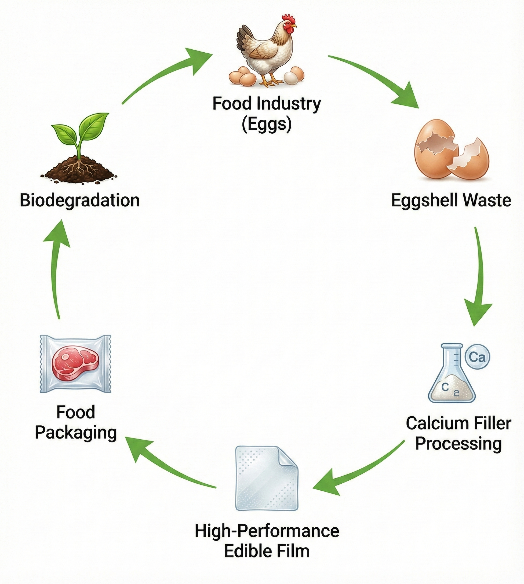
Figure 1 Research mechanism of calcium fortification in edible film.
The urgency of this research lies in the need to develop a packaging system that is not only safe and environmentally friendly, but also able to extend the shelf life of meat effectively by improving the functional properties of the film. This study is expected to provide a positive impact on the potential use of calcium from eggshell waste in edible film formulations, as well as providing scientific and applicable solutions in the meat packaging industry. Improving the functional properties of films (mechanical, barrier, as well as antimicrobial and antioxidant activities) is important in meat packaging. The purpose of this study is to evaluate the characteristics of edible films with the addition of calcium from eggshells so that it can improve the mechanical and barrier properties of the film that can protect the physical and microbiological quality of meat and provide added functional value.
Materials and methods
Materials
The main ingredients included food grade-gelatin (Gelatin Rajawali R&W, Indonesia), chitosan with a degree of deacetylation >75% (Food Grade, PT Biotech Surindo, Indonesia), glycerol (Analytical Reagents, CDH) as a plasticizer, and calcium carbonate (CaCO₃) obtained from dried broiler eggshells, calcined at 900 °C for 2 h, and ground until it passed a 200-mesh sieve [14]. The eggshells were obtained from Teaching Farm Universitas Brawijaya, located in Junrejo, Batu City, East Java, Indonesia.
Methods
Edible film preparation
Edible film manufacturing process was carried out using the solvent casting method (Figure 2) [15]. Gelatin (5% w/v) was dissolved in warm distilled water (50 - 60 °C), then chitosan (2% w/v dissolved in 1% acetic acid) and glycerol were added at 20% of the total solids. The solution was homogenized using a magnetic stirrer (SH-2 magnetic stirrer, Faithful Instrument, (Hebei) Co., Ltd., China) at 2,000 rpm for 10 min, then eggshell calcium powder was added according to the treatment. The treatments consisted of four levels of calcium fortification: without the addition of eggshell calcium (control), 0.25% (w/w), 0.50% (w/w), and 0.75% (w/w) of total solids in the film solution. The solution was then poured into an acrylic pan (casting tray) and dried at 40 °C for 48 h. The formed film was peeled and stored in a desiccator before testing. The tools used included a vacuum oven, homogenizer, pH meter, desiccator, digital micrometer, UV-Vis spectrophotometer, and colorimeter.
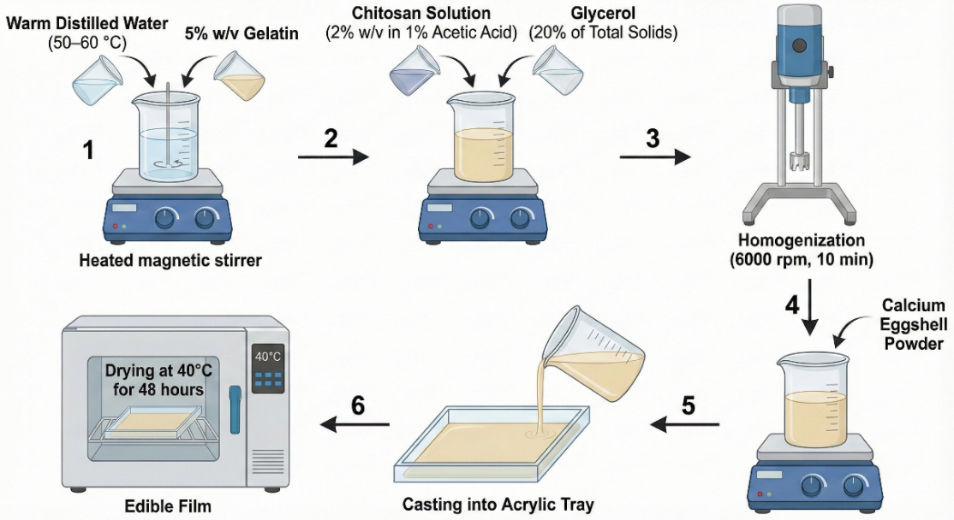
Figure 2 Production of edible film based on gelatin-chitosan with calcium fortification.
Characterization of edible film
Thickness (mm)
The film thickness was measured using a Digital Thickness Gauge Mitutoyo (547-500S, Japan) in accordance with ASTM standard (D6988) according to Shanbag & Shenoy [16]. The film thickness was taken at 5 locations on the films surface. The thickness was calculated as the average of the five measurements.
Moisture content (%), swelling rate (%) and solubility (%)
The moisture content was determined by measuring the film weight loss according to Shanbag & Shenoy [16] ASTM D4442. The samples were cut into 2.0 cm² squares. First, the specimens were accurately weighed (Wa). Subsequently, the specimens dried under a Orion DX-708 air oven at 105 °C until they reached a fixed weight. The weight of each specimen is recorded (Wb). This method is replicated three times, and the results are averaged for calculation. The moisture content is obtained by:

The methodology used to assess the swelling ratio is consistent with the approach described in Bhatia et al. [17]. A sample of film was carefully cut into 2.0 cm² squares and then weighed (Wa). After that, the sample was immersed for 2 min in distilled water in a small porcelain dish. Subsequently, the film was wiped with paper towels and weighed (Wb). The swelling rate was then calculated using the following formula:

Edible film solubility was measured by Shanbag & Shenoy [16] cutting it into 2 cm diameter pieces, then drying it at 105 °C for 24 h in an oven. The initial dry weight (W1) of each sample was documented. Next, the film was immersed in distilled water in a beaker for 24 h at room temperature (25 °C). After being immersed for 24 h, the film samples were removed from the water, then dried in an oven at 105 °C for 24 h, and weighed (W2). The solubility of the film in water was calculated using:

Optical properties and color measurement
The optical parameters of the film were measured using a UV-VIS spectrophotometer set at a wavelength of 600 nm. The film was cut into 1×3 cm² pieces. The absorbance value was recorded and then calculated using the following formula by Frangopoulos et al. [18]:

The films were measured using Minolta CR-10 by Frangopoulos et al. [18]. The sample was cut into 4×4 cm2 pieces. This method was applied 3 times for all samples. Measurement of color parameters: L (black (0) to white (100)), a* (green (‒128) to red (127)), and b* (blue (‒128) to yellow (127)). The standard white plate color (L = 94.8, a* = ‒0.78, b* = 1.43) is utilized as the background to determine the film color. The obtained results are from L (brightness), a* (redness), and b* (yellowness).
Mechanical properties
The mechanical properties of the film, including elongation at break and tensile strength, are characterized using stress-strain graphs generated from tensile testing by Frangopoulos et al. [18]. Tensile properties of samples are determined according to the ASTM D882-10 standardized test method. In summary, a 10 cm long and 1.5 cm wide film is meticulously cut using a surgical knife, and its mechanical characteristics were then analyzed using a TA-XT Plus Texture Analyzer (Stable Microsystems, Godalming, UK). The speed of the cross-head, also known as the grip separation rate, was set at fifty millimeters per minute.
Water barrier properties
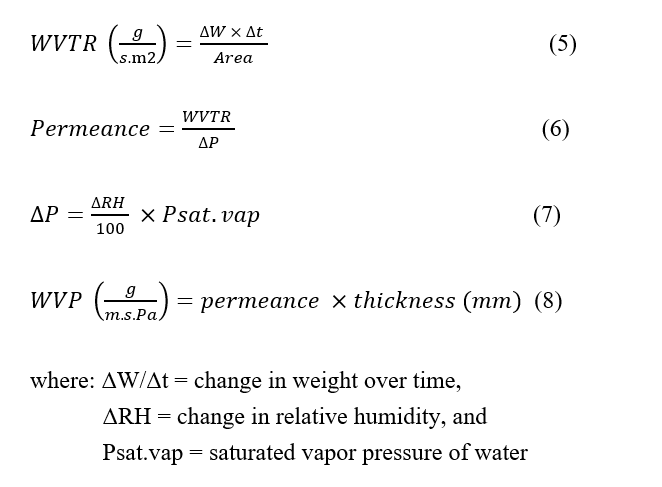
Water barrier properties are measured based on standard ASTM E96/E96M-16 according to Rawat & Saini [19]. Film samples are carefully formed into circles with a diameter of 5 cm. The apparatus uses a container with a diameter of 4.5 cm and a height of 4 cm; holes are made in the lid to allow water transmission. The container is filled to ¾ of its capacity with distilled water. The circle-shaped sample is placed on top of the tube, and the perforated lid is used to cover it. A sample is weighted to determine its initial weight. Then, the specimens are placed in a dessicator with 0% relative humidity (R0), and the initial relative humidity of the specimens is estimated to be 100% (R1). After 24 h, the specimens are weighed again for final weight. The water vapor transmission rate, permeability, and water vapor permeability were measured for all edible films using the following formula:
Fourier transform infrared spectroscopy (FTIR)
FTIR characterization of each film was conducted using a FTIR Shimadzu IR Spirit QATR-S spectrophotometer (Shimadzu, Japan) by Shanbag & Shenoy [16]. Infrared spectra of each constituent substance and film were obtained and comparatively analyzed.
Films surface morphology with scanning electron microscopy (SEM)
The morphology of the film surface was examined using a Carl Zeiss EVO 18 SEM (Carl Zeiss, Germany) and observations were conducted at an acceleration voltage of 10 kV by Shanbag & Shenoy [16]. Sample films were coated with gold to minimize unwanted charges during scanning. Film surfaces with cracks were then examined thoroughly using SEM.
Statistical analysis
The measurement data were statistically analyzed using one-way Analysis of Variance (ANOVA) to determine the effect of increasing calcium concentration on each parameter. If there was a significant difference (p < 0.05) or very significant (p < 0.01), then a further Duncan’s Multiple Range Test (DMRT) was used to determine the real difference between treatments. The analysis was performed using SPSS Statistic Version 25. The instrument was calibrated before use, and all analytical procedures were carried out according to applicable laboratory method standards to ensure data accuracy.
Results and discussion
Physical characteristic
In the current study, eggshell calcium in gelatin-chitosan edible films had a significant (p < 0.01) effect on physical properties that is thickness, swelling rate, solubility, transparency, and color (Table 1). Film thickness showed a consistent increase corresponding to higher eggshell calcium concentrations (0.25%, 0.50%, and 0.75%), attributed to the accumulation of solid particles within the polymer matrix. This might be due to calcium particles filling the space between gelatin and chitosan encapsulating the particle, which resulted in a denser film structure. These can be explained by the reports of studies [20] showed that calcium could improve the thickness of com-films as the result of particle fill effect. The increase in thickness occurred because the addition of CaCO₃ particles from eggshells increased the solidity and structural mass of the film, resulting in a thicker film.
Table 1 Physical characteristics of edible film with calcium eggshell addition.
Parameters |
T0 |
T1 (0.25% Ca) |
T2 (0.50% Ca) |
T3 (0.75% Ca) |
Thickness (mm) |
0.04a ± 0.01 |
0.05a ± 0.01 |
0.06a ± 0.01 |
0.07b ± 0.01 |
Moisture content (%) |
0.33 ± 0.07 |
0.30 ± 0.08 |
0.28 ± 0.09 |
0.25 ± 0.06 |
Swelling Rate (%) |
70.27c ± 0.35 |
69.96c ± 0.74 |
65.48b ± 0.19 |
61.90a ± 0.68 |
Solubility (%) |
0.0746b ± 0.04 |
0.0294a ± 0.01 |
0.0286a ± 0.02 |
0.0175a ± 0.02 |
Transparancy (mm−1) |
0.11a ± 0.02 |
0.25b ± 0.07 |
0.37c ± 0.07 |
0.85d ± 0.06 |
L |
80.01a ± 0.47 |
81.95a ± 0.51 |
82.28a ± 0.55 |
85.33b ± 0.71 |
a* |
‒5.05b ± 0.94 |
‒3.68a ± 0.83 |
‒3.31a ± 0.66 |
‒3.00a ± 0.95 |
b* |
8.74b ± 0.58 |
7.23a ± 0.45 |
6.33a ± 0.07 |
6.23a ± 0.26 |
Note: Different letters in the same column indicate a significant difference (p < 0.01).
Moisture content decreased in films with higher calcium concentrations. Calcium particles tend to reduce the free volume in the film, resulting in less water absorption. This decrease in moisture content was also reported in a study [21], where films with 1% - 3% Hydroxyapatite (HAP) showed lower moisture content than control edible films due to the interaction between Ca nanoparticles and chitosan hydroxyl groups, which reduces water affinity.
The swelling rate and solubility of the film decreased with increasing calcium content. Calcium particles have the potential to inhibit water penetration into the film by filling the pore space and forming physical or chemical interactions between the polymer and Ca²⁺, thus making the film more stable against swelling and dissolution. The theory of polymer film properties states that good inorganic fillers can reduce swelling and solubility because they strengthen the polymer network and reduce pores. Previous research, such as gelatin - chitosan-based films without calcium, showed that increasing chitosan can reduce solubility and WVP compared to pure gelatin films [7]. The decrease in moisture content and swelling indicates that the film structure becomes denser and with smaller pore spaces, as well as the presence of intermolecular interactions (gelatin-chitosan-Ca) that inhibit water penetration. According to [22] which shows that fillers reduced the film’s affinity for water, reducing swelling and solubility.
In terms of film transparency, the addition of calcium caused a decrease in transparency, making the film cloudier. This is because calcium particles disperse within the polymer matrix and cause light scattering. This decrease in transparency was also found in studies of edible nanocomposite films using nanoparticles as fillers, where the larger or more numerous filler particles, the greater the scattering and the reduced transparency value. Furthermore, visual variables such as transparency and color (L*, a*, b*) show that films with higher calcium concentrations have lower transparency and slight color changes (usually a slight yellowing or a decrease in the L* value). This reduced clarity can be attributed to the higher light diffusion phenomenon when solid particles (Ca) are dispersed in the film. The observed yellowish color is attributed to the presence of trace minerals in the eggshell or residual oxides formed during the calcination process [23].
The color parameters of the edible film (L*a*b*) produced significant variations between treatments, as shown in Table 1 and illustrated visually in Figure 3. The control edible film (T0) showed the lowest brightness (L*) and highest yellowness (b*) values, as well as a clear and transparent color. After enriching the eggshell calcium, there was a clear and observable color shift. Treatment T1 (0.25% Ca ESP) showed a slight increase in brightness compared to the control. As the percentage of calcium increased in T2 (0.50%) and T3 (0.75%), the edible film tended to become whiter and cloudier, resulting in an increase in L* values. Conversely, the a* value showed a decrease, shifting towards green. This color change can be assumed to be due to the dispersion of calcium carbonate particles in the matrix, resulting in increased light scattering and giving the edible film a cloudy white color.
Film color (L*a*b*) shifts with calcium addition: L* (brightness) value increases and a* and b* factors may decrease depending on the purity of the calcium, whiteness or grayness of the filler used (Figure 3). The calcined eggshells is normally white or off-white with a tint of cream waters only because of organic impurities and slow formed oxides. Polysaccharide-based edible film studies have reported that fillers can slightly increase the b* (yellowness) value [29]. The gelatin-based edible films are inherently transparent with thickness and tensile strength, which could exhibit the potential for food packaging materials [24]. Color characteristics may differ according to the source of gelatin and the specific additives used. For instance, bovine gelatin typically has higher L* values than porcine gelatin, which is redder and less yellow [25]. This demonstrates that the colour attributes of edible films are significantly affected by their ingredients. Addition of minerals to edible gelatin films help in enhancing nutritional value as well the physical characterstics i.e color [26]. The L*, a* and b* color parameters according to the CIELab system were an important characterization since visual perception of film could affect the consumerʼs acceptance of food products. The incorporation of calcium has been found to influence the lightness, redness and yellowness values of edible films as a function of concentration.
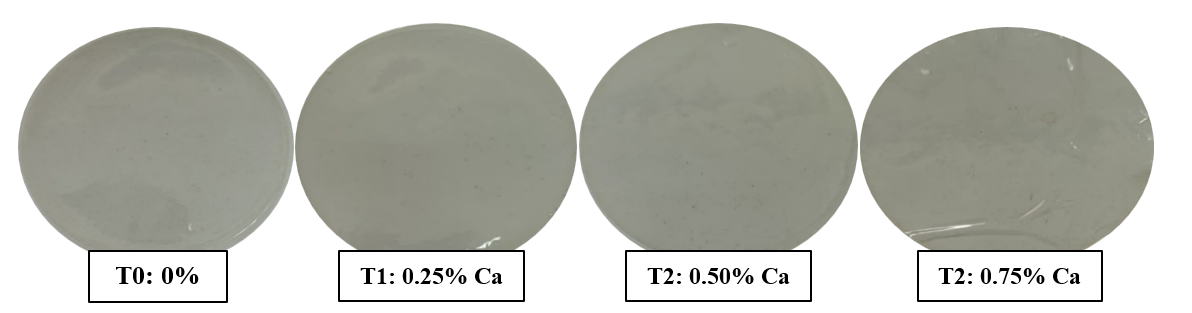
Figure 3 Edible film with eggshell calcium enrichment.
In addition, calcium is understood to interact with gelatin and chitosan to affect the structure of the film and modify its physical properties as well as mechanical properties such that they include visual aspects. A study by [27] found that chitosan and gelatin interaction could enhance barrier properties and modify water permeability. Hence the effect of calcium addition being as a stability modifier, affecting also filmʼs L*. Furthermore, highlighted that the development of biopolymer-based edible film formulation is influenced enormously by molecular interactions among ingredients, with calcium playing a role in altering microstructure which in turn would affect color properties [28].
The effects of mineral fortification on color properties (and example includes calcium) have been previously observed in edible films and are consistent with our current findings. Higher L* and b* values, and lower a* values represent that eggshell calcium could cause the film brighter, yellowish to slightly greenish. This not only adds to its nutritional value in terms of imparting additional minerals there to, but also increase the aesthetic value of the films as a food packaging [26].
Mechanical properties
Tensile strength
The tensile strength of gelatin-chitosan-based edible films Table 1 showed that eggshell calcium was added and had significant effect (p < 0.05) to tensile strength of gelatin chitosan film for the five treatments in all observation times. The addition of eggshell calcium increased the tensile strength value, from 13.24 MPa (T0) to 21.81 MPa in the treatment with higher concentration of calcium (T3) (Figure 4). This rise indicated that the film was more resistant to the applied forces. The mechanism of calcium in this case is due to the formation ionic bonds with the functional groups of gelatin and chitosan leading to the reinforcement of polymer network. The amount of minerals added to gelatin-based edible films can enhance their physical properties, especially mechanical [26]. Similarly, [27] reported that gelatin-chitosan interactions improve the barrier properties of films and the presence of calcium increase film’s structural stability, contributing to a stronger internal network.
The current findings were also in agreement with those conducted on the effect of calcium on the physical properties of edible films. The films with 10% gelatine and 10% chitosan, tensile strength value of 2.62 MPa, thus, that blend can be considered as strong enough for food packaging applications. The incorporation of calcium facilitates additional crosslinking between polymer chains, which resulted in an increased density of the film matrix [29]. Positive chitosan and negative gelatin can be combined with each other via “electrostatic interaction”, which causes the film to exhibit interfacial interactions and a certain mechanical strength [30].
Furthermore, tensile strength is not only affected by calcium incorporation but also by film-forming mechanism and the other end-use components. The films based on gelatin-chitosan blends offer better mechanical and structural properties relative to those formed from a single polymer, and this was attributed to their good miscibility [31]. The blend systems are kept compact to a large extent, which is important for applications. Increasing the chitosan content could improve the tensile strength of edible film by strengthening molecular interaction; however, too much chitosan can reduce film flexibility [15].
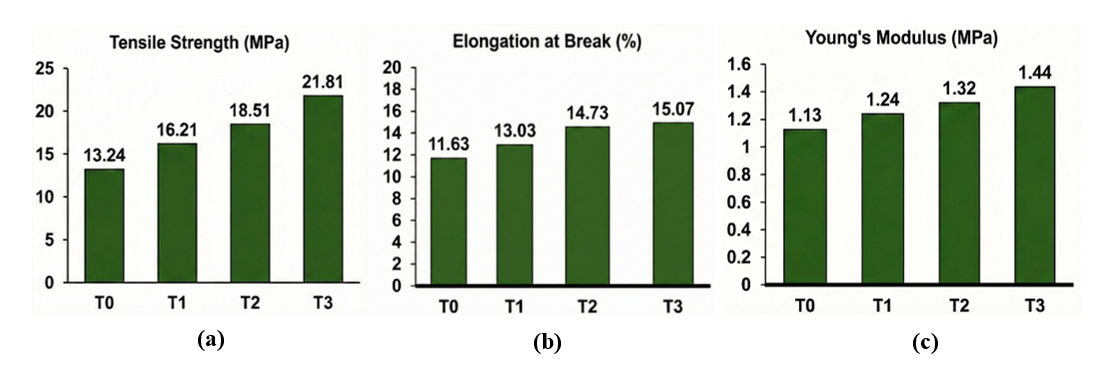
Figure 4 Mechanical properties of edible film enriched with calcium eggshell. The mechanical properties of edible film measured are (a) tensile strength (MPa); (b) elongation at break (%); (c) Youngʼs modulus (MPa).
Elongation at break (EAB)
The results of this experiment were significant (p < 0.05) in terms of the elongation at break on gelatin-chitosan-based edible film due to the addition of eggshell calcium. The film also became more elastic as tensile strength increased. The value of elongation up to break was enhanced from 11.63% at T0 and reached 15.07% at T3. This 13% increase indicates that the film possesses enhanced flexibility and ductility, allowing for greater deformation prior to failure. This indicates that the introduction of calcium permits to stable formation of a more regular polymer structure, which withstands deformation deeper before being ruptured [32]. The relation of variation of proportions in gelatin and chitosan to film flexibility, which, with the presence of Ca, favors intermolecular interactions, rendering elongation larger [29]. Therefore, the existence of calcium helps to maintain the relationship between film strength and elasticity, 2 important properties in food packaging films.
EAB is one of the most important mechanical parameters for films used in food industry as it represents a function of flexibility and extensibility before breaking, which is essential to ensure to the product integrity during storage and transportation [33,34]. The matrix constitution, and incorporation of a few contents during production of ED film significantly affect the EAB value. For example, the flexibility of a film can also be increased by a combination of gelatin with another polymer and addition of plasticizers such as glycerol. Tensile strength and EAB values are the highest with 50% pullulan and 20% glycerol, which were not subjected to further study as they show a presence of interaction (as the interaction decreases the brittleness) between gelatin-based films [35].
Chitosan, being a polysaccharide also has significant influence on film mechanical properties. The mechanical properties of chitosan, such as EAB can be altered through changing concentration and pH and hence chitosan is a versatile material for the formulation of composite film [33]. It has been found that EAB value can be significantly improved for chitosan mixed with plant-proteins (e.g., quiona protein) without need of other plasticizers [36]. The addition amount of calcium could influence the mechanical properties of gelatin- and chitosan-based film [34]. In general, more cross-linking by calcium ions will enhance the tensile strength but may lead to a reduction in EAB if not accompanied by an appropriate formulation. The results of this study revealed that eggshell calcium can even elevate the value of EAB, illustrating a good balance between enhancement to the cross-linking and flexibility of polymer matrix. The elongation at break of the calcium-fortified gelatin-chitosan edible films was higher than that of unfilled ones, which was in good agreement with polymer interaction theory and other literature. These results proved that calcium not only enhances tensile strength but also can keep and even enhance the film flexibility; consequently, it is more trustworthy for sustainable food packaging.
Youngʼs modulus
The results indicated significant effects (p < 0.05) of eggshell calcium addition on the Youngʼs modulus. The Youngʼs modulus for the film rose from 1.13 Mpa (T0) to 1.44 MPa (T3), confirming that the film was stiffer as calcium was added. This stiffening response also implies that the film has an enhanced capacity for resisting elastic deformation, typically due to the presence of more cross-links in the polymer matrix. The combination of environmentally benign biopolymers with mineral additives may change the microstructural characteristics of film, including enhancing its stiffness [28]. This suggests that the introduction of calcium enhances the intermolecular interactions between gelatin and chitosan, generating a film with an increased elastic modulus.
Understanding Youngʼs modulus is important to tailor the mechanical properties of gelatin-chitosan-based edible films for food packaging applications. The Youngʼs modulus corresponds to the rigidity of a material and is closely linked to both the elastic and durability features of the film when it is used [37]. It is suggested from this study that tensile strengths but an opposite effect for percent elongation at break, by increasing the concentration of chitosan. Previous studies have explored the relationship between film composition and elasticity. For instance, optimizing the ratio to 60% gelatin and 40% chitosan resulted in a significantly lower Youngʼs modulus (0.41 MPa), indicating the formation of more elastic films [37]. In contrast, the current study found that calcium fortification increased the Youngʼs modulus, suggesting that the mineral filler acts as a reinforcing agent that enhances stiffness rather than elasticity. These results show that Youngʼs modulus is significantly dependent on the gelatin/chitosan weight ratio, and calcium can act as an additional reinforcement in order to obtain a balance between stiffness and elasticity.
Protein edible films (sodium caseinate), the addition of some concentrations can highly improve Young’s modulus, even by thousands percent compared to control [38]. In the case of gelatin-chitosan films modified with calcium, increased stiffness is also observed if mineral is added. However, these properties still require tuning for a certain application as high stiffness can eliminate its flexibility. Youngʼs modulus is also greatly influenced by plasticizers in addition to minerals. Reduction in Young’s modulus of protein films with increase in the plasticizer content i.e sorbitol or glycerol increasing flexibility [39]. Further emphasized that the choice of plasticizer and film preparation method significantly determine the resulting stiffness and mechanical strength [40]. Thus, the formulation of gelatin-chitosan-based edible films can be optimized by combining calcium as a reinforcing agent and a plasticizer as a flexibility agent, to obtain balanced mechanical properties.
Water barrier properties
The water barrier properties of edible films are presented in measurements of Water Vapor Transmission Rate (WVTR), Permeance (P), and Water Vapor Permeability (WVP) shown in Figure 5 and Table 2. The results of the study show a consistent and significant trend (p < 0.05).
As shown in Table 2, the WVTR value decreased significantly from 5.21 in the control edible film treatment (T0) to 4.55(g/m2s).10−10 in the edible film enriched with 0.75% Ca (T3). Similarly, the permeability value decreased from 1.72 (T0) to 1.13 (g/m2s.Pa).10−13 (T3). This resulted in a significant decrease in WVP, which is influenced by film thickness, from 8.96 in T0 to 5.14 (g/m2s.Pa).10−15 in T3.
Table 2 Water barrier properties of edible film with calcium eggshell fortification.
Parameters |
T0 |
T1 (0.25% Ca) |
T2 (0.50% Ca) |
T3 (0.75% Ca) |
WVTR (g/m2s).10−10 |
5.21c ± 0.14 |
4.95b ± 0.19 |
4.73ab ± 0.09 |
4.55a ± 0.17 |
P (g/m2s.Pa).10−13 |
1.72d ± 0.12 |
1.35c ± 0.25 |
1.29b ± 0.11 |
1.13a ± 0.09 |
WVP (g/m2s.Pa).10−15 |
8.96d ± 0.68 |
6.68c ± 0.71 |
6.11b ± 0.51 |
5.14a ± 0.34 |
Note: Different letters in the same column indicate a significant difference (p < 0.05).
The results of the study show that water barrier performance significantly improved with the addition of eggshell calcium, as evidenced by a consistent decrease in Water Vapor Transmission Rate (WVTR) and Water Vapor Permeability (WVP) values. The downward trend in these values indicates a positive improvement in the filmʼs resistance to moisture penetration, making the edible film more water-resistant and less permeable to water vapor.
The improvement in barrier performance is due to the tortuosity effect caused by the addition of impermeable CaCO3 particles into the polymer matrix. Mineral particles in biopolymer films are impermeable to gas and water vapor, causing molecules to travel longer distances and reducing film permeability [43]. The dispersed eggshell calcium particles trap water vapor molecules, thereby reducing the transmission rate. In addition, FTIR analysis confirmed the formation of hydrogen bonds and electrostatic interactions between ions present in calcium and functional groups of gelatin and chitin. These interactions produce a denser and more compact polymer network, thereby reducing free volume and limiting water molecule diffusion. These findings are in line with previous studies on biopolymer nanocomposites, which reported that the addition of mineral fillers can effectively reduce permeability by strengthening the matrix structure [44]. Furthermore, in a previous study on the use of clay minerals in films, the addition of hallosite reduced the water vapor permeability of edible films made from alginate compared to edible films without mineral fillers [45].
Specifically, the addition of 0.75% calcium (T3) produced WVP and WVTR values that showed the optimal barrier performance in this study. The WVP value also indicates the quality of the edible film, with its superior ability to retain water vapor. This characteristic is very important for maintaining the moisture content of packaged food products, preventing dehydration, and potentially extending shelf life. Therefore, the increased water barrier properties of the T3 edible film show potential for application in meat packaging to minimize moisture loss and maintain product quality.
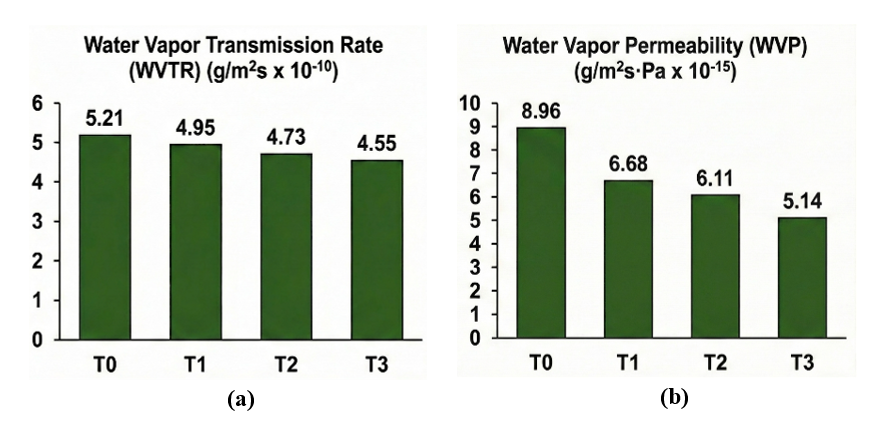
Figure 5 Water barrier properties of edible film with calcium eggshell fortification. The water barrier properties measured are (a) Water Vapor Transmission Rate (WVTR); (b) Water Vapor Permeability (WVP).
Fourier transform infrared spectroscopy (FTIR)
Figure 6 shows the shift and broadening of the peaks in the FTIR spectrum, indicating the interaction between components or functional groups in the film. As seen from the results, the FTIR spectrum shows films made from different eggshell calcium contents. It is clear that the broad absorption band around 3,280 - 3,330 cm−1 indicates hydroxyl (–OH) groups derived from polysaccharide and protein components in the film. The absorption peak at 2,920 - 2,875 cm−1 is related to the C–H stretching of the polymer chain. The shift of the –OH band to a lower wavenumber was recorded in treatments T1 to T3 compared to T0, indicating the formation of hydrogen bonds between Ca²⁺ ions from eggshell calcium and hydroxyl groups in the polymer matrix. Previous studies revealed that the presence of CaCO3 as a filler in films (starch-gelatin) confirmed the presence of calcium or calcium carbonate by the changes in OH and COO groups and the interaction of the filler with the matrix [20].
In addition, the increase in the intensity of the band at around 1,630 - 1,640 cm−1, which represents the carbonyl group (C=O), after the addition of calcium may indicate electrostatic interaction or coordination of Ca²⁺ ions with the carboxylate group, thus strengthening the film structure. In addition, the presence of bands at 1,415, 874, and 712 cm−1 or their increase in intensity can be attributed to the carbonate group, CO₃²⁻, which originates from CaCO₃, confirming the presence of eggshell minerals dispersed in the film.
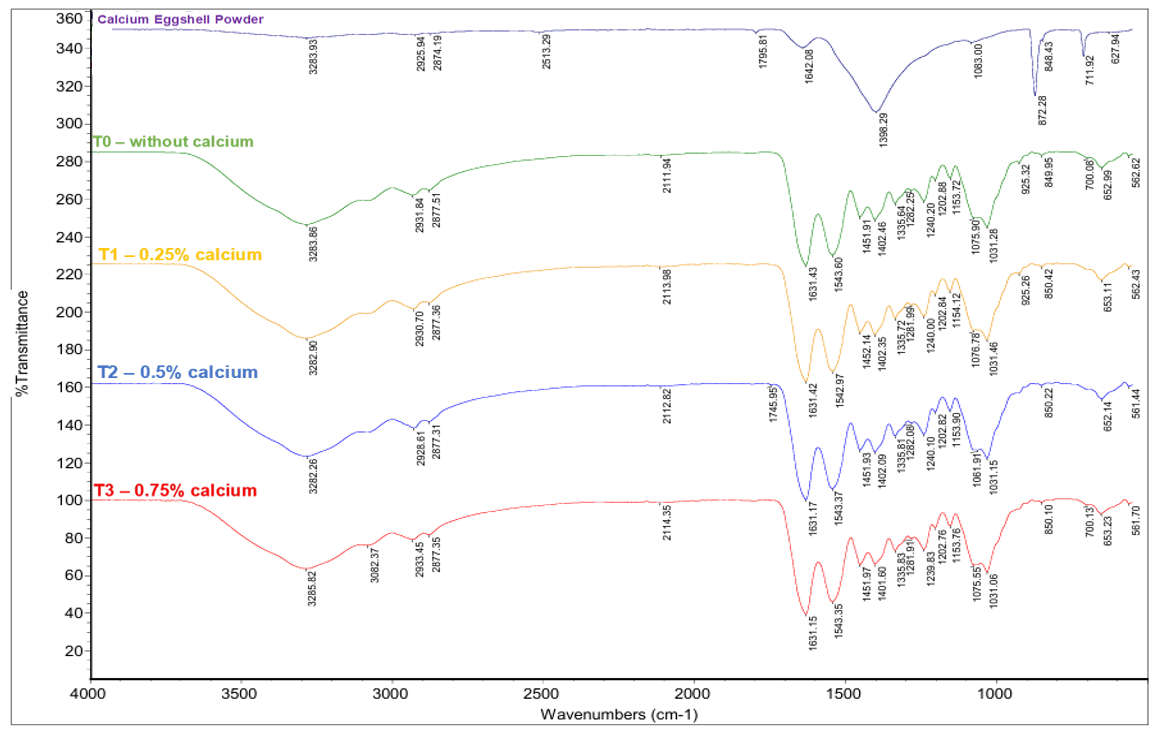
Figure 6 FTIR spectrum results of calcium eggshell powder and edible film (T0, T1, T2, T3).
In the 1,000 - 1,100 cm−1 region representing the C–O–C stretch, small changes in peak position and intensity are observed, indicating network rearrangement due to cross-linking by Ca²⁺ ions. Previous research revealed that the incorporation of Ca²⁺ with tannin observed the FTI spectrum to assess the interaction of the polymer with tannin and Ca²⁺ which resulted in a shift in the phenolic and COO− bands indicating that the presence of Ca can modify the chemical structure of the film and have an effect on mechanical properties [47]. Overall, changes in the FTIR spectrum indicate that increasing calcium concentration results in stronger physical and chemical interactions between the mineral components and the polymer matrix. This strengthens the suspicion that the addition of calcium acts not only as a filler, but also as a cross-linking agent that can improve the compactness, stability, and barrier properties of the resulting edible film. The results of the illustration of the interaction mechanism between gelatin, chitosan, and eggshell calcium can be seen in Figure 7.
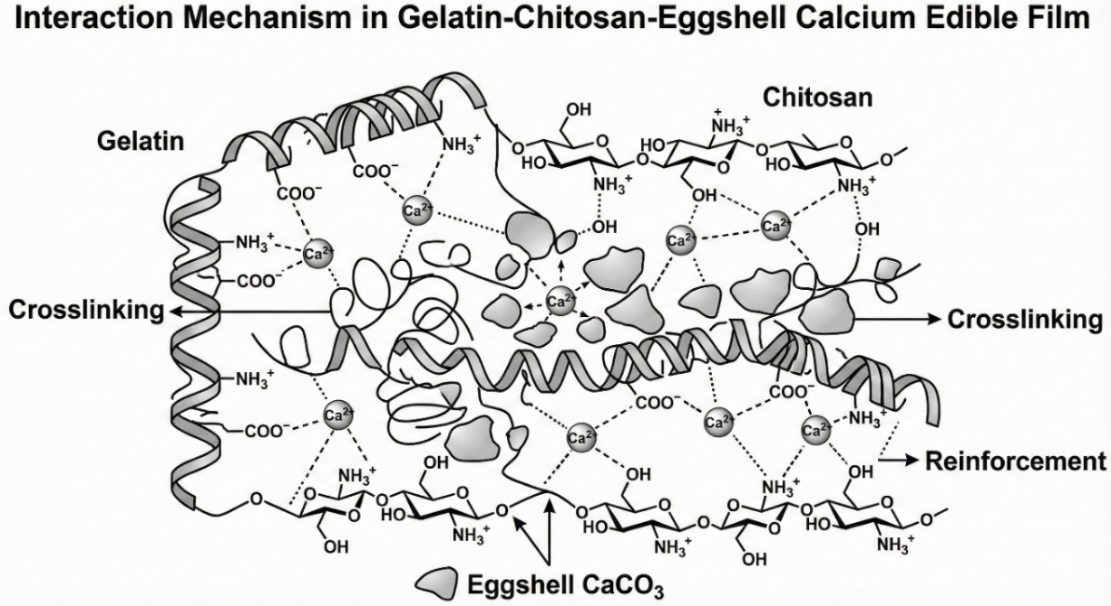
Figure 7 Interaction mechanism of gelatin, chitosan, and eggshell calcium in edible film.
Films surface morphology with scanning electron microscopy (SEM)
The film surface morphology was evaluated using SEM images (Figure 8). The film surface at T0 (without calcium) appeared smooth and homogeneous without any protruding particles. This reflects the good interaction between gelatin and chitosan as the base matrix. This reflects the good interaction between gelatin and chitosan as the base matrix. The combination of gelatin and chitosan has good compatibility and is evenly dispersed in the matrix [48,49]. Based on the image, the presence of eggshell calcium particles is evenly distributed on the film surface, resulting in objective roughness. The higher percentage of eggshell calcium added to the film results in a rougher and more heterogeneous film surface. However, despite being rougher, the matrix does not have pores or cracks. The addition of CaCl2 in previous studies resulted in a rough film but the composite was much denser [50]. The film surface at T1 remains uniform like T0 but with a slightly denser texture. The CaCO3 particles are well dispersed and do not cause lumps or agglomerations. This condition indicates that a concentration of 0.25% is the most optimal level for filler integration, as the film remains smooth, compact, and does not show any surface irregularities. The film surface at T2 and T3 begins to show increased surface roughness and small agglomerations of CaCO₃ particles. The line or groove pattern on the surface is also more pronounced, indicating increased heterogeneity. However, the film still does not show pores or cracks, but the level of surface regularity decreases compared to T1. Overall, the addition of eggshell calcium affects the uniformity of the film surface. T1 shows the best particle distribution and the most stable surface, while T2 and T3 show a tendency for increased roughness and heterogeneity. Previous research has revealed that CaCO₂ from eggshell produces films (starch and gelatin) with a more compact structure and visible adhesion between the filler and the matrix [20].
Although T3 (0.75% Ca) showed the highest surface roughness in SEM observations, this does not rule out the film as a viable packaging material. Another factor to consider is that the resulting matrix remains dense, without pores or cracks, ensuring that its moisture barrier (WVP) and mechanical strength are superior to the control, which is a key requirement for fresh meat packaging.
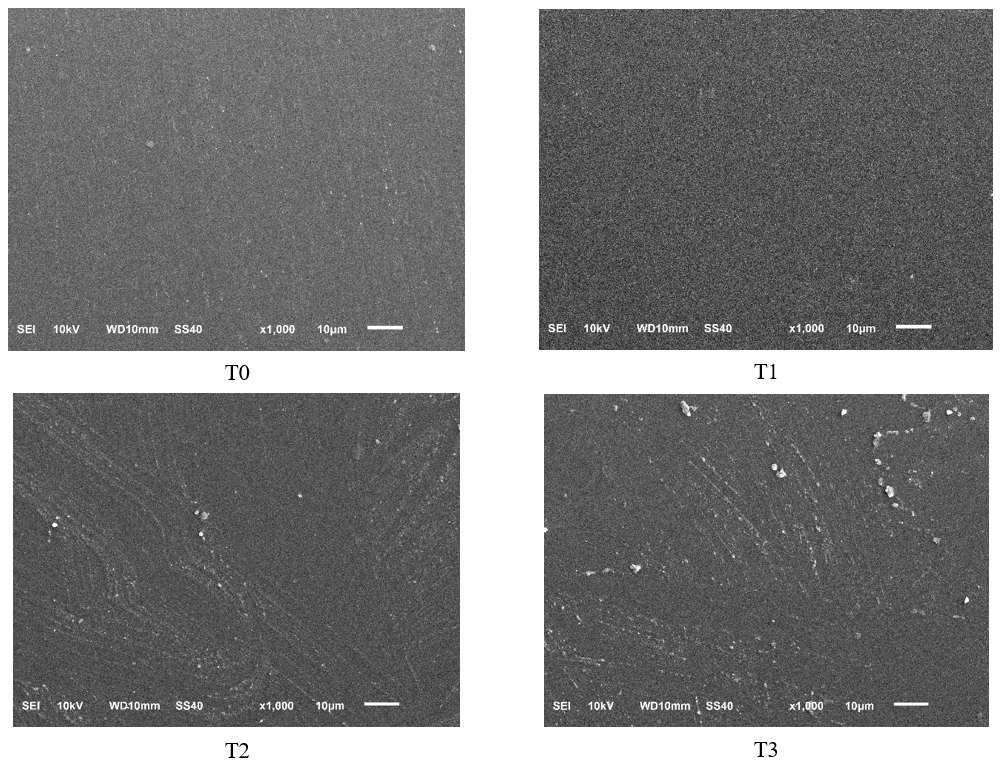
Figure 8 Morphology of edible film (gelatin-chitosan based) with eggshell calcium observed using SEM with 1.000x magnification.
Economic value, future application, and environmental impact
Edible films made from gelatin-chitosan enriched with calcium from eggshells have the potential for further development. From an economic perspective, there are several factors to consider, particularly the cost of producing calcium from eggshells. The raw material used is eggshell, which is a cheap by-product available from the food industry and households, thereby reducing raw material costs compared to purchasing commercial calcium. This certainly supports efforts to valorize by-products. The process of extracting calcium from eggshells incurs additional costs for grinding equipment and ovens. Cost efficiency can be reduced by using micronized eggshell powder technology to cut the calcination stage and collaborating with the egg processing industry to supply high-standard eggshells with the hope of reducing the costs of washing and drying eggshells. Previous research on simple cost calculations for edible films shows that the cost price fluctuates depending on the active ingredients, plasticizers, and the scale of production. The resulting economic analysis indicates that it is necessary to conduct edible film production trials on a pilot and industrial scale before commercial production [51].
The potential application of edible film formulations with gelatin-chitosan formulations can be used as active edible packaging, namely gelatin-chitosan and eggshell calcium matrices that can carry bioactive compounds in the form of antimicrobials, and eggshell calcium can improve mechanical and water barrier properties to coat fresh meat products or be applied to processed meat products, cheese, and fresh fruit [52]. In addition, it can be used as an edible coating on fresh fruits and vegetables to reduce water loss and extend shelf life [9]. In the future, reformulated edible fortification and diversification of eggshell calcium enrichment food safety can be explored as a source of fortification by meeting food safety tests through toxicology and food safety regulations applicable in Indonesia.
In general, edible films with a gelatin-chitosan composition that have biodegradable properties to replace conventional plastics have been reported to reduce carbon footprints and reduce the amount of plastic packaging. These efforts are expected to reduce by-products by supporting the principles of a circular economy. The extraction of calcium from eggshells using the calcination method can be replaced with a low-energy calcination method to minimize CO2 emissions, and edible gelatin-chitosan films can be applied to suitable products to achieve high plastic reduction potential. Furthermore, the edible film has the potential to be applied in the food industry as a new packaging material to be introduced and can serve as a material or base to support bioactive packaging design [53].
Conclusions
This study successfully developed a sustainable edible film by utilizing eggshell waste as a source of calcium and a reinforcing agent in the gelatin-chitosan matrix. The main objective of this study was to improve the properties of biopolymer-based edible films with various percentages of eggshell calcium. The results of the experiment showed that the incorporation of 0.75% calcium produced the most robust film, characterized by a significant increase in tensile strength to 21.81 MPa and an increase in elongation at break. In addition, eggshell calcium fortification can improve water resistance, as indicated by a decrease in water content, solubility, swelling ratio, and water vapor permeability (WVP). Structural analysis using FTIR and SEM confirmed that this improvement was due to strong ion interactions between calcium and the polymer matrix, creating a dense microstructure despite an increase in roughness. Although this edible film shows promising physicochemical and barrier characteristics, future research could prioritize direct functional validation on food products. Validation should be conducted to confirm its effectiveness in meat packaging applications. This waste shell valorization strategy could provide a scientific solution for the development of environmentally friendly food packaging materials and support the principles of a circular economy.
Acknowledgements
The research was supported by Directorate of Research and Community Service, Directorate General of Research and Development, Ministry of Higher Education, Science, and Technology, Indonesia in 2025 under the scheme “Fundamental Research” with the contract number 00654/UN.10.A0501/B/PT.01.03.2/ 2025.
Declaration of Generative AI in Scientific Writing
All authors of this article acknowledge the use of generative artificial intelligence tools (such as QuillBot, Grammarly, and DeepL Translator) in the preparation of this manuscript, particularly for language editing and grammar correction. There was no interpretation of data or discussion content by AI. The authors are solely responsible for the content of the discussion and the results of the research in this scientific work.
CRediT Author Statement
Herly Evanuarini: Conceptualization; Methodology; Supervision; Writing - Original Draft. Agus Susilo: Data curation; Validation. Premy Puspitawati Rahayu: Formal analysis; Resources; Writing - Review & Editing. Hemas Azizila Nidhal: Software; Visualization.
References
[1] H Hasri, P Salempa, N Nurhayani, SE Putri, E Risdayanti, SPJ Negara and E Masarrang. Synthesis and characterization of nanochitosan-based smart film as future food packaging material. Trends in Sciences 2025; 22(6), 9782.
[2] GK Ağçeli. Development of ostrich eggshell and nano‑levan‑based edible biopolymer composite films: Characterization and bioactivity. Polymer Bulletin 2022; 79, 11201-11215.
[3] U Eranda, M Chaijan, W Panpipat, S Karnjanapratum, MA Cerqueira and R Castro-Mu. Gelatin-chitosan interactions in edible films and coatings doped with plant extracts for biopreservation of fresh tuna fish products: A review. International Journal of Biological Macromolecules 2024; 280(2), 135661.
[4] C Gan, J Wang, Z Yuan, M Cui, S Sun, M Alharbi, AF Alasmari, W Du, X Zhang and DP Yang. Polysaccharide- and protein-based edible films combined with microwave technology for meat preservation. International Journal of Biological Macromolecules 2024; 270(1), 132233.
[5] IRAP Jati, J Elaine, E Setijawaty and A Rulianto. Development of Bio-Based smart edible food packaging using roselle flower extract and eggshell powder as active agents. BIO Web of Conferences 2024; 98, 05001.
[6] S Aditya, J Stephen and M Radhakrishnan. Utilization of eggshell waste in calcium-fortified foods and other industrial applications: A review. Trends in Food Science & Technology 2021; 115, 422-432.
[7] W Heo, H Shin, JR Ansari, K Park and J Seo. Preparation and properties of calcium oxide and calcium peroxide from eggshell waste for enhanced antimicrobial activity. Materials Today Communications 2024; 41, 110531.
[8] H Evanuarini, A Susilo, U Yanuhar and AD Kurniawati. Utilisation of chicken eggshell nanopowder on physicochemical quality, microstructure, and amino acid profile of beef patties. Czech Journal of Food Sciences 2023; 41(6), 428-435.
[9] MNDL Moreira, FKV Moreira and AS Prata. Effect of adding micronized eggshell waste particles on the properties of biodegradable pectin/starch films. Journal of Cleaner Production 2024; 434, 140229.
[10] BPS-Statistics Indonesia, Available at: https://www.bps.go.id/en/statistics-table/3/V0VKcWNtVnhjSFEwZHpWdk1VaHdLMGhZV2pSbVp6MDkjMw%3D%3D/jumlah-produksi-telur-unggas-dan-susu-sapi-segar-menurut-provinsi--kg---2024.html?year=2024, accesed January 2026.
[11] NG Gebremaryam, MB Desta and FA Belete. Optimization and characterization of degradable bioplastic derived from banana peels and eggshells: Towards sustainable alternatives. Biomass Conversion and Biorefinery 2025; 15, 23255-23268.
[12] BA Oredokun-lache, EB Ibrahim, AG Oluwafemi, GO Erifeta, SJ Josiah and OM Oluba. A circular economical application of eggshell waste as a bio-filler in the fabrication of gum Arabic composite film. Food Science and Preservation 2024; 31(3), 394-407.
[13] M Afrrin, B Rajasekaran, RS Nandhini and P Karthik. Valorization of eggshell waste for sustainable food packaging: A review. Food and Bioprocess Technology 2025; 18, 10209-10228.
[14] J Zia, A Kumar and U Riaz. Calcium oxide nanoparticles from eggshell waste: A green nanotechnological strategy for microwave-assisted environmental clean up. Cleaner Chemical Engineering 2025; 11, 100182.
[15] W Qi, X Tong, M Wang, S Liu, J Cheng and H Wang. Impact of soybean protein isolate concentration on chitosan-cellulose nanofiber edible films: Focus on structure and properties. International Journal of Biological Macromolecules 2024; 255, 128185.
[16] C Shanbhag, R Shenoy, P Shetty, M Srinivasulu and R Nayak. Formulation and characterization of starch ‑ based novel biodegradable edible films for food packaging. Journal of Food Science and Technology 2023; 60(11), 2858-2867.
[17] S Bhatia, Y Abbas, A Al-harrasi, M Jawad, E Koca and LY Aydemir. Novel applications of black pepper essential oil as an antioxidant agent in sodium caseinate and chitosan based active edible films. International Journal of Biological Macromolecules 2024; 254(3), 128045.
[18] T Frangopoulos, A Marinopoulou, A Goulas, E Likotrafiti, J Rhoades, D Petridis, E Kannidou, A Stamelos, M Theodoridou, A Arampatzidou, A Tosounidou, L Tsekmes, K Tsichlakis, G Gkikas, E Tourasanidis and V Karageorgiou. Optimizing the functional properties of starch-based biodegradable films. Foods 2023; 12(14), 2812.
[19] R Rawat and CS Saini. A novel biopolymeric composite edible film based on sunnhemp protein isolate and potato starch incorporated with clove oil: Fabrication, characterization, and amino acid composition. International Journal of Biological Macromolecules 2024; 268(2), 131940.
[20] T Li, R Li, H Luo, L Peng, J Wang, S Li, M Zhou, X Yuan, Z Zhang and H Wu. Eggshell powder as a bio-filler for starch and gelatin: Ternary biodegradable composite films manufactured by extrusion compression molding. Food Hydrocolloids 2024; 150, 109632.
[21] B Arredondo-Tamayo, JV Méndez-Méndez, JJ Chanona-Pérez, JD Hernández-Varela, L González-Victoriano, SD Gallegos-Cerda and E Martínez-Mercado. Study of gellan gum films reinforced with eggshell nanoparticles for the elaboration of eco-friendly packaging. Food Structure 2022; 34, 100297.
[22] IRAP Jati, AR Utomo, E Setijawaty, RM Yoshari, TDW Budianta, TIP Suseno and F Ayustaningwarno. Durian albedo and eggshell ‑ based smart edible film with infused butterfly pea flower extract as active agent. Discover Food 2025; 5, 146.
[23] A Siddhamsittiwar, GA Ansari, N More, S Vyavahare and A More. Development of eggshell & walnut shell powder reinforced starch composites. Polymer Bulletin 2025; 82, 6745-6762.
[24] Y Li, Y Song, G Dong, D Meng, M Pan and S Wang. Gelatin-based film applying cyclodextrin metal-organic frameworks for controlled release of thyme essential oil: Development, characterization and application in fruit preservation. Food Hydrocolloids 2026; 172(2), 112045.
[25] RJ Thakur, H Shaikh, Y Gat and RB Waghmare. Effect of calcium chloride extracted from eggshell in maintaining quality of selected fresh ‑ cut fruits. International Journal of Recycling of Organic Waste in Agriculture 2019; 8(1), 27-36.
[26] N Sarraf-Ov, FH Awlqadr, KR Abdalla, H Hashemi, M Rouhi, R Mohammadi and B Ebrahimi. Characterization of gelatin-chitosan films incorporated with Nicotiana tabacum extract nanoliposomes for food packaging applications. International Journal of Biological Macromolecules 2025; 311(2), 143701.
[27] N Benbettaïeb, M Kurek, S Bornaz and F Debeaufort. Barrier, structural and mechanical properties of bovine gelatin - chitosan blend films related to biopolymer interactions. Journal of the Science of Food and Agriculture 2014; 94(12), 2409-2419.
[28] L Tavares, HKS Souza, MP Gonçalves and CMR Rocha. Physicochemical and microstructural properties of composite edible film obtained by complex coacervation between chitosan and whey protein isolate. Food Hydrocolloids 2021; 113, 106471.
[29] LS Arni, L Purnamayati and PH Riyadi. Effect of chitosan on physical characteristic of tapioca edible film with ariid catfish bone gelatin (Arius thalassinus). IOP Conference Series: Earth and Environmental Science 2023; 1224, 012037.
[30] YL Huang and DM Wang. Characterization of composite film of gelatin and squid pen chitosan obtained by high hydrostatic pressure. Polymers 2023; 15(7), 1608.
[31] Y Chen, J Guo, AS Alamri, M Alhomrani, Z Huang and W Zhang. Recent research progress on locust bean gum (LBG)-based composite films for food packaging. Carbohydrate Polymers 2025; 348, 122815.
[32] GV Sree and P Nagaraaj. Enhancement of PVA packaging properties using calcined eggshell waste as filler and nanonutrient. Materials Chemistry and Physics 2022; 291, 126611.
[33] J Xu, K Liu, W Chang, BS Chiou, M Chen and F Liu. Regulating the physicochemical properties of chitosan films through concentration and neutralization. Foods 2022; 11(11), 1657.
[34] G Kavoosi, A Shakiba, M Ghorbani, SMM Dadfar and AM Purfard. Antioxidant, antibacterial, water binding capacity and mechanical behavior of gelatin-ferula oil film as a wound dressing material. Galen Medical Journal 2015; 4(2), 103-114.
[35] XY Liu, LQ Zhang, SF Zhao and XF Li. Effect of pullulan, glycerol blend on the properties of gelatin based edible film. Advanced Materials Research 2013; 780, 136-139.
[36] C Valenzuela, L Abugoch and C Tapia. Quinoa protein-chitosan-sunflower oil edible film: Mechanical, barrier and structural properties. LWT - Food Science and Technology 2013; 50(2), 531-537.
[37] F Handayasari, N Suyatma and S Nurjanah. Physiochemical and antibacterial analysis of gelatin - chitosan edible film with the addition of nitrite and garlic essential oil by response surface methodology. Journal of Food Processing and Preservation 2019; 43(12), 14265.
[38] B Lam, Y How and L Pui. Incorporation of bifidobacterium breve in sodium caseinate‐edible film: Physicochemical properties, viability, and antibacterial activity. Journal of Food Safety 2023; 43(5), 13060.
[39] AS Nandane and R Jain. Study of mechanical properties of soy protein based edible film as affected by its composition and process parameters by using RSM. Journal of Food Science and Technology 2015; 52(6), 3645-3650.
[40] A Lutviyani, E Sedyadi and IN Indrajati. Biosynthesis and characterization of edible films from kepok banana peel starch with a combination of glycerol-sorbitol plasticizer. Engineering Headway 2024; 6, 103-111.
[41] MK Dewi and R Amalia. Optimization of operating condition for the production of edible film from cuttlefish’s bone gelatin as instant noodle seasoning packaging. Jurnal Bahan Alam Terbarukan 2022; 11(2), 131-140.
[42] S Thanakkasaranee, K Jantanasakulwong, Y Phimolsiripol, N Leksawasdi, P Seesuriyachan, T Chaiyaso, P Jantrawut, W Ruksiriwanich, SR Sommano, W Punyodom, A Reungsang, TMP Ngo, P Thipchai, W Tongdeesoontorn and P Rachtanapun. High substitution synthesis of carboxymethyl chitosan for properties improvement of carboxymethyl chitosan films. Molecules 2021; 26(19), 6013.
[43] KY Perera, M Hopkins, AK Jaiswal and S Jaiswal. Nanoclays-containing bio-based packaging materials: Properties, applications, safety, and regulatory issues. Journal of Nanostructure in Chemistry 2024; 14, 71-93.
[44] DS Naidu and MJ John. Effect of clay nanofillers on the mechanical and water vapor permeability properties of xylan-alginate films. Polymers 2020; 12(10), 2279.
[45] P Trigueiro, JPL Pereira, MG Ferreira, LB Silva, L Neves and RR Peña-Garcia. Clay minerals and biopolymers in film design: Overview of properties and applications. Minerals 2024; 14(6), 613.
[46] IF Nata, C Irawan, M Adawiyah and S Ariwibowo. Edible film cassava starch / eggshell powder composite containing antioxidant: Preparation and characterization. IOP Conference Series: Earth and Environmental Science 2020; 524, 0120088.
[47] C Prapruddivongs and T Wongpreedee. Use of eggshell powder as a potential hydrolytic retardant for citric acid-filled thermoplastic starch. Powder Technology 2020; 370, 259-267.
[48] X Zhang, L Ma, Y Yu, H Zhou, T Guo, H Dai and Y Zhang. Physico-mechanical and antioxidant properties of gelatin film from rabbit skin incorporated with rosemary acid. Food Packaging and Shelf Life 2019; 19, 121-130.
[49] J Yang, T Fei, W Zhang and X Cong. Tannic acid and Ca2+ double-crosslinked alginate films for passion fruit preservation. Foods 2023; 12(21), 3936.
[50] H Xu, J Zhang, Q Zhou, W Li, X Liao, J Gao, M Zheng, Y Liu, Y Zhou, L Jiang, X Sui and Y Xiao. Synergistic effect and mechanism of cellulose nanocrystals and calcium ion on the film-forming properties of pea protein isolate. Carbohydrate Polymers 2023; 319, 121181.
[51] R Radev and V Kurshumov. Cost price of edible films and coatings for fresh fruit and vegetables. BIO Web of Conferences 2024; 141, 01001.
[52] BE Ștefănescu, C Socaciu and DC Vodnar. Recent progress in functional edible food packaging based on gelatin and chitosan. Coatings 2022; 12(12), 1815.
[53] J Fiallos-Núñez, Y Cardero, G Cabrera-Barjas, CM García-Herrera, M Inostroza, M Estevez, BL España-Sánchez and LM Valenzuela. Eco-friendly design of chitosan-based films with biodegradable properties as an alternative to low-density polyethylene packaging. Polymers 2024; 16(17), 2471.