
Trends
Sci.
2026; 23(11): 13600
Steam-Pressure-Assisted Template-Free Synthesis of Highly Porous Amorphous Silica Nanoparticles from Bantargebang MSWI Fly Ash
Raden Nida Sopiah1,2, Muhamad Nasir2, Muhammad Abdul Kholiq3,
Elsy Rahimi Chaldun2, Arniati Labanni2, Naufal Riadhi Yusuf2,
Desak Gede Sri Andayani2, Ratna Ediati1, Stella Jovita1 and Didik Prasetyoko1,*
1Department of Chemistry, Faculty of Science and Data Analytics, Institut Teknologi Sepuluh Nopember,
Surabaya 60111, Indonesia
2Research Center for Environmental and Clean Technology, National Research and Innovation Agency,
Banten 15314, Indonesia
3Directorate of Environment, Maritime, Natural Resources, and Nuclear Policy, National Research and Innovation Agency, Jakarta Pusat 10340, Indonesia
(*Corresponding author’s e-mail: [email protected])
Received: 11 February 2026, Revised: 2 April 2026, Accepted: 9 April 2026, Published: 1 June 2026
Abstract
The Bantargebang Municipal Solid Waste Incineration (MSWI) pilot project provides a national model for sustainable waste management. The incineration process generates fly ash rich in mineral oxides, including calcium oxide (45.00%), silicon dioxide (13.40%), iron oxide (8.00%), and aluminum oxide (7.50%), providing a promising source of silica for further utilization. In this study, silicon dioxide was extracted from Bantargebang MSWI fly ash via sodium silicate formation and converted into amorphous silica nanoparticles through acid-induced sol-gel precipitation without organic structure-directing agents. Extraction time and heating temperature during sodium silicate preparation were systematically evaluated using inductively coupled plasma-optical emission spectroscopy (ICP-OES). The synthesized nanoparticles were characterized by Fourier transform infrared spectroscopy (FTIR), X-ray diffraction (XRD), transmission electron microscopy (TEM), and nitrogen adsorption-desorption analysis. Optimal conditions using a 2 h steam-pressure treatment at 125 °C yielded 20.00% silica. TEM revealed spherical, aggregated nanoparticles averaging 19.85 ± 0.09 nm at 110 °C and 17.40 ± 0.29 nm at 125 °C. Brunauer-Emmett-Teller (BET) analysis showed surface areas of 156.36 and 802.51 m² g⁻¹, with corresponding pore volumes of 0.75 and 1.85 cm³ g⁻¹, for silica synthesized at 110 and 125 °C, respectively. The high surface area and pore volume obtained at 125 °C confirm the formation of highly porous amorphous silica nanoparticles. These results highlight the potential of industrial fly ash as a sustainable source of high-performance silica. Owing to their exceptionally high surface area and well-developed porosity, the synthesized silica nanoparticles exhibit strong potential for future applications in environmental remediation, particularly as adsorbent materials for wastewater treatment.
Keywords: Amorphous silica nanoparticles, Fly ash, Municipal Solid Waste Incineration (MSWI)
Introduction
Solid waste management is becoming increasingly important as the amount of waste produced today continues to rise. With increasing awareness of the environment and its potential harmful impacts, recycling or utilizing these materials has become an attractive alternative to disposal [1-4]. Municipal solid waste (MSW) has become a major issue in Indonesia due to several factors, such as increasing populations, economic activity, and the challenge of locating land for landfills. In Indonesia, MSW comprises a substantial portion of biomass, accounting for 62.4% of the waste. This biomass includes food waste, wood, vegetables, and fruits, all of which possess significant potential as an energy source [5]. In 2019, Bantargebang-Bekasi Municipal solid waste incineration (MSWI) served as a pilot project for converting municipal waste into electrical energy, which processes 100 tons of waste per day. The MSWI Bantargebang unit is responsible for processing waste through an incineration system that uses combustion residual heat to generate steam for turbine operation and electricity generation [5,6]. MSWI generates fly ash as a by-product, accounting for approximately 2.5% - 5% of the total incinerated waste, depending on the incineration process and waste composition [7-9]. Field monitoring data suggest that the Bantargebang Bekasi MSWI produced 2.4 - 3.2 tons of fly ash for every 100 tons of waste processed. The fly ash produced is used to manufacture paving blocks in the MSWI area. Between 2,200 - 2,900 pieces of paving block produced per day, each requiring 1.08 kg of fly ash. However, new technology is still required to develop and fabricate a value-added product from this large amount of waste. One of the key technologies is utilizing the chemical content in the fly ash.
MSWI FA generally contains lower amounts of silica and alumina than coal-derived fly ash [10]. In addition, MSWI FA often contains leachable toxic compounds that require prior reduction or stabilization [10-14]. Its chemical composition, however, is strongly influenced by incineration technology. Fly ash from grate furnace incinerators typically exhibits high CaO contents (≈27 - 47 wt%) and low SiO₂ contents (≈2 - 13 wt%) [15-21], indicating that silica is mainly associated with calcium-rich phases. In contrast, fluidized bed incinerators produce fly ash with lower CaO contents (≈20 - 35 wt%) and significantly higher SiO₂ contents (≈16 - 25 wt%) [17,18,21], suggesting a greater potential for silica recovery and utilization in material synthesis. The source can include glass, ceramics, paper, cardboard, plastic, textiles, wood, and organic materials. Many of these materials contain silica in various forms. For example, plant materials such as paper and wood naturally contain cellulose, which consists of polysaccharides with silica in their cell walls. Silica can also be produced from electronic waste originating from circuit boards and electronic components [22]. However, studies have shown that the characteristics of fly ash resulting from burning urban waste, depending on the composition of incinerated waste, may contain hazardous compounds including metals in high concentrations, persistent organic pollutants, etc. In many cases, municipal solid waste contains varying amounts of metals [23]. Municipal solid waste contains metals in various amounts, such as Pb, As, Cd, Fe, Al, Cu, Zn, Ni [5,23-25], along with water-soluble elements including Ca, K, and Na [26]. To remove these contaminants, water or acidic solutions are commonly utilized to leach out heavy metals and soluble salts, silica can be extracted from fly ash via alkali treatment with sodium hydroxide (NaOH) [27], yielding sodium silicate (Na2SiO3). The sodium silicate can serve as precursor for synthesizing advanced silica-based materials, including silica nanoparticles.
The value and functionality of silica products are highly determined by their microstructure and degree of crystallinity. While crystalline silica is abundant in the earthʼs crust, it has limited direct applications due to low reactivity. However, amorphous silica nanoparticles, especially with a high specific surface area, high porosity, and small particle size, are of great interest in several chemical applications, including catalyst supports, thermal insulators, and absorbents [27]. A variety of approaches have been developed for synthesizing silica nanoparticles, typically using silicon alkoxides as a silicon source. However, these processes are energy-intensive, expensive, and eco-hazardous due to high temperature, high pressure, and strong acidity. With increasing demand for silica nanoparticles, it is important to find more environmentally friendly and cost-effective methods for synthesis. Among several chemical and physical approaches in fabrication of silica nanoparticles, the sol-gel method is a widely used chemical synthesis technique for producing high-purity and uniform silica nanoparticles [28,29]. It involves the transition from a colloidal solution (sol) to a gel phase, enabling a precise control over particle size and composition. Typically, metal alkoxides or chlorides serve as precursor. In this context, Na2SiO3 used as precursor, undergoing hydrolysis and polycondensation to form a gel network. Due to its versatility, sol-gel method is commonly utilized in application that requires high-performance silica materials [30].
Numerous studies have employed sol-gel methods to synthesize amorphous silica nanoparticles from diverse precursors, including river sand [31,32], coal fly ash [32-39], palm kernel shell ash [39,40], rice husk [39,41], and sugarcane bagasse ash [42,43]. These approaches generally produce nanoscale silica with tunable purity, particle size, and porosity. However, most reported systems focus on non-ordered or moderately porous silica structures [42,44]. The synthesis of highly porous or ordered mesoporous silica from MSWI FA-particularly from the Bantargebang facility-remains underexplored, especially under controlled hydrothermal conditions.
Previous studies indicate that waste-derived precursors exhibit substantial variation in initial SiO₂ content, ranging from 33.07% in coal fly ash to 85.85% in rice husk ash [44]. Through combustion and alkaline extraction-sol-gel processing, rice husk ash achieved SiO₂ purities of up to 96.44%, while sugarcane bagasse ash (49.8% SiO₂) reached 98.4% following acid leaching and NaOH extraction [43,44]. Similarly, coal fly ash (33.07% - 45.15% SiO₂) produced silica with purities between 94.27% and 98.62%, and biomass fly ash improved from 44.41% to 93.63% after chemical processing. These findings confirm the effectiveness of alkaline extraction in enriching silica content, although the final purity strongly depends on the pretreatment strategy [44].
In terms of textural performance, rice husk-derived silica exhibited surface areas around 196 m² g⁻¹ with pore sizes of 14 - 26 nm [28]. Acid-treated sugarcane bagasse ash yielded surface areas between 199 and 524 m² g⁻¹ depending on the leaching agent [42]. Coal fly ash processed via alkali fusion-sol-gel achieved approximately 385 m² g⁻¹ with pore diameters near 3.3 nm [45], whereas acid-leached systems reported 290 m² g⁻¹ with larger pore sizes (23.3 nm) [46]. Biomass power plant fly ash-derived silica showed relatively lower surface area (115 m² g⁻¹) with particle sizes of 20 - 40 nm [44], while commercial silica typically exhibits 200 - 400 m² g⁻¹ with minimal porosity (Aerosil®) [47,48]. These studies demonstrate that although high-purity silica can be obtained from various waste sources, achieving simultaneously high surface area, controlled porosity, and nanoscale particle size remains dependent on precursor composition and extraction conditions.
Despite extensive biomass- and coal-derived silica research from high-SiO₂ precursors [44], studies utilizing MSWI-FA- characterized by its challenging low SiO₂ content of ~3 - 25 wt% [17,21,49] – as a precursor for high-performance mesoporous silica remain scarce. The critical question is whether steam-pressure extraction followed by acid-induced sol-gel precipitation can successfully extract silica from this low-SiO₂ matrix and achieve high surface areas comparable to higher-SiO₂ waste sources.
Although extensive studies have been conducted on silica derived from biomass and coal-based precursors, research utilizing MSWI-FA as a precursor for high-performance mesoporous silica remains limited. This is mainly attributed to the relatively low SiO₂ content in MSWI FA (typically ≈3 - 25 wt%) [17,49], where silica is not the dominant phase. Such a complex matrix poses significant challenges for selective silica extraction and purification. Therefore, a key question arises as to whether steam-pressure hydrothermal extraction followed by acid-induced sol-gel precipitation can effectively recover silica from this low-SiO₂ matrix and generate high-performance mesoporous silica comparable to that obtained from silica-rich precursors.
In this study, a steam-pressure-assisted sol-gel extraction process is employed using autoclave temperatures of 110 and 125 °C to investigate the influence of temperature and extraction time on silicon recovery and the co-extraction of other metal species from Bantargebang MSWI FA. Notably, no washing or acid demineralization pretreatment is applied, allowing the intrinsic effects of hydrothermal conditions on silica formation to be directly evaluated.
This work demonstrates, for the first time, the direct synthesis of highly porous amorphous silica nanoparticles from Bantargebang MSWI FA via steam-pressure-assisted alkaline extraction without prior acid demineralization, revealing a strong temperature–porosity relationship.
Materials and methods
Materials
MSWI-FA used in this study was obtained from the PLTS Bantargebang pilot project, Bekasi, West Java, Indonesia. Sodium hydroxide (NaOH, ≥98%, analytical grade) was purchased from ACS BDH Chemicals Ltd., Poole, United Kingdom. Hydrochloric acid (HCl, 37 wt%, analytical grade) was supplied by Merck KGaA, Darmstadt, Germany. Deionized water was used for the preparation of all aqueous solutions. All chemicals were used as received without further purification.
Pretreatment
Pretreatment of fly ash was carried out by drying in an oven at a temperature of 105 °C for 24 h. to remove any moisture content. Dried fly ash with a size of less than 45 m was carried out by a sieving process using a sieve shaker. Then, samples were calcined using furnace at 550 °C for 1 h to remove any organic compound. The composition of pretreated fly ash was studied with an X-ray fluorescence (XRF) spectrometer (Rigaku Next CG 1291). Surface morphology of the samples was analyzed using a SEM (PhenomProX, Thermo Fischer Scientific) operated at an accelerating voltage of 15 kV, with a field of view (FOV) of 814 m using the backscattered electron (BSD) full mapping detector mode. Elemental composition and distribution were studied using a built-in Energy dispersive X-ray (EDX) spectroscopy.
Preparation of silica
The extraction of silica was performed via a hydrothermal method following the previous study [50]. For each treatment, the pre-treated fly ash sample was divided into three separate bottles, each containing 7.5 g of MSWI FA and 75 mL of 4 M NaOH solution, maintaining a consistent solid-to-liquid ratio. The bottles were subjected to hydrothermal extraction under identical temperature and time conditions (see Table 1).
After extraction, the contents of each bottle were filtered individually through glass microfiber filters (Sartorius 13440-44-Q) to separate the solid residues. Each filtrate was then adjusted to a total volume of 75 mL by rinsing the residual fly ash on the filter with deionized water, ensuring that the remaining dissolved Si was fully recovered. The filtrates from the three bottles were subsequently combined into a single container, resulting in a total volume of 225 mL. The resulting sodium silicate (Na₂SiO₃) solution was titrated with 10 M HCl until the pH reached approximately 7 and left for 24 h. to facilitate the formation of an aqua gel. The formed gel was subsequently filtered, washed repeatedly with deionized water until neutral pH, and dried at 105 °C until a constant weight was obtained.
The hydrothermal process was carried out at 2 temperatures (110 and 125 °C) for four different durations (1 - 4 h), resulting in eight different Na₂SiO₃ samples. The samples were coded according to their extraction temperatures and durations, as presented in Table 1.
Silica recovery and ICP analysis
The combined filtrate from each treatment was analysed using ICP-OES to determine the amount of silicon extracted. Silica recovery and extraction efficiency were calculated based on the total Si present in the raw MSWI FA (1.395 g Si per 22.5 g FA, corresponding to 6.2 wt%) as follows:

This calculation provides a mass-balance perspective, allowing estimation of the fraction of total silicon transferred into the liquid phase under each extraction condition.
All measurements were conducted in duplicate to ensure reproducibility and the reported values represent average results.
Solid characterizations
The elemental composition of sodium silicate filtrate was analyzed using ICP-OES (Agilent 725 Series). Functional groups in the samples were studied using FTIR spectrophotometer (ThermoScientific) scanned in the mid-infrared region (4,000 to 400 cm-1). The study on the morphology of as-prepared nanoparticles was carried out TEM (Hitachi HT7700) equipped with a low-resolution imaging capability. Samples were placed on the TEM mesh grid made of copper coated with carbon (20 nm). The size, shape, and distribution of particles were visualized using imagej software. X-ray diffraction (XRD) analysis was performed using a Bruker D8 Advance diffractometer equipped with a Cu anode as the X-ray source. The instrument operated with Cu Kα radiation, consisting of Kα₁ (λ = 1.5406 Å) and Kα₂ (λ = 1.5444 Å), with an average wavelength of λ = 1.5418 Å. The X-ray generator was set at an accelerating voltage of 40 kV and a tube current of 25 mA, operated in Bragg-Brentano geometry. Nitrogen adsorption-desorption analysis was performed using a Quantachrome NOVA instrument (Nova Station A) at E-Services Science Laboratory (ELSA), BRIN. Prior to analysis, the samples were degassed at 30 °C for 3 h to remove physically adsorbed species. The specific surface area was determined using the Brunauer-Emmett-Teller (BET) method within the relative pressure (P/P₀) range of 0.05 - 0.30. Pore size distribution and pore volume were calculated using the Barrett-Joyner-Halenda (BJH) method based on the desorption branch of the isotherm. Nitrogen was used as the adsorbate at 77 K. The BET surface area measurements were performed duplicate, and consistent results were obtained, indicating good reproducibility of the data. The synthesis and characterization of nanosilica derived from MSWI FA are illustrated in Figure 1.
Table 1 Sample codes of Na2SiO3 extracted from MSWI FA at different heating temperatures and durations.
| Sample codes | Heating temperatures (°C) | Heating durations (h) |
|---|---|---|
| MFA110-1t | 110 | 1 |
| MFA110-2t | 110 | 2 |
| MFA110-3t | 110 | 3 |
| MFA110-4t | 110 | 4 |
| MFA125-1t | 125 | 1 |
| MFA125-2t | 125 | 2 |
| MFA125-3t | 125 | 3 |
| MFA125-4t | 125 | 4 |
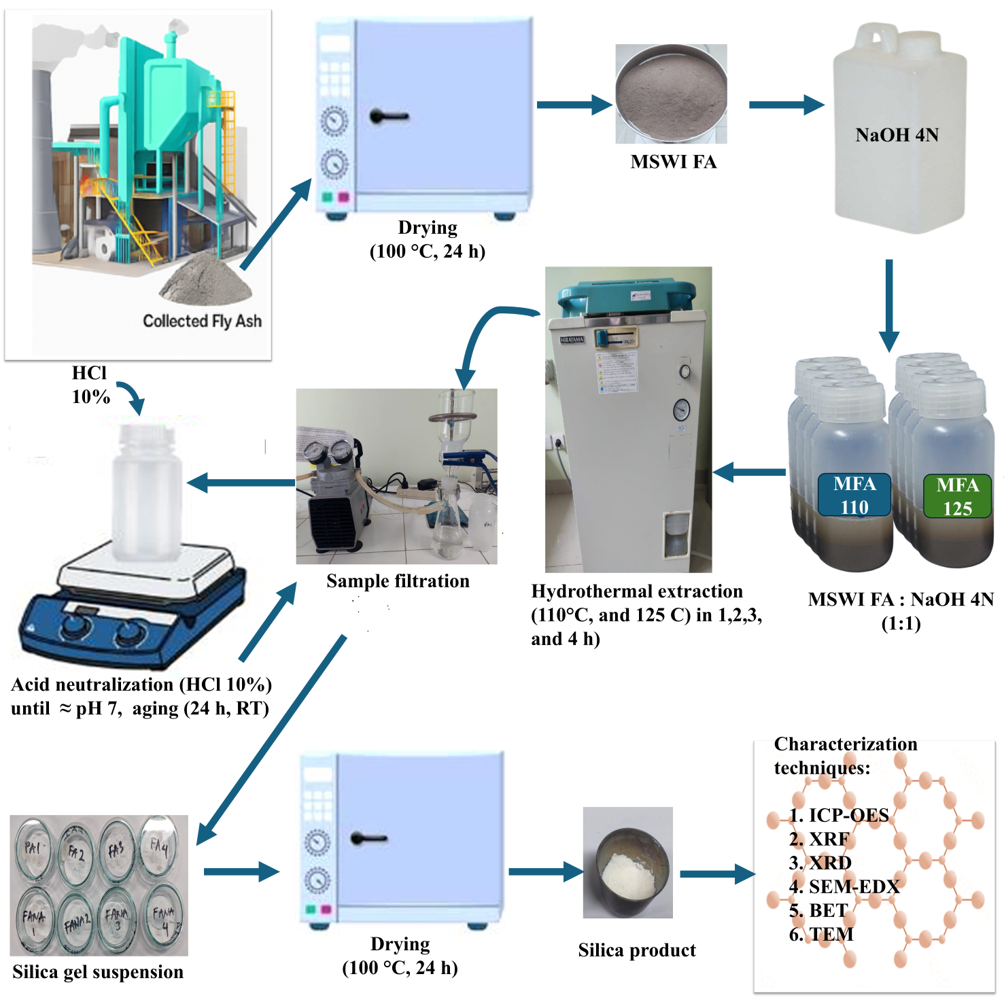
Figure 1 Schematic illustration of the synthesis and characterization of nanosilica derived from MSWI FA.
The process begins with a pretreatment step involving drying of the raw fly ash to remove moisture. Subsequently, silica is extracted via alkaline treatment using 4 M NaOH solution under controlled thermal conditions at 110 and 125 °C, with reaction times varied at 1 - 4 h to investigate the effect of time-temperature conditions on silica formation. The obtained silicate solution is then processed to produce amorphous and highly porous silica nanoparticles. Finally, the synthesized nanosilica is subjected to comprehensive characterization to evaluate its physicochemical properties, including structural, morphological, and textural features.
Results and discussion
Characterization of pretreated MSWI FA
The chemical composition of MSWI FA was analyzed using XRF is presented in Table 2. The results show that the fly ash from the Bantargebang MSWI facility contains various metal oxides, with calcium oxide (45.00 wt%), silicon dioxide (13.40 wt%), iron oxide (8.00 wt%), and aluminum oxide (7.50 wt%) as the dominant components, indicating a Ca-rich and aluminosilicate-based matrix.
Table 2 Chemical composition of pretreated MSWI FA determined by XRF.
| Mineral composition | Concentration wt(%) |
|---|---|
| Calcium oxide (CaO) Silicon dioxide (SiO2) Iron trioxide (Fe2O3) Aluminium oxide (Al2O3) Sulfur trioxide (SO3) Chloride (Cl) Titanium dioxide (TiO2) Potassium oxide (K2O) Phosphorus pentoxide (P2O5) Magnesium oxide (MgO) Zinc oxide (ZnO) Manganese dioxide (MnO | 45.00 13.40 8.00 7.50 6,30 6.00 4.70 2.70 2.50 2.10 0.70 0.30 |
Compared to MSWI fly ash reported in other regions, the Bantargebang FA exhibits a notably high CaO content, which is consistent with the use of lime‑based flue‑gas deacidification (e.g., Ca(OH)₂ or CaO injection) in the incineration process, a common practice in many modern MSWIs. For instance, MSWI fly ash from grate‑furnace plants in Hangzhou, China, generally contains lower CaO but higher MgO, Al₂O₃, and SiO₂ compared with Bantargebang, suggesting that variations in incinerator type and APC chemistry strongly influence the oxide profile [51,52].
In contrast, MSWI FA from several European and Asian facilities often show higher Na₂O and K₂O contents (up to several wt%) due to the use of sodium‑based sorbents (e.g., NaHCO₃), whereas such alkali oxides are relatively minor in the Bantargebang sample, likely reflecting differences in waste composition and deacidification strategy. The relatively high SiO₂ and Al₂O₃ fractions in Bantargebang FA, together with the dominant CaO, reinforce its aluminosilicate–calcium system that can be potentially valorized as a source of pozzolanic or cementitious materials, similar to MSWI FA from other regions where Ca‑ and Al/Si‑rich matrices have been reported [51].
The SEM micrographs of the pre-treated MSWI FA are shown in Figure 2. It reveals that samples consist of a mixture of spherical and irregularly shaped particles, with particle sizes ranging from around 10 to 70 µm. The SEM image at 1000× magnification highlights spherical and agglomerated particles, which are typical of municipal solid waste incineration fly ash and indicate the presence of partially fused, amorphous aggregates formed during high‑temperature combustion [53,54]. The irregular morphology is associated with unburned residues and inorganic oxides, whereas the spherical particles are often linked to molten aluminosilicate phases that solidified rapidly in the flue gas stream [53].
Figure 2(c) shows the EDX spectrum obtained from the region shown in (a), indicating the presence of major elements such as Ca, Si, Al, and O, along with minor contributions from Cl, Na, and K. This elemental profile is consistent with the typical composition of MSWI FA, where Ca is predominantly present as Ca‑rich phases (e.g., chlorides, sulfates, and silicates) and Al/Si are associated with aluminosilicate glass and residual minerals [53,54].
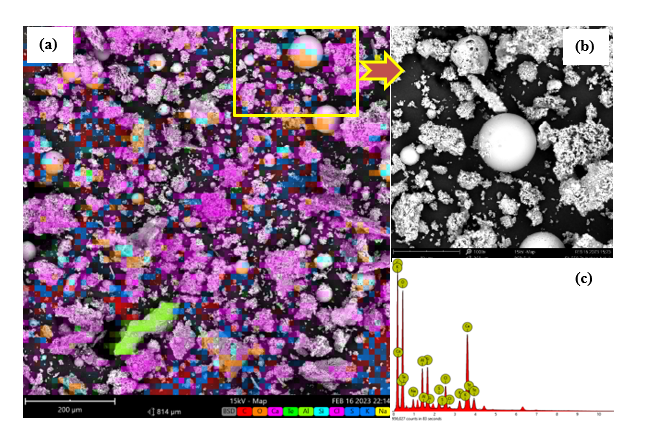
Figure 2 SEM-EDX characterization of raw MSWI-FA from Bantargebang, illustrating its morphology and elemental composition. (a) SEM image at 330x magnification showing the overall morphology and heterogeneous particle distribution. (b) SEM image at 1000x magnification highlighting spherical and agglomerated particles. (c) EDX spectrum obtained from the region shown in (a), indicating the presence of major elements such as Ca, Si, Al, and O.
Silica analysis from sodium silica extract of MSWI-FA
Elemental mapping further confirms the distribution of key elements such as Ca, Si, Al, and Fe across the particle surfaces, which is consistent with the XRF analysis results. However, it should be noted that XRF provides bulk compositional data, whereas EDX reflects localized elemental information from selected regions of the sample. As a result, differences in relative elemental proportions are expected due to the heterogeneous nature of MSWI-FA and the different analytical scales. Additionally, EDX analysis was conducted based on surface morphology captured by SEM micrograph. Therefore, the EDX results are used here to qualitatively support the XRF findings rather than for direct quantitative comparison [55].
The omission of the acid leaching (demineralization) step prior to alkaline extraction is justified by the selective dissolution behavior of silica under alkaline conditions. At high pH (>10), amorphous silica in the glassy phase of MSWI-FA is preferentially dissolved to form soluble silicate species. In contrast, most crystalline metal oxides, such as Al₂O₃ and Fe₂O₃ (commonly present as stable phases like mullite), exhibit very low solubility and remain in the solid residue or precipitate as stable hydroxides (e.g., Al(OH)₃ and Fe(OH)₃).
Consequently, interference from these metal species is minimal, allowing the formation of a relatively pure silicate solution without prior demineralization. This behavior is consistent with previous studies on direct alkaline leaching (DAL), which demonstrate effective and selective silica extraction from fly ash matrices [35].
Silica extraction from MSWI-FA was conducted through a hydrothermal alkali extraction followed by acid precipitation. The conversion of silica proceeds via two main stages: Alkaline dissolution and acidification, followed by two possible final pathways, namely aqueous polymerization or thermal dehydration.
Initially, silica present in MSWI-FA undergoes alkali dissolution under hydrothermal conditions, in which SiO₂ reacts with sodium hydroxide to form soluble sodium silicate, as described in reaction (2) [4,35,44].

Subsequently, the sodium silicate solution is acidified using hydrochloric acid, leading to the formation of orthosilicic acid (Si(OH)₄), which acts as the key precursor for silica formation through sol-gel processes. The corresponding reaction is shown in reaction (3) [4,56].

Polymerization of silanol groups occurs in the aqueous phase during the aging process (12 - 48 h, pH 4 - 6, ambient temperature). Condensation between silanol species results in the formation of siloxane (Si-O-Si) bonds, producing a three-dimensional silica gel or hydrogel network, as illustrated in reaction (4) [35,44,57].

Subsequently, calcination induces thermal dehydration of residual silanol groups within the Si-O-Si network, yielding structurally stable amorphous SiO₂. This process is represented by reaction (5).

The elemental composition of sodium silicate extracts obtained from MSWI FA was investigated using ICP-OES to evaluate silica yield and the extent of co-extracted metal impurities. Similar to coal fly ash, MSWI FA contains silica in both amorphous and aluminosilicate forms; therefore, alkaline treatment with NaOH can induce the simultaneous dissolution of silicon and aluminum. Previous studies on coal fly ash have shown that NaOH not only dissolves free SiO₂ but also cleaves Al-O-Si and Al-O-Al bonds within aluminosilicate frameworks, generating soluble silicate and aluminate species [45].
These dissolution mechanisms are consistent with the fundamental reactions observed during alkali fusion of fly ash, in which quartz (SiO₂) and mullite (3Al₂O₃.2SiO₂) are the dominant refractory phases. Under strong alkaline conditions, NaOH promotes the breakdown of mullite and quartz through the formation of sodium aluminosilicate and sodium silicate intermediates, as expressed by Reactions (6) - (8). Although alkali fusion involves elevated temperatures and solid-state reactions, the same chemical principles, namely the disruption of Si-O-Si and Al-O-Si linkages, also govern silica release during lower-temperature alkaline extraction [45].
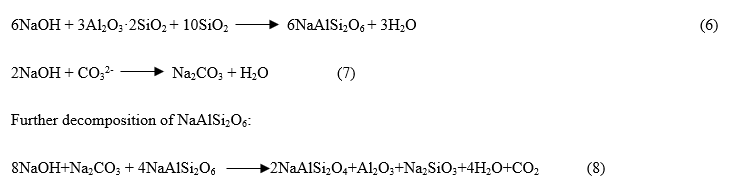
During alkali fusion, increasing NaOH availability and thermal energy enhances the reactivity of quartz and partially decomposes mullite, leading to the formation of nepheline (NaAlSiO₄) and sodium silicate (Na₂SiO₃), as confirmed by XRD analysis. In contrast, during alkaline extraction without fusion, silica dissolution is limited primarily to the amorphous and weakly bound aluminosilicate fractions, which explains the partial silica recovery observed in the present study. Consequently, the co-extraction of aluminum detected by ICP-OES can be attributed to the concurrent dissolution of aluminosilicate species, analogous to the mechanisms reported for alkali-fused fly ash systems. These findings indicate that alkaline extraction and alkali fusion share common reaction pathways, differing mainly in reaction extent and phase transformation due to temperature and physical state. The ICP-OES results, therefore, reflect a solution-phase manifestation of the same NaOH-driven depolymerization reactions that dominate alkali fusion processes.
The extraction process was carried out using hydrothermal method at temperature of 110 and 125 °C. These two temperatures were selected to represent mild hydrothermal conditions commonly employed in the alkaline extraction process. This temperature range is sufficient to facilitate silica dissolution while maintaining relatively low energy consumption and minimizing other phase transformation. In addition, this temperature range (100 - 150 °C) reported for the mesoporous silica synthesis from fly ash [58].
Figure 3 presents the ICP-OES results of sodium silicate extracts obtained at extraction temperatures of 110 and 125 °C with heating durations ranging from 1 to 4 h. At 110 °C, substantial co-extraction of aluminum accompanied silica dissolution. For instance, the MFA110-2t sample contained 4,722.18 mg L⁻¹ Si and 1,457.37 mg L⁻¹ Al, along with elevated Zn concentrations (288.73 mg L⁻¹), indicating extensive dissolution of aluminosilicate and metal-bearing glassy phases. With prolonged extraction beyond 2 h, silica concentration gradually decreased while aluminum remained present, suggesting possible silicate re-polymerization or secondary precipitation, a phenomenon also reported for prolonged alkali extraction of coal fly ash [59].
In contrast, extraction at 125 °C resulted in a pronounced shift toward silica-selective dissolution. Elemental analysis by ICP-OES showed that, for the MFA125-2t sample, aluminum remained below 10 mg L⁻¹ while other metals such as Zn, Fe, Ca, and Mg were present only as trace components (<30 mg L⁻¹), indicating effective suppression of non-siliceous phase dissolution. under these conditions. This behavior suggests that elevated temperature limits aluminum release from thermodynamically stable aluminosilicate phases, such as mullite, while favoring silicon dissolution from amorphous SiO₂ [60]. Table 3 summarizes the dissolved silicon and aluminum concentrations obtained from ICP-OES analysis and their conversion into SiO₂ equivalent content, calculated relative to the total SiO₂ content of MSWI FA (13.40 wt% determined by XRF, Table 2). As shown in Table 3, the dissolved silicon concentration in the sodium silicate solution strongly depends on extraction temperature and heating duration [46]. At 110 °C, the calculated SiO₂ equivalent ranged from 0.68% to 1.01%. The highest value was observed for MFA110-2t, suggesting that silica dissolution is governed by kinetic limitations within this temperature range. Prolonged heating resulted in decreased dissolved silicon content, which can be attributed to silicate re-polymerization or the formation of secondary aluminosilicate phases. At 125 °C, a marked increase in dissolved silica concentration was observed, with MFA125-2t reaching 12,528.60 mg L⁻¹ (equivalent to 2.68% SiO₂), which is approximately 2.6 times higher than the maximum value obtained at 110 °C.
This enhancement is attributed to more effective dissolution of silicate phases under elevated hydrothermal conditions. However, further extension of the heating duration led to a significant decrease in dissolved silica concentration (MFA125-3t and MFA125-4t), likely due to silica reprecipitation or interactions with co-extracted metal species such as Al and Ca.
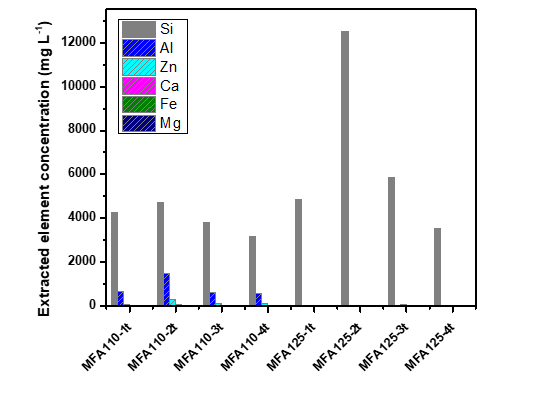
Figure 3 The concentration of metal elements (mg L−1) in sodium silicate obtained from the extraction of MSWI-FA in various temperature and heating duration based on ICP–OES analysis result.
Table 3 Silicon and aluminum concentrations in sodium silicate solutions extracted from MSWI FA at different temperatures (110 and 125 °C) and extraction times (1 - 4 h), as determined by ICP-OES.
| Sample | Si (mg L−1) | Al (mg L−1) |
|---|---|---|
| MFA 110, 1t | 4,269.98 | 657.92 |
| MFA 110, 2t | 4,722.18 | 1,457.37 |
| MFA 110, 3t | 3,798.08 | 605.59 |
| MFA 110, 4t | 3,164.20 | 567.50 |
| MFA125, 1t | 4,854.56 | 5.00 |
| MFA 125, 2t | 12,528.60 | 8.60 |
| MFA 125, 3t | 5,860.22 | 3.71 |
| MFA125, 4t | 3,541.74 | 4.40 |
To further evaluate the effectiveness of silicon extraction, a mass balance analysis was performed, and the extraction efficiency was calculated based on the dissolved silicon content, as presented in Table 4.
By mass balance perspective, this approach allows a direct evaluation of process efficiency by correlating the dissolved silicon with the total available silicon in the raw material. The data showed that only a fraction of the total silicon present in MSWI FA (1.395 g per 22.5 g sample) was transferred into the liquid phase, with a maximum dissolved silicon of 0.282 g under optimal conditions, corresponding to an extraction efficiency of 20.21%. The remaining silicon is likely retained in the solid residue or redistributed through secondary reactions during prolonged extraction.
Extraction efficiency increased with time up to 2 h, reaching a maximum of 20.21% at 125 °C, followed by significant decline at longer times (Figure 4). At 110 °C, efficiencies remained consistently lower with only slight increase at 2 h. Higher temperatures clearly enhance silicate dissolution, while prolonged extraction promotes silica reprecipitation or competing metal co-dissolution processes, resulting in minimal heavy metals co-extraction, particularly under optimal conditions.
Table 4 Silicon extraction efficiency and mass balance analysis under different hydrothermal conditions.
| Sample | Temp (C) |
Time (h) |
Si dissolved (g) |
FA mass (g) |
Si basis (%) |
Extraction efficiency (%) |
|---|---|---|---|---|---|---|
| MFA 110, 1t | 110 | 1 | 0.096 | 22.5 | 1.395 | 6.89 |
| MFA 110, 2t | 110 | 2 | 0.106 | 22.5 | 1.395 | 7.62 |
| MFA 110, 3t | 110 | 3 | 0.085 | 22.5 | 1.395 | 6.13 |
| MFA 110, 4t | 110 | 4 | 0.071 | 22.5 | 1.395 | 5.10 |
| MFA 125, 1t | 125 | 1 | 0.109 | 22.5 | 1.395 | 7.83 |
| MFA 125, 2t | 125 | 2 | 0.282 | 22.5 | 1.395 | 20.21 |
| MFA 125, 3t | 125 | 3 | 0.132 | 22.5 | 1.395 | 9.45 |
| MFA125, 4t | 125 | 4 | 0.080 | 22.5 | 1.395 | 5.71 |
Note: Si dissolved (g) = total silicon extracted from three combined bottles (22.5 g total MSWI-FA, 225 mL total filtrate). Si basis (%) calculated using 6.2 wt% Si content in raw MSWI-FA. Extraction efficiency (%) = extracted Si relative to total available Si.
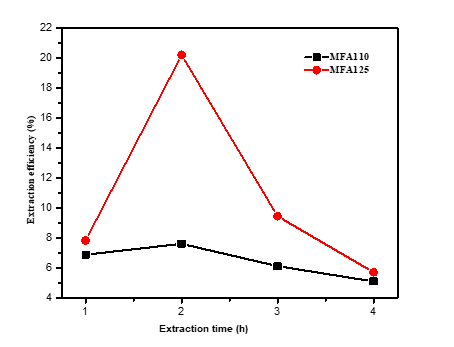
Figure 4 Effect of extraction temperature (110 and 125 °C) and time (1 - 4 h) on silicon extraction efficiency from MSWI FA using direct alkaline leaching (4M NaOH).
The reduced aluminum concentration at 125 °C is attributed to true selective dissolution rather than re-precipitation or analytical limitations. As summarized in Table 3, the ICP-OES detection limit for Al (<0.01 mg L⁻¹) is significantly lower than the measured concentrations (3.71 - 8.60 mg L⁻¹), confirming that the observed decrease is not due to insufficient sensitivity. Furthermore, SEM-EDS analysis of the leaching residues (Table 4) reveals a decrease in Al content (from 18.9 to 14.1 wt%) and a reduction in the Al/Si ratio (from 2.0 to 0.9), with no evidence of Al enrichment on particle surfaces, thereby excluding re-precipitation. In addition, the high Si concentration at 125 °C (Table 3), accompanied by suppressed Al dissolution, indicates preferential dissolution of amorphous silica over more stable aluminosilicate phases. Collectively, these findings confirm that the observed behavior arises from intrinsic selective dissolution.
This study demonstrates the feasibility of MSWI FA as a precursor for silica production, achieving a maximum recovery of approximately 20%. However, as detailed characterization of the final silica product has not yet been conducted, further investigations—such as standardized leaching tests (e.g., TCLP) and residual metal analysis—are required to evaluate environmental safety and support its potential for commercial application [61].
Table 4 Elemental composition (wt%) and Al/Si of post-leaching residues obtained at different extraction temperatures, as determined by SEM-EDS analysis.
| Sample | Al (%) | Si (%) | Al/Si |
|---|---|---|---|
| MFA 110, 1t | 18.64 | 8.8 | 2.1 |
| MFA 110, 2t | 17.53 | 10.14 | 1.7 |
| MFA 110, 3t | 17.69 | 8.98 | 2.0 |
| MFA 110, 4t | 21.89 | 11.03 | 2.0 |
| MFA125, 1t | 20.87 | 10.18 | 2.1 |
| MFA 125, 2t | 11.69 | 6.15 | 1.9 |
| MFA 125, 3t | 13.54 | 17.78 | 0.8 |
| MFA125, 4t | 11.24 | 12.53 | 0.9 |
SEM-EDS compositional analysis (n = 4) of alkali leach residues showing 25% Al depletion (18.9→14.1 wt%) and Al/Si ratio drop (2.0→0.9) at 125 °C, confirming selective silica dissolution over mullite.
In addition, a comprehensive techno-economic assessment is necessary to fully establish its industrial viability. Nevertheless, the elimination of the acid leaching step, reduced chemical usage, and operation at moderate temperatures (110 - 125 °C) suggest that the proposed method may offer advantages in terms of cost, energy consumption, and process simplicity compared to conventional silica extraction routes.
Characterization of silica nanoparticles
Silica primarily consists of silicon dioxide (SiO₂), occurring in amorphous (glassy) phases or crystalline polymorphs such as quartz, cristobalite, tridymite, coesite, stishovite, and chalcedony, each characterized by distinct physical properties such as density, hardness, refractive index, and thermal stability. The formation of a specific crystalline phase is strongly governed by synthesis conditions, particularly temperature, residence time, oxygen availability, cooling rate, and pressure, which collectively influence nucleation behavior, phase stability, and transformation kinetics [27]. In contrast to crystalline phases, amorphous silica nanoparticles lack long-range atomic order and therefore offer tunable morphology, high surface area, and good biocompatibility, making them attractive for a wide range of applications [37,57,62,63].
In this study, sodium silicate extracted from MSWI FA was employed as the silica precursor for the synthesis of nano-silica. Fourier-transform infrared (FTIR) spectroscopy was used as one of the primary characterization techniques to elucidate the chemical structure and identify the functional groups formed during synthesis. The FTIR spectra of nano-silica samples prepared under different heating temperatures and durations are presented in Figure 5. Broad absorption bands appearing at approximately 3,450 and 1,640 cm⁻¹ are associated with the stretching and bending vibrations of O–H groups originating from surface silanol groups and adsorbed water molecules [62]. The presence of these hydroxyl-related bands reflects the hydrophilic nature of the silica surface and suggests a high density of surface-active sites. Importantly, the broad and smooth nature of these peaks, together with the absence of sharp and well-defined crystalline signatures, confirms the amorphous character of the synthesized nano-silica [44,65].
In contrast to nanocrystalline silica, which typically exhibits sharp and well–resolved FTIR peaks due to its ordered lattice structure—particularly distinct Si–O–Si vibrations at approximately 460, 800, and 1,100 cm⁻¹ [32,66]. The synthesized samples display broadened absorption bands. This spectral behavior is indicative of a disordered siloxane network and a significant population of silanol groups, consistent with amorphous nano-silica formation.
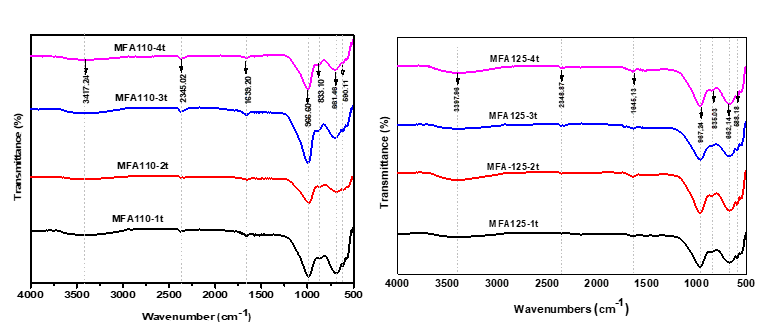
Figure 5 FTIR spectra of amorphous silica nanoparticles synthesized from MSWI FA using sodium silicate precursors obtained at different extraction temperatures. (a) Sample prepared from sodium silicate extracted at 110 °C. (b) Sample prepared from sodium silicate extracted at 125 °C.
Table 5 FTIR peak assignments of template-free mesoporous silica samples (MFA110-2t and MFA125-2t). The MFA125-2t sample exhibits a more pronounced Si-O-Si asymmetric stretching band at approximately 1,085 cm⁻¹, indicating a higher degree of siloxane network condensation. This enhanced structural condensation correlates well with the significantly increased specific surface area (SBET = 802.51 m² g⁻¹) compared to MFA110-2t (SBET = 156 m² g⁻¹). The presence of a characteristic Si-OH band at ~965 cm⁻¹ in both samples confirms the template-free nature of the synthesized silica and the availability of surface silanol groups, which are typical of amorphous mesoporous silica materials [37,39].
Additional bands at ~3,450 and 1,640 cm⁻¹ correspond to O-H stretching and bending from adsorbed silanol groups or surface-bound water molecules. The broad, smooth peak profiles and characteristic absorption bands verify the amorphous silica structure [44,65], as will be further corroborated by XRD analysis.
Table 5 FTIR peak assignments for template-free mesoporous silica (MFA110-2t, MFA125-2t) from MSWI FA.
| Peak (cm−1) |
MFA 110-2t |
MFA 125-2t |
Assignment | Structural implication | Reference |
|---|---|---|---|---|---|
| ~1,085 – 1,090 | Strong | Stronger | Asymmetric stretching vibration of ≡Si on ≡Si-O-Si≡ | Formation of amorphous silica network | [44,64] |
| ~965 - 970 | Medium | Medium | Stretching vibration of Si-OH from Si-OH (silanol) | Presence of surface silanol groups (template-free) | [44,67] |
| ~800 | Weak-Med | Weak-Med | Symmetrical stretching vibration of ≡Si on ≡Si-O-Si≡ | Typical siloxane framework | [44,64] |
| ~470 | Present | Present | Bending vibration of Si-O-Si | Fingerprint band of silica | [44,64] |
| ~3,400 - 3,600 | Broad | Broad | Stretching vibration of -OH from Si-OH (silanol) | Surface hydroxyls and adsorbed moisture | [44,64,67] |
| ~1,630 | Present | Present | Bending vibration of -OH from adsorbed water | Physically adsorbed water | [44,64] |
To further evaluate the structural nature of the synthesized silica, XRD analysis was performed. The XRD patterns exhibit a broad and diffuse diffraction halo in the 2θ range of 17.70° to 38.31°, with a maximum intensity at approximately 28° - 29°, indicating the predominance of amorphous silica.
This broad halo reflects the absence of long-range order, which is characteristic of amorphous materials, in contrast to the sharp diffraction peaks observed in crystalline structures [68]. The consistent absence of distinct crystalline peaks across all samples further confirms that the silica nanoparticles synthesized at 110 and 125 °C (1 - 4 h) are predominantly amorphous. Figure 6 illustrates the XRD patterns of silica nanoparticles obtained from MSWI-FA. The absence of specific h, k, and l values, which are Miller indices representing the orientation of planes in a crystal lattice, further confirms the amorphous state of all treatments, both at temperatures of 110 and 125 °C.
The amorphous nature of the synthesized silica is supported by both FTIR and XRD analyses, which are widely accepted for such systems. More advanced spectroscopic techniques (e.g., Raman or solid-state NMR) may be considered in future work for further structural validation.
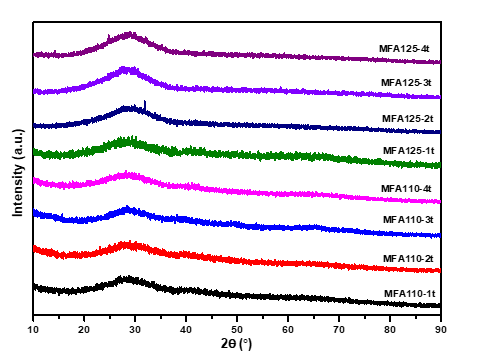
Figure 6 XRD pattern of silica nanoparticles prepared from sodium silicate extracted from MSWI-FA at varying hydrothermal temperature and duration.
TEM analysis was carried out to study the morphology, including shape, size, and size distribution of nanoparticles. Based on TEM images, silica nanoparticles produced from MSWI FA at 110 °C (Figures 7(a) and 7(b)) and 125 °C (Figures 7(d) and 7(e)) with heating durations of 2 h. each, revealed aggregated, spherical-shaped particles. They exhibited agglomerated shapes that tend to form clusters and are relatively homogeneously distributed.
Based on these TEM images, the particle size distribution histograms were constructed by measuring approximately 100 - 150 particles from TEM images using ImageJ software, ensuring statistically representative results (Figures 7(c) and 7(f)). This analysis revealed that average size of nano-silica synthesized from MFA110-2t and MFA125-2t were 19.85 ± 0.09 nm and 17.72 ± 0.29 nm, respectively. The particle size distribution analysis indicated that nano-silica synthesized from sodium silicate precursors extracted at the higher hydrothermal temperature of 125 °C exhibited a narrower, and a more uniform particle size compared to that synthesized from precursors extracted at 110 °C. Results from ICP, XRF, and TEM analyses further confirmed that the hydrothermal extraction temperature significantly influences the silica content, purity, and particle size of the resulting nano-silica.
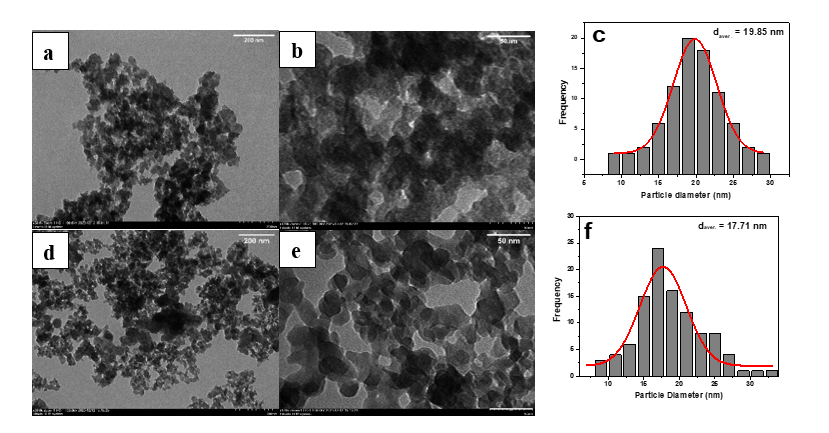
Figure 7 TEM micrographs of nano-silica from MFA110-2t (a), (b) and MFA125-2t (d), (e) at different magnifications, and the corresponding particle size distribution histograms for MFA110-2t (c) and MFA125-2t (f).
The textural properties of the synthesized silica samples were evaluated using nitrogen adsorption-desorption analysis. The specific surface area was determined by the Brunauer-Emmett-Teller (BET) method, while pore size distribution and pore volume were analyzed using the Barrett-Joyner-Halenda (BJH) method. The corresponding parameters, including BET surface area, total pore volume, BJH pore volume, and average pore diameter, are summarized in Table 6. As shown in Table 6, MFA125-2t exhibits significantly higher BET surface area and pore volume than MFA110-2t, indicating that the synthesis conditions play a critical role in controlling silica dissolution, condensation, and pore development during the hydrothermal alkali extraction and sol-gel precipitation process.
For MFA110-2t, BET analysis yielded a specific surface area of 156.36 m² g⁻¹ with excellent linearity (r = 0.999974), confirming the reliability of the BET fitting within the relative pressure range of 0.05 - 0.30. The relatively high BET C constant (77.28) suggests strong nitrogen-silica interactions, which are commonly associated with energetically heterogeneous surfaces and the presence of high-energy adsorption sites. The total pore volume reached 0.746 cm³ g⁻¹. At the same time, BJH analysis indicated a pore volume of 0.764 cm³ g⁻¹ and an average pore diameter of approximately 12.71 nm, confirming that mesopores dominate the pore structure of MFA110-2t. The BJH pore size distribution further reveals two mesopore populations within the mesoporous range, indicating a bimodal mesoporous structure. This behavior is commonly attributed to interparticle voids formed during the aggregation of silica nanoparticles in surfactant-free systems.
In contrast, MFA125-2t displays markedly enhanced textural properties, with a substantially higher BET surface area of 802.51 m² g⁻¹ (r = 0.999284), demonstrating a highly developed porous structure. The much lower C constant (5.07) indicates weaker nitrogen-surface interactions, consistent with a more energetically homogeneous silica surface. The total pore volume increased to 1.853 cm³ g⁻¹, while BJH analysis yielded a pore volume of 1.746 cm³ g⁻¹ and an average pore diameter of approximately 9.95 nm, confirming that mesopores dominate the pore structure of MFA125-2t. The BJH pore size distribution of MFA125-2t exhibits a single dominant mesopore population, indicating a unimodal mesoporous structure. This structural evolution reflects improved control over silica condensation and pore formation during the template-free sol-gel process, resulting in a more compact and accessible porous network compared to MFA110-2t.
The higher temperature (125 °C) enhances silica dissolution and promotes more extensive condensation of silanol species, leading to the formation of a highly interconnected porous network. During drying, this network generates a larger pore volume and more accessible internal surface area, which directly contributes to the significant increase in SBET. In addition, reduced co-extraction of metal impurities at higher temperatures may further prevent pore blockage and support the development of a more uniform porous structure.
Based on the combined BET and BJH analyses (Figures 8(a) and 8(b)), these results clearly demonstrate that increasing the severity of the hydrothermal alkali extraction conditions leads to a substantial enhancement of surface area and pore volume, accompanied by a transition from a bimodal to a unimodal mesoporous structure. While MFA110-2t is characterized by moderate surface area and bimodal mesopores dominated by interparticle voids, MFA125-2t exhibits a highly developed mesoporous network with superior textural properties, which is expected to be advantageous for adsorption-related applications.
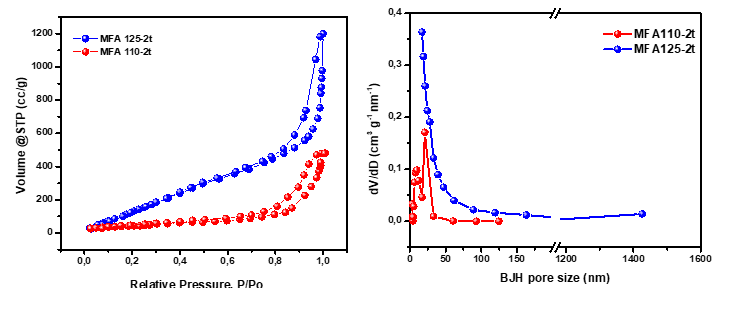
Figure 8 (a) N₂ adsorption-desorption isotherms displaying Type IV curves with H3 hysteresis loops (P/P₀ = 0.4 - 0.9) characteristic of mesoporous materials with slit-shaped pores; MFA125-2t shows significantly higher N₂ uptake, indicating enhanced mesoporosity vs MFA110-2t. (b) BJH pore size distributions confirming DBJH = 9.95 nm and 12.71 nm for MFA125-2t and DBJH for MFA110-2t, demonstrating temperature-controlled pore evolution through template-free Ostwald ripening and nanoparticle aggregation during hydrothermal processing.
Table 6 Textural properties of nano-silica synthesized from MFA 110-2t and MFA 125-2t.
| Sample | SBET (m2/g) | VT (cm3/g) | VBJH (cm3/g) | DBJH (nm) |
|---|---|---|---|---|
| MFA110-2t | 156.36 | 0.746 | 0.764 | 12.71 |
| MFA125-2t | 802.51 | 1.853 | 1.746 | 9.95 |
SBET = (m2/g) = BET surface area, VT = total pore volume, VBJH = BJH pore volume, DBJH = BJH pore diameter.
The formation of the mesoporous structure in the template‑free system proceeds via the aggregation of primary silica nanoparticles (5 - 10 nm) formed by acid-base hydrolysis of extracted silicates, followed by Ostwald ripening during hydrothermal aging at 125 °C. The disordered mesopores (2 - 50 nm) arise from the interstitial voids between aggregated nanoparticles and curvature‑driven restructuring, which are stabilized by residual Al/Ca impurities originating from MSWI fly ash that prevent framework collapse. This mechanism is consistent with established template‑free silica synthesis pathways, where high pH (>10) and thermal aging promote spontaneous mesopore formation through self‑assembly of silica nanoparticles [69].
Previous studies have widely reported the successful synthesis of mesoporous amorphous silica from various silica-rich sources, including coal fly ash, biomass-derived ashes (such as rice husk, rice straw, and sugarcane bagasse), predominantly through sol-gel-based routes, as summarized in Table 7. Despite substantial differences in origin and chemical composition, these materials can generally be converted into amorphous silica via alkaline dissolution followed by acid-induced gelation.
Although similar sol-gel synthesis routes are often employed, the reported textural properties of the resulting silica-particularly BET surface area, pore size distribution, and particle size-vary over a broad range, with SBET values commonly reported between ~100 and ~800 m² g⁻¹ depending on the extraction and sol–gel conditions [29,44]. This wide variability suggests that processing conditions play a more decisive role than the precursor itself in governing the formation and textural evolution of mesoporous amorphous silica.
To improve silica purity and textural properties, many studies employ acid leaching pretreatment prior to alkaline extraction. Acid leaching using mineral acids (e.g., HCl) or organic acids (e.g., citric acid, L-cystine) is effective in removing metal oxides such as CaO, Fe₂O₃, and Al₂O₃, thereby enhancing the dissolution of SiO₂ during alkaline extraction and promoting the formation of a more homogeneous silicate network during sol-gel processing [42,44]. Consequently, biomass-derived ashes subjected to acid leaching typically yield amorphous silica with moderate to high SBET values, ranging from approximately 115 to 523.89 m² g⁻¹, depending on the leaching agent and extraction conditions.
In addition to pretreatment, the concentration of the alkaline extractor strongly influences silica dissolution kinetics and gel formation. Higher alkali concentrations generally enhance SiO₂ solubilization, producing more reactive silicate species and accelerating gelation. This behavior is exemplified by waste glass-derived silica synthesized via reflux-assisted alkaline extraction + sol-gel routes, where increasing NaOH concentration from 3 to 5 M resulted in larger particle sizes, reflecting faster condensation and growth under highly alkaline conditions [4]. However, excessively high alkali strength may also promote particle agglomeration, which can limit the development of accessible surface area.
In this context, the present study demonstrates that hydrothermal alkali extraction combined with sol-gel precipitation enables the synthesis of high-performance template-free mesoporous amorphous silica from MSWI FA. The MFA110-2t sample, prepared under milder hydrothermal conditions, exhibits a moderate SBET of 156.36 m² g⁻¹, with mesoporosity primarily originating from interparticle voids. In contrast, increasing the hydrothermal extraction temperature yields MFA125-2t, which shows a pronounced enhancement in SBET to 802.51 m² g⁻¹, accompanied by increased pore volume and a reduced average pore diameter.
Table 7 Comparison of sol-gel silica nanoparticles from different sources: BET surface area, pore characteristics, and particle size.
| Source/Material | Synthesis method | SBET (m2 g-1) | Pore sizes (nm) | Particle size (nm) | Reference |
|---|---|---|---|---|---|
| Rice husk ash | Combustion + reflux 0.1M NaOH + sol-gel | 196 | 14 - 26 | - | [28] |
| Sugarcane bagasse ash | HCl leaching–alkaline extraction + sol-gel | 469 | 5.47 | - | [42] |
| Sugarcane bagasse ash | Citric acid leaching–alkaline extraction + sol-gel | 524 | 5.43 | - | [42] |
| Sugarcane bagasse ash | L-cystine leaching–alkaline extraction + sol-gel | 199 | 15.51 | - | [42] |
| Sugarcane bagasse ash | HCl leaching, alkaline extraction + sol-gel | 407 | 0.38 | - | [42] |
| Biomass power plant fly ash | Hydrochloric acid leaching, alkaline extraction + sol-gel | 115 | 3 | 20 - 40 | [44] |
| Coal fly ash | Alkali fusion + sol-gel (APD) | 385 | 3.28 | - | [45] |
| Coal fly ash | Acid leaching–alkaline extraction + sol-el | 290 | 23.3 | - | [46] |
| Rice husk ash | Alkaline extraction + sol-gel precipitation | - | - | 10 - 50 | [64] |
| MFA110-2t | Hydrothermal alkali extraction + sol-gel | 156 | 9.68 and 21.11 | 19.85 | This study |
| MFA125-2t | Hydrothermal alkali extraction + sol-gel | 802 | 3.64 | 17.40 | This study |
These findings show that hydrothermal extraction severity critically governs silica dissolution, nucleation, and pore evolution in template‑free systems. The BET surface area (S1 1nd 2) of MFA125‑2t surpasses most reported template‑free silica materials and rivals values obtained from more complex, multistep pretreatment methods.
This study demonstrates a simplified synthesis of mesoporous silica directly from raw MSWI fly ash without acid pretreatment or structure‑directing agents, representing both a conceptual innovation—through direct valorization of hazardous waste—and a methodological advancement by integrating extraction and mesostructure formation in a single hydrothermal-sol-gel step.
The resulting highly porous amorphous silica nanoparticles offer abundant active sites, high surface area, and large pore volume, which enhance the adsorption of dyes, heavy metals, and organic pollutants and support heterogeneous catalysis. Overall, MSWI-FA can be transformed into a value‑added material with broad environmental and catalytic applications.
Conclusions
MSWI FA obtained from Bantargebang, Bekasi, containing 13.40 wt% SiO₂, was successfully utilized as a silica precursor via a steam-pressure-assisted sol-gel extraction route. The extraction temperature and duration markedly influenced silica recovery, with the optimal condition achieved at 125 °C for 2 h, resulting in the highest extraction efficiency of 20.21%. Structural characterization confirmed the amorphous nature of the extracted silica, while TEM observations revealed agglomerated yet relatively homogeneous nanoparticles. Nitrogen adsorption-desorption analysis demonstrated that the synthesized silica possesses a relatively high specific surface area with mesoporous characteristics, indicating enhanced textural properties compared to silica produced through conventional fly ash-based methods. Notably, the proposed synthesis strategy eliminates the need for acid leaching pretreatment commonly employed in previous approaches, thereby reducing chemical consumption, processing steps, and overall production costs. These findings highlight that the developed method provides a more efficient and economically favorable pathway for producing porous silica from MSWI FA. The high surface area and mesoporous characteristics of the synthesized silica make it a promising candidate for applications in adsorption, catalyst support, and other surface-dependent processes, especially for environmental remediation. Further studies are required to evaluate its performance in specific application systems and to assess long-term stability and environmentally safety.
Acknowledgements
We would like to extend our appreciation to the Center for Environmental and Clean Technology Research, the National Research and Innovation Agency, and E-Services Science for their scientific (ELSA) and technical support, as well as their facilities. We also would like to thank the Nanotechnology and Materials Research Organization of the National Research and Innovation Agency (ORNM - BRIN) for funding this research through the Nanotechnology and Advanced Materials Program 2023 No. 3/III.10/HK/2023.
Declaration of Generative AI in Scientific Writing
The authors acknowledge the use of generative AI tools during manuscript preparation. ChatGPT, Perplexity, and Scopus AI were used solely for brainstorming and preliminary academic exploration. All literature included in this manuscript was independently searched, evaluated, and selected by the authors from reputable peer-reviewed journal sources, particularly through ScienceDirect and other scientific databases. QuillBot was used only for language refinement and grammatical correction. All experimental work, data processing, analysis, interpretation, and conclusions were carried out exclusively by the authors. No AI tool was used to generate scientific data, perform analyses, or interpret results. The authors take full responsibility for the accuracy and integrity of the manuscript.
CRediT Author Statement
This research was conducted through the joint efforts of all authors. Raden Nida Sopiah: Conceptualization; Methodology; Investigation; Resource Acquisition; Writing - Original draft; Funding acquisition. Ratna Ediati: Methodology; Supervision; Writing – Review and Editing. Didik Prasetyoko: Conceptualization; Methodology; Supervision; Validation; Writing – Review and Editing. Muhamad Nasir: Supervision; Validation. Muhammad Abdul Kholiq: Supervision; Validation. Elsy Rahimi Chaldun: Formal analysis. Arniati Labanni: Validation; Writing – Review and Editing. Naufal Riadhi Yusuf: Visualization. Desak Gede Sri Andayani: Writing – Review and Editing. Stella Jovita: Writing – Reviewing and Editing.
References
[1] Y Liu, T Tian, X Hao, Q Zhang, C Yao and G Liu. Promotion of household waste utilization in China: Lessons learnt from three case studies. Sustainability 2021; 13(21), 11598.
[2] J Hidalgo-Crespo, P Rivas-García, EE García-Balandrán, A Albalate-Ramírez, S Quintero-Herrera, A Velastegui-Montoya, JLA Rivas and M Soto. Validating circular end-of-life strategies for domestic post-consumer materials in the latin american region: A life cycle assessment approach. Environments 2024; 11(11), 228.
[3] DS Babu, AR Rao, AV Narayana and K Chandrasekhar. From waste to wealth: Biological methods and sustainability in municipal solid waste management. Industrial Biotechnology 2026; 22(4), 286-298.
[4] SS Owoeye, SM Abegunde and B Oji. Effects of process variable on synthesis and characterization of amorphous silica nanoparticles using sodium silicate solutions as precursor by sol-gel method. Nano-Structures & Nano-Objects 2021; 25, 100625.
[5] WS Winanti, W Purwanta and Wiharja. Utilization of municipal solid waste into electricity energy: A performance of PLTSa Bantargebang pilot project. IOP Conference Series: Earth and Environmental Science 2022; 1034, 012003.
[6] AN Tugoy. Modern technologies for the thermal treatment of municipal solid waste, and prospects for their implementation in Russia (Review). Thermal Engineering 2021; 68(1), 1-16.
[7] F Teng, Z Wang, K Ren, S Liu and H Ding. Analysis of composition characteristics and treatment techniques of municipal solid waste incineration fly ash in China. Journal of Environmental Management 2024; 357, 120783.
[8] Y Chen, M Zhao, Y Lv, ZJ Ting, S Zhao, Z Liu, X Zhang, Y Yang, Y You and W Yuan. Utilization of municipal solid waste incineration fly ash as construction materials based on geopolymerization. Resources, Conservation and Recycling Advances 2023; 19, 200162.
[9] C Vogelsang and M Umar. Municipal solid waste fly ash-derived zeolites as adsorbents for the recovery of nutrients and heavy metals: A review. Water 2023; 15(21), 3817.
[10] Q Liu, X Wang, M Gao, Y Guan, C Wu, Q Wang, Y Rao and S Liu. Heavy metal leaching behaviour and long-term environmental risk assessment of cement-solidified municipal solid waste incineration fly ash in sanitary landfill. Chemosphere 2022; 300, 134571.
[11] Y Wei, S Liu, R Yao, S Chen, J Gao and T Shimaoka. Removal of harmful components from MSWI fly ash as a pretreatment approach to enhance waste recycling. Waste Management 2022; 150, 110-121.
[12] P Su, M Xia, K Chen, H Wang, X Li, Z Zhou, R Zhang, L Zhang and S Zhao. Study on the solidification/stabilization of MSWI fly ash by composite alkali-activated cementitious materials. ACS Omega 2025; 10(6), 5659-5667.
[13] Z Zhang, C Zhao, Y Rao, C Yu, Z Luo, H Zhao, X Wang, C Wu and Q Wang. Solidification/ stabilization and risk assessment of heavy metals in municipal solid waste incineration fly ash: A review. Science of the Total Environment 2023; 892, 164451.
[14] X Ren, K Song, D Liu and Z Pan. Leaching characteristics of sulfates and chlorides from fly ash produced by municipal solid waste incineration. Desalination and Water Treatment 2022; 273, 180-189.
[15] Y Tian, NJ Themelis, D Zhao, ACT Bourtsalas and S Kawashima. Stabilization of Waste-to-Energy (WTE) fly ash for disposal in landfills or use as cement substitute. Waste Management 2022; 150, 227-243.
[16] J Tan, JD Vlieger, P Desomer, J Cai and J Li. Co-disposal of construction and demolition waste (CDW) and municipal solid waste incineration fly ash (MSWI FA) through geopolymer technology. Journal of Cleaner Production 2022; 362, 132502.
[17] Y Duan, X Liu, W Hong, Z Khalid, G Lv and X Jiang. Leaching behavior and comprehensive toxicity evaluation of heavy metals in MSWI fly ash from grate and fluidized bed incinerators using various leaching methods: A comparative study. Science of The Total Environment 2024; 914, 169595.
[18] X Lin, Y Shen, Z Chen, J Chen, P Yi, Q Wang, X Li and J Yan. Insights into the environmental risk variation of heavy metals from MSWI fly ash after thermal plasma vitrification. Process Safety and Environmental Protection 2024; 191, 2533-2542.
[19] M Nag and T Shimaoka. A novel and sustainable technique to immobilize lead and zinc in MSW incineration fly ash by using pozzolanic bottom ash. Journal of Environmental Management 2023; 329, 117036.
[20] HA Ali, D Xuan, B Zhang, C Xiao and B Zhao. Cementitious characteristics and environmental behaviour of vitrified MSW incineration fly ash slag. Cleaner Materials 2022; 4, 100092.
[21] AM Vele, FC Galisteo, E Atanes-Sánchez, A Nieto-Márquez and MJM de Vidales. Sustainable management of municipal solid waste incineration fly ash: A life cycle assessment based review of treatment and valorization pathways. Journal of Hazardous Materials Advances 2025; 19, 100817.
[22] EI Anjana, K Aiswariya, KP Prathish, SK Sahoo and K Jayasankar. Recovery and recycling of silica fabric from waste printed circuit boards to develop epoxy composite for electrical and thermal insulation applications. Waste Management 2025; 198, 174-186.
[23] T Bakalár, H Pavolová, Z Hajduová, R Lacko and K Kyšeľa. Metal recovery from municipal solid waste incineration fly ash as a tool of circular economy. Journal of Cleaner Production 2021; 302, 126977.
[24] AH Kanhar, S Chen and F Wang. Incineration fly ash and its treatment to possible utilization: A review. Energies 2020; 13(24), 6681.
[25] H Ye, J Shi, Y Wu, Y Yuan, L Gan, Y Wu, H Xie, A Pugazhendhi and C Xia. Research progress of nano-catalysts in the catalytic conversion of biomass to biofuels: Synthesis and application. Fuel 2024; 356, 129594.
[26] YN Cao, JJ Luo and SQ Sun. Characteristics of MSWI fly ash with acid leaching treatment. Journal of Fuel Chemistry and Technology 2021; 49(8), 1208-1218.
[27] PU Nzereogu, AD Omah, FI Ezema, EI Iwuoha and AC Nwanya. Silica extraction from rice husk: Comprehensive review and applications. Hybrid Advances 2023; 4, 100111.
[28] D Shrestha, T Nayaju, MR Kandel, RR Pradhananga, CH Park and CS Kim. Rice husk-derived mesoporous biogenic silica nanoparticles for gravity chromatography. Heliyon 2023; 9(4), 15142.
[29] GA Habte, TA Bullo and Y Ahmed. Statistical optimization characterizations and Eco- friendly synthesis of silica from sugarcane bagasse. Scientific Reports 2025; 15, 8492.
[30] D Bokov, AT Jalil, S Chupradit, W Suksatan, MJ Ansari, IH Shewael, GH Valiev and E Kianfar. Nanomaterial by Sol-Gel Method: Synthesis and application. Advances in Materials Science and Engineering 2021; 2021, 5102014.
[31] LAD Meiliyadi, M Wahyudi, K Arizona ANDZ Zain. Synthesis of nanosilica gel based on river sand and its use as water treatment. Journal of Materials and Environmental Science 2023; 14(11), 1204-1213.
[32] S Aisvarya, M Kalyanasundaram, M Kannan, S Preetha, K Elango, T Srinivasan and K Govindaraju. Preparation and characterization of silica nanoparticles (sol-gel & river sand): A comparative toxicity studies against seed weevil (Sitophilus oryzae L). and effect on agro-morphological characteristics of maize seeds. Materials Science and Engineering: B 2023; 293, 116503.
[33] PE Imoisili and TC Jen. Microwave-assisted sol-gel template-free synthesis and characterization of silica nanoparticles obtained from South African coal fly ash. Nanotechnology Reviews 2022; 11, 3042-3052.
[34] P Markov, G Chernev, D Nintianova, N Kazakova and H Karakostov. Synthesis and characterization of nanoparticles from coal fly ash. Journal of Chemical Technology and Metallurgy 2024; 59(6), 1437-1441.
[35] FF Hanum, A Rahayu and I Hapsauqi. The comparison effects of NaOH and KOH as solvents for silica extraction from two different coal fly ashes. Indonesian Journal of Chemical Research 2022; 10(1), 27-31.
[36] PE Imoisili and TC Jen. Synthesis and characterization of amorphous nano silica from South African coal fly ash. Materials Today: Proceedings 2023; 105, 21-26.
[37] Y Chambioso, AL Juwono and A Daulay. Synthesis and characterization of amorphous silica nanoparticles production from indonesia coal fly ash. Journal of Chemical Natural Resources 2025; 7(2), 96-104.
[38] FO Ochedi, Y Liu and A Hussain. A review on coal fly ash-based adsorbents for mercury and arsenic removal. Journal of Cleaner Production 2020; 267, 122143.
[39] SN Mahdi, DV Babu, M Shivakumar and MMAB Abdullah. Mitigation of environmental problems using brick kiln rice husk ash in geopolymer composites for sustainable development. Current Research in Green and Sustainable Chemistry 2021; 4, 100193.
[40] PE Imoisili, KO Ukoba and TC Jen. Green technology extraction and characterisation of silica nanoparticles from palm kernel shell ash via sol-gel. Journal of Materials Research and Technology 2020; 9(1), 307-313.
[41] TH Liou, SY Wang, YT Lin and S Yang. Sustainable utilization of rice husk waste for preparation of ordered nanostructured mesoporous silica and mesoporous carbon: Characterization and adsorption performance. Colloids and Surfaces A: Physicochemical and Engineering Aspects 2022; 636, 128150.
[42] LA September, N Kheswa, NS Seroka and L Khotseng. Green synthesis of amorphous silica nanoparticles (SiO2NPs) from sugarcane bagasse ash by sol-gel method. Next Materials 2026; 10, 101396.
[43] IH Nurwahid, LCC Dimonti, AA Dwiatmoko, JM Ha and RT Yunarti. Investigation on SiO2 derived from sugarcane bagasse ash and pumice stone as a catalyst support for silver metal in the 4-nitrophenol reduction reaction. Inorganic Chemistry Communications 2022; 135, 109098.
[44] NAA Razak, NH Othman, MSM Shayuti, A Jumahat, N Sapiai and WJ Lau. Agricultural and industrial waste-derived mesoporous silica nanoparticles: A review on chemical synthesis route. Journal of Environmental Chemical Engineering 2022; 10(2), 107322.
[45] J Xia, B Zhao, Y Guo, K Li, Q Na, S He and J Zhang. Synergistic alkali fusion-acid leaching strategy for silica aerogel synthesis from fly ash and performance optimization. Scientific Reports 2025; 15, 40299
[46] N Nurmalita, SN Abdulmadjid, A Setiawan, R Idroes and Z Jali. Characteristics of silica powder extracted from fly ash of coal fired power plant – effect of heat treatment process. Journal of Ecological Engineering 2023; 24(9), 282-292.
[47] HIFULL. Fumed silica. Hubei Huifu Nanomaterial Co., Ltd., Hubei, China, 2020.
[48] HIFULL. Hydrophilic fumed silica. Hubei Huifu Nanomaterial Co., Ltd., Hubei, China, 2020.
[49] F Aghabeyk, B Chen, MB van Zijl and G Ye. Physicochemical characterization and resource recovery potential of hazardous municipal solid waste incineration (MSWI) fly ash and air pollution control (APC) residues in the Netherlands. Journal of Environmental Management 2025; 384, 125579.
[50] C Zhou, Q Gao, W Luo, Q Zhou, H Wang, C Yan and P Duan. Preparation, characterization and adsorption evaluation of spherical mesoporous Al-MCM-41 from coal fly ash. Journal of the Taiwan Institute of Chemical Engineers 2015; 52, 147-157.
[51] Y Zhang, L Wang, L Chen, B Ma, Y Zhang, W Ni and DCW Tsang. Treatment of municipal solid waste incineration fly ash: State-of-the-art technologies and future perspectives. Journal of Hazardous Materials 2021; 411, 125132.
[52] X Qu, Y Wang, F Chen, C Li, Y He, J Dou, S Zhang, J Ding, H Zhang and Y Zhong. Evaluation of fly ash composition from municipal solid waste incinerators: The role of the incinerator type and flue gas deacidification process. Toxics 2025; 13(7), 588.
[53] Q Wang, Y Peng, M Chen, M Xu, J Ding, Q Yao and S Lu. Synthesis of layered double hydroxides from municipal solid waste incineration fly ash for heavy metal adsorption. Science of the Total Environment 2024; 912, 169482.
[54] CK Tsai, NAA Sezali, ZF Lin, JJ Horng and HL Ong. Efficient fluoride recovery from wastewater using mesoporous Ca-based nanomaterials derived from municipal solid waste incineration fly ash via fluidized bed crystallization. Journal of Environmental Chemical Engineering 2024; 12(6), 114550.
[55] NT Mai, KT Hong, NTT Hang, NTH Lien, VH Tap, PTT Hang, TT Tham, VD Toan, TT Cuong, NT Hoa, DT Duong, NH Son, NT Nghia and DTL Chi. Analytical procedures using SEM/EDX equipment for determining heavy metals contents in fly ash genereated from domestic solid waste incinerators: A casestudy of Soc Son waste to power plant in Ha Noi. Vietnam Journal of Science and Technology 2024; 62(2), 312-323.
[56] M Matinfar and JA Nychka. Process mapping of the sol-gel transition in acid-initiated sodium silicate solutions. Gels 2024; 10(10), 673.
[57] R Fatima, P Katiyar and K Kushwaha. Recent advances in mesoporous silica nanoparticle: Synthesis, drug loading, release mechanisms, and diverse applications. Frontiers in Nanotechnology 2025; 7, 1564188.
[58] L Xing, X Li, P Cao, J Luo and H Jiang. Stepwise extraction and utilization of silica and alumina from coal fly ash by mild hydrothermal process. Process Safety and Environmental Protection 2024; 182, 918-929.
[59] R Yuan, X Fan, M Gan, Q Zhao, S Lu and S Li. Facile treatment of municipal solid waste incineration fly ash by one-step microwave hydrothermal method: Hazards detoxification and tobermorite synthesis. Journal of Environmental Chemical Engineering 2023; 11(3), 109768.
[60] Y Han, S Han, S Kim, M Jung, HS Jeon, SQ Choi, K Kim and Y Kim. Mesoporous silica derived from municipal solid waste incinerator (MSWI) ash slag: Synthesis, characterization and use as supports for Au(iii) recovery. Materials 2021; 14(22), 6894.
[61] Y Xiao, Y Huang, H Cheng, Z Zhu, M Yu, W Xu, Z Li, W Zuo, H Zhou and B Jin. Advances and outlook of heavy metal treatment technology from municipal solid waste incineration fly ash: A review. Energy and Fuels 2024; 38(2), 895-918.
[62] A Saha, P Mishra, G Biswas and S Bhakta. Greening the pathways: A comprehensive review of sustainable synthesis strategies for silica nanoparticles and their diverse applications. RSC Advances 2024; 14(16), 11197-11216.
[63] R Peng, MA Khan and CL Liu. Synthesis of silica nanoparticles and their application of Dielectric relaxation spectroscopy: A review. Results in Chemistry 2023; 6, 101218.
[64] R Ellerbrock, M Stein and J Schaller. Comparing amorphous silica, short-range-ordered silicates and silicic acid species by FTIR. Scientific Reports 2022; 12, 11708.
[65] N Meftah, A Hani and A Merdas. Extraction and physicochemical characterization of highly-pure amorphous silica nanoparticles from locally available dunes sand. Chemistry Africa 2023; 6, 3039-3048.
[66] AM EL-Rafei. Preparation and characterization of mesoporous amorphous nano-silica and nano-cristobalite for value enhancement of low-cost Egyptian waste materials. Ceramics International 2022; 48(21), 32185-32195.
[67] RH Ellerbrock, M Stein and J Schaller. Comparing silicon mineral species of different crystallinity using Fourier transform infrared spectroscopy. Frontiers in Environmental Chemistry 2024; 5, 1462678.
[68] S Aprilia, CM Rosnelly, Zuhra, Fitriani, EH Akbar, M Raqib, K Rahmah, A Amin and RA Baity. Synthesis of amorphous silica from rice husk ash using the sol-gel method: Effect of alkaline and alkaline concentration. Materials Today: Proceedings 2023; 87(2), 225-229.
[69] S Karafiludis, AG Buzanich, C Heinekamp, A Zimathies, GJ Smales, VD Hodoroaba, JE ten Elshof, F Emmerling and TM Stawski. Template-free synthesis of mesoporous and amorphous transition metal phosphate materials. Nanoscale 2023; 15(8), 3952-3966.