
Trends
Sci.
2026; 23(11): 13796
Diagnostic Accuracy of Urine and Oral Fluid Based Rapid Tests for HIV Infection: A Systematic Review and Meta-Analysis
Alvira
Rilis Tupamahu1,
Puspa Wardhani2,3,4,5,*
 ,
Andiesta Asriyah Mariam Saman1,
,
Agus
Rudi Hartono1,6,
and Richardo Renaldi Sakka Alelo1
1Master of Basic Medical Sciences, Faculty of Medicine, Universitas Airlangga, Surabaya, Indonesia
2Department of Clinical Pathology, Faculty of Medicine, Universitas Airlangga, Surabaya, Indonesia
3Department of Clinical Pathology, Dr. Soetomo General Hospital, Surabaya, Indonesia
4Institute of Tropical Disease, Universitas Airlangga, Surabaya, Indonesia
5Postgraduate Shcool,Universitas Airlangga, Surabaya, Indonesia
6Department of Medical Laboratory Technology, Poltekkes Kemenkes East Kalimantan, Ministry of Health,
Samarinda, Indonesia
(*Corresponding author’s e-mail: [email protected])
Received: 10 March 2026, Revised: 3 July 2026, Accepted: 13 July 2026, Published: 30 July 2026
Abstract
Human Immunodeficiency Virus (HIV) infection requires early detection to enable timely treatment and prevent transmission. Conventional HIV testing commonly relies on blood samples, which are invasive and may limit testing uptake in some populations. Non-invasive specimens such as urine and oral fluid have emerged as alternative samples that may improve the acceptability and accessibility of testing. This study aimed to evaluate the diagnostic accuracy of rapid HIV tests using urine and oral fluid specimens through a systematic review and meta-analysis. A comprehensive search of electronic databases identified studies evaluating the diagnostic performance of urine- and oral-fluid-based rapid HIV tests compared with reference standard methods. Eligible studies provided sufficient data to construct a 2×2 contingency tables. Pooled sensitivity and specificity were estimated, and summary receiver operating characteristic (SROC) curves were generated to assess overall diagnostic performance. This systematic review was registered in the PROSPERO International Prospective Register of Systematic Reviews (CRD420261321766). Forest plot analysis showed that urine-based rapid HIV tests had a pooled sensitivity of 0.96 (95% CI: 0.86 - 0.99) and specificity of 1.00 (95% CI: 1.00 - 1.00). Oral fluid-based tests demonstrated a pooled sensitivity of 0.98 (95% CI: 0.95 - 0.99) and specificity of 1.00 (95% CI: 1.00 - 1.00). Bivariate random effects analysis showed pooled sensitivity and specificity of 0.947 and 0.998 for urine-based tests and 0.959 and 0.996 for oral fluid-based tests, with SROC AUC values approaching 1.0. Meta-regression analysis suggested that specimen collection procedures and test brands contributed to heterogeneity among studies. These findings suggest that urine and oral fluid specimens show high diagnostic accuracy for HIV detection using rapid diagnostic tests and may support non-invasive HIV screening strategies.
Keywords: HIV, Rapid diagnostic tests, Urine, Oral fluid, Diagnostic accuracy, Sensitivity, Specificity
Introduction
Human Immunodeficiency Virus (HIV) infection remains a substantial global health burden. Data reported by UNAIDS estimate that approximately 39 million people were living with HIV worldwide in 2020, with more than half a million deaths attributed to AIDS-
related complications during the same period [1]. Early and accurate diagnosis is essential to initiate timely antiretroviral therapy (ART), reduce HIV-related morbidity and mortality, prevent onward transmission, and ensure access to prevention, treatment, care, and support services as part of global HIV response strategies [2,3].
Current HIV diagnostic algorithms primarily rely on blood-based serological assays, including enzyme-linked immunosorbent assays (ELISA) and rapid antibody or antigen-antibody combination tests. Although these approaches demonstrate high diagnostic accuracy, blood-based testing may present operational and individual-level barriers, including the requirement for trained personnel, biohazard waste management, and adequate laboratory infrastructure- challenges that are particularly pronounced in resource-limited settings [2,4]. Additionally, fear of needles, concerns about pain, and anxiety related to blood collection may reduce testing uptake in certain populations [5]. To mitigate these challenges, non-invasive specimen types, including oral fluid, have been developed and increasingly implemented, particularly in decentralised and self-testing contexts. Evidence indicates that oral fluid-based rapid tests improve acceptability, user comfort, and ease of use, thereby enhancing testing uptake without substantially compromising diagnostic performance [5,6]. The simplicity of specimen collection, the elimination of sharps-disposal requirements, and the suitability for lay users further highlight the value of non-invasive testing strategies in community-based and self-testing programs. Collectively, these considerations have stimulated growing interest in non-invasive diagnostic approaches to expand equitable access to HIV testing services [2,7,8].
Rapid diagnostic tests (RDTs) using oral fluid and urine specimens have emerged as promising non-invasive alternatives for HIV diagnosis. Oral fluid-based HIV tests detect anti-HIV antibodies derived from the gingival crevicular transudate. In rural South Africa, oral fluid HIV Self-Test demonstrated high sensitivity (99.0%) and specificity (100%) among untrained users [5], while a field evaluation in the Democratic Republic of the Congo reported sensitivity of 99.2% and specificity of 98.1% for oral fluid self-testing [6]. Urine-based HIV tests detect anti-HIV antibodies, predominantly immunoglobulin G (IgG), which are excreted in urine. However, the diagnostic performance of urine-based tests varies across test formats and clinical settings. A real-world study in China involving 1,094 participants reported moderate sensitivity (82.6%) but high specificity (> 99%) for participant-conducted urine testing [9], whereas another controlled evaluation demonstrated higher sensitivity (99.4%) and specificity (100%) [10].
Despite increasing interest in non-invasive HIV testing approaches, variability in diagnostic performance has been reported across populations, study settings, and test manufacturers [5,6,9,10]. Differences in study design, reference standards, specimen collection procedures, and assay characteristics may contribute to heterogeneity in reported estimates. Additionally, user errors during self-collection or self-administration, such as improper specimen collection or incorrect test procedures, can further contribute to variability in diagnostic performance, particularly in self-testing settings. These factors may partly explain the heterogeneity observed across studies and warrant further investigation. Moreover, evidence synthesising and directly comparing pooled diagnostic accuracy across non-invasive specimen types using appropriate diagnostic test accuracy (DTA) meta-analytic methods remains limited. Therefore, this systematic review and meta-analysis aimed to evaluate and compare the pooled sensitivity and specificity of urine- and oral fluid-based rapid HIV diagnostic tests using a bivariate random-effects model and to assess between-study heterogeneity.
Materials and methods
Protocol and registration
This systematic review and meta-analysis were conducted and reported in accordance with the Preferred Reporting Items for Systematic Reviews and Meta-Analyses of Diagnostic Test Accuracy Studies (PRISMA-DTA) statement [11]. The study selection process was presented using the PRISMA 2020 flow diagram [12]. The review protocol was prospectively registered in the International Prospective Register of Systematic Reviews (PROSPERO) under registration number CRD420261321766.
Eligibility criteria
Eligible studies were primary diagnostic accuracy studies that evaluated non-invasive rapid HIV tests using urine and/or oral fluid specimens. Participants included adults and adolescents from the general population and high-risk groups. The index tests were qualitative rapid HIV assays intended for point-of-care or self-testing and were compared with internationally recognised blood-based laboratory reference standards, including enzyme-linked immunosorbent assay (ELISA), Western blot, HIV-1/2 differentiation immunoassays, and nucleic acid testing/polymerase chain reaction (NAT/PCR), performed on the same participants. Studies without adequate data to construct 2×2 tables, without accepted reference standards, involving only previously confirmed HIV-positive participants, animal or in vitro studies, and non-original articles were excluded. Eligible study designs included cross-sectional, cohort, and diagnostic case-control studies. The primary outcomes were sensitivity and specificity, while secondary outcomes included predictive values. Only full-text articles were included.
Data sources and search strategy
A systematic and comprehensive literature search was conducted across multiple electronic databases, including PubMed/MEDLINE, Scopus, SpringerLink, and Google Scholar, to identify studies evaluating the diagnostic accuracy of non-invasive rapid HIV tests using urine and/or oral fluid specimens. The search included articles published between 1 January 2016 and 2 January 2026. The search strategy was developed using a building-block approach by combining controlled vocabulary (e.g., Medical Subject Headings [MeSH]) and free text keywords related to 3 core concepts: the index test (rapid HIV test, urine-based test, oral fluid-based test), the target condition (HIV infection), and diagnostic accuracy measures (sensitivity, specificity, and predictive values). No language restrictions were applied to maximise retrieval sensitivity. The final search was conducted on 2 January 2026. All retrieved records were imported into EndNote reference management software for initial deduplication. Additional deduplication and screening were performed using Rayyan systematic review software [13]. A final manual verification step was conducted to ensure the complete removal of duplicate records prior to study selection. The detailed search strategies for all databases are provided in Table S1.
Study selection
The study selection was carried out in 2 sequential stages. Initially, 2 independent reviewers screened the titles and abstracts of all identified records against predefined eligibility criteria. Articles considered potentially relevant were then assessed for full text by the same reviewers to confirm their eligibility. Any discrepancies arising during the screening or full-text evaluation were resolved through discussion until agreement was reached. When disagreements persisted, a senior reviewer was involved to provide the final judgment.
Data extraction
Two reviewers independently extracted data from each included study using a standardized data extraction form. The extracted information included general study characteristics (first author, year of publication, country, study design, and study setting), participant characteristics (sample size, age, sex and population type), and details of the index test (test name or brand, manufacturer, and specimen type) and the reference standard used. Diagnostic accuracy data required to construct 2×2 contingency tables (true positives, false positives, false negatives, and true negatives) were extracted whenever available. Data extraction was performed independently by both reviewers, and any discrepancies were resolved through discussion and consensus. When necessary, the original articles were rechecked to verify the accuracy of the extracted data. The final dataset was organized and managed in Microsoft Excel.
Risks of bias assessment
The risk of bias and applicability concerns of the included studies were independently assessed by 2 reviewers using the Quality Assessment of Diagnostic Accuracy Studies-2 (QUADAS-2) tool [14-16]. QUADAS-2 evaluates four domains: Patient selection, index test, reference standard, and flow and timing. Each domain was judged as having a low, high, or unclear risk of bias, while the first 3 domains were also assessed for concerns regarding applicability. Any disagreements between reviewers were resolved through discussion and consensus. When consensus could not be reached, a senior reviewer made the final decision. The results of the quality assessment were summarized and visualized using R software.
Data synthesis and meta-analysis
Diagnostic accuracy data from each included study were extracted and organized into 2×2 contingency tables comprising true positives (TP), false positives (FP), false negatives (FN), and true negatives (TN). Pooled estimates of sensitivity and specificity with their corresponding 95% confidence intervals (CIs) were calculated using a bivariate random-effects model, which jointly analyzes sensitivity and specificity while accounting for between-study variability. A summary receiver operating characteristic (SROC) curve was generated to evaluate the overall diagnostic performance of the index tests [17]. Statistical heterogeneity among studies was assessed using the I² statistic, with higher values indicating greater between-study variability. When sufficient data were available, subgroup analyses were conducted according to specimen type (urine vs. oral fluid) to explore potential sources of heterogeneity. Sensitivity analyses were performed to assess the robustness of the pooled estimates. [18] All statistical analyses were performed using R statistical software (R Foundation for Statistical Computing, Vienna, Austria) with the mada package, and graphical outputs were generated in RStudio. Additional diagnostic accuracy analyses were conducted using Meta-DiSc software (version 1.4). [19,20]
Results and discussion
The study selection process is illustrated in Figure 1. A total of 1,234 records were identified from 4 databases (Scopus, PubMed, SpringerLink, and Google Scholar). After removing duplicate records and those excluded by automation tools, 897 records remained for title and abstract screening. Of these, 794 records were excluded, leaving 103 reports sought for full-text retrieval. Fifty reports could not be retrieved, resulting in 53 reports assessed for eligibility. Following full-text assessment, several reports were excluded due to ineligible outcomes, inappropriate populations, unsuitable index tests or specimens, or inappropriate study designs. Ultimately, 16 studies met the inclusion criteria and were included in the final review. Some studies reported multiple diagnostic tests or assays, yielding 18 datasets for the quantitative analysis.
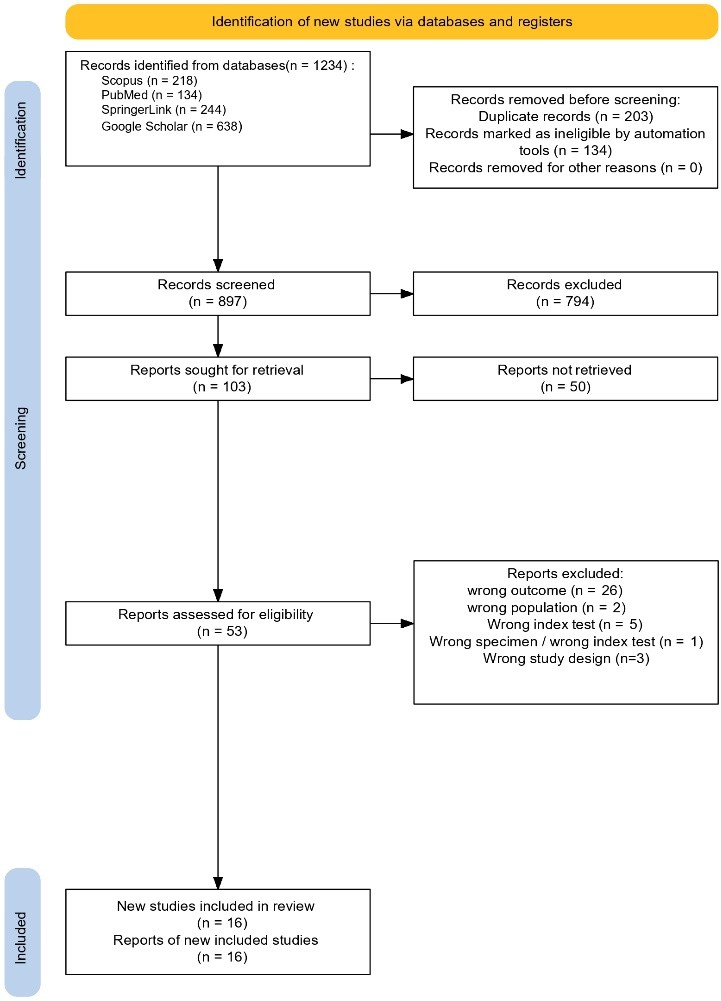
Figure 1 PRISMA flow diagram of the literature search and study selection process. The diagram illustrates the sequential process of record identification, screening, eligibility assessment, and study inclusion.
Study characteristics
A total of 16 studies published between 2016 and 2025 were included in this review, contributing 18 diagnostic accuracy datasets because 2 studies evaluated more than one index test. The studies were conducted across Africa, Asia, North America, and the Caribbean. Most studies used a cross-sectional diagnostic accuracy design (n = 15), while 3 employed a prospective design. Study settings included HIV testing clinics, ART clinics, community outreach programs, workplace-based testing sites, national screening centers, and multicenter clinical or home-based testing environments.
Regarding specimen type, oral fluid or oral mucosal transudate was the most frequently evaluated specimen, primarily using OraQuick HIV-1/2 or OraQuick ADVANCE Rapid HIV-1/2 tests (OraSure Technologies, USA). Several studies also assessed urine-based rapid HIV antibody tests, including the Wantai HIV-1 Urine Rapid Test and other China FDA-approved urine assays.
Reference standards generally followed national HIV testing algorithms or fourth-generation laboratory-based assays, with confirmatory testing using Western blot, Geenius HIV-1/2, NAT, or PCR when required. Sample sizes ranged from 203 to 2,606 participants, and all studies provided sufficient data to construct 2×2 contingency tables. The number of confirmed HIV-positive cases varied across studies due to differences in study populations and HIV prevalence.
Table 1 Characteristics and diagnostic outcomes of included studies.
Author |
Study design |
Country |
Participants |
Specimen |
Index test |
Reference standard |
Diagnostic outcomes |
Choko [21] |
Cross-sectional |
Malawi |
N: 364 (Male 52.4%) Age: 31 (25 - 40) Adults attending HTC & ART clinics |
Oral fluid |
OraQuick HIV-1/2 Self-Test (OraSure Technologies) |
Determine + Uni-Gold algorithm |
TP = 174 FP = 1 FN = 3 TN = 186 |
Kurth et al. [22] |
Prospective |
Kenya |
N: 203 (Male 67%) Age: 35.96 ± 9.69 General adult health facility and community workplace |
Oral fluid |
OraQuick ADVANCE Rapid HIV-1/2 (OraSure Technologies) |
ELISA |
TP = 26 FP = 1 FN = 3 TN = 173 |
Nangendo et al. [23] |
Cross-sectional |
Uganda |
N: 440 (Male 51,4%) Age: 30 (18 - 62) Adults attending Kisenyi Health Centre IV |
Oral fluid |
OraQuick HIV-1/2 Self-Test (OraSure Technologies) |
Uganda national serial algorithm |
TP = 65 FP = 0 FN = 0 TN = 375 |
Martin et al. [24] |
Cross-sectional |
The Bahamas (Nassau) |
N: 252 (Male 37.3%) Age: 26 (22 - 34) Adults of unknown HIV status attending national screening clinic |
Oral fluid |
OraQuick ADVANCE Rapid HIV-1/2 (OraSure Technologies) |
National finger-prick HIV algorithm (Determine HIV-1/2 + Colloidal Gold) |
TP = 6 FP = 0 FN = 0 TN = 246 |
Martin et al. [24] |
Cross-sectional |
The Bahamas (Nassau) |
N: 252 (Male 37.3%) Age: 26 (22 - 34) Adults of unknown HIV status attending national screening clinic |
Oral fluid |
Calypte® AWARE™ HIV-1/2 OMT (Calypte Biomedical) |
National finger-prick HIV algorithm (Determine HIV-1/2 + Colloidal Gold) |
TP = 6 FP = 0 FN = 0 TN = 246 |
Chikwari et al. [25] |
Cross-sectional |
Zambi |
N: 1776(Male 40.6%) Age 7.3 (7 - 18) Adolescents from rural and urban households and health facilities |
Oral fluid |
OraQuick ADVANCE Rapid HIV-1/2 (OraSure Technologies USA) |
National rapid testing algorithms with PCR if needed |
TP = 71 FP = 2 FN = 0 TN = 1,703 |
Deville et al. [5] |
Cross-sectional |
South Africa |
N: 1343 (Male 33%) Age: 27.9 ± 8.1 Adults with unknown HIV status, rural community outreach (Limpopo) |
Oral fluid |
OraQuick HIV-1/2 Self-Test (OraSure Technologies) |
National HIV testing algorithm ABON HIV 1/2/O Tri-Line rapid blood test) |
TP = 101 FP = 0 FN = 1 TN = 1,241 |
Belete et al. [26] |
Cross-sectional |
Ethiopia (Addis Ababa) |
N: 400 (Male 33.5%) Age: 29 (17.7 - 40.3) Adults attending VCT/PICT/PMTCT clinics (facility-based) |
Oral fluid |
OraQuick HIV-1/2 Self-Test (OraSure Technologies |
National Blood rapid algorithm (Wantai → Uni-Gold → Vikia) |
TP = 199 FP = 0 FN = 1 TN = 200 |
Chavez et al. [27] |
Prospective |
USA (Seattle, Washington); |
N: 1256 (Male: NR) Age: NR Individuals at risk for HIV, newly diagnosed patients, and persons receiving HIV care |
Oral fluid |
OraQuick ADVANCE Rapid HIV-1/2 (OraSure Technologies USA) |
CDC laboratory algorithm: Ag/Ab EIA + Geenius + NAT |
TP = 165 FP = 1 FN = 14 TN = 1,076 |
Neuman et al. [28] |
Cross-sectional |
Zambia |
N: 2549 (Male: 40.6%) Age: NR Adolescents & adults (≥ 15 years) from rural & urban households and urban health facility |
Oral fluid |
OraQuick HIV Self-Test (OraSure Technologies LLC, Thailand) |
4th generation laboratory algorithm: Abbott HIV Ag/Ab Combo + Bio-Rad GS HIV Combo ± Geenius & HIV RNA |
TP = 223 FP = 7 FN = 32 TN = 2.287 |
Wolyec et al. [6] |
Cross-sectional |
Democratic Republic of the Congo |
N: 528 (Male: 42.8%) Age: 32.5 ± 9.2 Adults at high risk attending HIV testing facilities |
Oral fluid |
OraQuick ADVANCE Rapid HIV-1/2 (OraSure Technologies USA) |
Determine HIV-1/2 + Uni-Gold HIV algorithm |
TP = 264 FP = 5 FN = 2 TN = 257 |
O’Reilly et al. [29] |
Cross-sectional |
Malawi (Blantyre) |
N: 416 (Male: 36.1%) Age: 26.2 ± 8.4 Adults ≥ 16 years with unknown HIV status attending urban and rural HIV testing clinics |
Oral fluid (self-test) |
OraQuick HIV Self-Test (OraSure Technologies Inc., USA) |
National algorithm: Determine + UniGold (parallel testing) |
TP = 16 FP = 5 FN = 2 TN = 393 |
Lu et al. [10] |
Cross-sectional |
China (Guangxi) |
N: 2606 (Male: 21.4%) Age: NR High-risk and general populations (FSWs, IDU, PW, students, VCT) |
Urine |
Wantai urine HIV-1 rapid test |
GENscreen ULTRA HIV Ag-Ab ELISA + Western blot |
TP = 47 FP = 2 FN = 4 TN = 2,553 |
Awazi et al. (2025) [30] |
Cross-sectional |
Cameroon |
N: 986 (Male: 39.2%) Age: 33 (21 - 80) Sexually active adults attending 3 Baptist Health Centers (Ekoumdoum, Etoug-Ebe, and Kribi) |
Urine |
WANTAI HIV Urine Rapid Test (Biological Pharmacy, China) |
Blood-based HIV testing algorithm with 4th-generation ELISA and Western blot confirmation) |
TP = 39 FP = 6 FN = 0 TN = 941 |
Galli et al. [31] |
Prospectiv |
Canada |
N: 881 (Male: 48%) Age: NR Adults intended to use HIV self-testing attending community health centres across 4 provinces, |
Oral fluid |
OraQuick HIV ½ Self-Test (OraSure Technologies Inc., USA) |
Abbott Alinity HIV Ag/Ab(4th gen CMIA) +Geenius™ HIV 1/2 |
TP = 1 FP = 0 FN = 0 TN = 880 |
Niu et al. [32] |
Cross-sectional |
China |
N: 1403(Male :79.7%) Age: 37.4 ±13.9 General adult; Multicenter Clinical and home-based |
Urine |
Wantai HIV-1 Urine (Beijing Wantai) |
ELISA, Western blot |
TP = 357 FP = 0 FN = 2 TN = 1,044 |
Zhang et al. [9] |
Cross-sectional |
China |
N: 1094 (Male :100%) Age: 37.4 ± 13.9 High-risk adult MSM attending a peer-friendly HIV clinic (Guangzhou) |
Urine (staff-conducted) |
Rapid HIV Urine Antibody Test (China FDA-approved; brand not specified) |
Western blot |
N = 1,094 TP = 41 FP = 1 FN = 5 TN = 1,047 |
Zhang et al. [9] |
Cross-ectional |
China |
N: 1,094 (Male: 100%) Age: 37.4 ± 13.9 High-risk adult MSM attending a peer-friendly HIV clinic (Guangzhou) |
Urine (Self-collected; participant-conducted |
Rapid HIV Urine Antibody Test (China FDA-approved; brand not specified) |
Western blot |
N = 1,094 TP = 38 FP = 3 FN = 8 TN = 1,045 |
*Participants’ information is presented as sample size, age (mean or median), and population characteristics when available. Abbreviation: aN = number of participants, TP = true positive, FP = false positive, FN = false negatives, TN = true negative, MSM = men who have sex with me, HTC = HIV testing and counselling, ART = antiretroviral therapy, OMT = oral mucosal transudat, ELISA = enzyme-linked immunosorbent assay, HIV = human immunodeficiency virus
Risks of bias assessment
The risk of bias assessment of the included diagnostic accuracy studies is presented in Figure 2. In the patient selection domain, Niu et al. [32] were judged to be at high risk of bias due to purposive recruitment of predefined HIV-infected and comparison groups, representing a case-control design that may introduce selection bias. Galli et al. [31] were rated as having some concerns because only one HIV-positive case was identified among 911 participants, limiting
the ability to adequately assess diagnostic sensitivity. Most other studies employed appropriate recruitment strategies and avoided case-control designs.
In the index test domain, the majority of studies were judged to have a low risk of bias. However, 2 studies raised some concerns due to insufficient reporting of blinding procedures or unclear interpretation of index test results. Specifically, Belete et al. [26] were rated as having some concerns because blinding of index test interpretation with respect to the reference standard was not explicitly reported. All studies were assessed as having a low risk of bias in the reference standard domain, as appropriate national HIV testing algorithms or laboratory-based fourth-generation antigen/antibody assays with confirmatory testing were used.
In the flow and timing domain, Kurth et al. [22] were judged to be at high risk of bias due to the exclusion of invalid self-test results (15.1%) from the accuracy analysis and the partial verification of negative results using ELISA, which may have introduced verification bias and potentially overestimated diagnostic performance. Some concerns were identified in Devillé and Tempelman [5], as 48 self-tests (3.45%) were excluded from the analysis due to invalid or indeterminate results, despite all participants undergoing the same reference-standard assessment. Chavez et al. were also rated as having some concerns, as analyses were conducted per visit rather than per participant, and verification procedures (pooled versus individual NAT) varied according to initial screening results, potentially introducing minor verification bias.
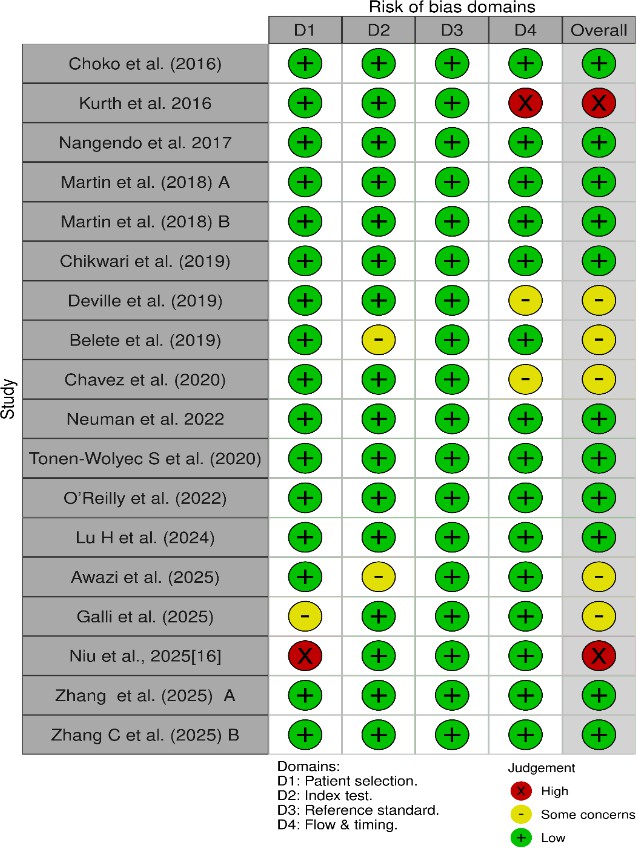
Figure 2 Risk-of-bias assessment of the included studies using the QUADAS-2 tool. The figure summarizes the risk of bias across 4 domains (patient selection, index test, reference standard, and flow and timing) and provides the overall judgment for each included study. Green, yellow, and red symbols indicate low risk, some concerns, and high risk of bias, respectively.
Diagnostic accuracy of urine-based rapid tests for HIV detection Sensitivity of urine-based rapid tests for HIV detection
The pooled sensitivity of urine-based rapid HIV tests is presented in Figure 3. Sensitivity estimates across studies ranged from 0.83 to 1.00, with a pooled sensitivity of 0.96 (95% CI: 0.86 - 0.99) using the random-effects model. The common-effect model showed a similar estimate of 0.96 (95% CI: 0.95 - 0.98). Substantial heterogeneity was observed among studies (I² = 80.4%, τ² = 2.0403, p = 0.0004).
Specificity of urine-based rapid tests for HIV detection
The pooled specificity of urine-based rapid HIV tests is presented in Figure 4. Specificity estimates across studies ranged from 0.99 to 1.00, with a pooled specificity of 1.00 (95% CI: 1.00 - 1.00) in both the random-effects and common-effect models. Moderate heterogeneity was observed among studies (I² = 51.7%, τ² = 0.7248, p = 0.0818).
Summary Receiver Operating Characteristic (SROC)
The summary receiver operating characteristic (SROC) curve derived from the bivariate random effects model is presented in Figure 5. The pooled summary point demonstrated high diagnostic accuracy, with a sensitivity of approximately 0.96 and specificity close to 1.00.
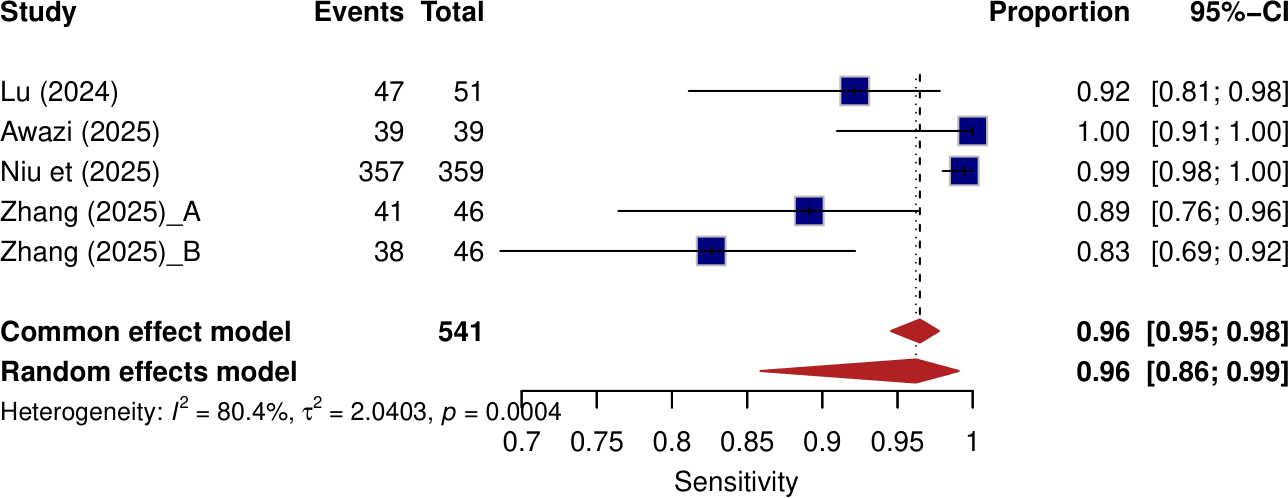
Figure 3 Forest plot of pooled sensitivity of urine-based rapid tests for HIV detection.
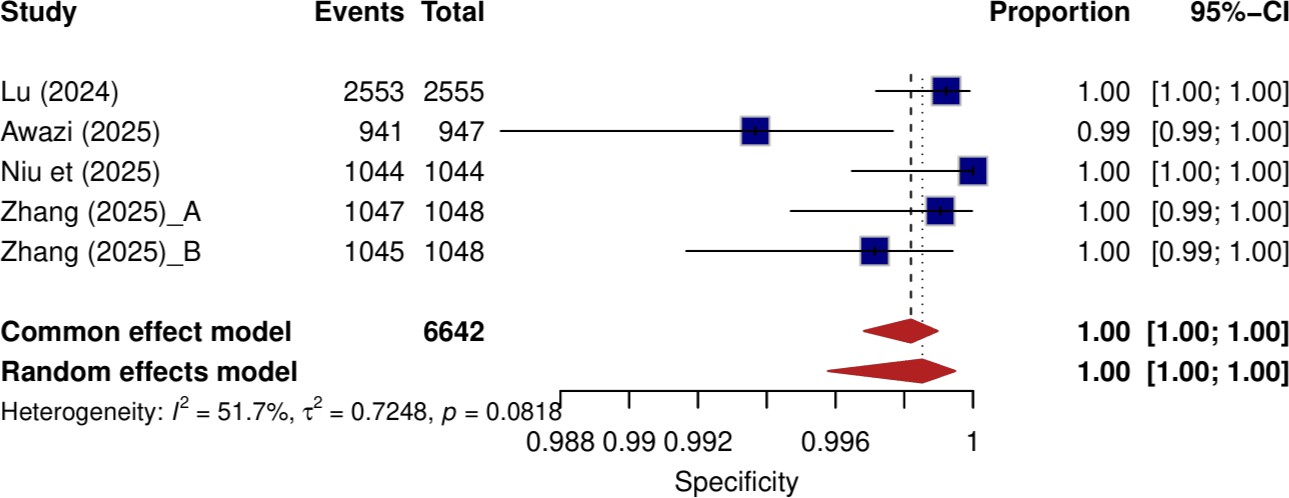
Figure 4 Forest plot of pooled specificity of urine-based rapid tests for HIV detection.
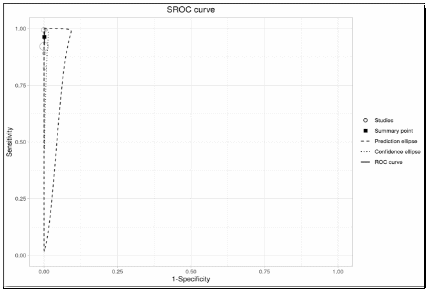
Figure 5 Summary receiver operating characteristic (SROC) curve for urine-based rapid tests for HIV detection.
Diagnostic accuracy of oral fluid rapid tests for HIV detection sensitivity of oral fluid-based rapid tests for HIV detection
The pooled sensitivity of oral fluid–based rapid HIV tests is presented in Figure 6. Sensitivity estimates across studies ranged from 0.87 to 1.00, with a pooled sensitivity of 0.98 (95% CI: 0.95 - 0.99) using the random-effects model and 0.96 (95% CI: 0.95 - 0.97) using the common-effect model. Substantial heterogeneity was observed among studies (I² = 69.8%, τ² = 1.7919, p < 0.0001).
Specificity of oral-fluid based rapid tests for HIV detection
The pooled specificity of oral fluid-based rapid HIV tests is presented in Figure 7. Specificity estimates across studies ranged from 0.98 to 1.00, with a pooled specificity of 1.00 (95% CI: 1.00 - 1.00) in both the random-effects and common-effect models. Moderate heterogeneity was observed among studies (I² = 44.3%, τ² = 1.9746, p = 0.042).
Summary Receiver Operating Characteristic (SROC)
The summary receiver operating characteristic (SROC) curve is shown in Figure 8. The summary point corresponds to sensitivity of approximately 0.96 and specificity close to 1.00.
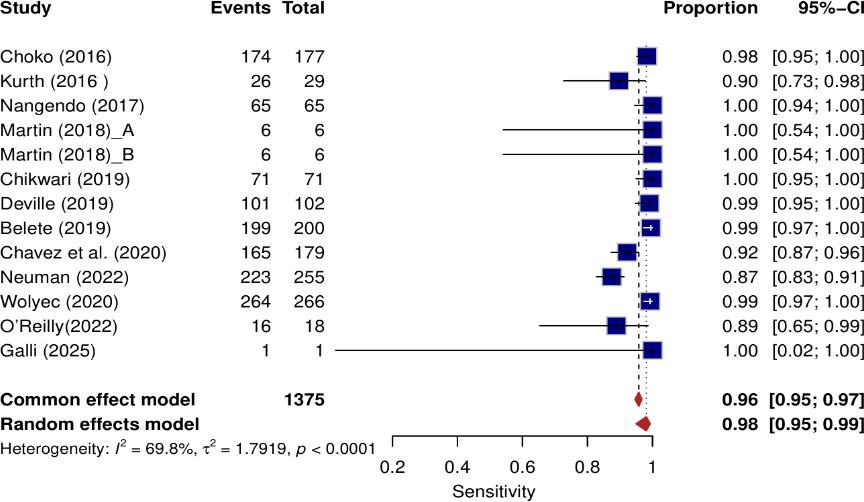
Figure 6 Forest plot of pooled sensitivity of oral fluid-based rapid tests for HIV detection.
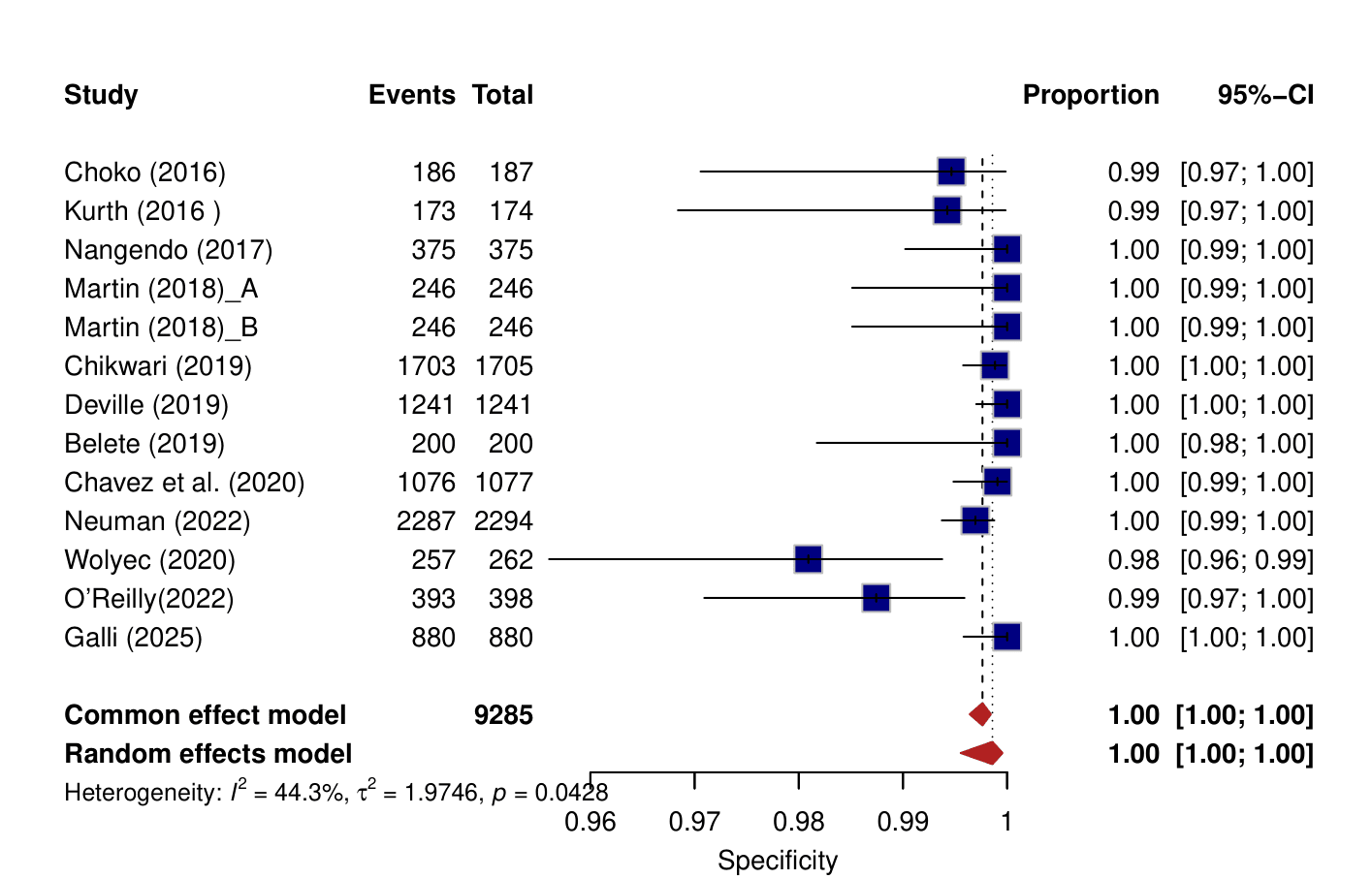
Figure 7 Forest plot of pooled specificity of oral fluid based rapid tests for HIV detection.
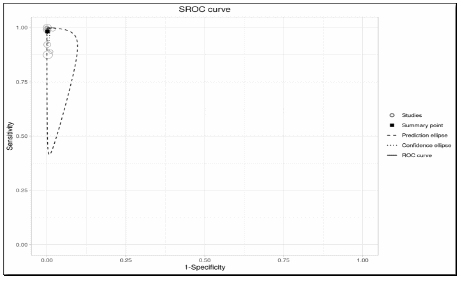
Figure 8 Summary receiver operating characteristic (SROC) curve for oral fluid based rapid tests for HIV detection.
Comparison of the Diagnostic accuracy of rapid HIV tests in urine and oral fluid specimens
Subgroup analyses were performed according to specimen type (urine vs oral fluid) using a bivariate random-effects model. The results are presented in Table 2. Rapid HIV tests using urine samples showed a pooled sensitivity of 0.947 (95% CI: 0.823 - 0.985) and a specificity of 0.998 (95% CI: 0.994 - 0.999), with an AUC of 0.99 and moderate heterogeneity (I² = 41.6%). In comparison, tests using oral fluid samples demonstrated a pooled sensitivity of 0.959 (95% CI: 0.919 - 0.980) and specificity of 0.996 (95% CI: 0.992 - 0.998), with an AUC of 0.989 and low heterogeneity (I² = 7.8%).
Table 2 Comparison of the pooled diagnostic accuracy of rapid HIV tests between urine and oral fluid specimens.
| Specimen | Sensitivity | Specificity | AUC | I2 |
|---|---|---|---|---|
| Urine | 0.947 (0.823 - 0.985) | 0.998 (0.994 - 0.999) | 0.99 | 41.6% |
| Oral Fluid | 0.959 (0.919 - 0.980) | 0.996 (0.992 - 0.998) | 0.99 | 7.8% |
Meta-regression analysis was conducted to assess whether specimen type influenced diagnostic performance. The results showed that specimen type was not significantly associated with sensitivity (p = 0.618) or false-positive rate (p = 0.385), indicating that the diagnostic accuracy of rapid HIV tests did not differ significantly between urine and oral fluid specimens. Detailed results are presented in Table S2.
Subgroup analyses of diagnostic test accuracy (DTA) were conducted according to testing mode, study population, specimen type, test brand, and heterogeneity to explore potential sources of between-study variability. Heterogeneity estimates were unavailable for several subgroup analyses due to the limited number of included studies; therefore, heterogeneity assessments such as I² could not be performed. Detailed results of the subgroup analyses are presented in Table 3.
Table 3 Subgroup analysis rapid HIV tests using oral fluid and urine specimens.
| Variables | Sub groups | ORAL (O) | URINE (U) | ||||||
|---|---|---|---|---|---|---|---|---|---|
| Studies (total samples) |
Pooled sensitivity (%) (95% CI) |
Pooled specificity (%) (95% CI) |
I2 (%) |
Studies (total samples) |
Pooled sensitivity (%) (95% CI) |
Pooled specificity (%) (95% CI) |
I2 (%) |
||
| Testing Mode | Self-test | 7 (6,393) | 98 (93 - 100) | 97 (90 - 0.99) | 12.3 | 2 (2080) | 71 (63 - 78) | 89 (88 - 91) | |
| Provider | 6 (4,267) | 99(0.99 - 100) | 0.98 (92 - 99) | 2.3 | 3 (5103) | 96 (50 - 99) | 99 (98 - 100) | - | |
| Population | High-risk | 2 (1,784) | 99 (96 - 99) | 97 (87 - 99) | - | 3 (4794) | 99 (99 - 99) | 88 (81 - 92) | - |
| General | 11 (8,876) | 99 (99 - 100) | 98 (94 - 99) | 4.8 | 2 (2389) | 99 (98 - 99) | 99 (97 - 100) | - | |
| Brand | OraQuick (O) WATAI (U) | 12 (10,408) | 99 (99 - 100) | 98 (94 - 99) | - | 3 (4995) | 99 (93 - 100) | 98 (92 - 990) | |
| Calypte (O) OTHER (U) | 1 (252) | - | - | - | 2 (2188) | 99 (98 - 99) | 85 (77-91) | ||
Abbreviations: CI, confidence interval; I², heterogeneity statistic; O, oral fluid specimen; U, urine specimen.
Subgroup analysis according to testing mode showed different patterns between oral fluid- and urine-based rapid HIV tests. For oral fluid tests, pooled sensitivity was comparable between self-testing (98%, 95% CI: 93% - 100%) and provider-administered testing (99%, 95% CI: 99% - 100%), while pooled specificity remained high in both groups (97% vs. 98%). In contrast, urine-based tests showed lower pooled sensitivity in self-testing studies (71%, 95% CI: 63% - 78%) than in provider-administered studies (96%, 95% CI: 95% - 98%), whereas pooled specificity remained high in both subgroups. However, the urine self-testing subgroup included only 2 studies; therefore, these findings should be interpreted with caution.
Discussion
This systematic review and meta-analysis evaluated the diagnostic accuracy of rapid HIV tests using non-invasive
specimens, specifically urine and oral fluid. Overall, both specimen types demonstrated high diagnostic performance for
HIV detection. Forest plot analysis showed that urine-based rapid HIV tests had a pooled sensitivity of 0.96 (95% CI: 0.86 - 0.99) and specificity of 1.00 (95% CI: 1.00 - 1.00), while oral fluid-based tests showed a pooled sensitivity of 0.98 (95% CI: 0.95 - 0.99) and specificity of 1.00 (95% CI: 1.00 - 1.00). The SROC analysis also indicated excellent diagnostic performance, with an AUC close to 1.0 for both specimen types. respectively. Moderate heterogeneity was observed among urine-based studies (I² = 41.6%), whereas oral fluid-based studies showed low heterogeneity (I² = 7.8%).
Further analysis using a bivariate random-effects model yielded more robust estimates of diagnostic accuracy, as this approach accounts for the correlation between sensitivity and specificity in diagnostic test meta-analyses [33]. The results showed that the pooled sensitivity and specificity of urine-based rapid HIV tests were 0.947 (95% CI: 0.823 - 0.985) and 0.998 (95% CI: 0.994 - 0.999), respectively, with an SROC AUC of 0.99. Similarly, oral fluid-based tests demonstrated a pooled sensitivity of 0.959 (95% CI: 0.919 - 0.980) and a specificity of 0.996 (95% CI: 0.992 - 0.998), with an AUC of 0.989 [28].
Comparison between specimen types revealed only minor differences in diagnostic performance. Although oral fluid demonstrated slightly higher sensitivity and urine showed marginally higher specificity, these differences were not clinically significant. Meta-regression analysis further indicated that specimen type was not significantly associated with sensitivity (p = 0.618) or false-positive rate (p = 0.385), suggesting that urine and oral fluid specimens are comparable alternatives for HIV screening in both clinical and community settings [9,23,25,28].
The high diagnostic accuracy observed in this study is consistent with previous reports demonstrating that noninvasive specimens can provide reliable HIV screening. Oral fluid-based testing has been widely implemented because HIV-specific antibodies can be detected in oral mucosal transudate, enabling accurate diagnosis without blood collection [25,29,34]. Similarly, urine specimens have been investigated as an alternative sample for HIV antibody detection due to their ease of collection and improved patient comfort. However, some studies have reported slightly lower sensitivity compared with blood-based testing, possibly due to lower antibody concentrations in urine [7,9,10].
Variations in specimen collection procedures may also contribute to differences in diagnostic performance. In some studies, urine samples were collected by trained healthcare personnel, whereas in others samples were self-collected by participants. Such differences may introduce variability in specimen handling and storage conditions. In one study, the reported sensitivity was 0.88 (95% CI: 0.76 - 0.96) for samples collected with staff assistance and 0.83 (95% CI: 0.69 -
0.92) for self-collected samples [9].
The use of non-invasive specimens offers several practical advantages. These methods are generally more acceptable to patients because they avoid invasive procedures, which may increase participation in HIV screening programs. In addition, specimen collection can often be performed by individuals themselves, making these approaches particularly suitable for community-based testing strategies and resource-limited settings [5,7,9,10,22,23,35]. Some heterogeneity was observed among the included studies, particularly for urine-based tests (I² = 41.6%), whereas oral fluid-based tests showed low heterogeneity (I² = 7.8%). This variability may be explained by differences in study populations, rapid test kits, reference standards, and specimen collection procedures. Variations in HIV prevalence and disease stage may also influence diagnostic performance [36,37].
The findings of this meta-analysis are generally consistent with previous studies evaluating rapid HIV testing using non-invasive specimens. Previous studies have reported that oral fluid-based rapid tests may achieve diagnostic performance approaching that of blood-based methods in some populations [37-39]. Studies evaluating urine-based HIV testing remain relatively limited, although available evidence suggests that urine specimens may provide acceptable diagnostic performance for screening purposes. Differences in diagnostic performance may partly reflect variations in antibody concentrations, as oral fluid tests primarily detect anti-HIV antibodies derived from gingival crevicular transudate, whereas urine-based assays rely on lower concentrations of excreted immunoglobulin G (IgG). Antibody concentrations in oral fluid and urine are generally lower than those in serum, which may contribute to variability in diagnostic sensitivity among studies [40,41]. Overall, oral fluid and urine specimens may serve as alternative non-invasive samples for HIV screening in appropriate clinical and public health settings.
This study has several strengths, including comprehensive evaluation of available evidence and the use of a bivariate random-effects model to jointly estimate pooled sensitivity and specificity. Meta-regression analysis was also performed to evaluate the effect of specimen type on diagnostic performance. Several limitations should be considered. The number of studies evaluating urine specimens was relatively limited, and variations in rapid test brands, study settings, and sample sizes may have influenced the pooled estimates. Future research should focus on evaluating the diagnostic performance of newer generations of rapid HIV tests using non-invasive specimens across diverse populations and settings. Additional studies are also needed to further explore factors contributing to heterogeneity and to assess the performance of these tests during early HIV infection.
Conclusions
The findings of this systematic review and meta-analysis suggest that rapid HIV tests using urine and oral fluid specimens demonstrate high diagnostic accuracy for HIV detection. Oral fluid–based tests showed slightly higher pooled sensitivity, whereas urine-based tests demonstrated marginally higher pooled specificity; however, the differences between specimen types were small and not statistically significant. Heterogeneity among urine-based studies was higher than that observed in oral fluid-based studies. Further studies are needed to evaluate newer rapid HIV tests using non-invasive specimens across different populations and testing settings.
Acknowledgements
The authors would like to thank Universitas Airlangga for the academic support provided during this study. This study was supported by the Lembaga Pengelola Dana Pendidikan (LPDP), Ministry of Finance, Republic of Indonesia.
Declaration of generative AI in scientific writing
Generative AI tools, including Copilot and ChatGPT (OpenAI), were used solely for language editing and to enhance the clarity of the manuscript during preparation. No AI tools were used to generate scientific content, conduct data analysis, or interpret the results. All responsibility for the manuscript content remains with the authors.
CRediT author statement
Alvira Rilis Tupamahu: Conceptualization, Methodology, Investigation, Formal analysis, Writing original draft. Puspa Wardhani: Supervision, Methodology, Validation, Writing review & editing. Andiesta Asriyah Mariam Saman: Investigation, Data curation, Writing original draft. Agus Rudi Hartono: Investigation, Formal analysis, Writing original draft. Richard Reinaldo Sakka Alelo: Investigation, Data curation, Writing review & editing.
References
GK Nikolopoulos and AG Tsantes. Recent HIV infection: Diagnosis and public health implications. Diagnostics 2022; 12(11), 2657.
World Health Organization. Consolidated guidelines on differentiated HIV testing services. World Health Organization, Geneva, Switzerland, 2024.
United Nations Programme on HIV/AIDS. The path that ends AIDS: UNAIDS global AIDS update 2023. Joint United Nations Programme on HIV/AIDS, Geneva, Switzerland, 2023.
CC Johnson, C Kennedy, V Fonner, N Siegfried, C Figueroa, S Dalal, A Sands and R Baggaley. Examining the effects of HIV self-testing compared to standard HIV testing services: A systematic review and meta-analysis. Journal of the International AIDS Society 2017; 20(1), 21594.
W Devillé and H Tempelman. Feasibility and robustness of an oral HIV self-test in a rural community in South-Africa: An observational diagnostic study. PLoS One 2019; 14(4), e0215353.
S Tonen-Wolyec, A Sarassoro, JM Masidi, ET Banza, GN Dikumbwa, DMM Matondo, A Kilundu, LK Lukusa, S Batina-Agasa and L Bélec. Field evaluation of capillary blood and oral-fluid HIV self-tests in the Democratic Republic of the Congo. PLoS One 2020; 15(10), e0239607.
MW Isichei, TT Selowo, D Meshak, AF Ale, SD Peter, MA Misauno, A Affi, O Olaniru and CO Isichei. Performance characteristics of urine HIV screening methods against blood-based methods for surgeons guide. World Journal of AIDS 2020; 10(2), 119-127.
AB Moussa, O Belhiba, FZ Hajouji, AE Kettani, M Youbi, K Alami, BE Omari, L Ouarsas and M Karkouri. Acceptability and usability of oral fluid-based HIV self-testing among female sex workers and men who have sex with men in Morocco. BMC Public Health 2022; 22(1), 2266.
C Zhang, M Li, Y Gu, Y Lu, S Chen, Z Liu, Y Hao and C Hao. Accuracy of the self-administered rapid HIV urine test in a real-world setting and individual preferences for HIV self-testing - Guangzhou City, Guangdong Province, China, July 2020-February 2021. China CDC Weekly 2025; 7(2), 52-56.
H Lu, H Chen, S Liang, Q Zhu, G Tan, X Pang, Y Ruan, J Li, X Ge, Y Huang, Z Chen, S Zhang, W Cai, G Lan and M Lin. Diagnostic performance evaluation of urine HIV-1 antibody rapid test kits in a real-life routine care setting in China. BMJ Open 2024; 14(2), e078694.
MDF McInnes, D Moher, BD Thombs, TA McGrath, PM Bossuyt, T Clifford, JF Cohen, JJ Deeks, CG Gatsonis, L Hooft, HA Hunt, CJ Hyde, DA Korevaar, MMG Leeflang, P Macaskill, JB Reitsma, R Rodin, AWS Rutjes, JP Salameh, …, BH Willis. Preferred reporting items for a systematic review and meta-analysis of diagnostic test accuracy studies: The PRISMA-DTA statement. Journal of the American Medical Association 2018; 319(4), 388.
MJ Page, JE McKenzie, PM Bossuyt, I Boutron, TC Hoffmann, CD Mulrow, L Shamseer, JM Tetzlaff, EA Akl, SE Brennan, R Chou, J Glanville, JM Grimshaw, A Hróbjartsson, MM Lalu, T Li, EW Loder, E Mayo-Wilson, S McDonald, …, D Moher. The PRISMA 2020 statement: An updated guideline for reporting systematic reviews. British Medical Journal 2021; 372, n71.
M Ouzzani, H Hammady, Z Fedorowicz and A Elmagarmid. Rayyan-a web and mobile app for systematic reviews. Systematic Reviews 2016; 5(1), 210.
PF Whiting, AWS Rutjes, ME Westwood, S Mallett, JJ Deeks, JB Reitsma, MMG Leeflang, JAC Sterne and PMM Bossuyt. QUADAS-2: A revised tool for the quality assessment of diagnostic accuracy studies. Annals of Internal Medicine 2011; 155(8), 529-536.
LA McGuinness and JPT Higgins. Risk-of-bias VISualization (robvis): An R package and Shiny web app for visualizing risk-of-bias assessments. Research Synthesis Methods 2021; 12(1), 55-61.
JPT Higgins, J Thomas, J Chandler, M Cumpston, T Li, MJ Page and VA Welch. Cochrane handbook for systematic reviews of interventions. 2nd ed. John Wiley & Sons, Chichester, England, 2019.
JB Reitsma, AS Glas, AWS Rutjes, RJPM Scholten, PM Bossuyt and AH Zwinderman. Bivariate analysis of sensitivity and specificity produces informative summary measures in diagnostic reviews. Journal of Clinical Epidemiology 2005; 58(10), 982-990.
SR Shim. Meta-analysis of diagnostic test accuracy studies with multiple thresholds for data integration. Epidemiology and Health 2022; 44, e2022083.
SR Shim, SJ Kim and J Lee. Diagnostic test accuracy: Application and practice using R software. Epidemiology and Health 2019; 41, e2019007.
J Zamora, V Abraira, A Muriel, K Khan and A Coomarasamy. Meta-DiSc: A software for meta-analysis of test accuracy data. BMC Medical Research Methodology 2006; 6(1), 31.
AT Choko, M Taegtmeyer, P MacPherson, D Cocker, M Khundi, D Thindwa, RS Sambakunsi, MK Kumwenda, K Chiumya, O Malema, SD Makombe, EL Webb and EL Corbett. Initial accuracy of HIV rapid test kits stored in suboptimal conditions and validity of delayed reading of oral fluid tests. PLoS One 2016; 11(6), e0158107.
EE Kurth, CM Cleland, N Chhun, JE Sidle, E Were, V Naanyu, W Emonyi, SM Macharia, E Sang and AM Siika. Accuracy and acceptability of oral fluid HIV self-testing in a general adult population in Kenya. AIDS and Behavior 2016; 20(4), 870-879.
J Nangendo, EA Obuku, I Kawooya, J Mukisa, A Nalutaaya, A Musewa, FC Semitala, CA Karamagi and JN Kalyango. Diagnostic accuracy and acceptability of rapid HIV oral testing among adults attending an urban public health facility in Kampala, Uganda. PLoS One 2017; 12(8), e0182050.
B Martin, V Williams, D Ferguson and S Read. Performance of and preference for oral rapid HIV testing in The Bahamas. Journal of Infection and Public Health 2018; 11(1), 126-129.
CD Chikwari, IN Njuguna, J Neary, C Rainer, B Chihota, JA Slyker, DA Katz, DC Wamalwa, L Oyiengo, T Bandason, G McHugh, E Dauya, H Mujuru, KA Stewart, GC John-Stewart and RA Ferrand. Diagnostic accuracy of oral mucosal transudate tests compared with blood-based rapid tests for HIV among children aged 18 months to 18 years in Kenya and Zimbabwe. Journal of Acquired Immune Deficiency Syndromes 2019; 82(4), 368-372.
W Belete, T Deressa, A Feleke, T Menna, T Moshago, S Abdella, A Hebtesilassie, Y Getaneh, M Demissie, Y Zula, I Lemma, G Mamo, E Workalemahu, T Kifle and E Abate. Evaluation of diagnostic performance of non-invasive HIV self-testing kit using oral fluid in Addis Ababa, Ethiopia: A facility-based cross-sectional study. PLoS One 2019; 14(1), e0210866.
PR Chavez, HM Bradley, LG Wesolowski, LR Violette, DA Katz, LA Niemann, VM McMahan, S McDougal, AM Cornelius-Hudson, SF Ethridge, JD Stekler and KP Delaney. Performance evaluation of four point-of-care HIV tests using unprocessed specimens. Journal of Clinical Virology 2020; 124, 104282.
M Neuman, A Mwinga, K Kapaku, L Sigande, C Gotsche, M Taegtmeyer, R Dacombe, K Maluzi, B Kosloff, C Johnson, K Hatzold, EL Corbett and H Ayles. Sensitivity and specificity of OraQuick HIV self-test compared to a 4th generation laboratory reference standard algorithm in urban and rural Zambia. BMC Infectious Diseases 2022; 22(S1), 494.
A O’Reilly, W Mavhu, M Neuman, MK Kumwenda, CC Johnson, G Sinjani, P Indravudh, A Choko and K Hatzold. Accuracy of and preferences for blood-based versus oral-fluid-based HIV self-testing in Malawi: A cross-sectional study. BMC Infectious Diseases 2024; 22(S1), 979.
B Awazi, J Fokam, CA Chenwi, C Mboula, B Ngam, C Ndzewiyi, N Ndamnsa, E Nchukwi, D Gintar, R Ndifor, K Songwe, M Tongo, L Junjie and D Delev. Evaluation of Wantai HIV Urine Rapid Test Kit (Wantai) for the detection of HIV antibodies in 3 health facilities in Cameroon. Journal of HIV and AIDS 2025; 9, 1-10.
RA Galli, D Maraj, K McBain, JM Lo Hog Tian, A McFarland, W Tharao, NP Nkala, A Chan, M da Silva, R Thomas, AF Vassal, M Lepage, L Ireland, M Payne, J Starr, C Fraser, M Selfridge, M Loutfy, R Halpenny, N Jeyarajah, V Tran, T Mazzulli and SB Rourke. A prospective multi-site study to evaluate the performance and usability of an oral fluid-based HIV self-test in Canada. BMC Public Health 2025; 25(1), 125.
M Niu, Z He, X Zhang, Q Zhu, Y Jiang, D Huang, P Guan and C Jin. Urine-based HIV-1 self-testing in China: A cross-sectional diagnostic accuracy and usability study. Scientific Reports 2025; 15(1), 44610.
B Reitsma, AS Glas, AWS Rutjes, RJPM Scholten, PM Bossuyt and AH Zwinderman. Bivariate analysis of sensitivity and specificity produces informative summary measures in diagnostic reviews. Journal of Clinical Epidemiology 2005; 58(10), 982-990.
Jyoti and P Devi. Detection of human immunodeficiency virus using oral mucosal transudate by rapid test. Indian Journal of Sexually Transmitted Diseases and AIDS 2013; 34(2), 95.
A Erena, T Benti, L Abebe and BB Geleta. Acceptance and associated factors of HIV self-test using oral fluid among targeted adult clients at public health facilities in Sheger City, Ethiopia, 2023. AIDS Research and Therapy 2025; 22(1), 60.
P Whiting, AWS Rutjes, JB Reitsma, AS Glas, PMM Bossuyt and J Kleijnen. Sources of variation and bias in studies of diagnostic accuracy: A systematic review. Annals of Internal Medicine 2004; 140(3), 189-202.
L Kingwara, N Bowen, N Panpradist, P Lokamar, V Morangi, RS Madada, E Nyakeriga, C Awuor, J Onentia, S Masyuko, R Wafula and JN Kiiru. Evaluation of operational characteristics and performance of HIV rapid diagnostic tests (RDTs): Systematic review and meta-analysis of the literature from 2012 to 2020. medRxiv 2022. https://doi.org/10.1101/2022.05.11.22274936
SJS Pascoe, LF Langhaug, J Mudzori, E Burke, R Hayes and FM Cowan. Field evaluation of diagnostic accuracy of an oral fluid rapid test for HIV, tested at point-of-service sites in rural Zimbabwe. AIDS Patient Care and STDs 2009; 23(7), 571-576.
NP Pai, B Balram, S Shivkumar, JL Martinez-Cajas, C Claessens, G Lambert, RW Peeling and L Joseph. Head-to-head comparison of accuracy of a rapid point-of-care HIV test with oral versus whole-blood specimens: A systematic review and meta-analysis. The Lancet Infectious Diseases 2012; 12(5), 373-380.
S Sen. Anti-HIV-1 antibody detection in urine. Medical Journal Armed Forces India 2014; 70(4), 396.
NP Pai. Oral fluid-based rapid HIV testing: Issues, challenges and research directions. Expert Review of Molecular Diagnostics 2007; 7(4), 325-328.
Supplementary Materials
Table S1 Search strategy.
Database |
Search strategy |
Scopus |
(HIV OR “human immunodeficiency virus”) AND (“rapid test” OR “rapid diagnostic test” OR RDT OR “point-of-care” OR “self-test” OR “self-testing”) AND (urine OR “urine specimen” OR “urine sample” OR “oral fluid” OR saliva OR “oral mucosal transudate”) |
Pubmed (MEDLINE) |
(“HIV” [Mesh] OR HIV[Title/Abstract] OR “human immunodeficiency virus” [Title/Abstract]) AND (“Diagnostic Tests, Rapid” [Mesh] OR “rapid test” [Title/Abstract] OR “rapid diagnostic test” [Title/Abstract] OR RDT[Title/Abstract] OR “point-of-care” [Title/Abstract] OR “point of care” [Title/Abstract] OR “self-test” [Title/Abstract] OR “self-testing” [Title/Abstract]) AND (urine [Title/Abstract] OR “urine specimen” [Title/Abstract] OR “urine sample” [Title/Abstract] OR “oral fluid” [Title/Abstract] OR saliva[Title/Abstract] OR “oral mucosal transudate”[Title/Abstract]) |
Spingerlink |
(“HIV” [Mesh] OR HIV [Title/Abstract] OR “human immunodeficiency virus” [Title/Abstract]) AND (“Diagnostic Tests, Rapid” [Mesh] OR “rapid test” [Title/Abstract] OR “rapid diagnostic test” [Title/Abstract] OR RDT [Title/Abstract] OR “point-of-care” [Title/Abstract] OR “point of care” [Title/Abstract] OR “self-test” [Title/Abstract] OR “self-testing” [Title/Abstract]) AND (urine [Title/Abstract] OR “urine specimen” [Title/Abstract] OR “urine sample” [Title/Abstract] OR “oral fluid” [Title/Abstract] OR saliva [Title/Abstract] OR “oral mucosal transudate” [Title/Abstract] ) |
Google Scholar |
(“HIV” OR “human immunodeficiency virus”) AND (“rapid HIV test” OR “rapid diagnostic test”) AND (“urine” OR “oral fluid” OR “oral mucosal transudate”) AND (“sensitivity” AND “specificity”) AND (ELISA OR “Western blot” OR “reference standard” OR “gold standard”) NOT (acceptability OR feasibility) |
Table S2 Meta-regression analysis evaluating the effect of specimen type on the diagnostic accuracy of rapid HIV tests.
| Parameter | Estimate | Std. Error | z value | p-value | 95% CI |
|---|---|---|---|---|---|
| Intercept (Sensitivity - Oral) | 3.173 | 0.398 | 7.962 | < 0.001 | 2.392 - 3.953 |
| Specimen Urine (Sensitivity) | −0.354 | 0.711 | −0.498 | 0.618 | −1.749 - 1.040 |
| Intercept (False Positive Rate - Oral) | −5.561 | 0.349 | −15.938 | < 0.001 | −6.245 - −4.877 |
| Specimen Urine (False Positive Rate) | −0.534 | 0.615 | −0.868 | 0.385 | −1.741 - 0.672 |