
Trends
Sci.
2026;
23(8):
12678
Influence of Extraction Temperature on Physicochemical Characteristics of Indigenous Java Coffee Bean Extract
Agatha Harta Muliani, Devi Yuni Susanti and Hanim Zuhrotul Amanah*
Department of Agricultural and Biosystems Engineering, Faculty of Agricultural Technology,
Universitas Gadjah Mada, Yogyakarta 55281, Indonesia
(*Corresponding author’s e-mail: [email protected])
Received: 17 November 2025, Revised: 16 December 2025, Accepted: 23 December 2025, Published: 15 March 2026
Abstract
This study investigated the influence of extraction temperature on the physicochemical characteristics of Arabica and Robusta coffee bean extracts from Indonesia using Soxhlet extraction with 50% ethanol as a solvent. Light-roasted coffee beans were extracted at three different temperatures: 58 ± 2 °C, 68 ± 2 °C, and 76 ± 2 °C. The results showed that extraction yield increased over time; however, at higher temperatures, yield declined after 6 h, likely due to compound degradation or solvent saturation. Kinetic modelling effectively described the extraction process, with the extraction rate for Arabica increasing from 0.398 to 0.480 %/h (R² = 0.953 to 0.981), while Robusta was more temperature-sensitive, rising from 0.394 to 0.686 %/h (R² = 0.921 to 0.971). As the extraction temperature increased, Robusta extracts exhibited higher refractive index and specific gravity than Arabica. Additionally, significant colour changes were observed in both coffee types (p < 0.05) based on L*, a*, b*, and Hue angle values, with Arabica extracts appearing darker than Robusta. Higher temperatures also resulted in increased total fat content, rising from 0.64 to 3.05 %wb in Arabica and from 0.62 to 1.86 %wb in Robusta. In contrast, phenolic content decreased with increasing temperature, from 0.10 to 0.09 g GA/g in Arabica and from 0.17 to 0.13 g GA/g in Robusta. The optimal extraction temperature for maximizing yield and physicochemical properties may vary depending on the coffee type (Arabica or Robusta).
Keywords: Coffee bean, Ethanol, Soxhlet extraction, Temperature, Yield
Introduction
Coffee is one of the most popular beverages worldwide, particularly in Indonesia, which ranked 4th globally as the largest coffee-producing country in 2022 [1]. Coffee is a high-value plantation commodity in Indonesia because, in addition to satisfying the taste of connoisseurs, it also provides significant economic benefits for farmers in the production centers. According to the Ministry of Agriculture of the Republic of Indonesia (2023), the coffee farming system in the production centre was financially feasible. The development of coffee plants in Indonesia has covered 34 provinces, reaching a total area of 1,265,923 ha and production of 774,961 tons in 2022.
Temanggung, Central Java, is a premier coffee-producing region flanked by Mount Sindoro and Mount Sumbing. Its unique microclimate and volcanic soil
support both Sindoro - Sumbing Arabica and Temanggung Robusta, which have earned Geographical Indication certifications. In 2003, the region produced 9,176.58 tons of Robusta and 996.73 tons of Arabica, contributing significantly to the provincial output [2]. The distinct environmental conditions at different altitudes significantly influence the chemical composition and flavour profiles of these beans. Arabica is cultivated in the cooler highlands (1,000 - 2,000 masl, 15 - 24 °C), results in smoother, more aromatic beans with fruity, floral, or acidic flavors. In contrast, Robusta thrives in the lower, warmer regions (400 - 900 masl, 24 - 30 °C), resulting in a bean with higher caffeine content, a fuller body, and stronger earthy notes. Additionally, these conditions suit Robusta’s heat tolerance and resilience to pests, due to its higher caffeine content [3-6].
Environmental factors strongly influence the distinctive characteristics of each coffee type. Arabica beans, with their smoother and more aromatic flavour, are lower in caffeine and tend to have a slightly sour taste. Robusta beans, on the other hand, are stronger, more bitter, and higher in caffeine, contributing to their fuller body and more intense flavour profile [6]. One of the key elements responsible for these unique characteristics is coffee oil, a natural compound in coffee beans that is the source of its distinctive flavor.
In industry, coffee oil is used as a material in the coffee industry itself or in other industries, such as the cosmetic industry for body scrubs, perfumes, and essential oils. Coffee oil is produced through the extraction process. According to several studies [7,8], extraction is a method used to separate or remove a specific component from a material using a heated solvent. The extraction principle is based on the liquid-solid equilibrium phase. Previous studies report that solid-liquid extraction occurs when the solid contacts the liquid [9,10]. The heated solvent opens the pores, diffuses into the solid particles, and extracts the specific component. Polar components will dissolve in polar solvents, and non-polar components will dissolve in non-polar solvents [11]. The transfer of constituents from around the particles to the entire solution occurs due to mass transfer driven by concentration differences. Substances flow from areas of high concentration to areas of low concentration. To obtain the desired solute component, the solid must be in contact with the liquid, allowing the solute to diffuse from the solid phase to the liquid phase. The extraction process yields three components: Solids, solvents, and solutes. Solids consist of insoluble carrier materials. Solutes are the compounds that dissolve and are typically the desired compounds obtained through the extraction process [12].
Various extraction methods exist to isolate bioactive compounds, each with distinct trade-offs. Techniques like maceration and percolation are low-cost but often suffer from lower efficiency due to incomplete solvent saturation [10,13]. Similarly, ultrasonic extraction, while rapid, faces scalability issues and potentioal compound degradation [14]. Steam distillation is primarily limited to volatile oils and is inefficient for extracting the total lipid fraction of coffee beans. In contrast, Soxhlet extraction remains the preferred standard for solid-liquid extraction due to its continuous solvent recycling mechanism, which ensures exhaustive extraction of lipids and bioactive compounds with high purity [15]. Furthermore, since Soxhlet extraction operates consistently at the solvent’s boiling point, it provides an ideal controlled model to investigate the specific influence of extraction temperature on the physicochemical quality of the indigenous Java coffee extract, which is the central focus of this study.
The efficiency of extraction methods is influenced by various parameters related to the procedure, such as temperature, moisture content, particle size, coffee-to-solvent ratio, solvent type, extraction method, and extraction duration [16,17]. Temperature holds a significant effect in the Soxhlet extraction process. Soxhlet extraction utilizes a volatile solvent at temperatures near its boiling point, enabling the separation of components from solid or liquid materials. This method is highly effective due to the continuous recycling of the solvent over a specific period, which enhances the extraction yield. The sample is extracted using pure solvent generated by the condensation of the initial solution, ensuring efficient component recovery [18].
Temperature affects the increment of the yield and influences the properties of the extracted components both physically and chemically. This is due to the fact that each temperature has its own extraction power [19,20]. Lower temperatures will extract components with boiling points similar to the temperature used. Similarly, higher temperatures will more effectively dissolve components with higher boiling points and solubility properties. However, excessively high temperatures can decrease the yield produced. This is because high extraction temperatures can cause the extracted components to degrade, thereby reducing the overall yield obtained [21].
Jalilvand et al. [22] reported that increasing the extraction temperature from 40 to 100 °C significantly enhances the extraction rate, as higher temperatures strengthen the solvent’s extraction power; thereby increasing the yield. Similarly, Getachew et al. [23] mentioned that the extraction process to achieve maximum results can be accelerated by increasing the extraction temperature. The extraction temperature should ideally not differ significantly from the boiling point of the solvent used [24]. Furthermore, Lamona et al. [25], reported that the optimal extraction temperature for green coffee beans is 80 °C, while Ribeiro et al. [18] revealed that the extraction yield for coffee beans peaks at 70 °C but decreases when the temperature is further raised. These discrepancies in optimal temperatures can be attributed to variations in raw materials, such as the origin, composition, and type of coffee bean used. Efthymiopoulos et al. [17] investigated the use of ethanol as a solvent for oil extraction from coffee beans via the Soxhlet method. The study revealed that ethanol effectively extracts lipids due to its polarity, which facilitates the extraction of triglycerides and other polar compounds from the coffee matrix. However, the co-extraction of impurities, such as proteins and carbohydrates, was observed at elevated temperatures, which reduced the purity of the oil. This study also highlighted that the physicochemical characteristics of the extracted oil depend heavily on both the solvent type and the extraction temperature, with ethanol showing high efficiency at 79 °C.
To our knowledge, previous studies have not specifically examined the results of oil extraction using the Soxhlet method with ethanol as a solvent for roasted coffee beans, particularly concerning their physical and chemical characteristics. Moreover, the influence of process temperature on the physicochemical properties of the extracted oil has not been thoroughly investigated. Existing literature highlights significant inconsistencies in the reported optimal extraction temperatures, emphasizing the need for further research to understand the relationship between temperature, extraction efficiency, and oil quality. Addressing these gaps not only for academic understanding but also for industrial application. Establishing a precise correlation between temperature and oil quality allows for the development of cost effective extraction protocols that maximize yield without compromising the sensory authenticity and market value of the final product.
This study investigates the influence of extraction temperature on the physicochemical properties of robusta and arabica coffee extracts sourced from Indonesia. By providing a comprehensive evaluation of how extraction temperature affects the physical and chemical characteristics of coffee, the study aims to contribute strategic insights for optimizing extraction conditions specific to Indonesian coffee varieties, thereby supporting the economic valorization of local commodities through standardized and efficient processing techniques.
Materials and methods
Sample preparation
Green Arabica coffee bean (Brebes, Central Java, Indonesia) dan Green Robust coffee bean (Temanggung, Central Java, Indonesia), EtOH 98% (CV General Labora, Sleman, Yogyakarta, Indonesia), and distilled water. Green Arabica and Robust coffee beans, each weighing 1 kg, were roasted using a mini roaster at a temperature of 193 °C for 12 min. The roasting was done to a light roast level. After roasting, the coffee beans were ground using a coffee grinder type KLAZ-CG9100 (Ace Hardware, Yogyakarta, Indonesia) and sieved with a Mesh 30 to obtain homogenous sample size ranging from 6 - 11 to 0.595 mm.
Solvent preparation
The solvent used in this study was a 50% ethanol solution, prepared by diluting 96% ethanol with distilled water. To achieve a total volume of 250, 127.5 mL of 96% ethanol was mixed with 122.5 mL of distilled water.
Coffee bean extraction
In this study, the Soxhlet extraction method was conducted using a Soxhlet apparatus (PT Prioritas Bangun Nusantara, Tangerang, Banten, Indonesia) to extract compounds from roasted coffee beans, following the protocol outlined below. Firstly, approximately 250 g of the sample were placed in a filter bag made of non-woven material. The filter bag, measuring 6×8 cm2 and featuring a mesh size of 100 (0.147 mm), was designed to allow optimal solvent flow while effectively retaining the sample. The filter bag was then placed inside the Soxhlet extractor, positioned above a flask containing the solvent and below a condenser (Figure 1). Subsequently, 250 mL of 50% EtOH (made from EtOH 96% + distilled water) was poured into a round-bottom flask and heated. The setup, as shown in Figure 1, includes a thermocouple cable placed between the analog heating mantle (Prio AHM-250, 220 °C) and the round-bottom flask, with another cable extending to touch the filter bag to monitor the temperature inside the extractor. Extraction was performed at three temperature variations: 58 ± 2 °C, 68 ± 2 °C, and 76 ± 2 °C. Data were collected hourly throughout the seven-hour extraction process, with each extraction conducted in triplicate. To remove the solvent residue, evaporation was carried out using a vacuum rotary evaporator (Eyela, Tokyo Rikakikai Co., Ltd., Tokyo, Japan).
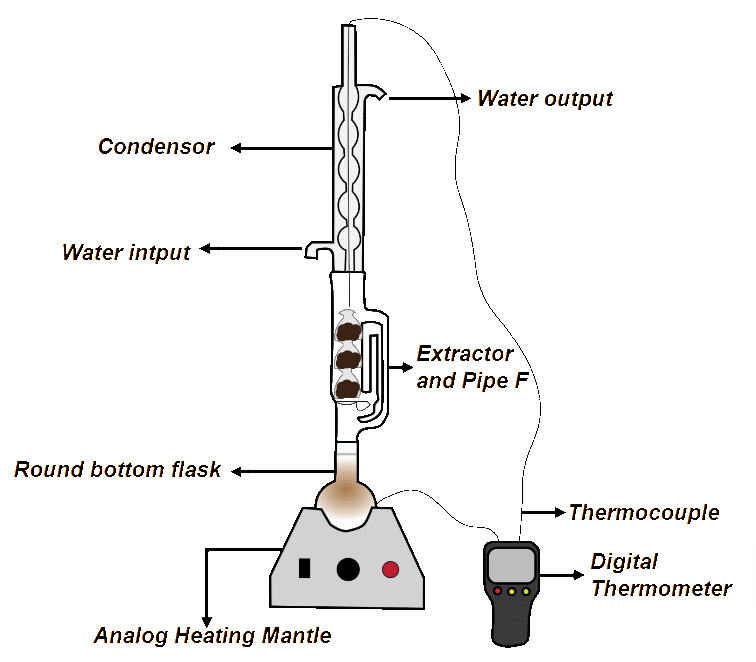
Figure 1 Configuration system of Soxhlet extraction.
Extraction yield
The
extraction yield ( )
was calculated as the ratio between the weight of final extract (
)
was calculated as the ratio between the weight of final extract ( )
(after solvent removal) and the initial coffee powder (
)
(after solvent removal) and the initial coffee powder ( ),
as outlined in Eq. (1) [26].
),
as outlined in Eq. (1) [26].
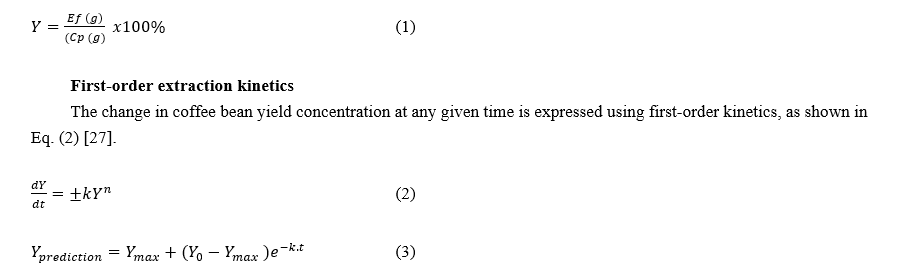
where,
 refers
to relative extraction yield over time, and n refers to the
derivative order (n = 1). Afterward, Eq. (2) was solved empirically
to obtain the extraction rate (
refers
to relative extraction yield over time, and n refers to the
derivative order (n = 1). Afterward, Eq. (2) was solved empirically
to obtain the extraction rate ( ).
Finally, the yield can be predicted using Eq. (3), where,
).
Finally, the yield can be predicted using Eq. (3), where,
 stands for predicted yield (%),
 is maximum yield (%), and
 refers to yield at zero hour (%).
The performance of the model is evaluated through the coefficient of determination (R2) and root mean squared error (RMSE).
Measurement of physical characteristics
Refractive index
The refractive index identifies the level of extract purity, which closely related to the extracted components within the yield produces [28]. Refractive index measurements were conducted using a Refractometer Abbe (ATAGO Co., Ltd., Tokyo, Japan) at room temperature. Coffee bean extraction was taken using a syringe and placed on the prism surface, dropping one drop and then closing the prism cover. The temperature was maintained within ±2 °C tolerance. Calculation of the refractive index value can be done using Eq. (4) [29].

where
 is the reading displayed on the refractometer screen is taken at
room temperature.
refers to refractive Index,
is the reading displayed on the refractometer screen is taken at
room temperature.
refers to refractive Index,
 stands for room temperature recorded during the process,
 is temperature references (20 °C), and 0,0004 is correction factor
for refractive index per degree.
is temperature references (20 °C), and 0,0004 is correction factor
for refractive index per degree.
Specific gravity
Specific gravity is the ratio of the density of the extract yield to the density of a reference (water) at the same volume and temperature. It indicates the number of components contained in the substance. The calculation of specific gravity, according to Palaniappan et al. [30] in Eq. (5) is as follows.

Colour
Colour testing was conducted using a handheld colorimeter. The colorimeter was aimed at the bottom of the vial containing the coffee bean extract yield. Colour can indicate the quantity of components contained in a material. Data analysis was performed on the L*, a*, and b* values. The data was processed by calculating the Hue angle to determine the colour tendency of the extract yield. The calculation was based on the study by McLellan et al. [31] using the following Eq. (6).

Solubility in 70% ethanol
The solubility test in 70% ethanol used a ratio of 1:2 (1 mL of coffee bean extract yield and 2 mL of 70% ethanol) in a measuring cylinder. The yield and ethanol were mixed in the measuring cylinder until homogeneous, then left to stand overnight.
Measurement of chemical characteristics
Total fat content test
The total fat content test involves first preparing the lipid hydrolysis, followed by fat content analysis using the Soxhlet method according to AOAC method 982.22. The weight of the obtained fat is calculated using Eq. (7).

Total phenolic content test
The total phenolic content test is conducted to determine the number of phenolic compounds that can be extracted during the extraction process. The analysis of total phenolic components refers to AOAC method 2015.009. The total phenolic content can be calculated using Eq. (8).

Statistical analysis
All experiments were performed in triplicate, and data are presented as mean ± standard deviation. The statistical analysis was conducted using IBM SPSS Statistics software. To determine the effect of extraction temperature on the physicochemical parameters, a One-Way Analysis of Variance (ANOVA) was utilized. Post-hoc comparisons were subsequently performed using Duncan’s Multiple Range Test to identify significant differences between treatment means at a 95% confidence level (p < 0.05). Additionally, an Independent Sample T-test was employed to evaluate the significant differences between the two coffee varieties (Arabica and Robusta) and each temperature. Statistical significance was accepted at p < 0.05.
Results and discussion
Dynamic of extraction yield
A key requirement for using the Soxhlet extraction method is the use of a heated solution. The vapor from the heated solution evaporates and condenses, causing it to continuously drip onto the material. The extraction process continues until the specified time is reached, which ensures that the solvent used is always fresh and enhances the extraction rate. This ensures that the solvent used for extraction is always fresh, enhancing the extraction rate. The extraction rate can be analysed by determining the yield of the extraction [32]. The yield obtained is also greatly influenced by the extraction temperature. A higher extraction temperature increases the extraction-diffusion energy of both materials, expanding the pores of the coffee powder and accelerating the penetration of the solution and the diffusion of chemical components into the solvent. In this method, the temperature used during the extraction process must be maintained at an optimal level to ensure maximum extraction efficiency.
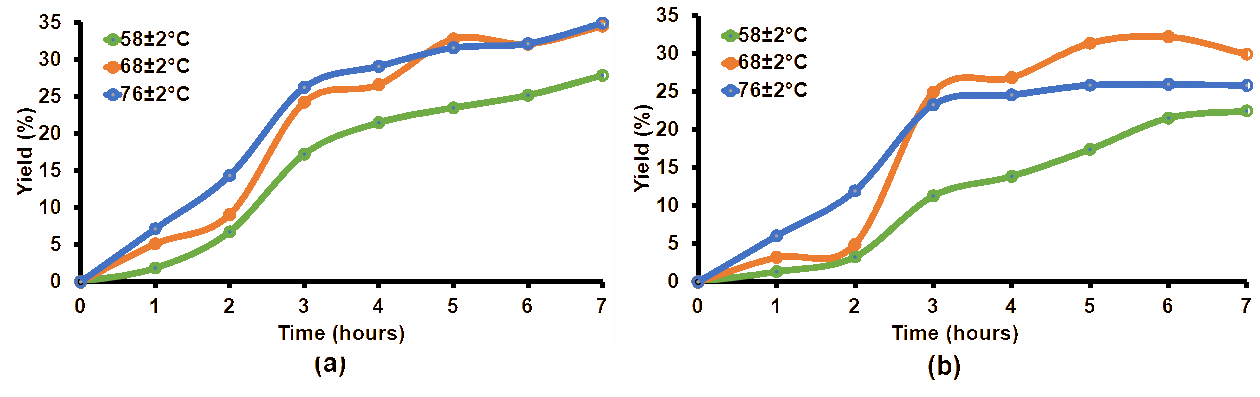
Figure 2 Evolution of extraction yield at varying temperatures of (a) Arabica and (b) Robusta coffee beans over time.
According to Figure 2, the extraction yield increases with longer extraction times and higher temperatures as coffee compounds continue to dissolve into the solvent. Prolonged extraction times allow the process to approach equilibrium, maximizing yield. Additionally, saturation of the solvent or the depletion of extractable components in the coffee material can contribute to reduced yield at higher temperatures or extended times. The illustration of the process is depicted in Figure 3.
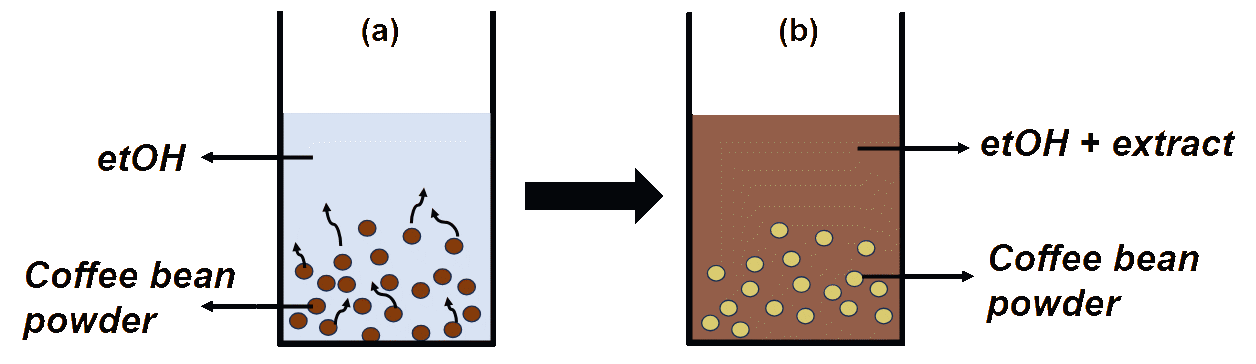
Figure 3 Solvent and coffee compound conditions during the extraction process: (a) Initial condition before extraction, showing coffee bean powder in ethanol (EtOH); (b) Final condition after extraction, where ethanol contains extracted compounds, and the remaining coffee bean powder is settled.
Initially, the ethanol solvent remains clear, while the coffee bean powder retains its original brown coloration. Following the extraction process, the soluble components are dispersed throughout the solvent, resulting in a colour change in the ethanol to brown and a noticeable fading of the coffee bean powder. The extraction process commences as heated EtOH continuously percolates through the coffee bean powder in the extraction chamber (Figure 3(a)). The solvent dissolves the target compounds from the solid matrix until reaching saturation, forming an EtOH+extract mixture in a chamber (Figure 3(b)). This cycle is repeated continuously until equilibrium is achieved, ensuring the maximum recovery of bioactive compounds.
As illustrated in Figure 2(b), particularly with robusta coffee, the yield decreases at 7 h of extraction compared to 6 h, even though the extraction time is longer. Similarly, in Figure 2(c), the yield decreases at higher temperatures after 7 h of extraction. This phenomenon can be influenced by several factors. First, higher temperatures can degrade or even destroy chemical compounds in the coffee beans. If certain compounds in the coffee beans have lower boiling points than other components, they may evaporate earlier during extraction, reducing the yield. A study on lipid extraction from spent coffee grounds observed that increasing the extraction temperature initially improved oil extraction efficiency when non-polar solvents were used, but decreased it at higher temperatures [17]. Second, the solvent may have reached its saturation point, making it less effective in extracting [33]. Third, it could be due to the limited quantity of certain components in the coffee beans. According to Puerta [34], the percentage of chemical components in arabica beans is generally higher than in robusta, which affects the yield.
Our finding is similar to that of previous studies. For instance, research on the extraction of essential oils from Pistacia lentiscus using superheated steam found that while yield increased with time up to a certain point, it began to decline after extended extraction periods. The findings revealed that the optimal conditions for maximizing essential oil yield were a particle size of 0.75 mm, an extraction temperature of 160 °C, and an extraction time of 120 min, resulting in a yield of 5.7%. Notably, while increasing the extraction time up to 120 min led to a higher yield, extending the extraction time beyond this optimal point did not further enhance the yield and, in some cases, resulted in a decline. This decrease in yield with prolonged extraction times can be attributed to the potential degradation of heat-sensitive compounds within the essential oil or the volatilization of certain components during extended exposure to high temperatures [35].
There is a phenomenon in Figure 1(b) where, at 3 - 6 h of extraction, the yield of both types of coffee is likely to be similar. This may indicate an optimal match between the extraction temperature and time used, resulting in optimal extraction. This finding is consistent with the research by Araújo & Sandi. [36] and Ribeiro et al. [18], which stated that the optimal extraction temperature for coffee beans is 70 °C; increasing it further would decrease the yield.
The performance of Kinetics’s model
The performance of kinetic model is described in Table 1. Overall, the accuracy can be illustrated by the closeness between the observed results and the predictions, which can be demonstrated through a high coefficient of determination (R2) close to one and a small error value of RMSE to determine the magnitude of the error in the model used. Below are several graphs depicting the predicted and observed yield values for each variation of temperature and coffee type. The presented data is derived from three replications of each extraction temperature, reflecting the phenomena occurring during the extraction process.
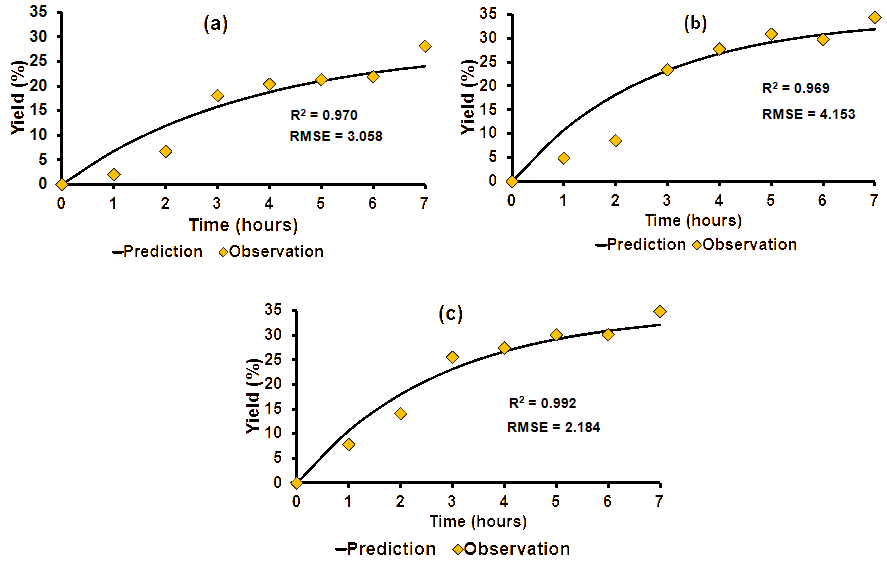
Figure 4 Model fitting of extraction kinetics for Arabica coffee (a) 58 ± 2 °C; (b) 68 ± 2 °C; and (c) 76 ± 2 °C
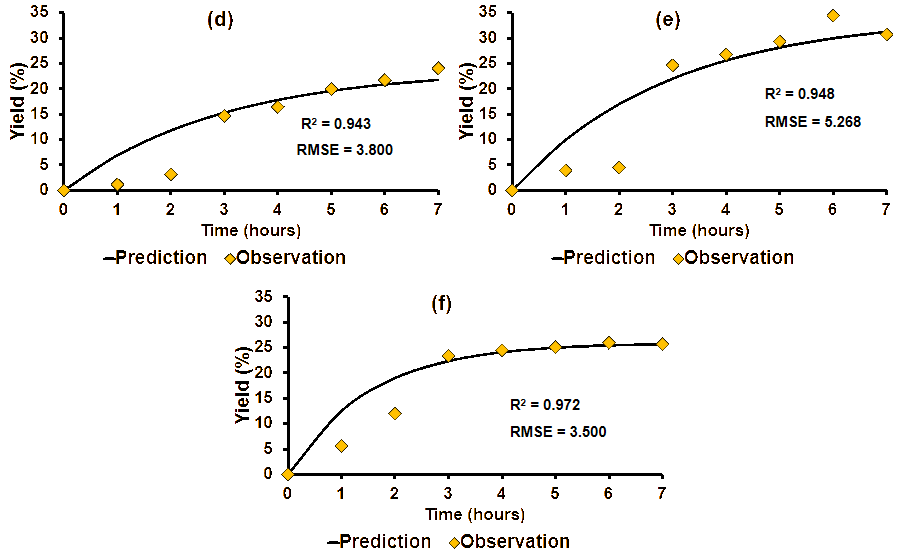
Figure 5 Model fitting of extraction kinetics for Robusta coffee (d) 58 ± 2 °C; (e) 68 ± 2 °C; and (f) 76 ± 2 °C.
Based on Figures 4(a) - 4(c) and 5(d) - 5(f), overall, the graphs show that the observed yield closely aligns with the prediction line. Additionally, the coefficient of determination is quite high, approaching one. Therefore, the model used is appropriate. For the arabica prediction line trends have shown that the higher temperatures the extract yields will also increase. This mean that the components could be extracted longer until it gets the optimal yields. Compare to the robusta beans at the same treatment, temperatures at 58 ± 2 °C and 68 ± 2 °C illustrates the yield prediction line trends increase significantly throughout period. In contrast, yield extraction at 76 ± 2 °C has predicted lower and remain stable at average 25% rather than arabica’s yields at the same temperature (Figure 5(f)). It shows that the robusta components has reach its optimal conditions, consequently the coffee yields are cannot be extracted more than 25%.
Table 1 R², RMSE, and k at various temperatures and coffee types.
Temperature |
Arabica* |
Robusta* |
||||
k (%/hour) |
R2 |
RMSE |
k (%/hour) |
R2 |
RMSE |
|
58 ± 2 °C |
0.398 ± 0.120a |
0.953 ± 0.018 |
4.274 ± 1.256 |
0.394 ± 0.069b |
0.921 ± 0.021 |
4.533 ± 0.756 |
68 ± 2 °C |
0.455 ± 0.089a |
0.960 ± 0.010 |
5.116 ± 1.034 |
0.436 ± 0.170b |
0.933 ± 0.010 |
6.268 ± 1.222 |
76 ± 2 °C |
0.480 ± 0.131a |
0.981 ± 0.012 |
3.662 ± 1.654 |
0.686 ± 0.025a |
0.971 ± 0.001 |
3.661 ± 0.190 |
Note: Data represent the mean ± SD in triplicate. Differences in letters (a and b) in the same column indicate a significant difference in extraction temperature based on Duncanʼs test (p < 0.05). The asterisk shows there is a significant difference (p < 0.05) based on the T-Test.
Based on the analysis in Table 1, k values for both types of coffee increased as the extraction temperatures were raised. For robusta coffee, the k value (0.686 %/h) at 76 ± 2 °C is higher than that of arabica (0.480 %/h) at the same temperature. This indicates that the chemical components in robusta beans dissolve more easily and reach equilibrium faster than those in arabica coffee. The values of k obtained are directly proportional to the increase in extraction temperature and the values of R². This means that as the temperature increases, the rate also increases, and the accuracy of the coefficient of determination improves. This is due to the influence of temperature and time. The higher the temperature, the faster the molecular movement and solution penetration, thus increasing kinetic energy and speeding up the extraction process. The extraction process continues until equilibrium is reached, at which point the diffusion of chemical compounds from the coffee beans into the solvent ceases. This equilibrium is characterized by the cessation of mass transfer between the solid and liquid phases [24,37].
Overall, the R² value for each temperature variation and coffee type shows excellent results. According to Chicco et al. [38], R² values within the 0.8 - 1.0 range signify a very strong relationship. A higher R² value corresponds to a lower RMSE, meaning that as RMSE approaches zero, the predictive accuracy improves. Additionally, the T-test analysis revealed that coffee type has a significant effect on the k value (p < 0.05). This can be attributed to differences in the chemical composition and the varying concentrations of specific components in each coffee type [18].
In analysing the extraction kinetics of robusta and arabica coffee, the reaction rate increases with temperature, demonstrating a direct correlation between extraction temperature and extraction efficiency. The kinetic model applied in this study follows a first-order reaction model, as indicated by the R² values, which improves with increasing temperature. This suggests that the extraction process is governed by diffusion-controlled kinetics, where higher temperatures enhance molecular movement and solution penetration, leading to faster equilibrium attainment.
Comparatively, the study by Fatma et al. [39], employs a second-order kinetic model, as evidenced by the increasing extraction capacity and rate constants with temperature. The high R² values (ranging from 0.9965 to 0.9983) confirm that the second-order model effectively describes the extraction kinetics for arabica coffee. Unlike the first-order model, which assumes that the extraction rate depends on the concentration of the solute remaining in the solid phase, the second-order model suggests that the extraction process is influenced by interactions between solute molecules in the solid and liquid phases. Additionally, Peleg’s method is also suitable for describing the extraction of coffee beans in the Soxhlet method, especially when continuous solvent flow is considered, helping to maintain a relatively constant driving force throughout the extraction process [40].
From an industrial perspective, the determination of these calculated reaction rates (k) is critical for process upscaling and techno-economic optimization. The kinetic values obtained allow for the prediction of the ‘critical time point’, the moment when the extraction rate begins to plateau and further solvent circulation yields diminishing returns. By applying this kinetic model, industrial operators can pinpoint the precise duration required to achieve a target yield at a specific temperature. For instance, since the k value at 76 ± 2 °C is significantly higher, the extraction time can be drastically reduced compared to lower temperatures. This reduction directly translates to energy efficiency, as the cumulative energy consumption of heating mantles and condensers is minimized by shortening operational hours. Furthermore, understanding k prevents ‘over-extraction,’ thereby optimizing reactor throughput and avoiding the co-extraction of undesirable compounds that occur during prolonged processing times.
Physical characteristics
Refractive index
The number of components contained in the resulting yield will affect the refractive index value. The refractive index is a valuable parameter for determining the concentration of chemical components extracted during a process. It also serves as a physical indicator of oil quality, as it increases with the fatty acid chain length and the degree of unsaturation as well as to determine the concentration of chemical components extracted during the process [41].
Table 2 Refractive index values of arabica and robusta coffee extract powder at various temperature variations and coffee types.
Temperature |
Refractive index values |
|
Arabica |
Robusta |
|
58 ± 2 °C |
1.478 ± 0.003a |
1.487 ± 0.001a |
68 ± 2 °C* |
1.489 ± 0.003b |
1.495 ± 0.000a |
76 ± 2 °C |
1.496 ± 0.001c |
1.503 ± 0.001a |
Note: Differences in letters (a, b, and c) in the same column indicate a significant difference in extraction temperature based on Duncanʼs test (p < 0.05). The asterisk shows there is significant difference (p < 0.05) based on T-Test.
As presented in Table 2, the refractive index values increased with increasing extraction temperature for both Arabica and Robusta coffee extracts. The highest refractive index was obtained at a 76 ± 2 °C and the lowest at 58 ± 2 °C. This proves that higher temperatures increase the density of the extract, resulting in a larger refractive area. These results are consistent with the research of Dewi et al. [42] and Suci et al. [43], found that the more components extracted, the higher refractive index value. Higher extraction temperatures have greater extraction power, allowing more chemical compounds to be extracted at higher temperatures. For both types of coffee, the refractive index value of Robusta is generally higher than Arabica at each extraction temperature. This indicates that the characteristics of Robusta coffee beans are more easily dissolved into the solvent. Additionally, the refractive index value also influences the presence of water in the oil. The higher oil content, the lower the refractive index value, as water has a property of easily bending incoming light [44].
A one-way ANOVA revealed a significant effect of extraction temperature on the refractive index (p < 0.05). In contrast, t-test analysis showed no significant difference in the refractive index between coffee types at 58 ± 2 °C and 76 ± 2 °C (p < 0.05). This is due to the similarity in the number of components between Arabica and Robusta [34].
Density
Similar to the refractive index, specific gravity is often associated with the weight fraction of components contained within. Specific gravity is the ratio between the density of the density of the extract yield and the density of the reference (distilled water) at the same volume and temperature.
Table 3 Specific gravity of arabica and robusta coffee extract powder at each variation of extraction temperature and coffee type.
Temperature |
Specific gravity value |
|
Arabica |
Robusta |
|
58 ± 2 °C* |
1.298 ± 0.001a |
1.326 ± 0.025a |
68±2 °C* |
1.344 ± 0.005b |
1.418 ± 0.021b |
76 ± 2 °C |
1.357 ± 0.002c |
1.427 ± 0.004b |
Note: Differences in letters (a, b, c) in the same column indicate a significant difference in extraction temperature based on Duncanʼs test (p < 0.05). The asterisk shows there is significant difference (p < 0.05) based on T-Test.
According to the Table 3, the highest specific gravity for both types of coffee were obtained at a temperature of 76 ± 2 °C and the lowest specific gravity was obtained at 58 ± 2 °C. This indicates that the higher the extraction temperature, the more chemical components are extracted, resulting in a higher specific gravity. High temperatures can easily loosen the pores of coffee bean particles, making the mass transfer process easier. Additionally, the solvent used has a high level of polarity, making it easier to extract a wider variety of compounds.
Overall, Arabica coffee has a lower specific gravity than Robusta. Arabica excels in its coffee oil component. Arabica coffee beans contain about 15% oil, while Robusta coffee beans contain only about 10% oil [45,46]. According to Schuette et al. [47], the specific gravity of coffee oil is 0.94 - 0.98. Based on this, regardless of how much oil is contained, the specific gravity of the oil will always be low, resulting in a lighter specific gravity of the extract yield. On the other hand, Robusta contains more compounds such as caffeine, chlorogenic acid, protein, and carbohydrates, which are present in higher percentages than in Arabica. This causes Robustaʼs specific gravity to be higher. These results are consistent with the refractive index values obtained. The higher the specific gravity value, the higher the refractive index value. In line with the previously obtained results, the refractive index value of Robusta is higher than that of Arabica [48].
A one-way ANOVA revealed a significant effect of extraction temperature on the specific gravity (p < 0.05). In contrast, t-test analysis showed no significant difference in the specific gravity between coffee types at 58 ± 2 °C and 68 ± 2 °C (p > 0.05). However, a significant different was observed at 76 ± 2 °C (p < 0.05). This may be attributed to the higher lipid content in Arabica beans, which extracts more efficiently at elevated temperatures compared to Robusta, thereby affecting the specific gravity [27].
Colour
Colour analysis was performed using a handheld colorimeter directed at the vial bottle. Colour can determine the number of components contained in a material. The more components extracted, the darker the colour will be. Analysis of Lab colour components was further processed by calculating the Hue angle value to determine the colour tendency of the extraction yield.
Table 4 Colour parameter value based on L*, a*, b* values and Hue angle for each extract.
Temperature |
Arabica† |
Robusta† |
||||||
L* |
a* |
b* |
HUE angle |
L* |
a* |
b* |
HUE angle |
|
58 ± 2oC |
29.74 ± 0.02c |
14.20 ± 0.15c |
48.06 ± 0.54c |
73,54 ± 0,34 c |
30.71 ± 0.74a |
14.87 ± 0.46b |
44.13 ± 0.56b |
71,39 ± 0,55b |
68 ± 2oC |
28.12 ± 0.75b |
16.85 ± 0.80b |
28.12 ± 0.42b |
59,08 ± 0,95 a |
30.60 ± 0.20a |
14.98 ± 0.32b |
36.18 ± 0.95a |
67,51 ± 0,98a |
76 ± 2oC |
24.13 ± 0.17a |
11.59 ± 0.65a |
26.57 ± 1.13a |
66,41 ± 2,03 b |
30.13 ± 0.16a |
12.03 ± 1.07a |
48.92 ± 0.49c |
76,19 ± 1,31c |
Note: Different letters in the same column indicate significant differences in extraction temperature in Duncanʼs test (p < 0.05). The dagger shows there is significant difference (p < 0.05) based on T-Test.
Table 4 presents the colormetric data (L*, a*, b* values and Hue angle) of the coffee extracts. The L* value, representing lightness, decreased significantly (p < 0.05) with increasing extraction temperature for Arabica coffee, indicating a darkening of the extract. This darkening is likely due to intensive Maillard reactions and caramelization, which are reactions between amino acids and glucose, and heat treatment at high temperatures for a considerable time. According to Praptiningsih et al. [49], Arabica protein is higher (9.8%) compared to Robusta (9.5%), while total sugar in Arabica is higher (9.1%) compared to Robusta (6.4%). The relatively high protein and glucose content in Arabica allows for excessive Maillard reactions, resulting in a darker yield colour compared to Robusta.
The a* value, representing redness/greenness, shows a complex trend. For Arabica, the a* value initially increased with temperature, suggesting a shift towards redder hues, but then decreased at the highest temperature. For Robusta, the a* values did not change significantly with temperature (p > 0.05). The b* value, representing yellowness/blueness, decreased with increasing temperature for Arabica. For Robusta, the b* value increased at 76 °C. These changes in a* and b* values reflect complex shifts in the colour profile of the extracts as influenced by temperature.
The Hue angle, which provides a more intuitive representation of the colour, showed a decrease with increasing temperature for Arabica. This suggests a shift in colour from a more yellowish-green to a more yellowish-brown hue. For Robusta, the Hue angle initially decreased and then increased. The Hue angle values for Robusta were generally higher than those for Arabica, indicating a more yellowish tendency.
The colour parameters a (redness) and b (yellowness) show positive values, indicating reddish and yellowish colours. According to CIE L*, a*, b* systems and Hiller [50], positive values indicate red or yellow direction (0 to +60) and negative values indicate green/blue direction (0 to −60). Based on that table, the hue angle value falls in Quadrant I, indicating that the extraction results tend to have a reddish colour.
Higher temperatures can promote these reactions, leading to the formation of brown and other coloured compounds. The differences in colour response between Arabica and Robusta extracts could be due to variations in their initial chemical compositions, including the types and concentrations of pigments and other compounds [51].
Solubility in 70% ethanol
Identification of physical properties of chemical components contained in the yield results can be conducted through a solubility test in 70% ethanol. This test can provide an overview of a solution regarding the presence or absence of precipitate formed from a solution. Solubility in 70% ethanol was performed with a ratio of 1:2, namely 1 mL of coffee extract with 2 mL of 70% ethanol solution. The oil solubility results from Arabica and Robusta coffee extracts did not yield a clear/homogeneous solution and precipitation occurred. The following are the results of the solubility test in 70% ethanol on the extract of Arabica and Robusta coffee with various extraction temperatures.
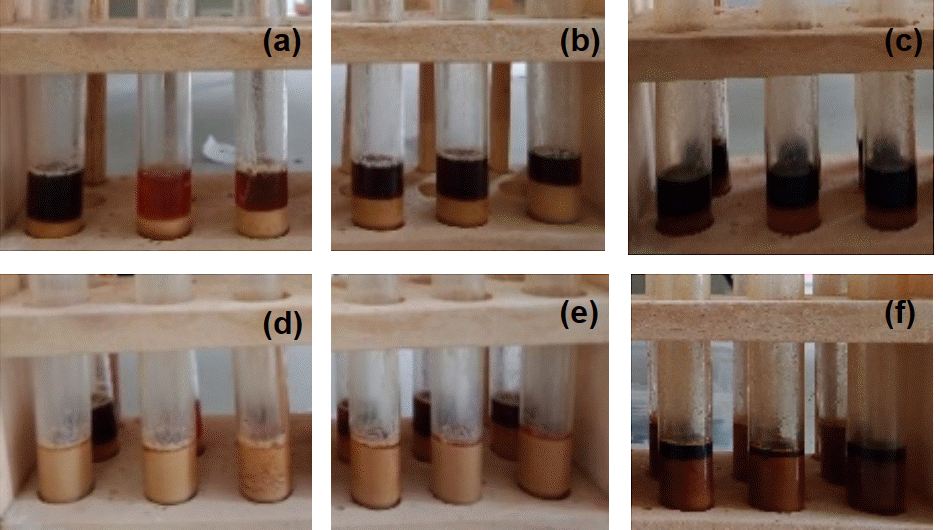
Figure 6 Solubility test in 70% ethanol: (a) Arabica coffee extracted at 58 ± 2 °C; (b) Arabica coffee extracted at 68 ± 2 °C; (c) Arabica coffee extracted at 76 ± 2 °C; (d) Robusta coffee extracted at 58 ± 2 °C; (e) Robusta coffee extracted at 68 ± 2 °C; (f) Robusta coffee extracted at 76 ± 2 °C.
In Figures 6(a) - 6(c), the liquid phase in the Arabica coffee extract extracted at the three temperature variations is more abundant than in the Robusta coffee extract. This indicates that the chemical compounds, especially coffee oil, are extracted more from Arabica coffee than from Robusta. Meanwhile, in Figures 6(d) - 6(f), the liquid phase of Robusta coffee extract is less than that of Arabica. On the other hand, the solid phase (sediment) is more abundant than in Arabica. This is because the amount of coffee oil in Robusta coffee extract is less, along with other components that are present in smaller quantities compared to Arabica coffee.
The occurrence of these 2 phases is due to the influence of the solvent used. The extraction process in the Soxhlet stage uses ethanol solvent with a concentration of 50%, which is semi-polar and has high polarity because of its low concentration, meaning higher water content will influence the polarity to become increasingly high. 50% ethanol is a mixture of 50% ethanol and 50% water. Water can attract all polar active compounds, while ethanol attracts all polarity properties of active compounds. The ability of the solvent to find active compounds in the extract is based on the principle of like dissolve like, which means a compound can dissolve in a solvent when it has the same polarity properties [11,24]. Coffee beans contain two fractions, namely 30% soluble compounds and 70% insoluble compounds in water. The soluble fraction is composed of a mixture of mono and disaccharide compounds, chlorogenic acid, caffeine, some proteins, diterpenoid fats, and polysaccharides of the arabinogalactan and galactomannan types. Meanwhile, water-insoluble compounds include some proteins and complex polysaccharides, such as cellulose, hemicellulose, and lignin [52,53]. These insoluble compounds will form sediment or precipitate.
Chemical characteristics
Total fat content
The relatively high polarity of 50% ethanol solvent enables the extraction of both polar and non-polar compounds from a material. Each extraction temperature will have its own extraction capability or power, which will affect the amount of oil obtained according to the characteristics of the material used.
Table 5 Fat content of arabica dan robusta extract of each temperature.
Temperature |
Total fat content (%wb) |
Total fat content (%wb) |
Arabica |
Robusta |
|
58 ± 2 °C |
0.64 ± 0.02a |
0.62 ± 0.02a |
68 ± 2 °C |
1.18 ± 0.01b |
0.81 ± 0.01b |
76 ± 2 °C |
3.05 ± 0.08c |
1.86 ± 0.03c |
Note: Different letters (a, b, c) within the same column indicate significant differences in extraction temperature based on One-Way ANOVA followed by Duncanʼs test (p < 0.05).
Based on Table 5, the total fat content in both types of coffee increase as the extraction temperature rises. Specifically, Arabica coffee has a higher fat content than Robusta at each extraction temperature. However, the statistical analysis using T-Test showed that the difference between the two coffee types at each temperature was not significant (p > 0.05). This lack of significant difference aligns with the variations in coffee extracted, which may influence the total fat quantified. Despite the statistical significance, these results are consistent with the theory stating that Arabica coffee has a higher oil content than Robusta [28]. The obtained results align with the specific gravity results and solubility test in 70% ethanol. The higher oil content in Arabica compared to Robusta results in a lower specific gravity than Robusta coffee. In this test, the total fat content results can illustrate how much oil can dissolve in 70% ethanol, as seen in Figure 4, where the liquid phase of Arabica is greater than that of Robusta. The same applies to extraction temperatures of 68 ± 2 °C and 76 ± 2 °C in the solubility test with 70% ethanol.
Total phenolic content
Phenolic compounds are very sensitive and unstable to heat treatment, which can lead to degradation of phenolic content. Therefore, it is necessary to evaluate how much phenolic compounds can be extracted at each extraction temperature.
Table 6 Phenolic compound of arabica dan robust extract of each temperature.
Temperature |
Total Phenolic Compound (gram GA/gram) |
|
Arabica |
Robusta |
|
58 ± 2 oC |
0.10 ± 0.01a |
0.17 ± 0.01b |
68 ± 2 oC |
0.09 ± 0.01a |
0.16 ± 0.02b |
76 ± 2 oC* |
0.09 ± 0.00a |
0.13 ± 0.01a |
Note: Differences in letters (a and b) in the same column indicate a significant difference in extraction temperature based on Duncanʼs test (p < 0.05). The asterisk shows there is significant difference (p < 0.05) based on T-Test.
Phenolic content in Arabica coffee tends to have similar amounts across extraction temperatures. Meanwhile, for Robusta coffee, the highest phenolic content is at 58 ± 2 °C, then the phenolic content decreases at the highest extraction temperature. Increasing extraction temperature causes an increase in phenolic content up to a certain temperature, then decreases as the temperature rises higher. This can cause decomposition of phenolic compounds [54,55]. Overall, the phenolic content of Robusta coffee is higher than Arabica. The results above are consistent with the study by Asy’Ari Hasbullah & Rini Umiyanti [56], which shows that the phenolic content in Robusta is higher than in Arabica.
The Duncan follow-up test shows that temperature does not have a significantly different effect on the phenolic content of Arabica beans. Whereas in Robusta, temperature has a significantly different effect on the phenolic content obtained. Specifically, the phenolic content in Robusta appears to decrease at 76 ± 2 °C due to the relatively high heat treatment, causing degradation of phenolic components which leads to a decrease in their content. This is in line with the statement by Shahidi et al. [57], who stated that phenolic compounds consisting of chlorogenic acid will largely decompose when exposed to heat treatment. Furthermore, the T-Test revealed, that a significant difference between the two coffee types was only shown at the extraction temperature of 76 ± 2 °C (p < 0.05). This suggests that while Arabica tends to be stable across all temperatures, the specific response of Robusta to high heat (degradation) creates a significant disparity in phenolic content between the 2 types at this highest temperature.
Based on this chemical analysis, the inverse relationship observed between fat content and phenolic compounds at elevated temperatures presents a significant trade-off with implications for the extractʼs potential health benefits. The observed decrease in phenolic content at 76 ± 2 °C indicates that high-temperature Soxhlet extraction, while efficient for lipid recovery, may compromise the functional quality of the extract by degrading these heat-sensitive bioactive compounds. Conversely, the increased lipid yield at higher temperatures enriches the extract with fatty acids, which are essential for specific industrial applications such as cosmetics or energy-dense food formulations. Consequently, manufacturers must prioritize extraction parameters based on the desired product profile: a lower temperature 58 ± 2 °C is recommended for developing antioxidant-rich functional ingredients, whereas a higher temperature 76 ± 2 °C is preferable when maximizing oil yield is the primary economic objective.
Conclusions
The examination of extraction temperature on the physicochemical of coffee bean extract has been conducted in this study. Increasing the temperature from 58 ± 2 °C to 76 ± 2 °C improves the extraction rate, with arabica coffee increasing from 0.398 to 0.480 %/h and robusta, being more temperature-sensitive, rising from 0.394 to 0.686 %/h. Temperature significantly affects arabica coffee’s refractive index, specific gravity, and colour parameters (L*, a*, b*, hue angle), whereas for robusta, it impacts redness, yellowness, and hue angle. Coffee type influences specific gravity and colour but not the refractive index and a two-phase separation occurred in the 70% ethanol solubility test. Additionally, temperature and coffee type significantly affect total fat and phenolic content. By using ethanol as a polar solvent instead of conventional hexane, this study explores a more sustainable and potentially safer alternative for oil extraction, contributing to greener and more efficient extraction techniques for coffee and other plant-based oils.
The findings of this study are scalable to both small-scale and large-scale industrial operations. For applications prioritizing the oil yield, such as (e.g., food flavour, cosmetic bases or biofuels), an extraction temperature of 76 °C is optimal. However, to produce high-value functional ingredients where preserving antioxidant potential is paramount, a lower temperature range of 58 - 68 °C is recommended to minimize the thermal degradation of phenolic compounds. The successful use of ethanol validates it as a sustainable, safer alternative to hexane, contributing to the advancement of green extraction technologies. Future research should explore non-thermal extraction methods or alternative green solvents to further optimize yield without compromising the stability of bioactive compounds.
Acknowledgements
The data utilized in this article originates from Agatha Harta Muliani’s bachelor’s thesis report from the Department of Agricultural and Biosystems Engineering, Faculty of Agricultural Technology, Universitas Gadjah Mada, Yogyakarta 55281, Indonesia Profound gratitude is expressed to Universitas Gadjah Mada for the financial assistance provided under Hibah Rekognisi Tugas Akhir No 5075/UN1.P.II/Dit-Lit/PT.01.01/2023.
Declaration of Generative AI in Scientific Writing
In the preparation of this document, AI-assisted technologies (such as grammar checkers, spell checkers, and citation management software like [e.g., Grammarly, Mendeley]) were utilized to improve readability, accuracy, and formatting. No generative AI tools were used for the generation of text, ideas, or substantive content. The authors retain full responsibility for the intellectual content, arguments, and final expression of this work.
CRediT Author Statement
Agatha Harta Muliani: Data Curation, Formal analysis, Investigation, Methodology, Visualization, and Writing – original draft. Devi Yuni Susanti: Conceptualization, Methodology, Supervision, and Validation. Hanim Zuhrotul Amanah: Conceptualization, Methodology, Supervision, Validation, Project administration, Funding acquisition, dan Writing –review & editing.
References
[1] USDA. Agricultural Statistics 2010. U.S. Government Printing, America, 2011.
[2] Badan Pusat Statistik, Available at: https://webapi.bps.go.id, accessed January 2024.
[3] MS Kusmulyono, RA Rachman and VP Gunawan. Five forces analysis of coffee business industry in Temanggung Regency of Central Java. Maker: Jurnal Manajemen 2023; 9(1), 76-89.
[4] A Farah. Coffee Constituents. In: YF Chu (Ed.). Coffee: Emerging Health Effects and Disease Prevention. Blackwell Publishing Ltd., Oxford, 2012, pp. 21-58.
[5] T Leroy, F Ribeyre, B Bertrand, P Charmetant, M Dufour, C Montagnon, P Marraccini and D Pot. Genetics of coffee quality. Brazilian Journal of Plant Physiology 2006; 18(1), 229-242.
[6] HF Nadya, U Ahmad and S Samsudin. Improving the Taste of robusta coffee by fermentation with yeast inoculum and its effect on caffeine content. Jurnal Teknik Pertanian Lampung 2024; 13(2), 298-308.
[7] G Yeni, K Syamsu, E Mardliyati and H Muchtar. Determination of process technology on making of pure gambier and standardized catechin from raw gambier. Journal of Industrial R & D 2017; 7(1), 1-10.
[8] YH Dulanlebit and Hernani. Overview of extraction methods for extracting seaweed and its applications. Jurnal Penelitian Pendidikan IPA 2023; 9(2), 817-824.
[9] K Patel, N Panchal and P Ingle. Review of extraction techniques extraction methods: Microwave, Ultrasonic, Pressurized Fluid, Soxhlet Extraction, Etc. International Journal of Advanced Research in Chemical Science 2019; 6(3), 6-21.
[10] D Naviglio, P Scarano, M Ciaravolo and M Gallo. Rapid solid-liquid dynamic extraction (RSLDE): A powerful and greener alternative to the latest solid-liquid extraction techniques. Foods 2019; 8(7), 245.
[11] B Zhuang, G Ramanauskaite, ZY Koa and ZG Wang. Like dissolves like: A first-principles theory for predicting liquid miscibility and mixture dielectric constant. Science Advances 2021; 7(7), 7275.
[12] QW Zhang, LG Lin and WC Ye. Techniques for extraction and isolation of natural products: A comprehensive review. Chinese Medicine 2018; 13, 20.
[13] SLR De Luna, RE Ramírez-Garza and SOS Saldívar. Environmentally friendly methods for flavonoid extraction from plant material: Impact of their operating conditions on yield and antioxidant properties. The Scientific World Journal 2020; 2020, 6792069.
[14] F Chemat, N Rombaut, AG Sicaire, A Meullemiestre, AS Fabiano-Tixier and M Abert-Vian. Ultrasound assisted extraction of food and natural products. Mechanisms, techniques, combinations, protocols and applications. A review. Ultrasonics Sonochemistry 2017; 34, 540-560.
[15] I Luksta and K Spalvins. Methods for extraction of bioactive compounds from products: A review. Environmental and Climate Technologies 2023; 27(1), 422-437.
[16] NS Caetano, VFM Silvaa and TM Mata. Valorization of coffee grounds for biodiesel production. Chemical Engineering Transactions 2012; 26, 267-272.
[17] I Efthymiopoulos, P Hellier, N Ladommatos, A Russo-Profili, A Eveleigh, A Aliev, A Kay and B Mills-Lamptey. Influence of solvent selection and extraction temperature on yield and composition of lipids extracted from spent coffee grounds. Industrial Crops and Products 2018; 119, 49-56.
[18] RC Ribeiro, MFS Mota, RMV Silva, DC Silva, FJM Novaes, VFDV Jr, HR Bizzo, RSS Teixeira and CM Rezende. Coffee oil extraction methods: A review. Foods 2024; 13(16), 2601.
[19] B Panchal, S Deshmukh and M Sharma. Optimization of oil extraction and characterization from tamarindus indica linn seed oil. International Journal of Oil, Gas and Coal Engineering 2014; 2(1), 1-6.
[20] L Shen, S Pang, M Zhong, Y Sun, A Qayum, Y Liu, A Rashid, B Xu, Q Liang, H Ma and X Ren. A comprehensive review of ultrasonic assisted extraction (UAE) for bioactive components: Principles, advantages, equipment, and combined technologies. Ultrasonics Sonochemistry 2023; 101, 106646.
[21] ISC Sulaiman, M Basri, HRF Masoumi, WJ Chee, SE Ashari and M Ismail. Effects of temperature, time, and solvent ratio on the extraction of phenolic compounds and the anti-radical activity of Clinacanthus nutans Lindau leaves by response surface methodology. Chemistry Central Journal 2017; 11, 54.
[22] M Jalilvand, H Kamali and A Nematollahi. Pressurized fluid extraction of rice bran oil using a modified supercritical fluid extractor and a central composite design for optimization. Journal of Liquid Chromatography & Related Technologies 2013; 36(11), 1562-1574.
[23] AT Getachew, SL Holdt, AS Meyer and C Jacobsen. Effect of extraction temperature on pressurized liquid extraction of bioactive compounds from Fucus vesiculosus. Marine Drugs 2022; 20(4), 263.
[24] E Gil-Martín, T Forbes-Hernández, A Romero, D Cianciosi, F Giampieri and M Battino. Influence of the extraction method on the recovery of bioactive phenolic compounds from food industry by-products. Food Chemistry 2022; 378, 131918.
[25] A Lamona and S Nurman. Studi awal komponen minyak biji kopi arabika (Coffea arabica L.) dari kabupaten bener meriah, provinsi aceh menggunakan GC-MS. Jurnal Agripet 2018; 1(1), 62-72.
[26] W Anggestia, S Utami, Darmawangsa, WP Sari and D Dirgantara. Effect of solvent type on the amount of yield from maceration of moringa plants (Moringa oleifera). e-GiGi 2024; 12(2), 221-226.
[27] E Wibowo, N Ulya, MR Farizi and N Fitriyanti. Derivation of Newton’s law of cooling and heating: Heating the water then cooling it down naturally to the room temperature. Momentum: Physics Education Journal 2023; 7(1), 78-92.
[28] D Wenjiang, C Qiyu, W Changqing, H Rongsuo, L Yuzhou, Z Ying and C Zhong. Comparison of the effect of extraction methods on the quality of green coffee oil from Arabica coffee beans: Lipid yield, fatty acid composition, bioactive components, and antioxidant activity. Ultrasonics Sonochemistry 2021; 74, 105578.
[29] Badan Standarisasi Nasional, Available at: https://akses-sni.bsn.go.id/viewsni/baca/3376, accessed April 2025.
[30] L Palaniappan and V Velusamy. Some explanations about the equivalence of specific gravity to relative density. Latin-American Journal of Physics Education 2014; 8(4), 4311-1-4311-3.
[31] MR Mclellan, LR Lind and RW Kime. Hue angle determination and statistical analysis for multiquadrant hunter L,a,b Data. Journal of Food Quality 1995; 18(3), 235-240.
[32] J Nirmalasari, M Setyawan, S Jamilatun, S Suhendra and M Othman. Characterisasion and rate determination of lipid extraction from Nannochloropsis using stirring method. CHEMICA: Jurnal Teknik Kimia 2024; 10(3), 136-143.
[33] CDS Araújo, WC Vimercati, LL Macedo and CJ Pimenta. Effect of solvent, method, time and temperature of extraction on the recovery of phenolic compounds and antioxidants from spent coffee grounds. International Journal of Food Engineering 2022. https://doi.org/10.1515/ijfe-2021-0292
[34] G Puerta. Composición química de una taza de café. Avances Técnicos Cenicafé, Colombia, 2011.
[35] MA Ayub, I Iram, R Waseem, I Ayub, A Hussain, MA Abid and SZ Iqbal. Optimizing the extraction of essential oil yield from Pistacia lentiscus oleo-gum resin by superheated steam extraction using response surface methodology. Scientific Reports 2024; 14, 25791.
[36] JMA Araújo and D Sandi. Extraction of coffee diterpenes and coffee oil using supercritical carbon dioxide. Food Chemistry 2007; 101(3), 1087-1094.
[37] S Raheem, A Al-yaqoobi, H Znad and HR Abid. Caffeine extraction from spent coffee grounds by solid-liquid and ultrasound-assisted extraction: Kinetic and thermodynamic study. Iraqi Journal of Chemical and Petroleum Engineering 2024; 25(1), 49-57.
[38] D Chicco, MJ Warrens and G Jurman. The coefficient of determination R-squared is more informative than SMAPE, MAE, MAPE, MSE and RMSE in regression analysis evaluation. PeerJ Computer Science 2021; 7, 623.
[39] L Fatma, NF Lu’Aili, BA Fachri, Z Mumtazah and HW Amini. Kinetics of extraction of arabica coffee bean (Coffea arabica). JOBC: Journal of Biobased Chemicals 2024; 4(2), 112-125.
[40] HF Izza, DY Susanti, S Mariyam and AD Saputro. Performance of microwave-assisted extraction of proanthocyanidins from red sorghum grain in various power and citric acid concentration. Journal of the Saudi Society of Agricultural Sciences 2023; 22(7), 480-492.
[41] BR Böger, ALB Mori, MC Viegas and MT Benassi. Quality attributes of roasted Arabica coffee oil extracted by pressing: Composition, antioxidant activity, sun protection factor and other physical and chemical parameters. Grasas y Aceites 2021; 72(1), 394.
[42] IA Dewi, AM Prastyo, S Wijana and A Ihwah. Characterization of essential oil from baby java orange (Citrus sinensis) solid waste. IOP Conference Series: Earth and Environmental Science 2019; 230, 012087.
[43] S Rahmawati, T Utomo, S Hidayati and E Suroso. Kajian ekstraksi komponen aromatik bunga kopi robusta (Coffea chanepora). Journal of Tropical Upland Resources 2020; 2(1), 121-131.
[44] MM Jiménez-Carmona, JL Ubera and MDL de Castro. Comparison of continuous subcritical water extraction and hydrodistillation of marjoram essential oil. Journal of Chromatography A 1999; 855(2), 625-632.
[45] K Speer and I Kölling-Speer. The lipid fraction of the coffee bean. Brazilian Journal of Plant Physiology 2006; 18(1), 201-216.
[46] P Górnaś, A Siger, I Pugajeva, J Czubinski, A Waśkiewicz and K Polewski. New insights regarding tocopherols in arabica and robusta species coffee beans: RP-UPLC-ESI/MSn and NP-HPLC/FLD study. Journal of Food Composition and Analysis 2014; 36(1-2), 117-123.
[47] HA Schuette, MA Cowley and CY Chang. The characteristics and composition of coffee bean oil. Journal of the American Chemical Society 1934; 56, 2085-2086.
[48] ER Oliveira, GR Carvalho, MA Cirillo and F Queiroz. Effect of ecofriendly bio-based solvents on oil extraction from green coffee bean and its industrial press cake. Brazilian Journal of Chemical Engineering 2019; 39(4), 1739-1753.
[49] Y Praptiningsih, Tamtarini, Ismawati and S Wijayanti. Sifat-sifat kopi instan gula kelapa dari berbagai rasio kopi robusta-arabika dan gula kelapa-gula pasir. Jurnal Agroteknologi 2012; 6(1), 70-77.
[50] G Hiller. Color measurement - the CIE color space. Datacolor, Germany, 2019.
[51] PJ Woo, Y Veshanya and LT Gew. Addressing the consumer food waste crisis: A decade of psychological interventions. Applied Environmental Research 2024; 46(4), 059.
[52] OR Portillo and AC Arévalo. Caffeine. A critical review of contemporary scientific literature. Revista Bionatura 2022; 7(3), 16.
[53] S Mulato. Kandungan zat gizi pada biji kopi, Available at: https://www.cctcid.com/2023/04/09/kandungan-zat-gizi-pada-biji-kopi/, accessed January 2024.
[54] E Ibañez, A Kubátová, FJ Señoráns, S Cavero, G Reglero and SB Hawthorne. Subcritical water extraction of antioxidant compounds from rosemary plants. Journal of Agricultural and Food Chemistry 2003; 51(2), 375-382.
[55] A Antony and M Farid. Effect of temperatures on polyphenols during extraction. Applied Sciences 2022; 12(4), 2107.
[56] UHH Asy’Ari and DR Umiyati. Antioxidant activity and total phenolic compounds of arabica and robusta coffee at different roasting levels. Journal of Physics: Conference Series 2021; 1764, 012033.
[57] F Shahidi, V Varatharajan, WY Oh and H Peng. Phenolic compounds in agri-food by-products, their bioavailability and health effects. Journal of Food Bioactives 2019; 5, 57-119.