
Trends
Sci.
2026;
23(8):
13027
Integration of Response Surface Methodology and FTIR-Multivariate Profiling for Optimizing Green Extraction of Antioxidants from Indonesian Mangrove Sonneratia
Mahmiah Mahmiah1,2, Mardi Santoso1 and Arif Fadlan1,*
1Department of Chemistry, Faculty of Science and Data Analytics, Institut Teknologi Sepuluh Nopember,
Surabaya, Indonesia
2Department of Oceanography, Faculty of Marine Science and Technology, Universitas Hang Tuah,
Surabaya, Indonesia
(*Corresponding author’s e-mail: [email protected])
Received: 14 December 2025, Revised: 16 January 2026, Accepted: 23 January 2026, Published: 20 March 2026
Abstract
The various bioactive secondary metabolites found in mangrove ecosystems, which are ecologically important, have potential medical uses. Additionally, there is currently little information available regarding how to best and most environmentally friendly extract bioactive metabolites from mangrove species. As previous studies on some mangrove species have reported the presence of antioxidants, this study determines the effectiveness of 2 environmentally friendly extraction methods, microwave-assisted extraction (MAE) and ultrasound-assisted extraction (UAE), in releasing antioxidant compounds from Sonneratia alba stem bark that collected from Maumere beach in East Nusa Tenggara, Indonesia. Response surface methodology (RSM) was applied to optimize both green extraction techniques, with power and extraction time selected as the key parameters for MAE and temperature and extraction time for UAE. The obtained extracts were subsequently characterized using attenuated total reflectance-Fourier transform infrared (ATR-FTIR) spectroscopy. The extracts were evaluated for extraction yield, total phenolic content (TPC), total flavonoid content (TFC), and antioxidant activity (assessed using 2,2-diphenyl-1-picrylhydrazyl [DPPH] and 2,2′-azino-bis [ABTS] assays). The UAE method produced higher phenolic (321.55 mg GAE/g) and flavonoid (11.48 mg QE/g) contents, an extraction yield of 11.45%, and antioxidant activity (IC₅₀ = 22.41 µg/mL) at 40 °C for 30 min. In contrast, the MAE method yielded lower TPC (292.95 mg GAE/g) and TFC (10.37 mg QE/g) levels, but achieved a higher extraction yield (25.97%) and a shorter extraction time of 1 min at 700 W microwave power, as verified by FTIR spectroscopy, which identified aromatic, carbonyl, and hydroxyl functional groups characteristic of phenolic and alkaloids compounds. The results indicated that the UAE is more suitable for the recovery of bioactive compounds rich in antioxidants, while MAE offers higher extraction yields and shorter extraction times. These findings are beneficial for advancing the optimization of green extraction processes for the recovery of natural antioxidants from S. alba.
Keywords: Sonneratia alba, Mangroves, Green extraction, Ultrasound-assisted extraction (UAE), Microwave-assisted extraction (MAE), Antioxidant activity, Response surface methodology (RSM), Stem bark
Introduction
Mangroves are a unique type of halophytic tree or shrub, primarily found in the intertidal zones of the tropics and subtropics. The mangrove ecosystem forms in areas with high salinity, unstable sediments, and tidal influence. Data collected from coastal communities
indicate that various parts of the mangrove, including leaves, fruits, and roots, are used for nutrition, construction, and folk medicine [1]. Well-known true mangrove genera include Rhizophora, Sonneratia, Avicennia, Bruguiera, Nypa, and Xylocarpus [2,3].
Sonneratia alba Sm. is one of the primary mangrove species distributed throughout the Indonesian archipelago. The coastal mangrove forests of Maumere, East Nusa Tenggara, play important socio-ecological roles within their landscape. Locally, the wood is used for firewood and as cattle fodder; the fruit, bo’ak, is traditionally consumed in syrup form; and the leaves and roots are used in cultural and medicinal practices, even as a betel nut substitute [4]. There has been growing interest in the extraction of bioactive flavonoids, alkaloids, terpenoids, steroids, and tannins due to their potential health benefits and/or pharmacological properties [5].
Most bioactive materials are typically extracted using conventional methods, such as maceration, which can be performed at cold or heated conditions. There have been many criticisms of traditional extraction methods due for their slow extraction rates and excessive use of organic solvents. Ghalib et al. [6] isolated certain secondary metabolites from S. caseolaris stem bark via n-hexane maceration. Mitra et al. [7] carried out a similar study on S. apetala, where they conducted both ethanolic and aqueous maceration, and reported the identification of a variety of metabolites. Even though maceration has its advantages, it's slow, inefficient, and uses large quantities of solvent.
Two alternatives to conventional extraction methods, microwave-assisted extraction (MAE) and ultrasound-assisted extraction (UAE), were proposed to reduce environmental impact through more environmentally friendly extraction techniques. The advantages of these methods are efficiency and sustainability in extraction, as well as improved yields, according to Abbas et al. [8]; Vinatoru et al. [9]. Methods such as MAE and UAE save energy by reducing the need for diffusion energy. The treatment of Aegle marmelos by MAE at 50 °C for 10 min produced large quantities of phenolic, and flavonoid antioxidants [10]. Abbas et al. [8] suggested that MAE and UAE outperform Soxhlet extraction in many methods when mixed with Lagenaria siceraria. Wonggo et al. [11] suggested subcritical extractions of S. alba fruits at 100 °C, which have resulted in the effective recovery of antioxidant polyphenolic compounds.
Although the stem bark of S. alba may contain phytochemicals with strong antioxidant activity, no phytochemical studies have been conducted using modern green extraction methods. In this study, we compared and optimized microwave-assisted extraction (MAE) and ultrasound-assisted extraction (UAE) of S. alba stem bark from the less-studied mangrove region of Maumere, East Nusa Tenggara, Indonesia. The extraction efficiency was investigated in terms of yield and phenolic, flavonoid, and antioxidant activities. Metabolite fingerprinting was performed using ATR-FTIR. The findings offer novel prospects for the eco-friendly extraction of bioactive compounds from mangrove ecosystems and underscore S. alba as a promising candidate for pharmaceutical or functional applications.
Materials and methods
Plant material
The stem bark of S. alba Sm., a mangrove species native to Indonesian coastal forests, was sustainably harvested from the Maumere mangrove ecosystem, East Nusa Tenggara. The plant material was taxonomically verified by Dr. Veryl Hasan, S.Pi., M.P., at the Faculty of Fisheries and Marine Sciences, Airlangga University, Indonesia and catalogued under code 01/ULT/UA.FPK/01/2024. Following collection, the stem bark was naturally air-dried, milled into a fine powder, and standardized to a 100-mesh particle size for further extraction analysis.
Chemicals and reagent
All chemicals and solvents used in this study were of analytical grade and employed without further purification. Gallic acid (≥ 98% purity), ethanol (absolute), sodium acetate (CH₃COONa), Folin-Ciocalteu phenol reagent, sodium carbonate (Na₂CO₃), and ascorbic acid were obtained from Merck (Darmstadt, Germany). Aluminium (III) chloride (AlCl₃, ≥ 99% purity), 2,2-diphenylpicrylhydrazine (DPPH), ferrous sulfate (FeSO4), 2,2'-azino-bis(3-ethylbenzothiazoline-6-sulfonic acid), and trolox (6-hydroxy-2,5,7,8-tetramethylchroman-2-carboxylic acid) and quercetin were purchased from Sigma-Aldrich (St. Louis, MO, USA).
Green extraction methods and design of experiments
Green extraction techniques, ultrasound-assisted extraction (UAE) and microwave-assisted extraction (MAE), were used to recover bioactive compounds from S. alba stem bark. The experimental design was established using a central composite design (CCD), as outlined in Table 1. Optimization of process parameters was performed to maximize extraction efficiency. The evaluated response variables included extraction yield (%), total phenolic content (TPC), and total flavonoid content (TFC).
Table 1 Design of experiment parameters utilized for MAE and UAE, detailing various factors, levels, and responses.
Extraction method |
Factor |
Level |
Response |
MAE |
Time (t) |
3 (1, 3 and 5 min) |
% yield, TPC, TFC, DPPH, ABTS |
Power (P) |
2 (350 W, 700 W) |
||
UAE |
Temperature |
4 (RT, 40, 50 and 60 °C) |
% yield, TPC, TFC, DPPH, ABTS |
Time (t) |
2 (15 and 30 min) |
For each response, 3-dimensional response surface plots and contour lines were created, as well as effects prediction (linear, quadratic, and interaction). A second-order polynomial relationship was established for each response while retaining and excluding all insignificant terms, as shown in the following Eq. (1):

where Y is the response variable; β0 is the intercept; βi, βii and βij are the regression coefficients, Xi, Xj are the independent variables or factors, n is the number of factors and ε is error [8,12].
Ultrasonic-assisted extraction (UAE) of stem bark from S. alba
Ultrasound-assisted extraction was carried out in an ultrasonic bath (Ultrasonic Cleaner, model TH-20AXN) operating at a constant frequency of 40 kHz and a power output of 120 W. The extractions were conducted under varying temperatures (30, 40, 50 and 60 °C) and extraction durations (15 and 30 min), as presented in Table 2. Following extraction, the mixtures were centrifuged at 3,500 rpm for 10 min, filtered through Whatman No.1 filter paper, and the supernatants were concentrated under reduced pressure using a rotary vacuum evaporator (RE-2010, Biobase, China).
Table 2 Parameters UAE of the stem bark of S. alba.
Run |
UAE method (*) |
Temperature (°C) |
Extraction time (min) |
1 |
UA 1 |
30 |
15 |
2 |
UA 2 |
30 |
30 |
3 |
UB 1 |
40 |
15 |
4 |
UB 2 |
40 |
30 |
5 |
UC 1 |
50 |
15 |
6 |
UC 2 |
50 |
30 |
7 |
UD 1 |
60 |
15 |
8 |
UD 2 |
60 |
30 |
* UAE at 30 °C (UA), at 40 °C (UB); at 50 °C (UC); and at 60 °C (UD).
Microwave-assisted extraction (MAE) of stem bark from S. alba
A modified Sanken model MO-200 BK (China) microwave with 220 V/50 Hz specifications was used for microwave assisted extraction (MAE). Five g dry powder of S. alba mangrove stem bark was extracted with 96% Ethanol (1:20). The extractions were conducted under varying power and extraction durations, as presented in Table 3. Following extraction, the mixtures were centrifuged at 3,500 rpm for 10 min, filtered through Whatman No. 1 filter paper, and the supernatants were concentrated under reduced pressure using a rotary vacuum evaporator (RE-2010, Biobase, China).
Table 3 Parameters MAE of stem bark S. Alba.
Run |
MAE method (*) |
Power (W) |
Extraction time (min) |
1 |
MA 1 |
350 |
1 |
2 |
MB 1 |
350 |
3 |
3 |
MC 1 |
350 |
5 |
4 |
MA 2 |
700 |
1 |
5 |
MB 2 |
700 |
3 |
6 |
MC 2 |
700 |
5 |
*The process of extracting MAE takes 1 min (MA); 3 min (MB); and 5 min (MC).
Extraction yield
The extraction yield of each procedure Bampouli et al. [13] was expressed as a percentage of the weight of the obtained extract relative to the dry matter of the sample used for extraction, as described in Eq. (2):

Total phenolic content (TPC)
The total phenolic content (TPC) of S. alba extracts obtained via microwave-assisted extraction (MAE) and ultrasound-assisted extraction (UAE) was determined using a modified Folin-Ciocalteu (FC) colorimetric method, as described by Sonar and Rathod [10]. A 0.5 mL aliquot of the ethanolic extract (1,000 ppm) was mixed with 0.5 mL of FC reagent, vortexed briefly, and allowed to react for 5 min. Subsequently, 2 mL of 7.5% sodium carbonate (Na₂CO₃) solution was added, and the mixture was incubated at room temperature for 60 min. Absorbance was recorded at 765 nm using a UV-Visible spectrophotometer. Gallic acid was used as the standard to construct a calibration curve in the concentration range of 5 - 40 ppm.
Total flavonoid content (TFC)
The total flavonoid content (TFC) of S. alba extracts obtained from different extraction techniques was quantified following the method described by Sonar and Rathod [10], with slight modifications. A 0.5 mL aliquot of the ethanolic extract (1,000 ppm) was mixed with 0.5 mL of 2% aluminum chloride (AlCl₃) solution and incubated at room temperature for 60 min. The absorbance was then recorded at 415 nm using a UV-Visible spectrophotometer. A standard calibration curve was prepared using quercetin solutions at concentrations ranging from 2.5 to 20 ppm.
DPPH scavenging activity assay
The antioxidant activity of the extract was evaluated using the DPPH (2,2-diphenyl-1-picrylhydrazyl; Sigma-Aldrich) free radical scavenging assay, following the method of Darvishzadeh and Orsat [14] with slight modifications. The extract was dissolved in ethanol to obtain a final concentration of 100 μg/mL. A volume of 0.1 mL of the sample solution was mixed with 3.9 mL of DPPH solution (6.08×10⁻⁵ M) and incubated in the dark at room temperature for 15 min. The DPPH solution without sample served as the control. The absorbance was recorded at 517 nm using a KLAB Double Beam UV-Visible spectrophotometer (Optizen Alpha). Quercetin was used as a reference standard, and the assay was performed at various sample concentrations to determine radical scavenging capacity. The DPPH scavenging activity is represented in Eq. (3):

The IC50 (μg/mL) value was obtained using linear regression analysis and denotes the concentration of the sample required to scavenge 50% of the DPPH radical.
ABTS assay
The ABTS⁺• radical scavenging activity of S. alba bark extract was evaluated following the method of Rutuparna et al. [15], with slight modifications. The ABTS⁺• working solution was generated by reacting 7 mM ABTS with 140 mM potassium persulfate (K₂S₂O₈), and the mixture was incubated in the dark at room temperature for 12 - 6 h to allow radical formation. Prior to use, the ABTS⁺• solution was diluted with ethanol to achieve an absorbance of 0.700 ± 0.020 at 736 nm. Antioxidant capacity was determined by mixing 1 mL of extract with 2 mL of the diluted ABTS⁺• solution, and the absorbance was recorded after incubation using a UV-Visible spectrophotometer. The scavenging activity was expressed as IC₅₀ (μg/mL), representing the concentration of extract required to inhibit 50% of ABTS⁺• radicals.
Attenuated Total Reflection-Fourier Transform Infrared Spectroscopy (ATR-FTIR)
The extracts from various methods were analyzed using ATR-FTIR (Agilent Cary 630 FTIR Spectrometer). The samples were measured at wavenumbers ranging from 400 to 4,000 cm⁻¹.
Data analysis
A Central Composite Design (CCD) was employed within a response surface methodology (RSM) framework to evaluate the influence of extraction parameters on bioactive compound recovery. Statistical modeling and contour surface analysis were performed using Minitab v18.1 (Minitab Inc., USA). All assay were performed in triplicate and the results averaged. FTIR spectra were processed and interpolated with Origin Pro 2025b (OriginLab, USA) for comparative functional group analysis.
Results and discussion
Extraction yield
The green extraction conditions for S. alba stem bark were optimized using 96 %(v/v) ethanol as the sustainable solvent with microwave-assisted extraction (MAE) and ultrasound-assisted extraction (UAE). For UAE, extraction temperature and extraction time were varied while keeping the solid-to-solvent ratio at 1:20 g/mL, frequency at 40 kHz, and supplied by a 120 W power supply. The MAE was performed at power levels of 350 and 700 W for extraction times of 1, 3 and 5 min. As demonstrated by Figure 1, MAE was substantially more effective than UAE. The highest yield from MAE (700 W, 1 min; MA2) provided 25.97%, while UAE provided yields from 10.81% to 11.57%. Kuhn et al. [16] demonstrated that MAE produced a greater extract yield compared to other methods when organic solvents were employed. The effectiveness of the MAE process is significantly influenced by the choice of solvent used for extraction and the absorption capacity of microwave radiation [9,14,17].
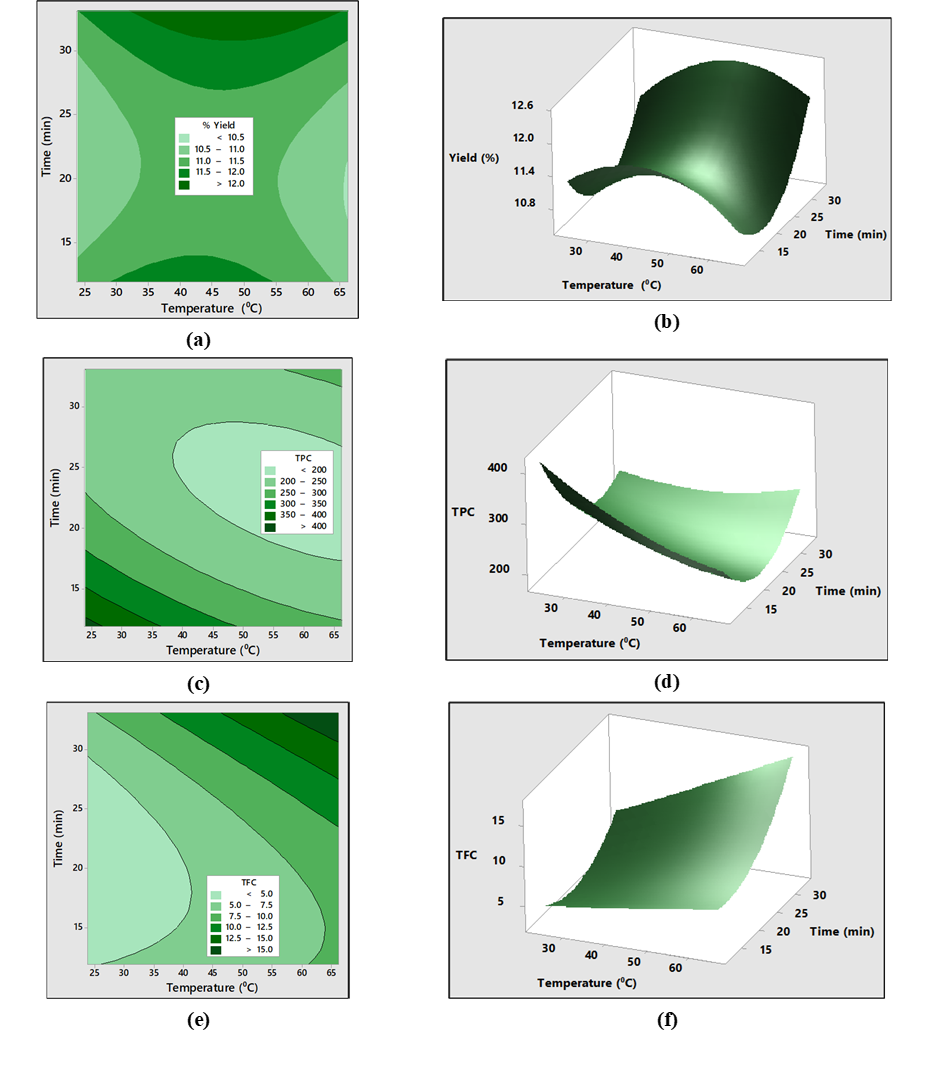
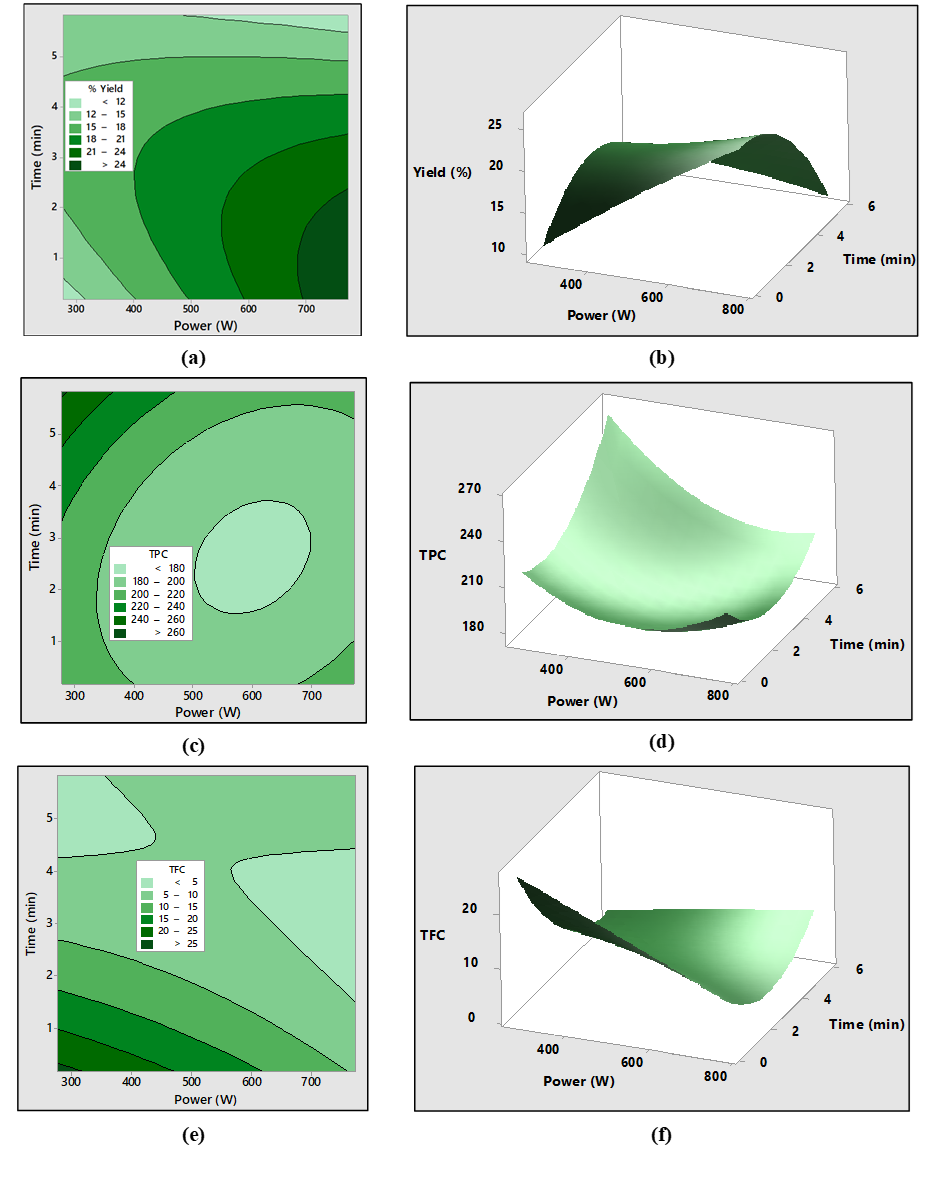
Figures 4(a) and 4(b) demonstrate the utility of contour plots and 3-D response surface modeling for identifying the coordinated roles of temperature and time on ultrasound-assisted extraction (UAE) efficacy. While the yield of UAE extraction was only 11.57% (UC2), the extraction was at the peak of extraction performance, after 30 min of extraction. The efficiency of UAE was determined by the balance of the 2 types of energy input (sonication vs. thermal energy), which contributes to cavitation and mass transfer [8]. UAE frequencies of 20 - 50 kHz create disruption to the integrity of the plant cell walls, but it leaves the thermolabile compounds intact [18]. As anticipated MAE created the highest extraction yields because the extraction efficiencies had better phase space under optimized conditions (Figures 5(a) and 5(b)). UAE offered efficiencies at a moderate level, as it was constrained by the thermal and time envelope. The interpretation of these results was supported by the differences in mechanism underlying MAE’s volumetric heating in contrast with UAE’s reliance on acoustic cavitation.
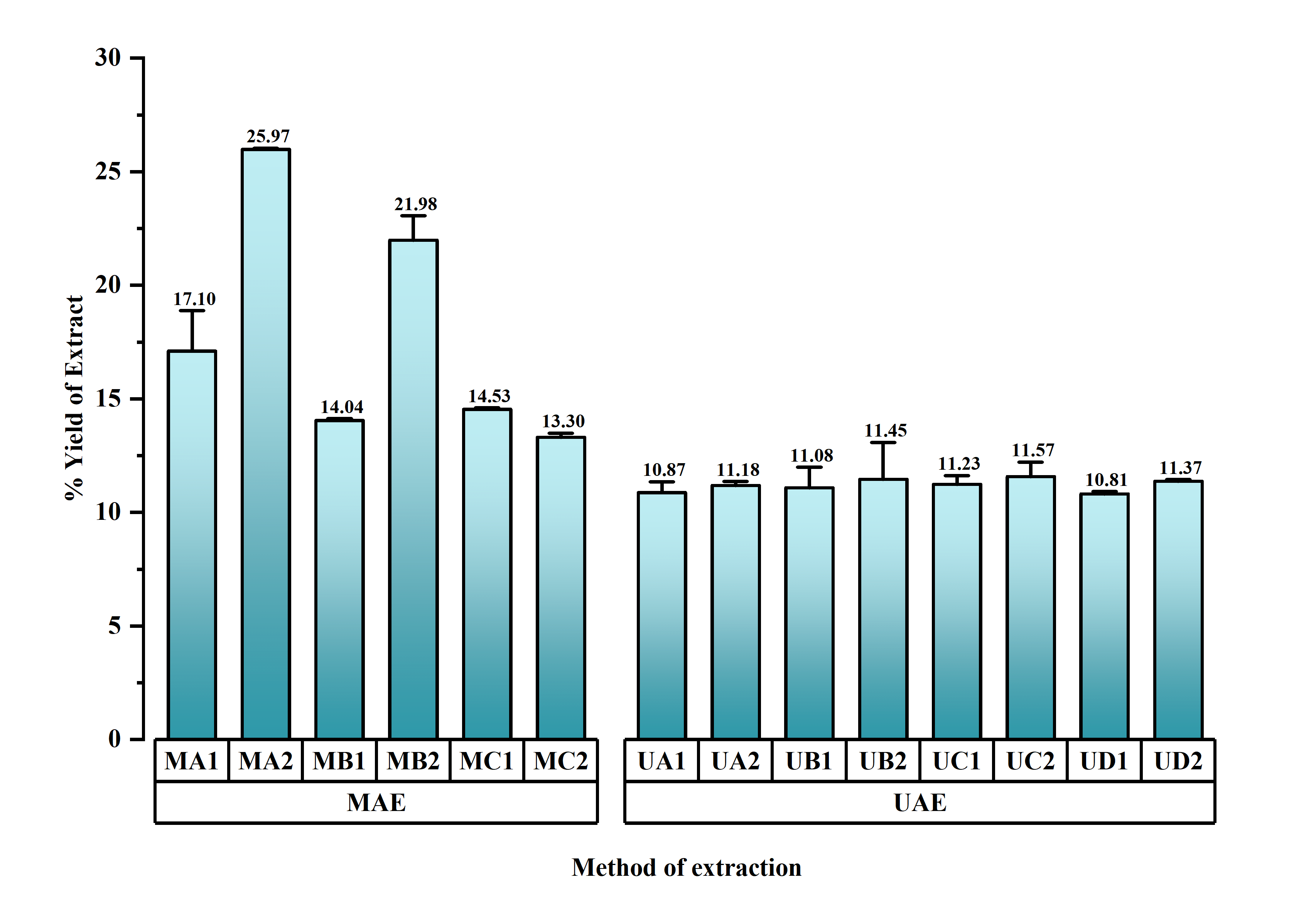
Based on this study, it can be concluded that the highest percentage yield of S. alba stem bark extract can be obtained using ethanol as a solvent with the optimal MAE method at 700 W for 1 min, and the UAE method at 40 °C with an extraction time of 30 min. The percentage yield of extracts obtained by the UAE method, in descending order, is as follows: UC2 > UB2 > UD2 > UC1 > UA2 > UB1 > UA1 > UD1. For the MAE method, the percentage yield, also in descending order, is: MA2 > MB2 > MA1 > MC1 > MB1 > MC2. The results of this study are consistent with previous research, which has shown how effective MAE is in comparison to other traditional or ultrasound-assisted techniques. The use of ethanol as a solvent, its high microwave-absorbing capacity, and its polarity compared to other solvents have all contributed to this efficiency [14,17].
Total phenolic content (TPC)
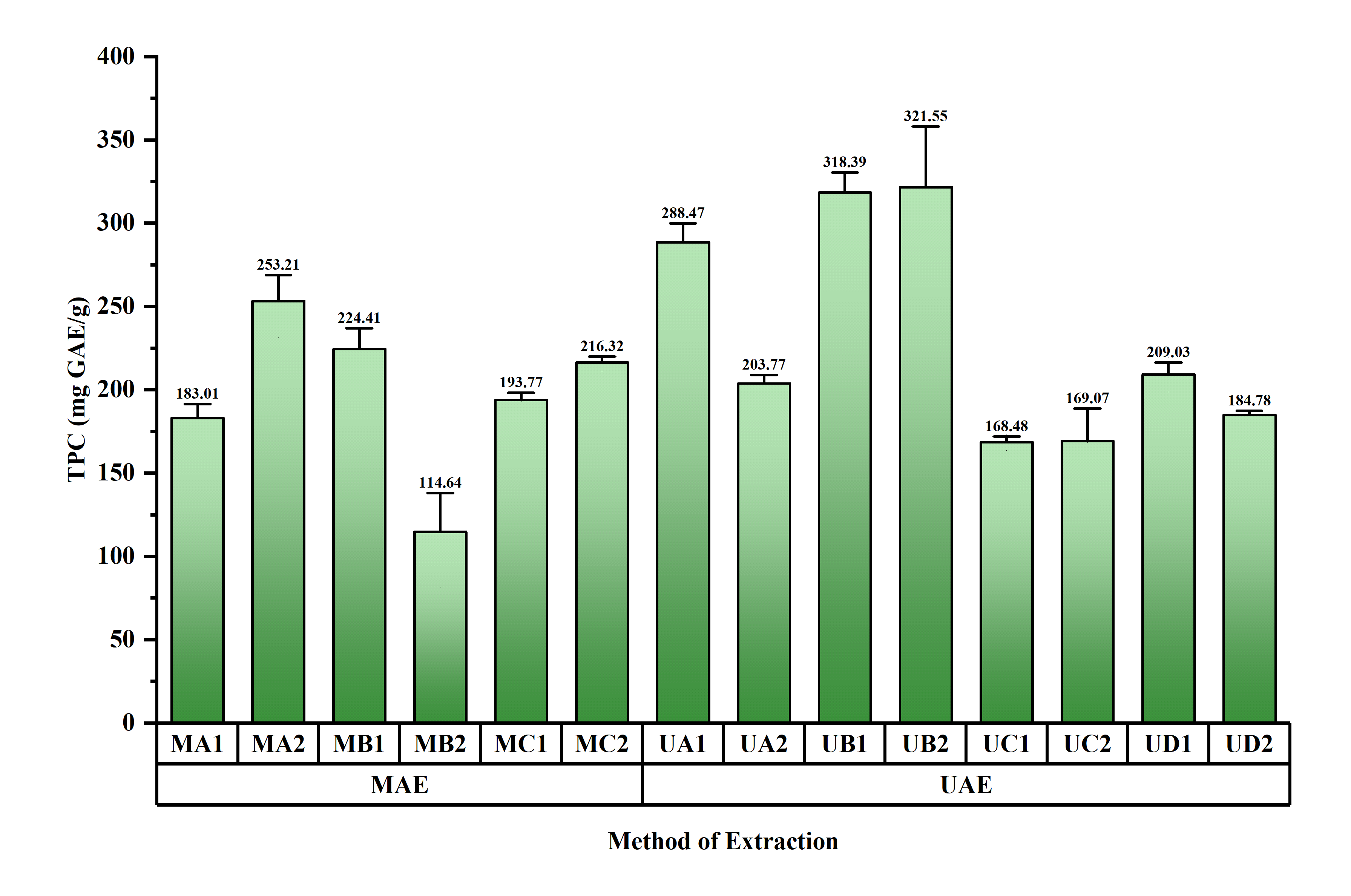
The phenolic compounds described are commonly known, consisting of one or more hydroxyl groups attached to the aromatic ring and an important role of antioxidant action as a scavenger of free radicals [19]. In the current study study, the TPC of S. alba stem bark extracts sourced by MAE and UAE were recomputed using Folin-Ciocalteu method and results shown as mg GAE/100 mg, (Figure 2). Exclusive of all treatments, the UAE method at 40 °C for 30 min (UB2) was determined to have the highest TPC at 321.55 mg GAE/100 mg, while the lowest TPC was shown in MAE at 700 W, 5 min (MB2) at 114.64 mg GAE/100 mg. Extraction yields were as follows: UAE treatments, which followed this order of extraction yield: UB2 > UB1 > UA1 > UD1 > UA2 > UD2 > UC2 > UC1. In the case of MAE, the extraction yield followed this order: MA2 > MB1 > MC2 > MC1 > MA1 > MB2.
The findings of our research are consistent with findings of Shen et al. [20] who also used UAE as an extraction method and said that temperature extraction between 40-60 °C maximised release of phenolics and some of their derivatives from plant matrixes. The contour line and 3-D response surface plot (Figures 4(c) and 4(d)) also indicated that UAE was able to extract more TPC from S. alba stem bark at a temperature of 40 °C for 30 min. While MAE can provide relatively high extraction yields over short times, UAE was certainly the most efficacious way to extract phenolics at moderate temperature and help maintain the phsyco-chemical characteristics of the thermolabile compounds that are present in the extracts (Figures 5(c) and 5(d)). Therefore, while the costing of MAE could be more economical, for the best overall yield of phenolics from S. alba stem bark, UAE should be selected for extraction while maintaining stability of phenolic compound.
Total flavonoid content (TFC)
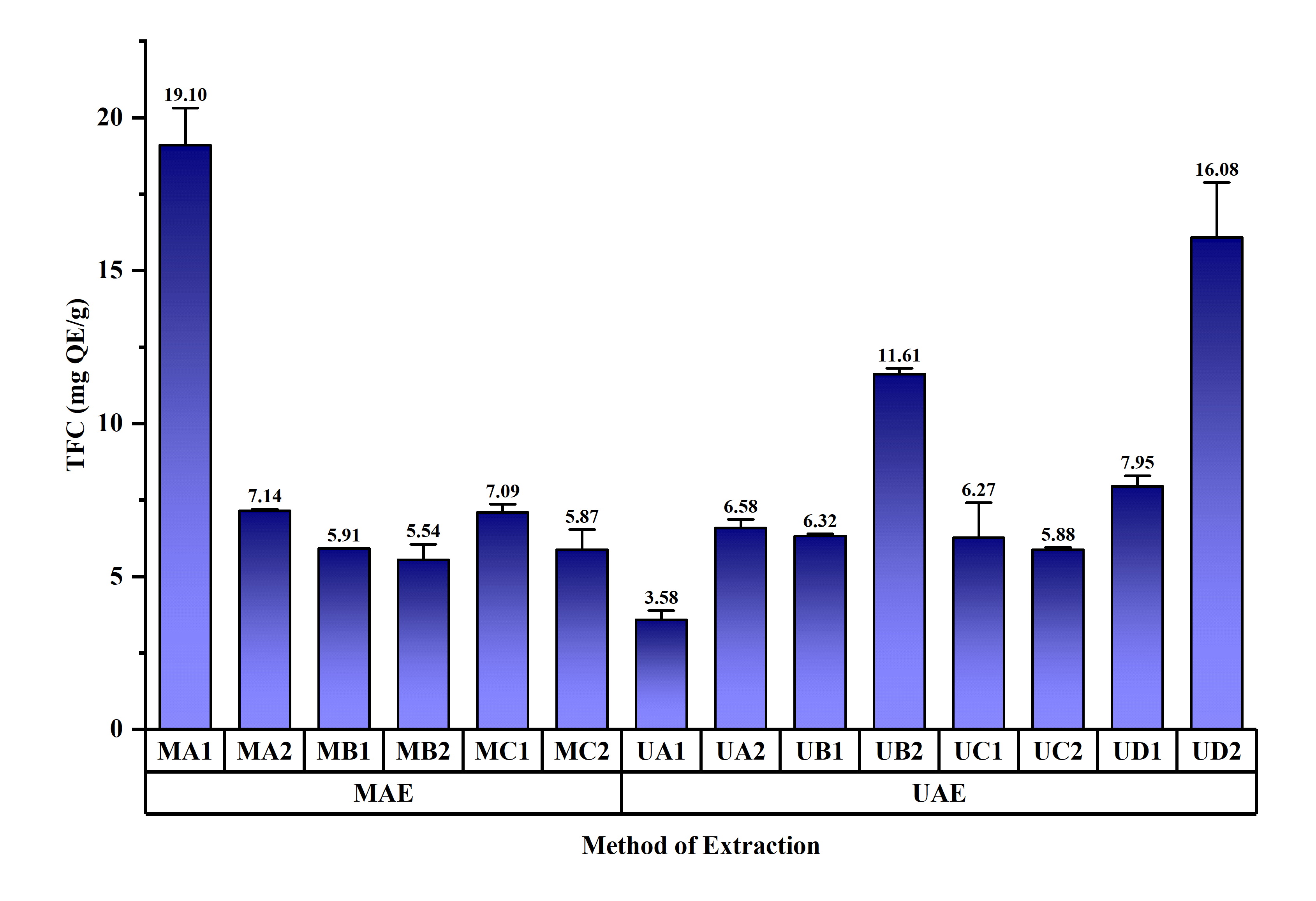
Flavonoids represent an important subclass of polyphenolic compounds that are ubiquitous in plant tissues, and possess significant antioxidant, anti-inflammatory, and antimicrobial activities [21]. The total flavonoid contents (TFC) values of extracts of the stem bark of S. alba were determined (with quercetin used as a standard and expressed as mg quercetin equivalents, QE, /100 mg of extract using the colorimetric method described by Bampouli et al. [13]. The TFC values are shown in Figure 3 and indicated both MAE and UAE were quite effective at extracting flavonoids at TFC values of between 3.58 and 19.10 mg QE/100 mg. The TFC values under MAE conditions were as follows: MA1 > MA2 > MC1 > MB1 > MC2 > MB2, however, under UAE conditions the highest yields were: UD2 > UB2 > UD1 > UA2 > UC1 > UB1 > UC2 > UA1. The representative contour lines and response surface plot in Figures 4(e) - 4(f) and 5(e) - 5(f), show that when extracting S. alba stem bark, UAE TFC was related to temperature and extraction time while MAE, with a power level of 350 W, was able to yield substantial TFC in less than 100 s.
These findings are in accordance with Shen et al. [20] that showed as the temperature and extraction time increases the diffusion of flavonoids is increased during UAE. Additionally, recent studies have examined the cavitation effect of UAE, wherein cavitation has facilitated the disruption of cell walls of plant materials, successfully extracting intracellular bioactives from natural products, particularly flavonoids [22].
The influence of UAE and MAE parameters on responses
Response surface methodology (RSM) was used to assess the extraction yields of total extractable compounds, total phenolic content (TPC), and total flavonoid content (TFC) in order to optimize UAE and MAE for stem bark of S. alba. The contour line and 3-D response surface plot shown at Figures 4 and 5. Second-order regression models demonstrated accurate results. All coefficients were significant (p < 0.05), there was no evidence of multicollinearity (VIF ≈ 1), and the residuals plotted against the fitted values indicated normality (p > 0.05) shown at Tables 4 and 5. For ultrasound extraction, the initial temperature was 40 °C, returning to 30 °C after 30 min (UB2). This yielded an extraction of 11.57%, with a total phenolic content of 321.55 mg GAE/100 mg and a total flavonoid content of 19.10 mg QE/100 mg. The regression models for UAE were expressed as follows:

where T is temperature (°C), and t is extraction time (min).
Table 4 Coded coefficients of the second order polynomials for yield (%), TPC, and TFC according to UAE method.

T
= temperature (°C), t = time of extraction (min), TPC = total
polyphenolic content, TFC = total flavonoids content.
MAE’s optimal extraction efficiency was 25.97%, achieved at 700 W for 1 min (MA2), with 114.64 mg GAE/100 mg TPC and 18.85 mg QE/100 mg TFC. The regression equations for MAE were:

where P = microwave power (W) and t = extraction time (min).
Table 5 Coded coefficients of the second order polynomials for yield (%), TPC, and TFC according to MAE method.
 P
= Power (W), t = time of extraction (min), TPC = total polyphenolic
content, TFC = total flavonoids content.
P
= Power (W), t = time of extraction (min), TPC = total polyphenolic
content, TFC = total flavonoids content.
Although MA2 extraction produced a higher yield than the other methods, the UAE yield of phenolic and flavonoid compounds, which correlate to antioxidant potential, was higher under UB2 conditions. Therefore, UAE is the more appropriate method for extracting antioxidant-rich materials, while MAE is more relevant when yield and process time are of concern.
 Figure
4
Representative contour lines for (a) % yield (c) TPC and (e) TFC and
3-dimensional response surface plots for (b) % Yield (d) TPC and (f)
TFC using UAE method.
Figure
4
Representative contour lines for (a) % yield (c) TPC and (e) TFC and
3-dimensional response surface plots for (b) % Yield (d) TPC and (f)
TFC using UAE method.
 Figure
5
Representative contour lines for (a) % yield (c) TPC and (e) TFC and
3-dimensional response surface plots for (b) % Yield (d) TPC and (f)
TFC using MAE method.
Figure
5
Representative contour lines for (a) % yield (c) TPC and (e) TFC and
3-dimensional response surface plots for (b) % Yield (d) TPC and (f)
TFC using MAE method.
Antioxidant activity of S. alba extract
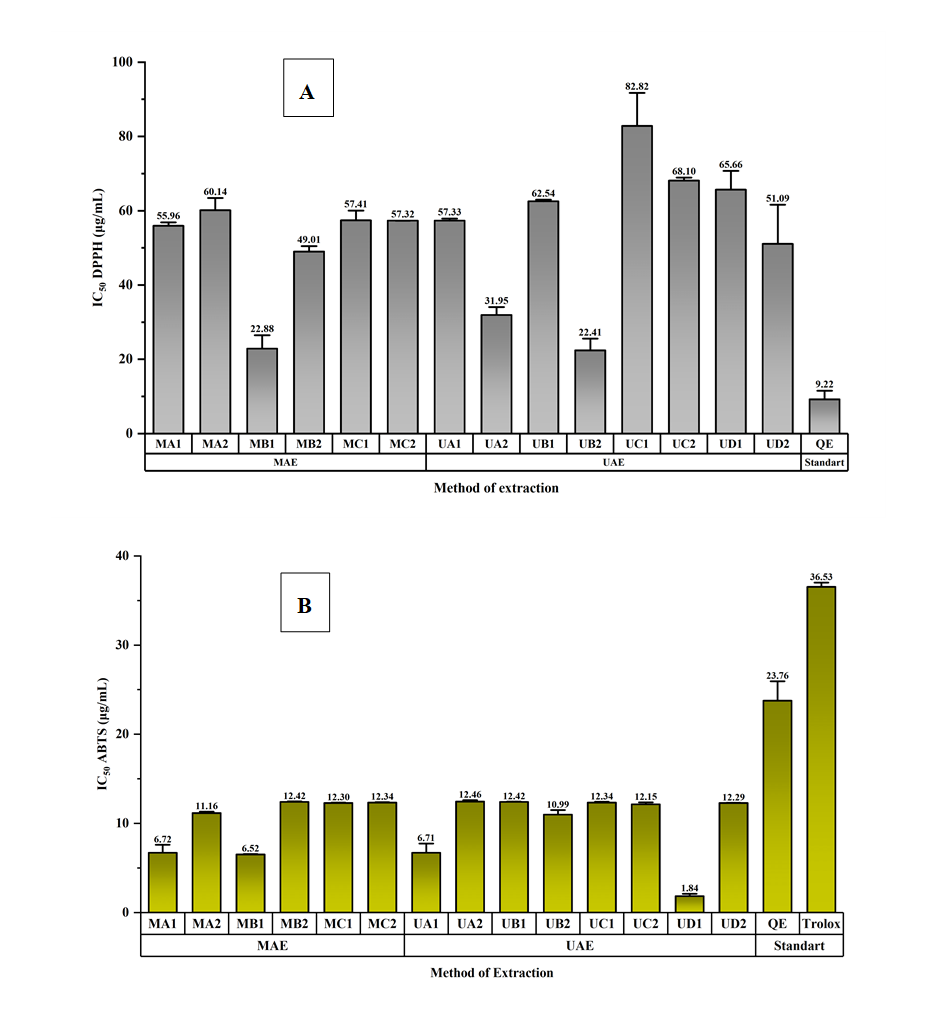
ABTS and DPPH are methods employed to assess the antioxidant activity of various compounds. Both methods are based on the reaction of synthetic free radicals and antioxidants and measure radical scavenging potential without information regarding the mechanism e.g., either electron or hydrogen transfer [23]. The extracts of MAE and UAE treatments displayed meaningful antioxidant potential with their IC₅₀ values being less than 50 μg/mL in the DPPH assay (Figure 6). Although both MAE and UAE extracts extracted significant radical scavenging potential, UAE presented better radical scavenging activity (based on the radical scavenging activities of the extracts). Treatment UB2 with UAE had the best antioxidant potential, however, UAE also had the best TPC and TFC values so there is a high probability that the concentrations of polyphenols are interconnected with their antioxidant potential.
The extracts of UAE and MAE both demonstrated IC₅₀ values lower than Trolox and quercetin, standard antioxidants, which show the excellent radical-scavenging activity of these extracts indicated by the ABTS assay. The UAE and MAE exhibited more effective anti-oxidant activity compared to DPPH and ABTS, this is due to the broad sensitivity of the ABTS method analysis of hydrophilic and lipophilic antioxidant while DPPH assay is limited to hydrophilic organic radicals [24].
This data indicates that phenolic and flavonoids were the main contributors to the antioxidant activity from the S. alba stem bark extract, as was previously established [24,25]. The UAE method used appears to be slightly more beneficial in conserving thermolabile components which provide antioxidant activity from the S. alba stem bark extract due to the lower temperature and energy usage, identifying UAE as a more environmentally friendly extraction process for further commercial, pharmaceutical and nutraceutical applications.
Multivariate analysis of bioactivity parameters
The heatmap and hierarchical clustering, indicating the relationships between the extraction methods and bioactivity parameters (% yield, TPC, TFC, as well as antioxidant activity, DPPH, and ABTS). As shown in Figure 7, the clustering results for the 14 samples indicate 2 main clusters. Cluster 1 contains 11 samples (MA1, UD1, MA2, UA1, UB1, MC1, MC2, UD2, MB1, UB2 and UA2), while cluster 2 contains 3 samples (MB2, UC1 and UC2). Table 6 shown cluster that containing UAE & MAE extracts demonstrated that higher TPC and TFC, as well as higher antioxidant activity (in particular the DPPH and ABTS) were shown by both IC₅₀ values < 50 µg/mL, with a higher contribution of phenolics and flavonoids to radical-scavenging activity [24-27].
Table 6 Clustering UAE & MAE extracts based on a heatmap with a dendrogram.
Cluster |
Sample |
Method of extraction |
% yield |
TPC |
TFC |
ABTS (IC50) |
DPPH (IC50) |
1.1 |
UB2, UA2, MB1, UD2 |
UAE/MAE |
moderate |
high |
high |
< 50 |
< 50 |
1.2 |
UC2, UC1 |
UAE |
moderate |
moderate |
moderate |
< 50 |
50 - 100 |
1.3 |
MA2, MC2 |
MAE |
high |
high |
moderate |
< 50 |
50 - 100 |
2 |
UB1, UA1, UD1, MA1 |
UAE/MAE |
low |
moderate |
low |
< 50 |
50 - 100 |
M = MAE method; U = UAE method.
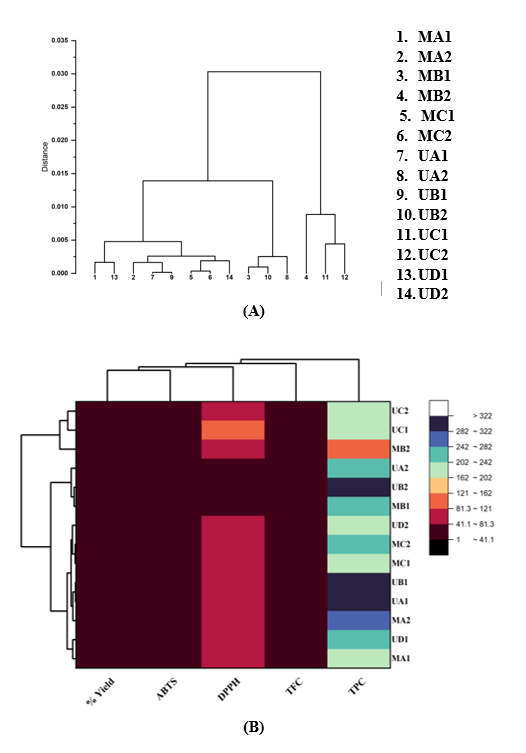
Figure 7 Dendogram and Heatmap dendogram variation method extraction S. Alba; (A) Dendogramand (B) Heatmap with dendogram.
The clustering pattern shows that extraction method and extraction conditions significantly affect the metabolite profile in the S. alba stem bark extracts. UAE had relatively higher bioactive compounds. Additionally, clustering of UB2 and MA2 implies the best possible conditions to achieve maximum antioxidant capacity (Table 7). The dendrogram also shows that compound content and antioxidant activity are highly correlated, which will aid the design of eco-friendly extraction methods for natural antioxidants.
Table 7 The best of UAE and MAE extraction yields based on %Yield, TPC, TFC, DPPH and ABTS.
Method |
Symbol |
Conditional Extraction |
% Yield |
TPC (mg GAE/g) |
TFC (mg QE/g) |
IC50 DPPH (μg/mL) |
IC50 ABTS (μg/mL) |
UAE |
UB2 |
40 °C, 30 min |
11.45 |
321.55 |
11.48 |
22.41 |
10.99 |
MAE |
MA2 |
700 W, 1 min |
25.97 |
253.21 |
7.14 |
60.14 |
11.16 |
|
Quercetin |
|
|
|
|
9.22 |
23.76 |
|
Trolox |
|
|
|
|
- |
36.53 |
This research has shown that UAE yields more antioxidant bioactive extracts than MAE, which can degrade thermolabile antioxidants. UAE has the added advantage of producing extracts by using lower thermal extraction temperatures and, as such, preserving the chemical components such as the phenols that give antioxidants their ability to scavenge free radicals and modulate oxidative/reductive reactions [20]. In comparison, although MAE produces extracts rapidly through its dielectric heating mechanism, this heightened rate of heating may also be associated with increased degradation of thermolabile antioxidants, thereby reducing their bio-efficacy [9]. Therefore, evidence suggests that UAE is more effective than MAE for the extraction of bioactive compounds with maximum retention of antioxidant activity. Thus, UAE can be utilized in produce phytopharmaceuticals and ethnomedicine.
Metabolite fingerprinting of UAE and MAE using ATR- FTIR
The ATR-FTIR evaluation of S. alba stem bark ethanolic extracts for the 2 most effective extraction methods, MAE and UAE, showed nine notable absorption bands that corresponded to a broadness of functional groups including: alcohols, amines, aromatic compounds, alkanes, ethers, and carboxylic acids (Table 8). These functional groups suggest classes of bioactive compounds such as phenolics, alkaloids, terpenoids and steroids.
Table 8 The FTIR-ATR interpretations in the stem bark extract of S. alba using MAE and UAE.
Peak number |
The best of MAE |
The best of UAE |
||
Wavenumber (cm−1) |
Functional groups |
Wavenumber (cm−1) |
Functional groups |
|
1 |
3,331.880 |
-OH; -NH |
3,324.370 |
-OH; -NH |
2 |
3,235.330 |
-CH sp2 stretch |
3,191.016 |
-CH sp2 stretch |
3 |
2,929.753 |
-CH sp3 stretch |
2,926.822 |
-CH sp3 stretch |
4 |
1,716.904 |
-C=O |
1,717.708 |
-C=O |
5 6 |
1,606.187 1,516.750 |
-C=C aromatic (benzene) -C=N |
1,603.943 1,446.419 |
-C=C aromatic (benzene) -C=N |
7 |
1,339.852 |
-C-O-C- (ether/methoxy) -C-N amine |
1,340.791 |
-C-O-C- (ether/methoxy) -C-N amine |
8 |
1,189.060 |
-CH sp2 bend |
1,190.934
|
-CH sp2 bend |
9 |
1,033.518 |
-C-N |
1,032.653 |
-C-N |
The broad absorption in the range of 3,200 - 3,600 cm−1 indicates O-H and N-H stretching vibration, and indicate the presence of hydroxylated phenolic compounds, and amine-bearing alkaloids. The peaks in the range of 2,800 - 3,000 cm–1 can be attributed to the aliphatic C-H stretching from sp3 and sp2 carbons that are indicative of structural aspects of terpenoids and steroids [28]. The UAE and MAE spectra showed sharp, intensive peaks present in this region; however, the UAE shows slightly more transmittance intensity indicating a more efficient recovery of non-polar phytoconstituents.
The strong absorbance at ~1,700 cm−1 pertaining to carbonyl (C=O) stretching is most often attributed to carboxylic acids, but during the stretching vibrations ketones and esters are typically also found in secondary metabolites. The fingerprint region (1,500 - 1,000 cm−1) had C=C, aromatic rings, C=N, C–N bond (amines/imines), and C–O–C (ethers). Groups that are typical of phenolic content were observed such as aromatic rings (700 - 1,640 cm−1), methoxy groups (950 - 1,470 cm−1), and carbonyl functionalities (1,630 - 1,755 cm−1) which support previous findings [29-31].
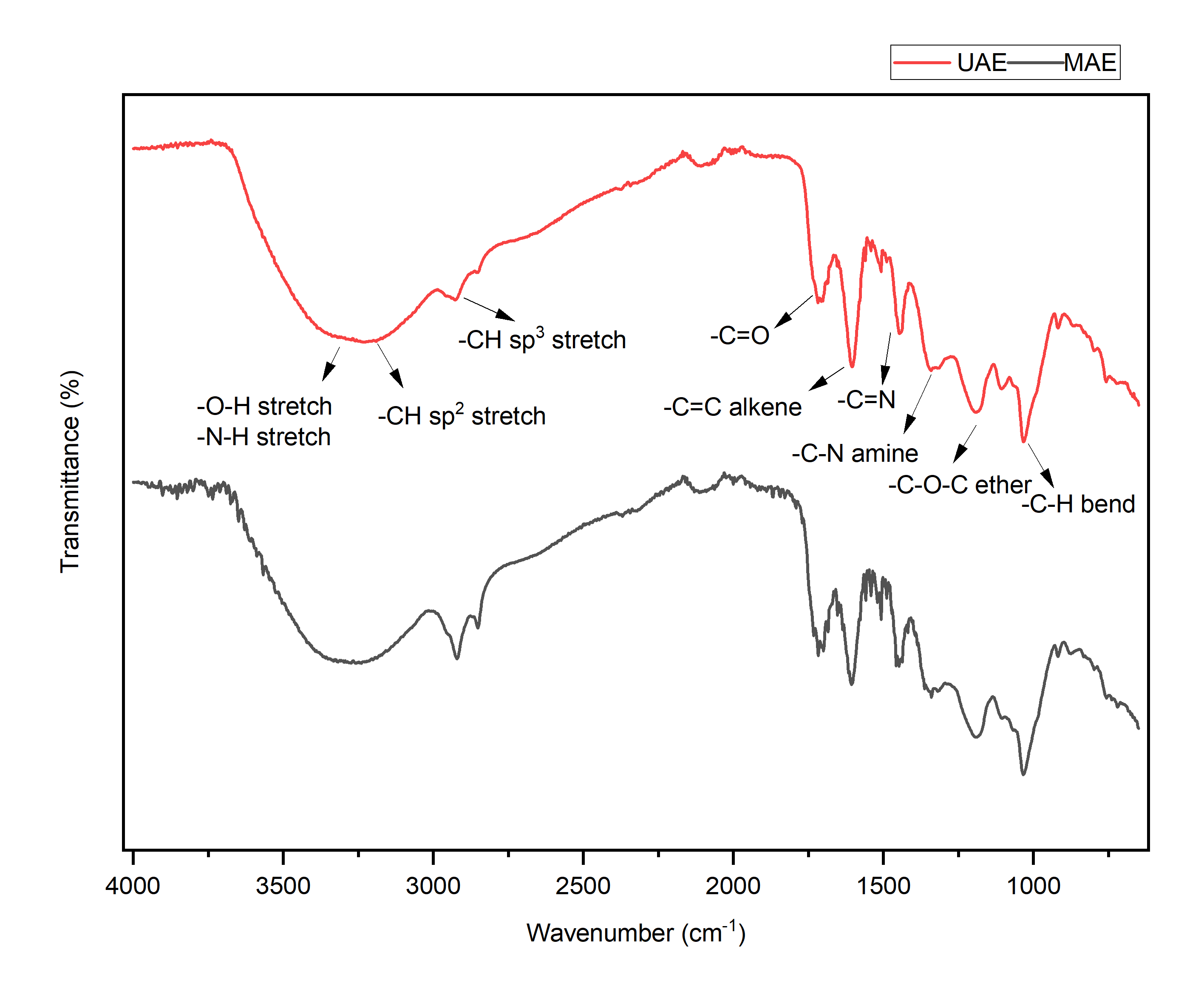
The overlay of the FTIR spectra (Figure 8) demonstrates that both UAE vs MAE yields leave us a collection of functional groups that were comparable. Though, the UAE spectrum showed sharper, and stronger absorption bands throughout the key wavenumbers, suggesting an increased extraction capacity and enhanced representation of the classes of metabolites of interest. This is aligned with the FTIR- ATR data confirming that S. alba stem bark is a source of numerous secondary metabolites including alkaloids, phenolics, terpenoids, and fatty acids that may contribute to antioxidant, anticancer and antiplasmodial activity [28,32,33].
Conclusions
This study demonstrated that UAE and MAE can be used to optimize the extraction of phytochemicals rich in antioxidants from the stem bark of S. alba. With the optimized UAE method (UB2; 40 °C for 30 min), we obtained the highest phenolic (321.55 mg GAE/g) and flavonoid (11.48 mg QE/g) contents with high antioxidant activity (DPPH IC₅₀ = 22.41 µg/mL). MAE produced the highest extraction yield (25.97%) at optimal conditions (700 W, 1 min; MA2); however, antioxidant capacity was lower. Multivariate and FTIR analysis showed that UAE is better at preserving the phenolic and flavonoid constituents. When applications aim for bioactivity, UAE is recommended, whereas MAE may be desired for fast extractions with high yield. This is the first report on the extraction of S. alba stem bark using green technologies, along with new insights into the sustainable recovery of phytochemicals from mangrove resources.
Acknowledgements
This research was funded by the Ministry of Higher Education, Science, and Technology, Indonesia through a doctoral dissertation research grant (PDD) with contract number 017/C3/DT.05.00/PL/2025.
Declaration of Generative AI in Scientific Writing
The authors acknowledge that generative artificial intelligence tools (such as OpenAI's QuillBot, DeepL) were used during the preparation of this manuscript solely to assist in language refinement and grammar editing. No part of the content was generated nor any data interpreted by AI. The authors take full responsibility for the content of the work and the conclusions drawn.
CRediT Author Statement
Mahmiah Mahmiah: Conceptualization; Methodology; Software; Validation; Formal analysis; Investigation; Resources; Data Curation; Writing - Original Draft; Visualization. Mardi Santoso: Supervision; Funding acquisition; Writing - Review & Editing. Arif Fadlan: Visualization; Investigation; Validation; Writing - Review & Editing.
[1] AR Islam, MM Hasan, MT Islam and N Tanaka. Ethnobotanical study of plants used by the Munda ethnic group living around the Sundarbans, the world’s largest mangrove forest in southwestern Bangladesh. Journal of Ethnopharmacology 2022; 285, 114853.
[2] JY Leung and NF Tam. Influence of plantation of an exotic mangrove species, Sonneratia caseolaris (L.) Engl., on macrobenthic infaunal community in Futian Mangrove National Nature Reserve, China. Journal of Experimental Marine Biology and Ecology 2013; 448, 1-9.
[3] L Vittaya, U Charoendat, S Janyong, J Ui-Eng and N Leesakul. Comparative analyses of saponin, phenolic, and flavonoid contents in various parts of Rhizophora mucronata and Rhizophora apiculata and their growth inhibition of aquatic pathogenic bacteria. Journal of Applied Pharmaceutical Science 2022; 12(11), 111-121.
[4] AD Rupidara, WL Tisera and ME Ledo. Studi etnobotani tumbuhan mangrove di Kupang (in Indonesian). Jurnal Ilmu dan Teknologi Kelautan Tropis 2020; 12(3), 875-884.
[5] AS Nugraha, LN Firli, DM Rani, A Hidayatiningsih, ND Lestari, H Wongso, K Tarman, AC Rahaweman, J Manurung, NP Ariantari and A Papu. Indonesian marine and its medicinal contribution. Natural Products and Bioprospecting 2023; 13(1), 38.
[6] RM Ghalib, R Hashim, O Sulaiman, MF Awalludin, SH Mehdi and F Kawamura. Fingerprint chemotaxonomic GC-TOFMS profile of wood and bark of mangrove tree Sonneratia caseolaris (L.) Engl. Journal of Saudi Chemical Society 2011; 15(3), 229-237.
[7] S Mitra, N Naskar and P Chaudhuri. A review on potential bioactive phytochemicals for novel therapeutic applications with special emphasis on mangrove species. Phytomedicine Plus 2021; 1(4), 100107.
[8] M Abbas, D Ahmed, MT Qamar, S Ihsan and ZI Noor. Optimization of ultrasound-assisted, microwave-assisted and Soxhlet extraction of bioactive compounds from Lagenaria siceraria: A comparative analysis. Bioresource Technology Reports 2021; 15, 100746.
[9] M Vinatoru, TJ Mason and I Calinescu. Ultrasonically assisted extraction (UAE) and microwave assisted extraction (MAE) of functional compounds from plant materials. TrAC Trends in Analytical Chemistry 2017; 97, 159-178.
[10] MP Sonar and VK Rathod. Microwave assisted extraction (MAE) used as a tool for rapid extraction of marmelosin from Aegle marmelos and evaluations of total phenolic and flavonoids content, antioxidant and anti-inflammatory activity. Chemical Data Collections 2020; 30, 100545.
[11] D Wonggo, C Anwar, V Dotulong, A Reo, N Taher, RA Syahputra, F Nurkolis, TE Tallei, B Kim and A Tsopmo. Subcritical water extraction of mangrove fruit extract (Sonneratia alba) and its antioxidant activity, network pharmacology, and molecular connectivity studies. Journal of Agriculture and Food Research 2024; 18, 101334.
[12] MH Ikhsan, AW Akili, A Hardianto, J Latip and T Herlina. Optimization of ultrasound-assisted extraction of anthocyanin from Erythrina crista-galli flowers. Trends in Sciences 2025; 22(7), 10076.
[13] A Bampouli, K Kyriakopoulou, G Papaefstathiou, V Louli, N Aligiannis, K Magoulas and M Krokida. Evaluation of total antioxidant potential of Pistacia lentiscus var. chia leaves extracts using UHPLC-HRMS. Journal of Food Engineering 2015; 167, 25-31.
[14] P Darvishzadeh and V Orsat. Microwave-assisted extraction of antioxidant compounds from Russian olive leaves and flowers: Optimization, HPLC characterization and comparison with other methods. Journal of Applied Research on Medicinal and Aromatic Plants 2022; 27, 100368.
[15] J Rutuparna, A Ali and IA Ghazi. Comparative metabolomic analysis of unreleased and released pollen from Putranjiva roxburghii Wall. South African Journal of Botany 2022; 149, 758-767.
[16] F Kuhn, ES de Azevedo, J Frazzon and CP Noreña. Evaluation of green extraction methods on bioactive compounds and antioxidant capacity from Bougainvillea glabra bracts. Sustainable Chemistry and Pharmacy 2021; 19, 100362.
[17] DJ Bhuyan, Q Van Vuong, AC Chalmers, IA van Altena, MC Bowyer and CJ Scarlett. Microwave-assisted extraction of Eucalyptus robusta leaf for the optimal yield of total phenolic compounds. Industrial Crops and Products 2015; 69, 290-299.
[18] R Wen, HN Lv, Y Jiang and PF Tu. Anti-inflammatory flavone and chalcone derivatives from the roots of Pongamia pinnata (L.) Pierre. Phytochemistry 2018; 149, 56-63.
[19] M Sharma, S Hussain, T Shalima, R Aav and R Bhat. Valorization of seabuckthorn pomace to obtain bioactive carotenoids: An innovative approach of using green extraction techniques (ultrasonic and microwave-assisted extractions) synergized with green solvents (edible oils). Industrial Crops and Products 2022; 175, 114257.
[20] L Shen, S Pang, M Zhong, Y Sun, A Qayum, Y Liu, A Rashid, B Xu, Q Liang, H Ma and X Ren. A comprehensive review of ultrasonic assisted extraction (UAE) for bioactive components: Principles, advantages, equipment, and combined technologies. Ultrasonics Sonochemistry 2023; 101, 106646.
[21] A Barman, M Barman, R Das and S Ray. Traditional medicinal uses, phytochemistry, bioactivities and toxicity of the genus Maesa (Primulaceae): A comprehensive review. Journal of Herbal Medicine 2023; 41, 100720.
[22] Y Wang, C Zhang, Y Zhao, F Wu, Y Yue, Y Zhang and D Li. Ultrasound-assisted optimization extraction and biological activities analysis of flavonoids from Sanghuangporus sanghuang. Ultrasonics Sonochemistry 2025; 117, 107326.
[23] J Rumpf, R Burger and M Schulze. Statistical evaluation of DPPH, ABTS, FRAP, and Folin-Ciocalteu assays to assess the antioxidant capacity of lignins. International Journal of Biological Macromolecules 2023; 233, 123470.
[24] S Amalraj, V Mariyammal, R Murugan, SS Gurav, J Krupa and M Ayyanar. Comparative evaluation on chemical composition, in vitro antioxidant, antidiabetic and antibacterial activities of various solvent extracts of Dregea volubilis leaves. South African Journal of Botany 2021; 138, 115-123.
[25] L Vittaya, U Charoendat, J Ui-Eng and N Leesakul. Effect of extraction solvents on phenolic compounds and flavonoids from Pongame oiltree (Derris indica [Lamk.] Bennet) aerial parts and their growth inhibition of aquatic pathogenic bacteria. Agriculture and Natural Resources 2022; 56(3), 569-582.
[26] LY Gu, Z Chen, J Zhao, XJ Ruan, SY Zhao and H Gao. Antioxidant, anticancer and apoptotic effects of the Bupleurum chinense root extract in HO-8910 ovarian cancer cells. Journal of BUON 2015; 20(5), 1341-1349.
[27] TP Vo, MT Ho, PU Nguyen, ND Pham, KV Truong, TH Nguyen, DQ Nguyen and TT Vo. Extracting phenolics, flavonoids, and terpenoids from Codonopsis pilosula using green solvents. Sustainable Chemistry and Pharmacy 2024; 37, 101395.
[28] MN Azam, P Biswas, A Khandker, MM Tareq, SJ Tauhida, TA Shishir, S Bibi, MA Alam, MN Zilani, NA Albekairi and A Alshammari. Profiling of antioxidant properties and identification of potential analgesic inhibitory activities of Allophylus villosus and Mycetia sinensis employing in vivo, in vitro, and computational techniques. Journal of Ethnopharmacology 2025; 336, 118695.
[29] MC Diwathe, J Anandkumar and B Mazumdar. Optimization of ultrasound-assisted extraction of phenolics from Cordia dichotoma leaves using response surface methodology. Chemical Engineering Research and Design 2024; 208, 572-587.
[30] L Vittaya, C Chalad, W Ratsameepakai and N Leesakul. Phytochemical characterization of bioactive compounds extracted with different solvents from Calophyllum inophyllum flowers and activity against pathogenic bacteria. South African Journal of Botany 2023; 154, 346-355.
[31] S Mitra, N Naskar, S Lahiri and P Chaudhuri. A study on phytochemical profiling of Avicennia marina mangrove leaves collected from Indian Sundarbans. Sustainable Chemistry for the Environment 2023; 4, 100041.
[32] D Silviani, WT Wahyuni, UD Syafitri, A Ilmiawati, DA Septaningsih, M Insanu, NS Aminah, A Rohman and M Rafi. LC-HRMS and FTIR-based metabolomics analysis and xanthine oxidase inhibitory evaluation of Sida rhombifolia with different drying methods. Biocatalysis and Agricultural Biotechnology 2023; 52, 102833.
[33] S Thummajitsakul, P Piyaphan, S Khamthong, M Unkam and K Silprasit. Comparison of FTIR fingerprint, phenolic content, antioxidant and anti-glucosidase activities among Phaseolus vulgaris L., Arachis hypogaea L. and Plukenetia volubilis L. Electronic Journal of Biotechnology 2023; 61, 14-23.