
Trends
Sci.
2026;
23(9):
13023
Characterization of Pectin Extracted from Various Tropical Fruit Peels using the Steam Explosion Method
Thanita Bilman1,3, Sakdinon Khumlue2, Piamprom Ladkong2,
Visit Boonchom1 and Nantharat Phruksaphithak1,3,*
1Faculty of Science and Digital Innovation, Thaksin University, Phatthalung 93210, Thailand
2Scientific Classroom in the University-Affiliated School Project, Faculty of Science and Innovation Digital,
Thaksin University, Phatthalung 93210, Thailand
3Centre of Excellence for Agricultural Innovation and Bioproducts of Thaksin University, Thaksin University, Phatthalung 93210, Thailand
(*Corresponding author’s e-mail: [email protected])
Received: 15 December 2025, Revised: 18 January 2026, Accepted: 25 January 2026, Published: 30 March 2026
Abstract
This study aimed to evaluate the efficiency of the steam explosion technique for extracting pectin from various tropical fruit peels and to characterize the resulting physicochemical and structural properties to determine their potential as local bioresources. Pectins were extracted from the peels of five tropical fruits: Lime, dragon fruit, Kaewkamin mango, Dueankao mango, and pomelo using a steam explosion method. The extracted pectins were comprehensively characterized for their chemical composition (moisture, ash, methoxyl content, and degree of esterification), functional groups (FTIR), thermal behavior (DSC, TGA), and crystallinity (XRD), and compared with commercial pectin reference. Significant differences in physicochemical properties were observed among the fruit species. Dueankao mango yielded HM pectin, while the other four fruits produced LM pectin. While the steam explosion method successfully isolated pectin with distinct structural patterns and thermal stability, the ash content in all samples (3.25% - 5.52%) exceeded the IPPA standards, indicating a need for further purification. These findings suggest that although tropical fruit peels are promising sustainable sources for pectin, extraction parameters and purification steps must be optimized to meet industrial specifications.
Keywords: Pectin, Tropical fruit peel, Steam explosion extraction, Degree of esterification, Methoxyl content, Thermal analysis
Introduction
Pectin is a complex heteropolysaccharide predominantly composed of linear 1,4-linked -D-galacturonic acid units, forming a homogalacturonan backbone [1,2] This structure is often complemented by rhamnogalacturonan I and rhamnogalacturonan II sub-domains [2]. Pectin is a vital component of plant primary cell walls and middle lamellae, playing critical roles in plant growth and development [2]. Its structure can vary significantly based on the source and extraction method, influencing molecular mass, degree of esterification, neutral sugar side chains, and
methoxylation [2] Due to its ability to form hydrogels and function as a gelling, thickening, stabilizing, and emulsifying agent, pectin is extensively utilized across diverse industries [2-4]. In the food sector, it is a key ingredient in products such as jams, jellies, and dairy items [2,5]. In pharmaceutical and nutraceutical formulations, pectin is valued for its potential benefits, including cholesterol reduction and digestive health [3,6]. Despite its widespread industrial importance, there is often a reliance on imported commercial pectin, primarily derived from citrus and apple pomace [2,5], which can lead to increased production costs for local industries.
This economic challenge, coupled with growing environmental concerns related to agricultural waste disposal [5], underscores the critical need for exploring alternative, sustainable, and economically viable sources of pectin. Thailand, for example, produces abundant tropical fruits like mango, pomelo, dragon fruit, and lime, generating substantial volumes of peel waste from processing industries [5]. Valorizing these by-products aligns perfectly with circular economy principles by transforming waste into valuable products and promoting sustainability [2,5]. Recent trends emphasize that the integration of biorefinery concepts into fruit waste management not only reduces environmental burdens but also stabilizes the supply chain for high-value biopolymers like pectin in the global market [7,8]. While previous studies have investigated pectin extraction from individual fruit sources such as durian rind [9], passion fruit peel [10], pomelo peel [11], and Apple [12], comprehensive comparative data across multiple tropical fruits under identical extraction conditions remain limited. This study aims to address this gap by providing a thorough characterization and comparison of pectins extracted from the peels of various tropical fruits.
Traditionally, pectin is extracted using acid methods, which convert insoluble protopectin into water-soluble pectin through hydrolysis under acidic conditions [2,5]. However, these conventional approaches often present disadvantages, including prolonged extraction times, high energy consumption, and significant solvent costs [2]. Furthermore, the use of strong acids can lead to equipment corrosion, generate hazardous liquid waste, and incur high waste treatment costs, posing environmental and health risks [1,13]. While alternative extraction methods have been explored to mitigate these issues, there remains a need for efficient and environmentally sound techniques. To address these limitations, this study employs the steam explosion method. Steam explosion is recognized as an efficient and innovative thermal processing technique [10]. Current research highlights its role as a leading’ green’ pretreatment technology [14,15]. Offering enhanced energy efficiency [15] compared to conventional assisted extraction methods [16] when processing complex tropical biomass [16]. Its fundamental principle involves exposing biomass to high-pressure steam followed by abrupt depressurization, which effectively disrupts the plant cell wall structure and facilitates the release of small molecular substances and bioactive components [10].
Therefore, the objective of this study was to systematically evaluate the efficiency of the steam explosion method for pectin extraction from five distinct tropical fruit peels (lime, dragon fruit, pomelo, Kaewkamin and Dueankao). Furthermore, this research sought to provide a comprehensive comparative analysis of their physicochemical properties, structural characteristics, and thermal stability to assess their potential as sustainable alternatives to commercial pectin.
Materials and methods
Chemical reagents and sample preparation
Fruit peels of lime, dragon fruit, Kaewkamin mango, Dueankao mango, and pomelo were collected from local markets in southern Thailand. Peels were washed, dried at 60 °C, and milled to powder before extraction.
Pectin extraction
Pectin was extracted by dispersing dried fruit peel powder in distilled water (solid-to-liquid ratio 1:12, w/v) and autoclaving at 121 °C for 30 min without pH adjustment. After cooling to room temperature, the suspensions were filtered through cheesecloth to separate the residues. The filtrate was then precipitated with 80 %(v/v) ethanol (1:2, v/v, filtrate to ethanol) under stirring for 15 min, followed by washing the coagulated pectin with 80% ethanol to remove soluble impurities. The obtained pectin was oven-dried at 50 °C until constant weight was achieved.
Pectin characterizations
Physicochemical composition
The extracted pectin samples underwent comprehensive analysis to determine their physicochemical properties, including pectin yield, moisture content, and ash content, following the methodology described by [17].
Fourier transform infrared spectroscopy (FTIR)
The FTIR spectra of extracted pectin samples were measured with a FTIR spectrophotometer (Agilent Cary 630 FTIR Spectrometer, USA). The spectrum was recorded in transparent mode in the wavelength range of 4,000 to 400 cm−1 with 4 cm–1 resolution and 32 scans per sample.
Degree of esterification
The degree of esterification (DE) of the extracted pectin was determined using Fourier Transform Infrared (FTIR) spectroscopy. The DE was calculated based on the relative absorbance areas under the peak corresponding to the esterified carboxyl groups and the free carboxylic acid groups, as described in previous studies [17-19]. Specifically, the absorbance at approximately 1,740 cm–1 (assigned to C=O stretching of ester groups) and 1,626 cm⁻¹ (assigned to the asymmetric stretching of carboxylate anions) was used in Eq. (1).

where A1740 represent the area under the peak of the esterified group, and A1626 corresponds to the area under the peak of the free carboxylic group.
Methoxylation percentage
The methoxylation percentage (MeO%) of the extracted pectin was estimated based on the degree of esterification (DE). The calculation was performed using a proportional relationship as proposed by [17-19], which assumes a maximum methoxy content of 16.32% when the DE is 100%. The estimation was conducted using Eq. (2), providing an approximate methoxyl content derived from the FTIR-based DE values.

Molecular weight measurement
The molecular weight of the pectin samples was estimated using the Mark-Houwink-Sakurada equation, which correlates a polymer’s intrinsic viscosity with its molecular weight [9,13].
To determine the intrinsic viscosity, the pectin solution’s intrinsic viscosity was measured using an Ubbelohde capillary viscometer maintained at 25 °C. Dried pectin powder (0.1 g) was dissolved in 100 mL of an aqueous solution containing 0.1 mol L–1 sodium chloride to minimize electro-viscous effects. The solution was gently mixed and equilibrated at ambient temperature for 12 h. After filtration through a 45 µm membrane disk filter, 15 mL of the filtrate was transferred into the viscometer and immersed in a thermostatic water bath at 25.0 ± 1 °C. Flow time measurements were recorded after thermal equilibrium was reached. The densities of both the pectin solution and the solvent were determined using a pycnometer. The relative viscosity (ηr) was calculated according to Eq. (3).

where η and ηs are the viscosities (mPa·s) of the pectin solution and the solvent, respectively; t1 and t2 are the corresponding flow times (s); and d1 and d2 are the respective densities (g cm–3). The intrinsic viscosity [η] (L g⁻¹) was then determined from Eq. (4).

where C is the concentration of pectin in the solution (g L–1).
The molecular weight (Mw) of the pectin samples was estimated using the Mark-Houwink-Sakurada equation, shown in Eq. (5).

where [η] is the intrinsic viscosity, Mw is the molecular weight. The constants k and a are specific to the particular solute - solvent system and measurement temperature. For pectin dissolved in 0.1 mol L–1 NaCl at 25 °C, k and a were taken as 4.36×10⁻⁵ L g–1 and 0.78, respectively, as reported in [20].
Thermal analysis (TGA and DSC)
The TGA (Thermogravimetric analysis) profile of extracted pectin (6 - 7 mg) was investigated with a thermogravimetric analyzer (TGA-4000, PerkinElmer, U.S.A.) [10,21]. The analysis was conducted in a controlled N2 environment and at a heating rate of 10 C/min in the temperature range of 25 - 600 C.
DSC analysis was carried out using a Netzsch DSC instrument (204 F1 Phoenix, USA). Approximately 10 mg of dried sample was placed in a standard Indium crucible and was immediately sealed. The measurement was performed under a nitrogen atmosphere (flow rate: 10 mL/min) with a heating rate of 10 °C/min, over a temperature range of 25 - 300 °C. An empty Indium crucible was used as the reference [21]. Thermal transition parameters, including onset temperature, peak temperature, endset temperature, and enthalpy change (ΔH), were obtained from the thermograms
X-Ray Diffraction (XRD) analysis
An X-ray diffractometer (D8 Advance, Bruker, Germany) equipped with Cu Kα radiation was used to conduct the XRD study [21]. The extracted pectin powder was scanned in the diffraction angle range of 5 - 40 (step size: 0.02; time: 2 s/step).
Morphological analysis
The morphology of extracted pectin was investigated using a FEI Quanta 450 FEG / EDS instrument. Pectin samples were fixed on metal stubs and were coated with gold (using a Sputter coater 7620, Quorum). Subsequently, the pectin samples were placed under the SEM at an accelerating voltage of 10.0 kV.
Results and discussion
Physicochemical properties
In this study, we extracted pectin from tropical fruits of Thailand, such as lime, Kaewkamin mango, Dueankao mango, dragon fruit, and pomelo which are good sources of pectin. We adopted a green extraction method using DI water and heated dissolves pectin and other cell wall pectin components (protopectin), are summarized in Table 1.
Yield
The pectin yields obtained from the tropical fruit peels in this study varied, with Kaewkamin mango peel showing the highest yield at 8.96 ± 0.21%, followed by Dueankao mango (8.50 ± 0.27%). Pomelo peel yielded 7.98 ± 0.16%, while lime and dragon fruit peels exhibited comparable yields of 7.14 ± 0.14% and 7.02 ± 0.21%, respectively. These values are generally lower than some reported yields for pectin extracted from similar fruit peels using optimized conventional acid or microwave-assisted extraction methods. For instance, lime peel pectin yields have been reported as high as 24.68% using microwave-assisted extraction [20] and approximately 14% using hot compressed water treatment [22]. This discrepancy in yield may be attributed to the different energy transfer mechanisms, while steam explosion relies on rapid pressure-driven structural disruption, microwave-assisted extraction provides more uniform internal heating and molecular vibration, which often enhances mass transfer and extraction efficiency. Similarly, studies on dragon fruit peels have reported yields up to 23.11% with microwave-assisted extraction [23], and mango peels have shown yields ranging from 14.60% to 28.42% under various conditions [24-26]. Pomelo peel pectin yields have also been reported higher, reaching 20.9% [27] or 20.43% with microwave-assisted extraction [28]. The observed differences in yield are influenced by a multitude of factors, including the specific fruit species and variety, maturity stage, and critically, the extraction method employed [25,26]. While the steam explosion method in this study provided moderate yields, it offers the advantage of being an environmentally benign process [14,29]. However, the relatively lower efficiency compared to optimized Microwave-assisted extraction [3,13] suggests that the current steam explosion conditions (pressure and temperature) may not yet be at their peak, impacting both yield and the structural integrity of the pectin [10]. Future research utilizing Response Surface Methodology is essential to systematically optimize these parameters to maximize yield while maintaining the structural integrity of the pectin [9,30].
Table 1 Physicochemical properties of tropical fruits of Thailand.
|
Moisture and ash content
The moisture content of the extracted pectins ranged from 7.12 ± 0.21% to 9.46 ± 0.28%. All samples, including the commercial pectin (5.76 ± 0.13%), fell within the maximum limit (12%) of for moisture content recommend by the International Pectin Producers Association (IPPA) [31]. Low moisture content is desirable for pectin as it contributes to better stability and helps inhibit microbial growth.
Conversely, the ash content of the extracted pectins was notably higher, ranging from 3.25 ± 0.24% to 5.52 ± 0.29% (pomelo). Notably, the commercial pectin also exceeded the IPPA maximum limit of 1% with an ash content of 2.23 ± 0.20%. High ash content typically signifies the presence of inorganic impurities, such as mineral salts, which can negatively impact the purity and functional attributes of the pectin. For comparison, some studies have reported lower ash content, such as 0.09% for orange peel pectin [32], while other, like Saba banana pectin reported value as high as 3.63% [33]. The elevated ash content in our samples indicates the present of residual mineral and inorganic impurity [34]. This may be attributed to the intensity of the steam explosion process, which effectively disrupts the complex fruit peel matrix [10], potentially leading to the co-extraction of non-pectic components and minerals along with the pectin [9]. To align with strict industrial standards, where low ash content is desirable for purity and quality [4,11], additional purification steps, such as acid washing [6] or the use of chelating agents [11], would be necessary in subsequent processing to reduce the mineral load while preserving the functional properties of the pectin.
Molecular weight
The molecular weight (Mw) is a critical determinant of pectin’s functional properties, directly influencing its viscosity, gelling capacity, and emulsifying and texturizing capabilities. The molecular weight of the extracted pectins varied substantially among the different fruit sources. Commercial pectin displayed the highest Mw (12,826 ± 1,026 Da). Among the fruit pectins, lime peel pectin exhibited the highest Mw (7,810.93 ± 624.80 Da), followed by Kaewkamin mango pectin (5,216.28 ± 417.30 Da), Dragon fruit pectin (3,169 ± 317.00 Da) and pomelo pectin (2,906.57 ± 261.00 Da) showed intermediate molecular weights, while Dueankao mango pectin had the lowest Mw (1,882.61 ± 188.30 Da). The relatively lower molecular weights of some extracted pectins compared to commercial pectin might indicate some degree of degradation during the steam explosion extraction process. The intense thermo-mechanical energy from high pressure steam likely induces partial depolymerization, breaking the long chain.
homogalacturonan backbone into smaller fragments [10]. While this reduction in chain length might limit certain functional properties, such as gelling capacity and viscosity [13], it could simultaneously enhance the pectin’s solubility [34] and increase its potential for applications requiring high bioactivity or as a source of pectic oligosaccharides [2]. Studies have shown that extraction methods significantly impact pectin’s molecular weight; for example, steam explosion has been observed to convert pectin into lower molecular weight pectic oligosaccharides in citrus peel [35]. Conversely, high-speed shearing homogenization was found to yield pomelo pectin with higher molecular weight than traditional thermal extraction [27]. Consequently, the pectins extracted in this study, particularly those from Dueankao mango and pomelo, might be more suitable for applications that do not require high viscosity, such as functional beverages [9,36] or as dietary fiber supplements [3]. Therefore, optimizing the steam explosion conditions (such as pressure and residence time) could be crucial for obtaining pectins with higher molecular weights, which are generally associated with superior functional performance in gel-based products.
Degree of esterification (DE) and methoxylation percentage (MeO%)
The degree of esterification (DE) and methoxylation percentage (MeO%) are fundamental structural characteristics that determine pectin’s classification (high methoxyl and low methoxyl) and consequently its gelling mechanism and suitability for various applications. Commercial pectin exhibited a DE of 57.19 ± 2.9 and an MeO of 9.33 ± 0.21, classifying it as a HM pectin (DE > 50%). Pectin extracted from Dueankao mango also qualified as a HM pectin, with a DE of 52.7 ± 2.60 and an MeO% of 8.60 ± 0.30. In contrast, pectins extracted from lime, Kaewkamin mango, pomelo, and dragon fruit were classified as LM pectins, as their DE% values were below 50. Dragon fruit pectin had the lowest DE at 31.22 ± 1.60 and MeO% of 5.09 ± 0.18, falling well within the IPPA low-methoxyl range (DE < 50% and MeO 2.0% - 7.1%). Lime, Kaewkamin mango, and pomelo pectins showed similar DE values (46.22 ± 2.2, 45.64 ± 2.1, and 46.34 ± 2.3, respectively) and MeO% (7.54 ± 0.19, 7.45 ± 0.18, and 7.56 ± 0.22, respectively). While these DE values clearly classify them as LM, their MeO percentages were slightly above the typical IPPA upper limit for LM pectins (7.1), suggesting that these pectins can be classified as borderline or high - end low methoxyl pectins. It is important to note that the DE and MeO% values can vary significantly depending on the fruit source, maturity, and extraction conditions [37]. For example, other studies have reported HM pectin from dragon fruit peel using specific acidic extraction [38], which differs from the LM classification observed in this study for dragon fruit. These variations underscore the influence of the specific fruit source and the steam explosion parameters on the extent of ester hydrolysis and, consequently, the final DE and MeO of the extracted pectin. The ability to yield both HM and LM pectins from these tropical fruit peels broadens their potential for diverse industrial applications.
Structural characterization of pectins
Fourier transform infrared spectroscopy analysis
The FTIR spectra of extracted pectins from 5 tropical fruits (lime, dragon fruit, Kaewkamin mango, Dueankao mango, and pomelo) are presented in Figure 1. All spectra exhibited characteristic absorption bands of pectin, confirming polysaccharide structures predominantly composed of galacturonic acid units [39] broad absorption band between 3,400 - 3,300 cm⁻¹ was observed across all spectra, corresponding to O-H stretching vibrations of hydroxyl groups in the polysaccharide backbone [40]. This feature is commonly reported in plant-derived pectins and indicates extensive hydrogen bonding and moisture retention [41]. Moderate peaks near 2,930 cm⁻¹ were attributed to C-H stretching of aliphatic CH2 or CH3 groups [42,43], consistent with observations in various pectin studies, including those on citrus pectins [44].
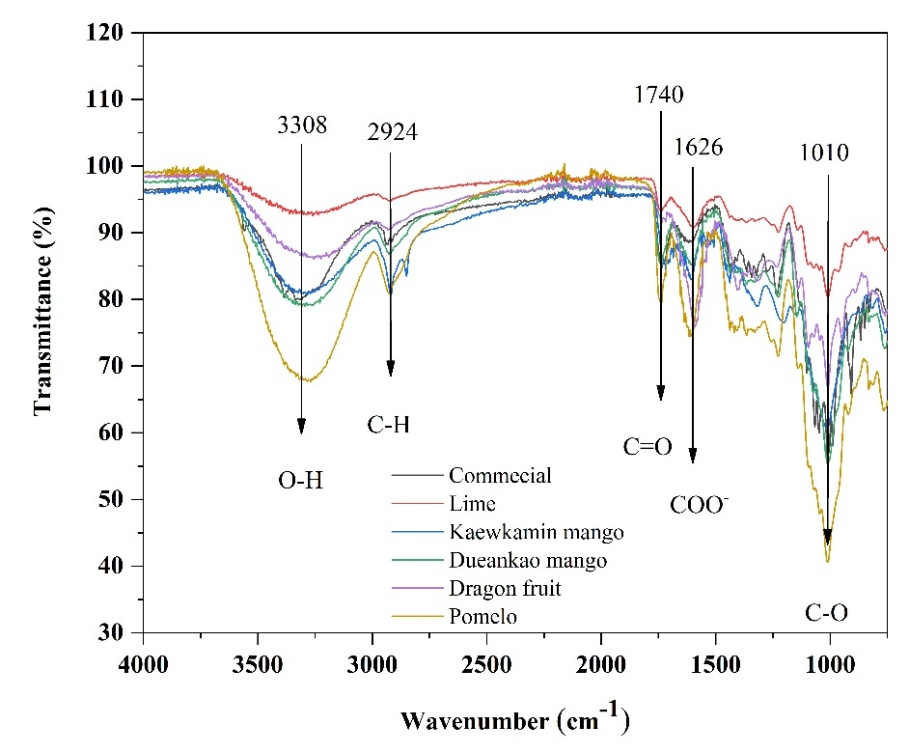
Figure 1 FTIR spectra of extracted pectins from five tropical fruit.
The band around 1,740 cm⁻¹, assigned to C=O stretching of methyl esterified carboxyl groups, was observed in lime and pomelo pectins, indicating the presence of esterified carboxyl groups [44,45]. Although the intensity of this band is generally related to the degree of esterification (DE) [46], the DE values of lime and pomelo pectins in this study remained below 50%, classifying them as LM or borderline LM pectins. In contrast, HM pectins (DE > 50%) are known to form gels in acidic, high-sugar environments, making them suitable for jam and jelly formulations [47,48]. Dragon fruit pectin displayed weaker ester bands and more pronounced COO⁻ asymmetric stretching peaks at 1,620 - 1,600 cm⁻¹, which is characteristic of LM pectins containing more free carboxylate groups [43,49]. LM pectins, (DE < 50%) can form gels in the presence of divalent cations such as calcium ions, supporting their use in low-sugar or calcium induced gel systems [47,48]. Additional peaks at 1,440 - 1,400 cm⁻¹ (COO⁻ symmetric stretching) further supported the presence of free galacturonic acid residues [1]. The fingerprint region 1,200 - 950 cm–1 exhibited multiple bands attributed to C-O-C and C-O stretching vibrations of glycosidic linkages and pyranose rings [43,50]. Variations in band intensity and profiles within this region suggest differences in branching patterns and side-chain sugars such as arabinose, galactose [47]. The FTIR results confirmed that all extracted pectins share the fundamental galacturonic acid backbone [51], while methylation and branching levels vary significantly by fruit source [43]. Accordingly, dragon fruit pectin is well suited for calcium induced gels or low-sugar applications [52,53], whereas lime and pomelo pectins, despite noticeable ester related FTIR band, remain low or borderline LM pectins based on DE values. Mango derived pectins also showed source dependent structural feature, suggesting potential versatility in food and pharmaceutical formulations [54].
X-Ray Diffraction (XRD) analysis
The X-ray diffraction patterns of pectin obtained from five tropical fruits (lime, dragon fruit, Kaewkamin mango, Dueankao mango, and pomelo), alongside commercial pectin, are presented in Figure 2. All samples exhibited a broad diffraction halo predominantly between 2 = 13 and 25 , which is characteristic of semi-crystalline to amorphous polysaccharides like pectin [55,56]. The absence of sharp crystalline peaks indicates a prevalence of disordered molecular packing in the pectin structure [55]. This amorphous nature contributes significantly to pectin’s beneficial functional properties, such as enhanced solubility and excellent film-forming capacity [57]. Commercial pectin displayed a broad reflection centered around, indicative of its semi-crystalline structure, which contains small, ordered domains [56]. Such structural order in pectin can be influenced by hydrogen bonding and partial esterification [58]. The extracted pectins from Kaewkamin mango, Dueankao mango, and lime peels showed similar diffraction profiles to commercial pectin. This suggests a retention of partial structural order in their polysaccharide backbones, likely influenced by their moderate degree of esterification (DE) and methoxyl content (MeO). Hydrogen bonds and electrostatic interactions play a crucial role in molecular aggregation and the order/disorder state of pectin chains [50], with DE affecting these interactions and pectin’s overall conformation [58].
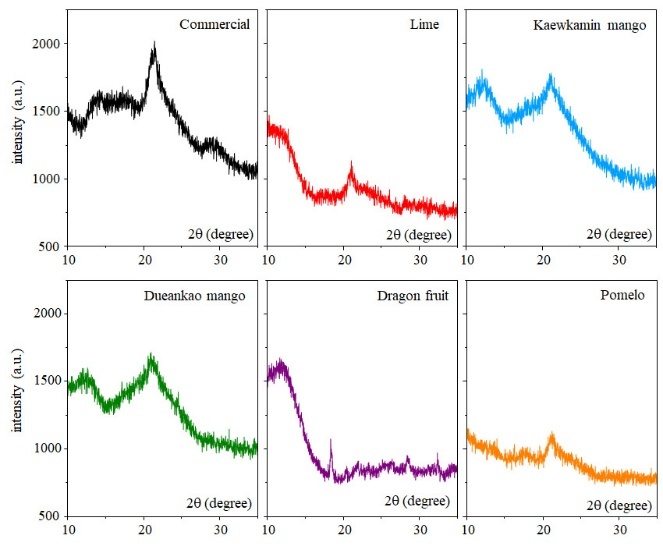
Figure 2 XRD pattern of extracted pectins from five tropical fruit peels.
Conversely, dragon fruit and pomelo pectins exhibited broader halos with lower peak intensities. This indicates a higher degree of amorphousness and weaker molecular packing compared to the other samples. This observation aligns with their lower DE ( 31 - 46) and MeO values, as a lower degree of esterification can disrupt the arrangement of pectin molecular chains, leading to reduced crystallinity [55,56]. The XRD results generally corroborate findings from thermal analyses, as higher molecular weight and DE in pectins (such as commercial, mango, and lime) often correlate with improved structural organization, which can influence thermal stability. In contrast, pectins with lower DE and MeO (like pomelo and dragon fruit) tend to exhibit more amorphous structures [56], which may be associated with different thermal degradation profiles [59].
Thermal properties
Thermogravimetric
The thermal stability of pectin is a complex property influenced by its molecular structure, including molecular weight, branching, degree of esterification, methoxyl content, and inorganic (ash) content [25,47]. The thermogravimetric analysis and derivative thermogravimetry profiles of the extracted pectins are presented in Figure 3 with detailed degradation parameters summarized in Table 2. All pectin samples exhibited characteristic multi-step thermal degradation patterns [25,59,60].
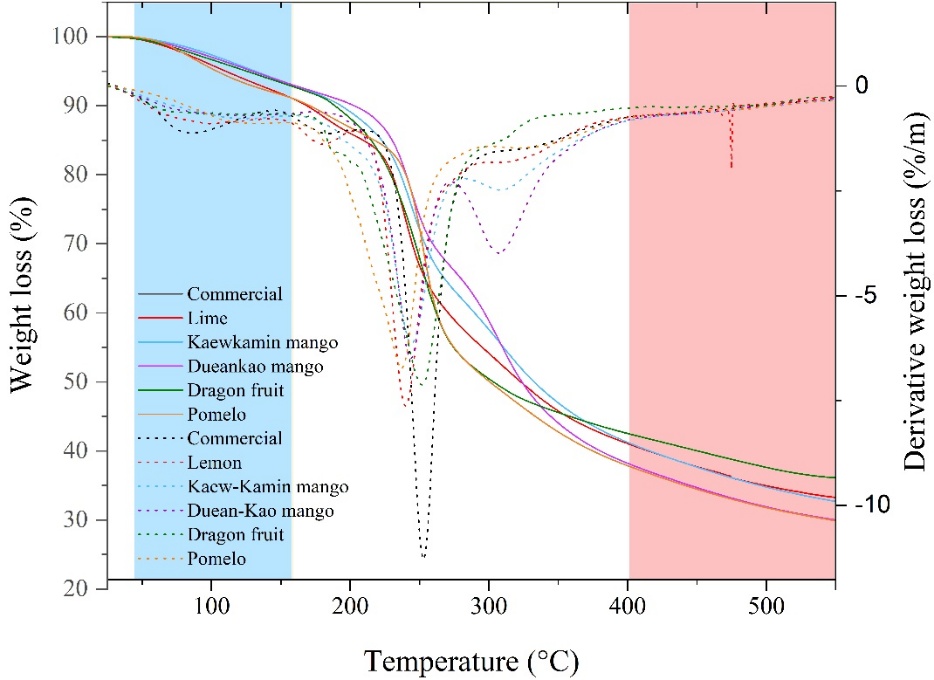
Figure 3 Thermal degradation characteristics of pectin samples.
The initial weight loss stage, typically observed below 100 - 110 C, corresponds to the evaporation of physically adsorbed water [59], as shown in Table 2. The weight loss in this step ranged from 7.89 (Dragon fruit pectin) to 10.74 (Dueankao mango pectin), indicating varying capacities for moisture retention among the different pectin types. Pomelo pectin showed the highest first step degradation temperature at 111.60 C with a weight loss of 10.22.
Table 2 Thermal degradation of extracted pectins from five tropical fruit peels.
|
|||||||||||||||||||||||||||||||||||||||||||||||||||||||
The primary degradation of the pectin polysaccharide backbone occurred in subsequent stages, typically between 150 and 350 C, involving depolymerization, decarboxylation, and decomposition of the galacturonic acid chains [59,60]. As depicted in Figure 3, all samples showed significant mass loss in this region. The onset of the second degradation step varied, with lime pectin showing the lowest at 239.23 C and commercial pectin and dragon fruit pectin at 251.97 and 251.08 C, respectively.
Pectins with higher DE and MeO%, such as commercial pectin and Dueankao mango, demonstrated relatively higher thermal stability during the main degradation step [25]. HM pectins are known to exhibit slower mass loss under heat due to the restricted molecular mobility of esterified galacturonic acid units, which enhance chain compactness through hydrophobic interactions and delay thermal scission [25]. The commercial pectin and Dueankao mango pectin, with higher reported MeO values, maintained better stability at elevated temperatures, supporting that MeO contributes to thermal resistance by stabilizing the pectin backbone through stronger intra- and intermolecular interactions [61,62]. In contrast, pectins with a lower degree of esterification, such as those extracted from dragon fruit, pomelo, and lime in this study, exhibited earlier onset of thermal degradation. This behavior can be attributed to the higher proportion of free carboxyl groups in a lower degree of esterification [2], which are more susceptible to decarboxylation and thermal scission at lower temperatures compared to the esterified groups in HM [9,10,63]. Therefore, it is important to consider that this reduced thermal stability may limit the application of these specific LM pectins in industrial processes requiring prolonged high heat treatment [63]. Consequently, while HM pectin from Dueankao mango is well-suited for high temperature applications, the extracted LM pectins might be more appropriately targeted for cold process systems or as stabilizers in products that undergo mild heat treatment [2,9].
Molecular weight also influenced the degradation behavior. While a direct, consistent correlation of maximum degradation temperature with Mw was not observed across all samples, differences in degradation rates suggest Mw plays a role. Dragon fruit pectin, despite a relatively lower reported Mw (3,169 Da), displayed a notably high Tmax (246 C), suggesting that specific structural features, such as neutral sugar side chains or branching, might temporarily stabilize the pectin residue at higher temperatures, even for shorter polymer chains [46]. In general, the depolymerization of pectin at elevated temperatures can alter its hydrodynamic properties and thermal behavior [64,65]. Finally, the ash content significantly influenced the residual mass after 700 C. Pomelo pectin, which had the highest ash content (5.52), left the largest char residue (20.11) after the third degradation step. This supports the role of inorganic minerals in forming thermally stable residues, which can inhibit carbon oxidation at typical degradation temperatures [66,67]. In contrast, commercial pectin with lower ash contents, left smaller residues.
The TGA/DTG results confirm that the thermal behavior of pectin is not determined by a single parameter but by a complex interplay of Mw, DE, MeO, and ash content. High-Mw, high-DE, and high-MeO pectins (commercial pectin, Dueankao mango pectin) are generally more suitable for applications requiring thermal processing, such as jams and jellies. Conversely, pectins with lower DE and Mw (dragon fruit pectin) may be advantageous for controlled release systems or applications where faster degradation is desired, while ash-rich pectins (pomelo pectin) could be considered for thermally resistant biopolymer composites [61].
Differential Scanning Calorimetry (DSC)
Differential Scanning Calorimetry provides valuable insights into the thermal transitions of materials by measuring the heat flow into or out of a sample as a function of temperature. For pectin, DSC can reveal events such as moisture evaporation, glass transitions, and degradation processes [68]. The DSC thermograms of the commercial pectin and the pectins extracted from lime, Kaewkamin mango, Dueankao mango, dragon fruit, and pomelo are presented in Figure 4. All pectin samples exhibited a broad endothermic event at lower temperatures, typically ranging from approximately 50 to 120 C, corresponding to the evaporation of adsorbed and bound water [25,59]. Variations in the depth and width of this transition reflect differences in water binding, likely influenced by molecular arrangement and the degree of esterification [58].
At higher temperatures (180 - 260 °C), distinct exothermic peaks appeared, associated with structural rearrangement and thermal degradation [59,62]. The commercial and lime pectins exhibited sharp exothermic transitions near 240 - 250 °C, corresponding to decomposition of the polysaccharide backbone [66]. Kaew-Kamin and Dueankao mango pectins showed broad endothermic valleys centered near 100 - 120 °C with weaker exothermic signals around 230 °C, suggesting gradual relaxation and minor degradation. In contrast, dragon fruit and pomelo pectins displayed deeper endothermic peaks (~110 °C) followed by intense exothermic reactions near 250 °C, indicating rapid decomposition and oxidative degradation of more amorphous matrices [66,67].
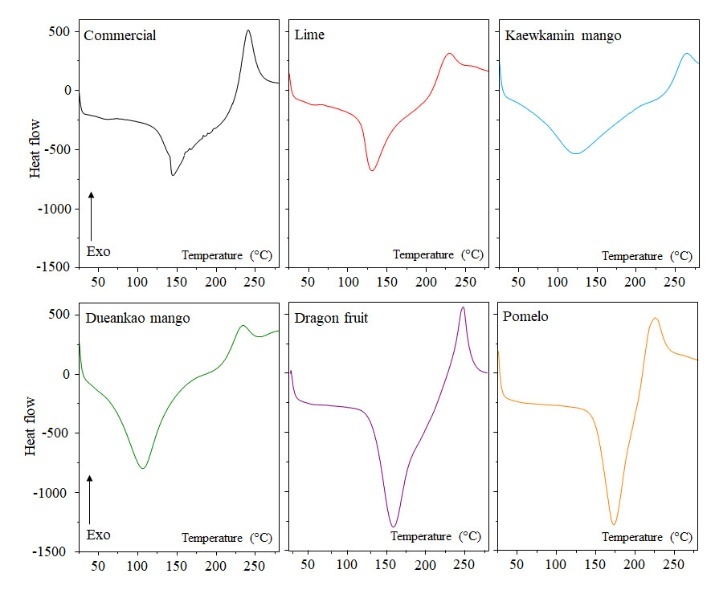
Figure 4 DSC thermogram of extracted pectins from five tropical fruit peels.
The DSC result complement the TGA data provided the endothermic events align with initial moisture loss, while exothermic peaks correspond to the main mass-loss stages [60]. Structural correlations with FTIR and XRD further support that pectins with higher DE, MeO% and Mw (commercial, mango varieties) exhibit improved thermal stability, whereas low-DE pectins (dragon, pomelo) show greater amorphousness and faster degradation [61]. Overall, the DSC thermograms reveal that the thermal responses of pectins vary significantly with their structural characteristics, highlighting the importance of selecting suitable pectin sources for heat-processed or film-forming applications [65].
FESEM Analysis
Field Emission Scanning Electron Microscopy (FESEM) was employed to visualize the surface morphology and microstructure of pectin samples, providing insights into their physical characteristics that influence functional behavior. The FESEM micrographs of commercial pectin and pectins extracted from lime, Kaewkamin mango, Dueankao mango, dragon fruit, and pomelo (Figure 5) reveal distinct differences in surface texture, porosity, and compactness. These variations reflect the influence of botanical origin, intrinsic physicochemical properties, and the steam explosion extraction process [25,46,47].
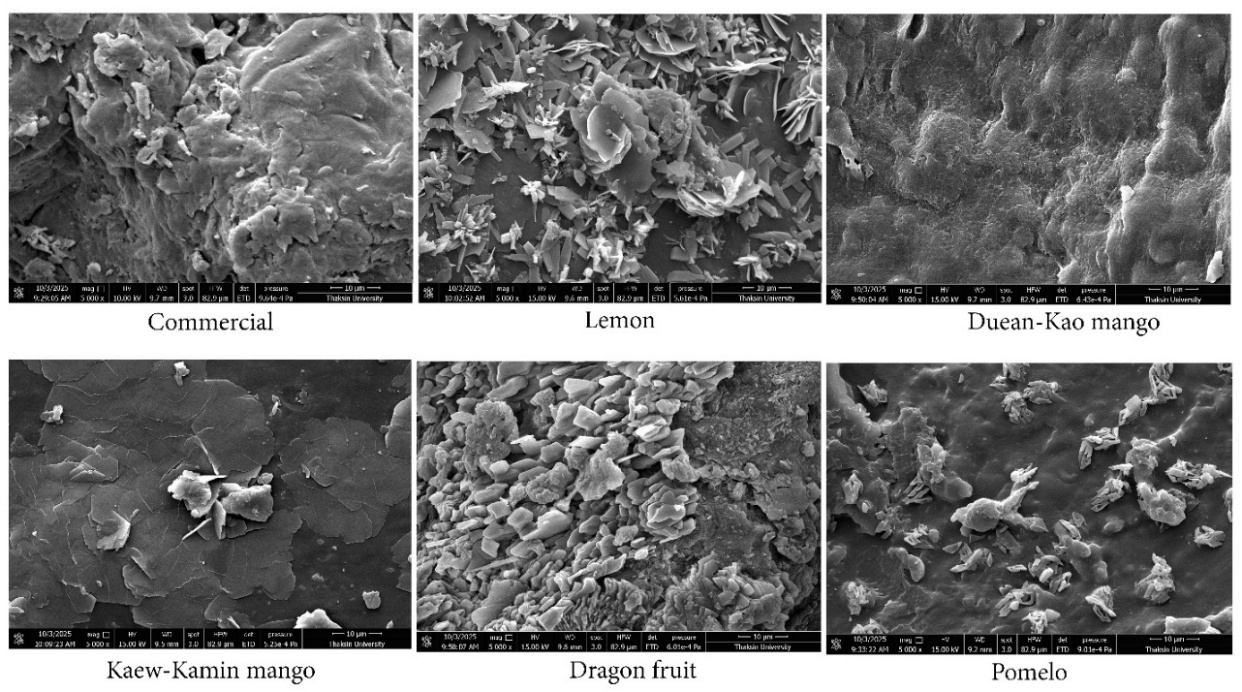
Figure 5 SEM image of commercial, lime, Kaew-Kamin mango, Duean-Kao mango, dragon fruit, and pomelo pectins.
In general, the pectins exhibited morphologies ranging from smooth and compact to highly porous, flaky, or aggregated structures [42,69]. The commercial pectin showed a densely packed and irregular surface composed of aggregated, chunky particles forming a rough texture with folds and agglomerations. This compact yet heterogeneous arrangement suggests extensive processing and partial collapse of the amorphous network. The lime pectin presented thin, plate-like or flaky particles, often arranged in stacked layers, producing a relatively ordered and crystalline-like surface typical of citrus-derived pectins [28,46]. The Kaewkamin mango pectin exhibited a rough, aggregated surface with undulating ridges and valleys, indicating localized melting or disruption of cell wall residues by the steam explosion process [25,46]. By contrast, the Dueankao mango pectin appeared smoother and more continuous, consisting of broad sheet-like flakes interspersed with smaller particles, suggesting a distinct molecular arrangement and drying behavior. The dragon fruit pectin displayed a granular and fragmented structure composed of small, angular aggregates. Such morphology is typical of low-DE pectins and implies reduced molecular order and higher surface area, potentially enhancing solubility and emulsifying capacity [38]. The pomelo pectin exhibited a heterogeneous texture with irregular, broken fragments and flat flakes, reflecting compositional complexity and the strong influence of extraction conditions [25,28,46]. The observed morphologies align well with the physicochemical data discussed earlier. More compact and homogeneous structures correspond to higher molecular weight and degree of esterification, leading to stronger intermolecular associations [13]. Conversely, the porous and irregular morphologies observed for dragon fruit and pomelo pectins correspond to lower DE and Mw values, consistent with their more amorphous nature revealed by XRD and their higher susceptibility to thermal degradation observed in DSC/TGA [61,70]. These morphological variations strongly influence pectin’s gelling behavior, hydration ability, and suitability for applications requiring specific textural or thermal performance [42].
Conclusions
This study successfully demonstrated the potential of the steam explosion method as an innovative and eco-friendly technique for extracting pectin from five types of tropical fruit peels. The experimental results revealed that the fruit source significantly dictates the physicochemical and thermal properties of the resulting pectin. Specifically, the extraction yields ranged from 7.02% to 8.96%, with Kaewkamin mango peel providing the highest yield. Chemical characterization identified Dueankao mango as a source of HM pectin (DE > 50%), while lime, dragon fruit, pomelo, and Kaewkamin mango yielded LM pectins. Although the steam explosion process resulted in pectins with relatively high ash content (3.25% - 5.52%) and lower molecular weights (1,882.61 - 7,810.93 Da) compared to commercial standards, the structural and functional integrity of the pectins remained suitable for various applications. Thermal analysis via TGA and DSC further confirmed that the HM pectin from Dueankao mango possesses superior thermal stability, making it ideal for high-heat food processing. In contrast, the LM pectins from the other fruit sources, showing faster thermal degradation, are more appropriately targeted for cold-process systems or as stabilizers in products undergoing mild heat treatment. These findings highlight that while further optimization using Response Surface Methodology (RSM) and additional purification steps are necessary to meet industrial IPPA specifications, tropical fruit peels represent a viable, sustainable, and economically promising bioresource for pectin production within a circular economy framework.
Acknowledgements
Our team of researchers expresses sincere gratitude to the Science Classroom in the University-Affiliated School Project (SciUS), under the direction and support of the Ministry of Higher Education, Science, Research, and Innovation, for their invaluable financial support. We also extend our appreciation to the Department of Chemistry, Faculty of Science and Digital Innovation, Thaksin University, Phatthalung campus, Thailand for their expert chemical suggestions and support throughout this research as well as to the Centre of Excellence for Agricultural Innovation and Bioproducts of Thaksin University, Thailand.
Declaration of Generative AI in Scientific Writing
Generative AI tools (ChatGPT, OpenAI) were used only to improve the readability and language of the manuscript. All scientific contents, interpretations, analyses, and conclusions were developed solely by the authors. The use of AI tools was performed under human oversight and full control. No generative AI tools were listed as authors or co-authors in this work.
CRediT Author Statement
Thanita Bilman: Conceptualization, Methodology, Investigation, Formal Analysis, Data Curation, Writing- Original Draft, Visualization. Sakdinon khumlue: Methodology, Investigation, Data Curation, Resources, Visualization. Piamprom ladkong: Methodology, Investigation, Data Curation, Resources, Visualization. Visit BoonChom: Visualization. Nantharat Phruksaphithak: Conceptualization, Supervision, Project Administration, Writing - Review and Editing, Funding Acquisition, Final Approval of the Manuscript.
References
[1] NZA Daud, BNM Said, F Ja’Afar, HM Yasin, E Kusrini and A Usman. pH-Dependent yield and physicochemical properties of pectin isolated from Citrus Maxima. International Journal of Technology 2019; 10(6), 1131.
[2] CMP Freitas, JSR Coimbra, VGL Souza and RCS Sousa. Structure and applications of pectin in food, biomedical, and pharmaceutical industry: A review. Coatings 2021; 11(8), 922.
[3] W Kheowmung. Pectin from Durian (Durio zibethinus Murray) Peel: Microwave-assisted extraction followed by solvent extraction. Trends in Sciences 2024; 21(7), 7627.
[4] D Mamiru and G Gonfa. Extraction and characterization of pectin from watermelon rind using acetic acid. Heliyon 2023; 9(2), e13525.
[5] WA Rahman, SNAS Ismail and M Rosli. Morphology and properties of durian cellulose nanofibres reinforced polyvinyl alcohol/starch based composite. AIP Conference Proceedings 2016; 1774(1), 020005.
[6] C Ceylan, O Bayraktar, E Atci and S Sarrafi. Extraction and charecterization of pectin from fresh globe artichoke and canned artichoke waste. Gida the Journal of Food 2017; 42(5), 568-576.
[7] NS Said and WY Lee. Pectin-based active and smart film packaging: A comprehensive review of recent advancements in antimicrobial, antioxidant, and smart colorimetric systems for enhanced food preservation. Molecules 2025; 30(5), 1144.
[8] C Vatieri, T Cirillo and F Esposito. Waste to worth: Bioplastic synthesis from lignocellulosic food waste in the age of the circular bioeconomy. Frontiers in Sustainable Food Systems 2025; 9, 1698348.
[9] SH Jong, N Abdullah and N Muhammad. Optimization of low-methoxyl pectin extraction from durian rinds and its physicochemical characterization. Carbohydrate Polymer Technologies and Applications 2023; 5, 100263.
[10] Y Liang, Y Yang, L Zheng, X Zheng, D Xiao, S Wang, B Ai and Z Sheng. Extraction of pectin from passion fruit peel: Composition, structural characterization and emulsion stability. Foods 2022; 11(24), 3995.
[11] MC Roy, M Alam, A Saeid, BC Das, MB Mia, MA Rahman, JB Eun and M Ahmed. Extraction and characterization of pectin from pomelo peel and its impact on nutritional properties of carrot jam during storage. Journal of Food Processing and Preservation 2018; 42(1), e13411.
[12] BS Virk and DS Sogi. Extraction and characterization of pectin from apple (Malus pumila cv. Amri) peel waste. International Journal of Food Properties 2004; 7(3), 693-703.
[13] M Zioga, E Tsouko, S Maina, A Koutinas, I Mandala and V Evageliou. Physicochemical and rheological characteristics of pectin extracted from renewable orange peel employing conventional and green technologies. Food Hydrocolloids 2022; 132, 107887.
[14] RJM Yapias, FO Areche, JPE Victorio, JP Soto, GRL Calderon, ERP Santos, JMM Otivo, C Flores-Miranda and AR Rodriguez. Advancements in green extraction technologies for pectin enhancing efficiency, sustainability, and functional properties: A systematic review. Brazilian Journal of Biology 2025; 85, e287792.
[15] EK Gladysheva. Liquid hot water and steam explosion pretreatment methods for cellulosic raw materials: A review. Polymers 2025; 17, 1783
[16] M James, S Imathiu, SB Engelsen and W Owino. Impact of extraction techniques and processing conditions on pectin and antioxidant recovery from mango peels. Discover Food 2025; 5, 132.
[17] R Karim, K Nahar, FT Zohora, MM Islam, RH Bhuiyan, MS Jahan and MAA Shaikh. Pectin from lemon and mango peel: Extraction, characterization and application in biodegradable film. Carbohydrate Polymer Technologies and Applications 2022; 4, 100258.
[18] I Santiago-Go, A Carrera-Lanestosa, FAL González-Alejo, Z Guerra-Que, R García-Alamilla, JL Rivera-Armenta and P García-Alamilla. Pectin extraction process from cocoa pod husk (Theobroma cacao L.) and characterization by Fourier Transform Infrared Spectroscopy. ChemEngineering 2025; 9(2), 25.
[19] GD Manrique and FM Lajolo. FT-IR spectroscopy as a tool for measuring degree of methyl esterification in pectins isolated from ripening papaya fruit. Postharvest Biology and Technology 2002; 25(1), 99-107.
[20] H Guolin, S Jeffrey, Z Kai and H Xiaolan. Application of ionic liquids in the microwave-assisted extraction of pectin from lemon peels. Journal of Analytical Methods in Chemistry 2012; 2012, 302059.
[21] KM Wani and RVS Uppaluri. Characterization of pectin extracted from pomelo peel using pulsed ultrasound assisted extraction and acidic hot water extraction process. Applied Food Research 2023; 3(2), 100345.
[22] B Gomez, R Yanez, JC Parajo and JL Alonso. Pectic oligosacharides from lemon peel wastes: Production, purification, and chemical characterization. Journal of Agricultural and Food Chemistry 2013; 61(42), 10043-10053.
[23] N Tongkham, B Juntasalay, P Lasunon and N Sengkhamparn. Dragon fruit peel pectin: Microwave-assisted extraction and fuzzy assessment. Agriculture and Natural Resources 2017; 51(4), 262-267.
[24] E Girma and T Worku. Extraction and characterization of pectin from selected fruit peel waste. International Journal of Scientific and Research Publications 2016; 6(2), 447-454.
[25] MG Guizar-Amezcua, A Pineda-Santana, MI González-Domínguez, LRamses Cajero-Zul, LG Guerrero-Ramírez, A López-Miranda, A Nambo and J López-Mercado. Evaluation of pectin extractions and their application in the alkaline Maillard reaction. Scientific Reports 2022; 12(1), 19834.
[26] A Sayed, J Kumar, R Rahman, F Noor and A Alam. Effect of extraction parameters on the yield and quality of pectin from mango (Mangifera indica L.) peels. Discover Food 2022; 2, 28.
[27] X Guo, W Zhao, X Liao, X Hu, J Wu and X Wang. Extraction of pectin from the peels of pomelo by high-speed shearing homogenization and its characteristics. LWT - Food Science and Technology 2017; 79, 640-646.
[28] Y Yu, P Lu, Y Yang, H Ji, H Zhou, S Chen, Y Qiu and H Chen. Differences in physicochemical properties of pectin extracted from pomelo peel with different extraction techniques. Scientific Reports 2024; 14, 9182.
[29] SM Haque, A Kabir, E Ratemi, M Elzagheid, SP Appu, SS Ghani and A Sarief. Greener pectin extraction techniques: Applications and challenges. Separations 2025; 12(3), 65.
[30] WW Wai, AFM Alkarkhi and AM Easa. Effect of extraction conditions on yield and degree of esterification of durian rind pectin: An experimental design. Food and Bioproducts Processing 2010; 88(2-3), 209-214.
[31] Y Halim and CR Darmawan. Characteristics of edible film made from pectin of papaya peel. Reaktor 2021; 21(3), 116-123.
[32] M Iniguez-Moreno, JJP Pizaña-Aranda, D Ramírez-Gamboa, CA Ramírez-Herrera, RG Araújo, EA Flores-Contreras, HMN Iqbal, R Parra-Saldívar and EM Melchor-Martínez. Enhancing pectin extraction from orange peel through citric acid-assisted optimization based on a dual response. International Journal of Biological Macromolecules 2024; 263(P1), 130230.
[33] GAP Alcantara, PJV Gaban, JP Rivadeneira and KAT Castillo-Israel. Citric acid method optimization for pectin extraction from unripe ‘Saba’ banana (Musa acuminata × Musa balbisiana BBB) Peels. Materials Science Forum 2022; 1069, 219-230.
[34] MS Rahman, SS Khan, MW Ahmed, ME Jony, PC Das and MB Uddin. Extraction of pectin from elephant apple and pomelo fruit peels: Valorization of fruit waste towards circular economy. Food Chemistry Advances 2023; 3, 100544.
[35] TA Martorano, KL Ferguson, RG Cameron, W Zhao, AT Hotchkiss, HK Chau and C Dorado. Production of pectic oligosaccharides from citrus peel via steam explosion. Foods 2024; 13(23), 3738.
[36] ILG Lekhuleni, TE Kgatla, ME Mashau and AIO Jideani. Physicochemical properties of South African prickly pear fruit and peel: Extraction and characterisation of pectin from the peel. Open Agriculture 2021; 6(1), 178-191.
[37] T Lindriati, M Belgis, M Fauzi, QE Juwita and S Sakinah. Ultrasound assisted extraction and characterization of pectin from red dragon fruit (Hylocereus polyrhizus) Peels. Journal of Applied Agricultural Science and Technology 2023; 7(2), 91-99.
[38] K Muhammad, NIM Zahari, SP Gannasin, NM Adzahan and J Bakar. High methoxyl pectin from dragon fruit (Hylocereus polyrhizus) peel. Food Hydrocolloids 2014; 42(P2), 289-297.
[39] A Mero, NR Moody, E Husanu, A Mezzetta, F D’Andrea, CS Pomelli, N Bernaert, F Paradisi and L Guazzelli. Challenging DESs and ILs in the valorization of food waste: A case study. Frontiers in Chemistry 2023; 11, 1270221.
[40] MY Arshad, A Rashid, H Gul, AS Ahmed and F Jabbar. Optimization of acid-assisted extraction of pectin from banana (Musa acuminata) peels by central composite design. Global NEST Journal 2022; 24, 752-756.
[41] T Mala and AK Anal. Protection and controlled gastrointestinal release of bromelain by encapsulating in pectin-resistant starch based hydrogel beads. Frontiers in Bioengineering and Biotechnology 2021; 9, 757176.
[42] G Cabrera-Barjas, Aleksandra Nesic, G Bravo-Arrepol, S Rodríguez-Llamazares, O Valdés, ABJ Castaño and C Delattre6. Bioactive pectin-murta (Ugni molinae T.) seed extract films reinforced with chitin fibers. Molecules 2021; 26(24), 7477.
[43] FM Kpodo JK Agbenorhevi, K Alba, RJ Bingham, IN Oduro, GA Morris and V Kontogiorgos. Pectin isolation and characterization from six okra genotypes. Food Hydrocolloids 2017; 72, 323-330.
[44] AK Chatjigakis, C Pappas, N Proxenia, O Kalantzi, P Rodis and M Polissiou. FT-IR spectroscopic determination of the degree of esterification of cell wall pectins from stored peaches and correlation to textural changes. Carbohydrate Polymers 1998; 37(4), 395-408.
[45] MA Monsoor, U Kalapathy and A Proctor. Determination of polygalacturonic acid content in pectin extracts by diffuse reflectance Fourier transform infrared spectroscopy. Food Chemistry 2001; 74(2), 233-238.
[46] DTV Pereira, P Méndez-Albiñana, JA Mendiola, M Villamiel, A Cifuentes, J Martínez and E Ibáñez. An eco-friendly extraction method to obtain pectin from passion fruit rinds (Passiflora edulis sp.) using subcritical water and pressurized natural deep eutectic solvents. Carbohydrate Polymers 2024; 326, 121578.
[47] A Koziol, K Sroda-Pomianek, A Gorniak, A Wikiera, K Cyprych and M Malik. Structural determination of pectins by spectroscopy methods. Coatings 2022; 12, 546.
[48] SY Chan, WS Choo, DJ Young and XJ Loh. Pectin as a rheology modifier: Origin, structure, commercial production and rheology. Carbohydrate Polymers 2017; 161, 118-139.
[49] A Bermudez-Oria, ML Castejon, A Fernandez-Prior, G Rodriguez-Gutierrez and J Fernandez-Bolanos. An acid-free alternative to pectin production from the cell walls of olive oil waste and different fruits using choline chloride. Foods 2023; 12(22), 4166.
[50] A Kaczmarska, PM Pieczywek, J Cybulska and A Zdunek. Effect of enzymatic modification on the structure and rheological properties of diluted alkali-soluble pectin fraction rich in RG-I. Scientific Reports 2024; 14(1), 11454.
[51] Y Yu, L Cui, X Liu, Y Wang, C Song, U Pak, KH Mayo, L Sun and Y Zhou. Determining methyl-esterification patterns in plant-derived homogalacturonan pectins. Frontiers in Nutrition 2022; 9, 925050.
[52] NS Said, IF Olawuyi and WY Lee. Pectin hydrogels: Gel-forming behaviors, mechanisms, and food applications. Gels 2023; 9(9), 732.
[53] N Munoz-Almagro, A Montilla and M Villamiel. Role of pectin in the current trends towards low-glycaemic food consumption. Food Research International 2021; 140, 109851.
[54] V Chandel, D Biswas, S Roy, D Vaidya, A Verma and A Gupta. Current advancements in pectin: Extraction, properties and multifunctional applications. Foods 2022; 11(17), 2683.
[55] I Benkhira, F Zermane, B Cheknane, D Trache, N Brosse, A Paolone, H Chader and W Sobhi. Preparation and characterization of amidated pectin-gelatin-oxidized tannic acid hydrogel films supplemented with in-situ reduced silver nanoparticles for wound-dressing applications. International Journal of Biological Macromolecules 2024; 277(P1), 134158.
[56] VBJ Rysenaer, S Ahmadzadeh, FV Bockstaele and A Ubeyitogullari. An extrusion-based 3D food printing approach for generating alginate-pectin particles. Current Research in Food Science 2023; 6, 100404.
[57] LB Norcino, JF Mendes, CVL Natarelli, A Manrich, JE Oliveira and LHC Mattoso. Pectin films loaded with copaiba oil nanoemulsions for potential use as bio-based active packaging. Food Hydrocolloids 2020; 106, 105862.
[58] K Alba, RJ Bingham, PA Gunning, PJ Wilde and V Kontogiorgos. Pectin conformation in solution. The Journal of Physical Chemistry B 2018; 122(29), 7286-7294.
[59] A Bermudez-Oria, G Rodriguez-Gutierrez, A Fernandez-Prior, H Knicker and J Fernandez-Bolanos. Confirmation by solid-state NMR spectroscopy of a strong complex phenol-dietary fiber with retention of antioxidant activity in vitro. Food Hydrocolloids 2020; 102, 105584.
[60] CM Chandrasekar, D Carullo, F Saitta, H Krishnamachari, T Bellesia, L Nespoli, Eo Caneva, C Baschieri, M Signorelli, AG Barbiroli, D Fessas, S Farris and D Romano. Valorization of citrus peel industrial wastes for facile extraction of extractives, pectin, and cellulose nanocrystals through ultrasonication: An in-depth investigation. Carbohydrate Polymers 2024; 344, 122539.
[61] I Fraeye, A Deroeck, T Duvetter, I Verlent, M Hendrickx and A Vanloey. Influence of pectin properties and processing conditions on thermal pectin degradation. Food Chemistry 2007; 105(2), 555-563.
[62] U Einhorn-Stoll, H Kastner, A Urbisch, LW Kroh and S Drusch. Thermal degradation of citrus pectin in low-moisture environment - Influence of acidic and alkaline pre-treatment. Food Hydrocolloids 2019; 86, 104-115.
[63] W Wang, X Ma, P Jiang, L Hu, Z Zhi, J Chen, T Ding, X Ye and D Liu. Characterization of pectin from grapefruit peel: A comparison of ultrasound-assisted and conventional heating extractions. Food Hydrocolloids 2016; 61, 730-739.
[64] GA Morris, TJ Foster and SE Harding. A hydrodynamic study of the depolymerisation of a high methoxy pectin at elevated temperatures. Carbohydrate Polymers 2002; 48(4), 361-367.
[65] A Shpigelman, C Kyomugasho, S Christiaens, AM Van Loey and ME Hendrickx. Thermal and high pressure high temperature processes result in distinctly different pectin non-enzymatic conversions. Food Hydrocolloids 2014; 39, 251-263.
[66] HS Shim, MR Hajaligol and VL Baliga. Oxidation behavior of biomass chars: Pectin and Populus deltoides. Fuel 2004; 83, 1495-1503.
[67] BE Waymack, JL Belote, VL Baliga and MR Hajaligol. Effects of metal salts on char oxidation in pectins/uronic acids and other acid derivative carbohydrates. Fuel 2004; 83, 1505-1518.
[68] M Renteria-Ortega, MDL Colín-Alvarez, VA Gaona-Sánchez, MC Chalapud, AB García-Hernández, EB León-Espinosa, M Valdespino-León, FS Serrano-Villa and G Calderón-Domínguez. Characterization and applications of the pectin extracted from the peel of Passiflora tripartita var. mollissima. Membranes 2023; 13(9), 797.
[69] Y Zheng, A Pierce, WL Wagner, HV Scheller, D Mohnen, A Tsuda, M Ackermann and SJ Mentze. Analysis of pectin biopolymer phase states using acoustic emissions. Carbohydrate Polymers 2020; 227, 115282.
[70] M Karwacka, S Galus and M Janowicz. Application of chokeberry pomace as pectin substitute in nonconventional freeze-dried snacks: Physicochemical characteristics of the products. European Food Research and Technology 2024; 250, 2921-2933.